

We may earn a commission when you buy through links on this page, at no extra cost to you. Learn more.
Calories in Champagne come mainly from two sources: the alcohol and the residual sugar left in the bottle. Champagne typically has an alcohol content of about 10 to 11.5 percent by volume, and the sugar level varies by style, so a dry Brut and a sweeter demi-sec can differ noticeably. A standard glass of Champagne is generally lighter than a sweet dessert wine, but exact totals depend on the bottle and the pour.
Many people who watch what they eat still enjoy a glass of bubbles for a celebration, and they want a clear sense of what they are drinking. This guide explains what drives the calorie count in Champagne, how the sweetness categories compare, and what practical choices can help you keep the numbers in view without giving up the occasion.
Where the calories in Champagne come from
Wine gets its calories from two main components. Alcohol is the largest contributor in most wines, and sugar adds to the total when it remains in the bottle after fermentation. Champagne is a dry-leaning sparkling wine in most styles, so its sugar is usually low, but the alcohol still matters. Wine Folly gives Champagne an alcohol range of 10 to 11.5 percent ABV, which places it in the same general band as many table wines.
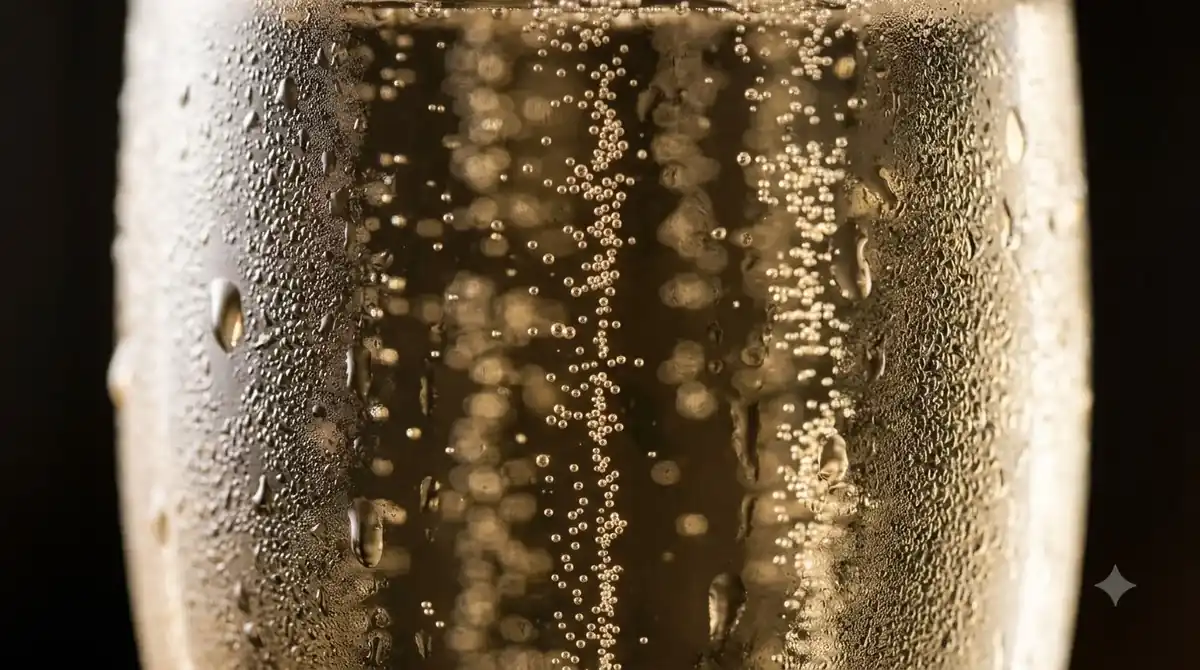
Carbonation does not add calories in itself. The bubbles are carbon dioxide, which has no caloric value, so the total depends on the liquid rather than the fizz. That is a useful point to remember when comparing a sparkling wine with a still one of similar strength.
Reading a label is the quickest way to narrow the choice. Champagne producers print the sweetness category on the front or back of the bottle, and that single word tells you more about residual sugar than the vintage or the grape blend does. Non-vintage bottles, which make up most of the market, carry the same style terms, so a Brut from one house and a Brut from another are directly comparable on sugar.
Alcohol is harder to change, because it is set by ripeness at harvest and by the fermentation itself. That is why the wider range of 10 to 11.5 percent ABV matters less for everyday choices than the sweetness category does. Focus on the style you enjoy, then control the portion.
How sweetness changes the total
Sweetness is the variable most people can control when they choose a bottle. The Wikipedia article on Champagne lists the residual sugar categories used on labels. Brut Zero has no added sugar and less than 3 grams per liter of residual sugar, Extra Brut stays under 6 grams, and Brut, the most common style today, stays under 12 grams. Extra Dry runs from 12 to 17 grams, Sec from 17 to 32 grams, Demi-sec from 32 to 50 grams, and Doux is 50 grams or more.
Put simply, the drier the label, the less sugar remains in the wine. A Brut Zero or Extra Brut will generally contribute less sugar than a Demi-sec, which is often served with dessert. Remember that these categories measure sugar per liter, so the total in your glass depends on how much you pour.
| Style | Residual sugar range | Typical use |
|---|---|---|
| Brut Zero | Under 3 g per liter | Strictly dry, aperitif style |
| Extra Brut | Under 6 g per liter | Dry, with a crisp finish |
| Brut | Under 12 g per liter | Most common style, everyday celebrations |
| Extra Dry | 12 to 17 g per liter | Slightly rounder, pairs with lighter desserts |
| Sec | 17 to 32 g per liter | Noticeably sweeter, dessert-friendly |
| Demi-sec | 32 to 50 g per liter | Sweet, usually served with dessert |
For a broader look at how Champagne is made and labeled, the Wikipedia entry on Champagne explains the dosage system that sets these categories, and the Wine Folly Champagne guide covers the typical strength of the wine.
Glass size and how much you pour
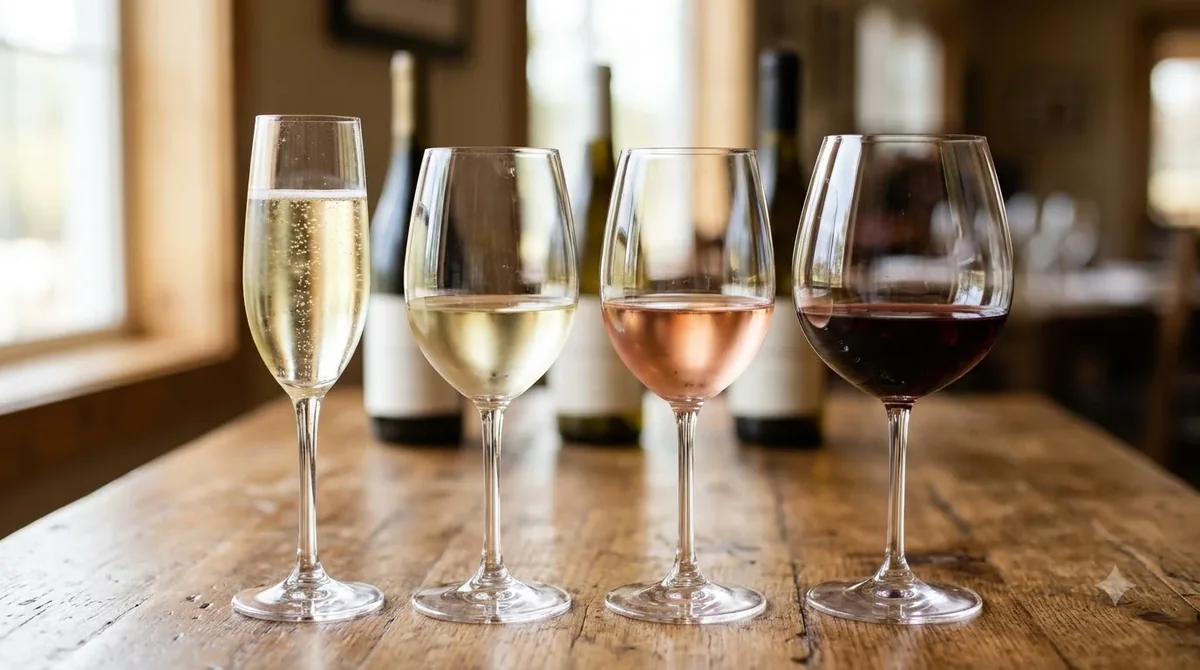
The number of calories you take in depends as much on the pour as on the bottle. A flute holds less than a wide coupe, and a generous host may fill a glass to the rim. If you want to keep track, use the same glass each time and pour a measured amount. Bringing a smaller flute to a party is an easy way to stretch a bottle across the evening.
Many people find that serving Champagne in a slimmer glass also helps the wine stay fizzy for longer, which means they naturally take smaller sips and enjoy the bubbles. A slower pace is often the simplest way to feel satisfied with less.
Champagne compared with other drinks
Champagne is often compared with other sparkling and still wines. A dry Champagne generally has less sugar than a sweet dessert wine, and its alcohol content sits in the same range as many table wines. Compared with a sweet cocktail built around sugary mixers, a glass of dry Champagne is usually the lighter choice.
The fair comparison is style for style. A Brut sparkling wine and a dry still white will often have similar totals, while a Demi-sec clearly brings more sugar. If you are comparing options, read the label for sweetness, check the alcohol percentage, and keep portion size in mind.
Choosing Champagne for a lighter glass
When you are shopping for a lighter option, a few simple habits help. Choose Brut Zero or Extra Brut if you want the driest flavor, keeping in mind that these styles can taste sharper and less rounded than a standard Brut. Choose Brut if you want a balance of crisp acidity and a touch of fruit. Save Sec and Demi-sec for occasions when you plan to pair the wine with dessert, since the extra sugar becomes part of the meal.
Smaller bottles and half bottles also help with portion control. A half bottle holds half the wine, which makes it easier to share a celebration without finishing a full bottle on your own. Pouring from a bottle you can see clearly, rather than topping up a glass after it has been half consumed, makes the amount easier to track.
Ways to enjoy Champagne with a lighter approach
If you want to enjoy Champagne while keeping the glass in check, start with a dry style. A Brut or Extra Brut has less sugar than a sweeter label, and the higher acidity can make a smaller pour feel satisfying. Pair the glass with food, such as oysters, salted nuts, or a simple cheese plate, so the wine is part of a meal rather than the whole event.
Another option is to alternate Champagne with still water between glasses. This slows the pace of drinking and keeps the evening relaxed. Drinking responsibly means knowing your limits, planning transport in advance, and never mixing drinks in a way that makes the total hard to track.
Frequently Asked Questions
Is Champagne lower in calories than other wines?
Dry styles such as Brut Zero, Extra Brut, and Brut generally carry less sugar than sweet wines, which often makes them a lighter choice. Alcohol still contributes most of the calories, so the total depends on both sweetness and pour size.
Which Champagne style has the fewest calories?
Brut Zero and Extra Brut have the least residual sugar among the common label categories. Because sugar adds calories, drier styles usually come out lowest, although alcohol content still matters.
Do the bubbles add calories?
No. The bubbles are carbon dioxide, which has no caloric value. The calories come from the alcohol and the sugar in the liquid.
Does a sweeter Champagne have more sugar?
Yes. Sweeter labels such as Sec and Demi-sec contain more residual sugar per liter than Brut or Extra Brut, which means more sugar in each glass you pour.
Champagne can fit into a thoughtful routine when you know what drives the numbers. For more on the bubbly itself, see the guide to Champagne storage and serving, and compare the totals with calories in white wine. For food ideas that suit a dry style, try Champagne with chocolate, and browse the Wine by Type section for more options.
More in Wine Types & Grapes
 Zinfandel Sugar Content: Dry Red vs. White Zinfandel GramsUpdated Nov 21, 2026
 Best Zinfandel Substitute Options for Sipping and CookingUpdated Nov 21, 2026
 Zweigelt Food Pairing: Best Dishes, Cheeses, and Serving TipsUpdated Nov 21, 2026
 Zinfandel Tannins Explained: How Structure Shapes Every BottleUpdated Nov 21, 2026
 Zinfandel Sweetness Level: Dry Red vs. Sweet White Zin ExplainedUpdated Nov 21, 2026
 Xinomavro Food Pairing: Best Dishes, Styles, and Serving TipsUpdated Nov 21, 2026