

We may earn a commission when you buy through links on this page, at no extra cost to you. Learn more.
The Beaujolais grape is Gamay, a light-bodied red grape that is the main variety planted in the Beaujolais region of France. Gamay wines are typically fruity, floral and sometimes earthy, with low tannins and bright acidity. They are meant to be served a little cool and drunk young, although some well-made examples can age for several years in the cellar.
This guide explains what the Beaujolais grape is, how it tastes, where it grows, how to serve it and which dishes it suits. It is written for wine drinkers who have heard the name Beaujolais but are not sure what sits in the glass.
What Beaujolais Grape Means
Beaujolais is a place name, and the grape that defines the region is Gamay. When a bottle says Beaujolais, it generally refers to a wine made from Gamay grown in the Beaujolais district, although labels can vary in how they describe the origin and style. Gamay is the variety that gives Beaujolais its character, so understanding the grape helps you understand the wine.
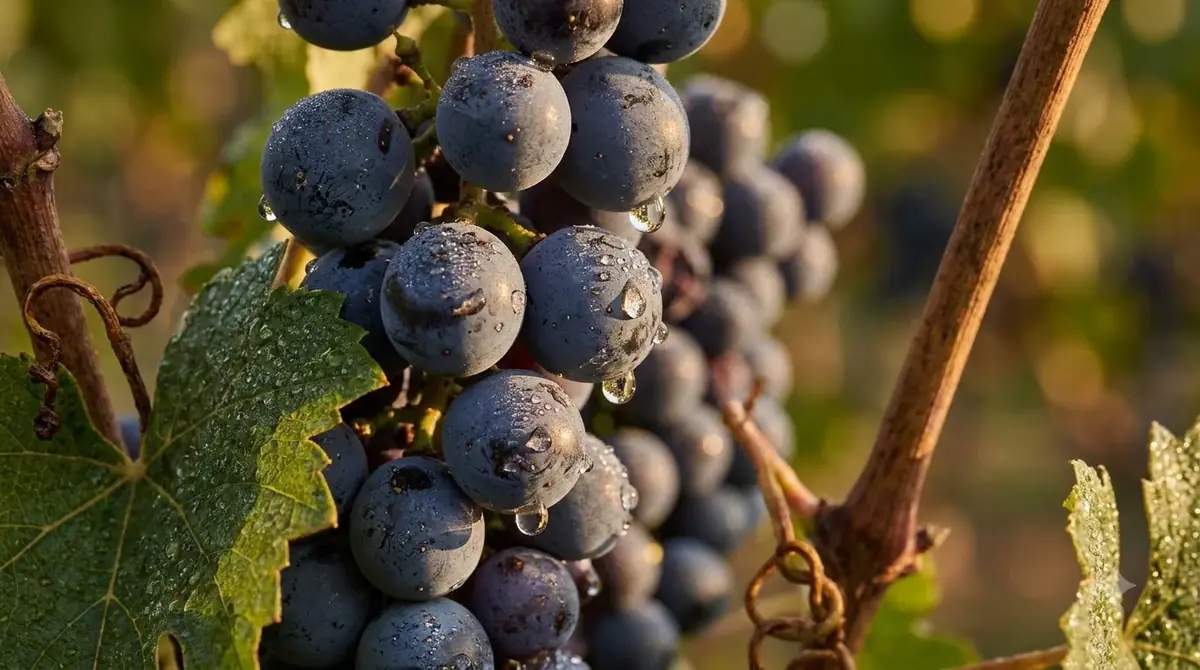
Gamay is grown predominantly in France, and it is the main grape in the Beaujolais vineyards. It is a red grape with thin skins, and that structure is one reason the wines are light in color and body compared with cabernet sauvignon or syrah. The grape is also used in blends, and it appears alongside pinot noir in some wines.
Flavor and Style
Gamay is usually dry, with medium-light body, very low tannin and medium-high acidity. The aromas and flavors are often described as fruity, floral and sometimes earthy. Common descriptors include pomegranate, blackberry bramble, violet, peony and a note of potting soil. Taken together, these notes make Gamay a red wine that feels fresh and lively rather than heavy or dense.
The style changes with winemaking. Simple, youthful Gamay tends to show bright red fruit and floral notes, while wines that spend more time in the cellar can develop more earthy and savory character. Because tannins are low, Gamay is often easy to drink on its own, and it does not need a large meal to feel balanced.
| Characteristic | Typical Gamay profile |
|---|---|
| Body | Dry, medium-light |
| Tannin | Very low to none |
| Acidity | Medium-high |
| Alcohol | About 10 to 11.5 percent ABV |
| Flavors | Pomegranate, blackberry bramble, violet, peony, potting soil |
| Serving temperature | About 55 to 60 F (12 to 15 C) |
Where Gamay Grows
Gamay is most closely associated with Beaujolais, a hilly district in France that lies south of Burgundy. The vineyards there are planted mostly to Gamay, and that concentration is why the grape and the region are so often linked. Outside France, Gamay is grown in smaller amounts in several other wine regions, but the Beaujolais vineyards remain its best-known home.
Because Gamay is so widely planted in the district, the grape is a useful reference point when you compare Beaujolais with other light reds. Many people find the style easier to approach than the firmer, more tannic reds that dominate many restaurant lists, and that is one reason Beaujolais is often recommended to newcomers who want a red wine that is not heavy.
The hillside sites of Beaujolais give the grape a range of soils and exposures. Those differences help explain why wines from different parts of the region can taste distinct even though they come from the same grape. A bottle from a specific village or cru often shows more concentration than a basic regional wine, and the label usually indicates which category the wine belongs to.
How to Serve Beaujolais Grape Wine
Serving temperature has a large effect on Gamay. The Wine Folly Gamay grape profile suggests serving it at about 55 to 60 F (12 to 15 C), which is cooler than most red wines and helps keep the fruit bright and the acidity lively. A short time in the refrigerator before serving is enough for most bottles, and that is simpler than trying to hit a precise number.
Glassware also matters. A wide, aroma-focused glass lets the floral and fruity notes come forward, and it gives the wine room to breathe. The same source suggests decanting Gamay for about 30 minutes before serving, which can soften the edges of a young bottle, although many drinkers pour a Beaujolais straight from the bottle with no fuss at all.
Tip: Serve a Beaujolais slightly cool and in a wide glass. Warm, heavy pours hide the fruit and make the wine taste flatter than it is.
Food Pairing With Gamay
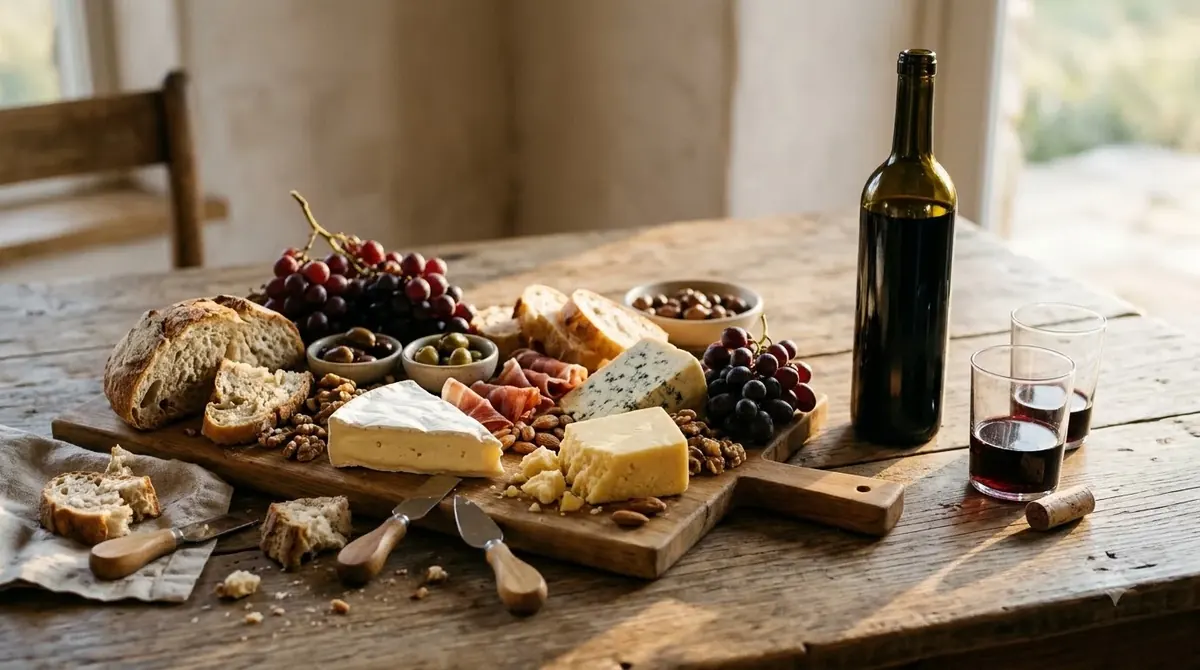
Gamay is one of the more flexible red wines at the table. Wine Folly describes it as one of just a few red wines that pairs with all manner of dishes, and it lists examples that range from sweet and sour salmon to beef stroganoff and sesame tempeh. The low tannins and bright acidity make it a good partner for foods that would overwhelm a bolder red.
In practice, Gamay works well with roast chicken, pork, charcuterie, mushroom dishes and many vegetarian meals built around herbs and tomatoes. Its fruit flavors fit with grilled foods, and its acidity cuts through rich sauces. If you are unsure what to serve, a chilled Beaujolais is a dependable choice for a casual dinner with mixed dishes.
Aging and How to Buy
Most Gamay is made to drink young, and many bottles are at their best within a year or two of the vintage. Wine Folly suggests a cellar life of three to five years for Gamay wines, which is longer than many people expect for a light red. Stronger examples from good vintages can benefit from a few years of rest, while simple bottles are usually best fresh.
When you shop, look for the producer, the village or regional name, and the vintage. Labels that mention a specific village or cru often signal a more concentrated wine. Because stock and styles change, the most reliable way to find a particular bottle is to ask a shop staff member for a Beaujolais recommendation in your price range and style.
Gamay in Blends
Gamay also appears in blends, most often with pinot noir. Blending the two grapes can add structure and color to a wine that would otherwise be very light, and it shows how Gamay can work as a supporting grape rather than a solo star. If you enjoy a red that is lighter than pinot noir but still has some depth, look for a blend that lists both varieties on the back label.
Blends are also a good way to see how the grape behaves when it shares the glass with another variety. The fruit character of Gamay tends to stay visible, while the blending partner adds texture and some extra depth in the finish. Tasting a straight Gamay and a Gamay-pinot noir blend from the same producer, if you can find both, is one of the clearest lessons in what the grape contributes on its own.
Frequently Asked Questions
Is Beaujolais a grape or a region?
Beaujolais is a region in France, and the grape that defines it is Gamay. A bottle labeled Beaujolais is usually a Gamay wine from that region.
Is Beaujolais wine red or white?
Beaujolais is a red wine made from Gamay. It is light in body and tannin, with fresh fruit and bright acidity.
Should Beaujolais be served chilled?
A light chill is recommended. Serving around 55 to 60 F (12 to 15 C) keeps the fruit lively and balances the acidity, which is cooler than many red wines.
How long can you keep a Gamay wine?
Many Gamay wines are best within a year or two of the vintage. Wine Folly suggests three to five years for cellaring, and stronger examples from good vintages may last longer.
The Beaujolais grape rewards curiosity. Start with a young, chilled Gamay to learn its fresh fruit style, then try a village-level bottle to see how the site changes the wine. For more on this style, read the guide on how to pronounce Beaujolais before you order, and browse the wine by type guide to compare Gamay with other red grapes.
More in Wine Types & Grapes
 Zinfandel Sugar Content: Dry Red vs. White Zinfandel GramsUpdated Nov 21, 2026
 Best Zinfandel Substitute Options for Sipping and CookingUpdated Nov 21, 2026
 Zweigelt Food Pairing: Best Dishes, Cheeses, and Serving TipsUpdated Nov 21, 2026
 Zinfandel Tannins Explained: How Structure Shapes Every BottleUpdated Nov 21, 2026
 Zinfandel Sweetness Level: Dry Red vs. Sweet White Zin ExplainedUpdated Nov 21, 2026
 Xinomavro Food Pairing: Best Dishes, Styles, and Serving TipsUpdated Nov 21, 2026