

We may earn a commission when you buy through links on this page, at no extra cost to you. Learn more.
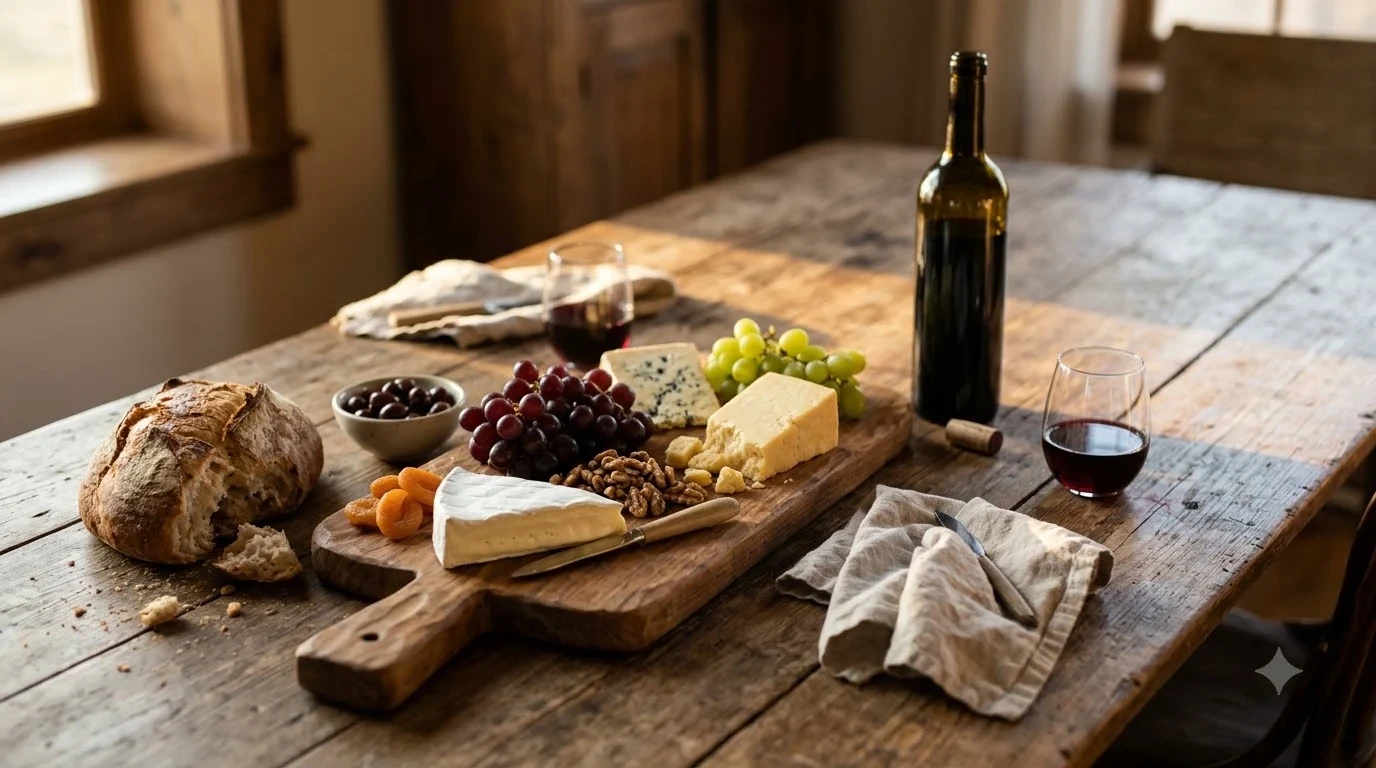
Gallo red wine covers a broad range, from soft, fruit-forward bottles to fuller reds with more oak, and the brands sit under E. & J. Gallo Winery, which was founded in Modesto, California, in 1933. The company says it makes wine under more than 90 brands, so the label on the bottle tells you more about the style than the company name does. Hearty Burgundy, Barefoot Cellars, and Red Mountain are among the names that American shoppers see most often.
Gallo is a long-established name in American wine, and its red wines are sold in grocery stores, wine shops, and restaurants across the country. This guide explains how the Gallo red portfolio is organized, which brands tend to suit different tastes, how to serve the reds, and what to look for on the label before you buy.
Who Makes Gallo Red Wine
E. & J. Gallo Winery was founded in 1933 by brothers Ernest and Julio Gallo, shortly after Prohibition ended. The company’s website says the winery began in the fall of that year, and it is headquartered in Modesto, California. Over the decades, Gallo has grown into a company with a large number of labels, covering everything from everyday table wines to premium bottles.
That size is useful for shoppers because it means a Gallo red can be found at almost any price point and in almost any style. It also means the brand name alone does not describe how a bottle will taste. The label, the varietal, and the brand line are the details that matter. You can read more about the company’s background on the Gallo website, which covers its history and product lines.
The Main Red Wine Brands
Barefoot Cellars is one of the company’s most recognizable names. Its red line includes Zinfandel, Shiraz, Merlot, Pinot Noir, and Cabernet Sauvignon, as well as a Sweet Red. The range is designed for easy drinking, with fruit-forward flavors that suit casual dinners and parties. It is a good place to start if you want a red that is approachable without being too dry.
Hearty Burgundy is a long-running Gallo red that many shoppers pick for everyday meals. The producer’s own positioning centers on a value-minded red for casual food such as pizza, burgers, and pasta, and the product page is the best place to confirm the current style. For a deeper look at that bottle, the page on Gallo Hearty Burgundy wine on this site covers its style in more detail.
Red Mountain has a longer history than many people realize. The brand was first introduced in 1962 as Carlo Rossi Red Mountain wine, and the words “Red Mountain” were removed from most labels in 1975. Today it remains a familiar name on shelves, and it is typically chosen for a simple, easy-drinking red at home. Gallo also sells Family Vineyards and Ruby Cabernet lines that give shoppers a choice of heavier, more structured reds.
What Gallo Red Wines Taste Like
Most Gallo reds lean toward fruit rather than tannin. Expect plum, black cherry, and berry notes in many bottles, along with a soft finish that makes them easy to drink on their own. Merlot and Pinot Noir styles tend to feel smoother, while Zinfandel and Cabernet Sauvignon usually carry more body and a firmer grip on the palate.
Oak is another variable. Some reds are aged with oak to add vanilla, spice, or toast notes, and others are kept fresh and fruit-forward with little oak influence. The label or the brand’s product information usually makes this clear. If you prefer a lighter red, look for Pinot Noir or Merlot. If you want something with more weight, Zinfandel or a Cabernet Sauvignon is the better choice.
| Red style | Typical character | Works well with |
|---|---|---|
| Pinot Noir | Light body, red fruit, soft finish | Roast chicken, salmon, mushrooms |
| Merlot | Plum and berry, smooth texture | Pasta with tomato sauce, pork |
| Zinfandel | Jammy fruit, medium to full body | Burgers, barbecue, sausages |
| Cabernet Sauvignon | Dark fruit, firmer tannins | Steak, aged cheese, lamb |
| Sweet red blends | Lightly sweet, very approachable | Pizza, spicy takeout, dessert-style snacks |
How to Serve Gallo Red Wine
Serve Gallo reds slightly cool rather than at warm room temperature. A range of about 60 to 65 degrees Fahrenheit works for most medium-bodied reds, because it keeps the fruit lively and stops the alcohol from feeling hot. Lighter reds such as Pinot Noir can be a little cooler, while fuller reds such as Cabernet Sauvignon can be a little warmer.
A standard red wine glass is the right choice for most bottles. Pour about a third of the glass so the aromas have room to gather. If the wine tastes flat or closed when it is first opened, give it 20 to 30 minutes in the glass or decant it briefly. That small step often makes a noticeable difference in a simple red.
Tip: Match the red to the food rather than the brand name. A lighter red works better with fish and poultry, while a fuller red needs red meat or hearty dishes to balance it.
Food Pairings for Gallo Reds
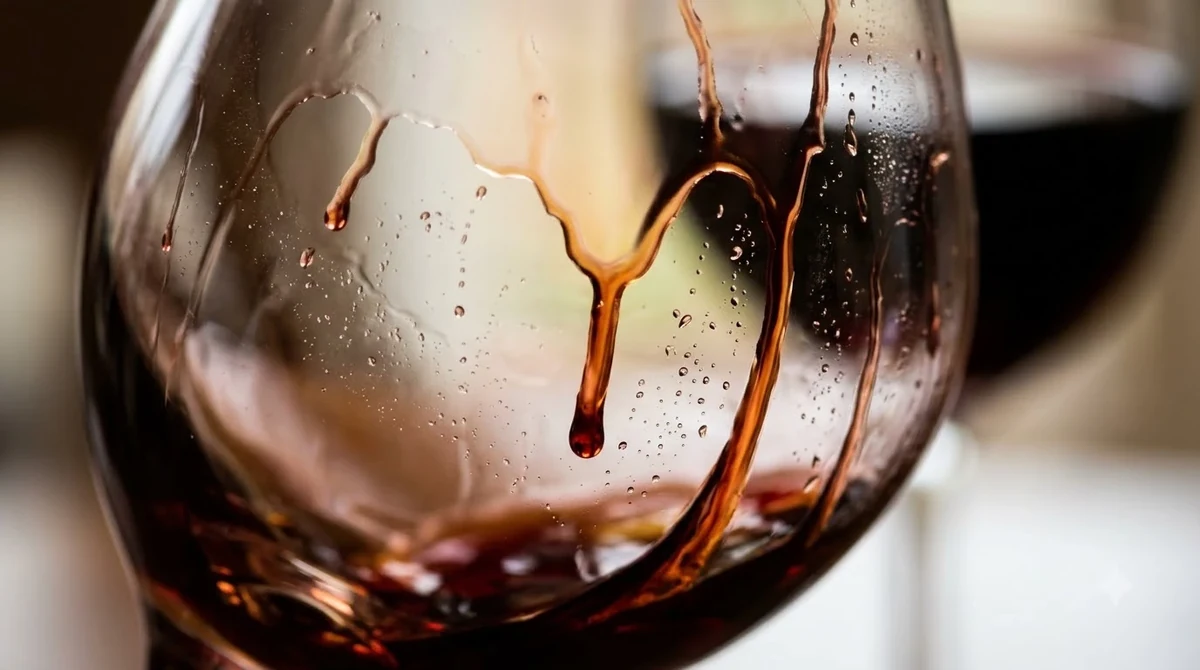
Gallo reds are built for everyday cooking, so they pair well with the foods most families already make. Zinfandel stands up to barbecue and grilled sausages, and Merlot works with tomato-based pasta and roast pork. Pinot Noir suits roast chicken, mushrooms, and salmon, because its lighter body does not overwhelm delicate flavors.
Cabernet Sauvignon and the fuller reds pair naturally with steak, lamb, and aged cheese. The tannins in those wines soften against fat and protein, which is why a rich cut of beef often tastes better with a firmer red than with a light one. For a casual evening, a sweet red blend can handle pizza, spicy takeout, and even dessert-style snacks.
How to Choose a Gallo Red
Start with the occasion and the food. For a weeknight dinner, a fruit-forward red such as Barefoot Cellars Merlot or Pinot Noir is a safe pick. For a party with a mix of guests, a sweet red blend is usually easiest to share. For a special dinner, a Cabernet Sauvignon from one of the brand’s fuller lines gives the table something to talk about.
Next, read the label. Confirm the grape variety, the vintage, and the alcohol statement, since those details shape the flavor and strength. If you want to compare a Gallo red with a different producer’s style, the guide to Antinori red wine offers a useful contrast, and the overview on wine brands groups producers by style so you can see where a Gallo label fits.
Finally, think about storage. Opened red wine keeps for a few days when it is recorked and refrigerated, and most casual reds are meant to be finished within that window. Buying a smaller bottle for a single meal can reduce waste and keep each bottle at its best.
Frequently Asked Questions
Is Gallo red wine a good choice for beginners?
Many Gallo reds are designed for easy drinking. A fruit-forward Merlot, Pinot Noir, or sweet red blend is usually a comfortable starting point, and the flavors are approachable without a lot of tannin or oak.
What is the difference between Barefoot and Gallo Family wines?
Barefoot Cellars is a brand within the Gallo portfolio with its own range of varietals, while Gallo Family Vineyards is a separate line. Check the label to see which brand and varietal you are buying.
Should Gallo red wine be served chilled?
Slightly cool is best. Serve most Gallo reds around 60 to 65 degrees Fahrenheit, which keeps the fruit fresh and makes the wine taste more balanced than at warm room temperature.
What food goes best with a Gallo Zinfandel?
Zinfandel pairs well with barbecue, grilled sausages, burgers, and hearty tomato dishes. Its jammy fruit and medium-to-full body hold up well against smoky and savory flavors.
Gallo red wine offers a wide choice for everyday drinking, from light and fruity bottles to fuller reds for a special meal. Start with the grape and the food you plan to serve, read the label before you buy, and serve the wine slightly cool. Once you know which style you like, the rest of the lineup is easier to navigate.
More in Wine Brands
 Underwood Wine Price: Compare Bottles, Cans, and Pack SizesUpdated Nov 21, 2026
 Zenato Wine Price: Compare Styles and Choose the Right BottleUpdated Nov 21, 2026
 Zuccardi Wine Price: Compare Bottles and Find the Right RangeUpdated Nov 21, 2026
 Yellow Tail Moscato Review: Taste, Sweetness and Serving TipsUpdated Nov 21, 2026
 Wolf Blass Yellow Label Review: Choose Your Best StyleUpdated Nov 21, 2026
 Wolffer Estate Rose Review: Choose the Right Bottle for Your TableUpdated Nov 21, 2026