

We may earn a commission when you buy through links on this page, at no extra cost to you. Learn more.
Gallo Hearty Burgundy wine is an inexpensive red from the Gallo family of wine brands, and the best way to judge it is by reading the label rather than relying on a general description of the name. Gallo lists Hearty Burgundy among its additional brands, but the producer’s public pages do not give its grape blend, alcohol level or tasting notes. The sections below explain what that means for buyers and how to decide whether a bottle like this suits your table.
This guide covers what a value red from a large producer usually means, where the Gallo name comes from, how to read the information on the bottle and how to serve and use a wine like this at home. It is written for buyers who want a simple red for everyday meals, cooking or a casual gathering.
Where the Gallo Name Comes From
Gallo was founded in 1933 in Modesto, California, when brothers Ernest and Julio Gallo started a winery. The company says it began during Prohibition by selling grapes to eastern states where home winemaking was legal, and it has grown into one of the largest wine companies in the United States. The producer’s website also notes that it was recognized as the largest U.S. winery by sales volume in 1966.
The company describes itself as a family business, and its website marks milestones such as 75 years as a family-owned winery in 2008 and 90 years as a family-owned company in 2023. Over the decades it has added many brands through acquisition, so a bottle can carry a Gallo name without being made in the same way as a single-estate wine. That is one reason to read the back label closely rather than assuming how a bottle will taste from the brand alone.
What Hearty Burgundy Is and What the Label Tells You
Hearty Burgundy is listed among Gallo’s additional brands, which places it in the company’s broader range of accessible wines. The producer’s public product information does not give a detailed description of its grape blend, alcohol content or flavor, so buyers should treat any general description, including this one, as a starting point rather than a full profile.
The bottle itself is the most reliable source of information. Look for the alcohol percentage, the producer’s name and address, any statement about grape content or blending, and the country or state of origin. These details tell you more about the wine than the name on the front, and they help you compare one bottle with another on equal terms.
| What to check | Where to find it | Why it matters |
|---|---|---|
| Alcohol percentage | Front or back label | Affects how strong the wine feels and how much a glass contains |
| Grape or blend statement | Back label or producer website | Shows whether the red is a single variety or a blend |
| Origin | Back label | Helps you judge the style and the producing region |
| Producer name | Back label | Identifies the company behind the bottle |
| Sweetness statement | Label or producer notes | Tells you whether the wine is dry or sweeter |
How Value Reds Are Usually Served
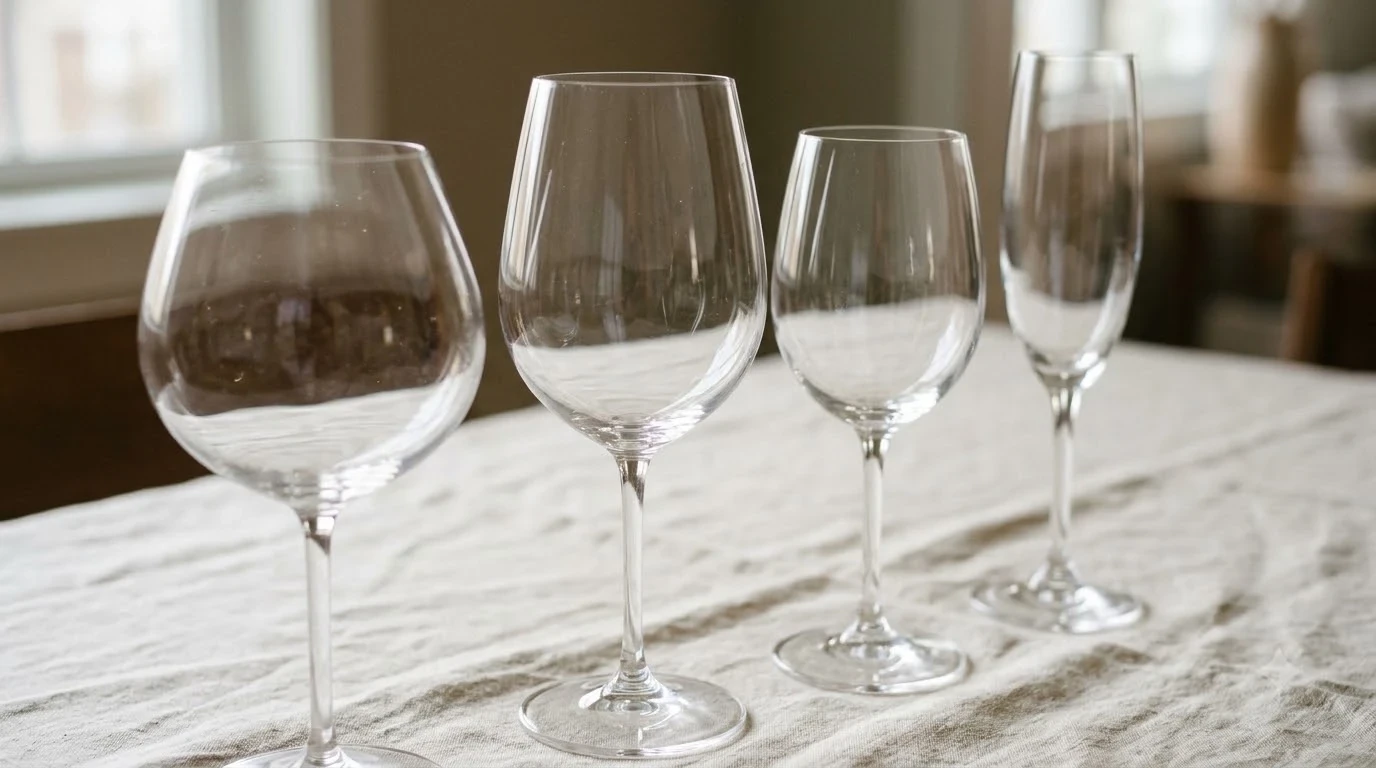
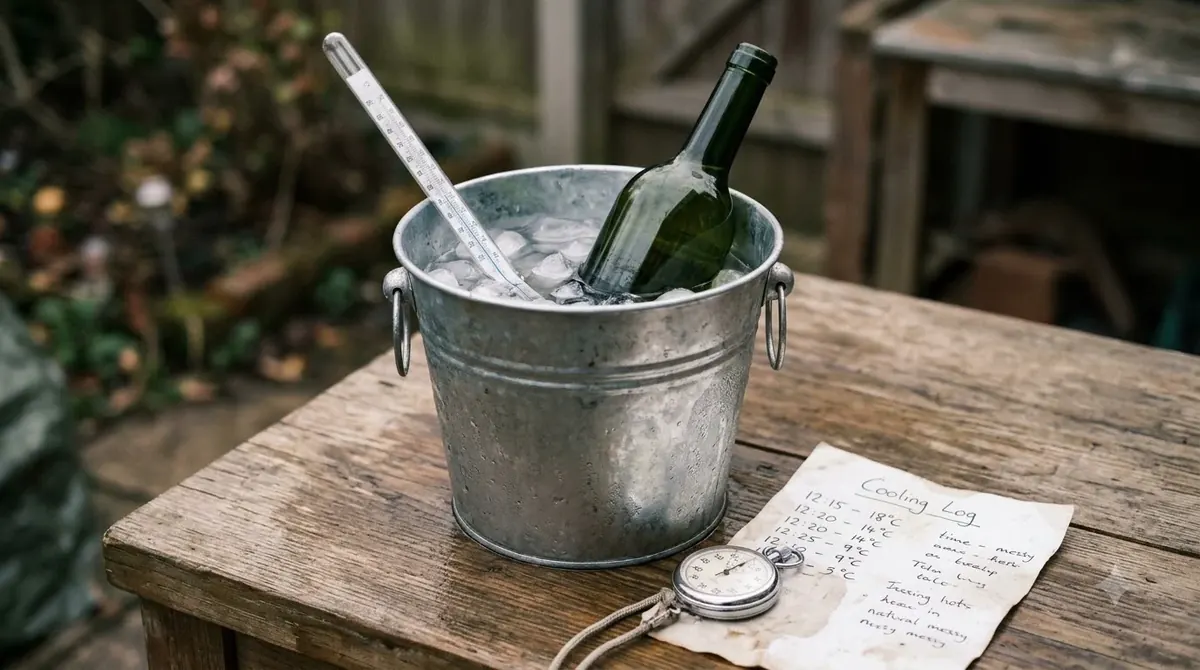
Inexpensive red wines are generally enjoyed slightly cool rather than at room temperature, which can make a warm room taste heavy and alcoholic. A short time in the refrigerator before pouring is a sensible step for most reds of this kind, and it helps keep the fruit forward. Serve it in a standard wine glass, and pour a moderate amount so the wine has room to show its aroma.
Once opened, a red should be recorked and kept in a cool place. Most everyday reds are best within a few days, because the fruit fades and the wine tastes flatter over time. If the bottle is not finished, it can still be used in cooking, which is a practical way to avoid waste.
Cooking With an Everyday Red
An inexpensive red is well suited to cooking, especially in braises, stews and tomato-based sauces, where the wine adds depth and acidity. Use a wine you would be willing to drink, because a poor-tasting wine will not improve a dish. Add it early in the cooking process so the alcohol can cook off and the flavors can settle into the sauce.
Simple dishes such as spaghetti with meat sauce, chili, or a pot roast pair well with a basic red. For a casual dinner, pour a glass beside the meal rather than trying to match it to every course. The aim is a wine that fits the food without drawing attention, and a value red is well suited to that role.
Food Pairings for a Basic Red
A basic red blend works best with foods that are savory and not too delicate. Burgers, pizza, grilled meats and hearty pasta dishes are the most natural matches, because the wine has enough body to stand up to them. Cheese such as cheddar or a mild hard cheese also works well as a simple snack with the glass.
Avoid pairing a light red with very delicate seafood or with dishes that are heavily spiced, because the wine can taste thin or bitter beside them. A red with more fruit and softer tannins is generally easier to match with a wider range of meals, and that is the style most buyers look for in an everyday bottle.
How to Decide Whether a Bottle Suits You
Start with how you plan to use the wine. For cooking and everyday drinking, a value red does the job well if it tastes pleasant on its own. For a dinner party or a gift, a bottle with a clearer producer story and more detailed information may suit better. Think about the people you are serving and whether they prefer a fruitier or a drier red.
If you want to compare a Gallo red with other producers, the Gallo red wine guide on this site is a useful next step, and the wine brands guide lists other producers that sell in the same price range. You can also look at a more distinctive producer such as Antinori red wine to see how a more estate-focused Italian red differs from a mass-market blend.
Price is only one part of the decision. A wine that costs less may still be the right choice for a weeknight dinner, but it should be judged on whether it tastes pleasant with the food you are serving. Many buyers keep two or three bottles on hand: a simple red for cooking and everyday meals, and a slightly more considered bottle for guests. That split keeps the cooking wine from competing with the wine you want to show off, and it avoids wasting a good bottle in a pan.
Frequently Asked Questions
What is Gallo Hearty Burgundy?
It is a red wine from Gallo’s additional brands. The producer’s public pages do not give a detailed profile of its grape blend, alcohol level or flavor, so the bottle label is the best source for those details.
Is Gallo a family-owned company?
Gallo describes itself as a family business. Its website says it celebrated 75 years as a family-owned winery in 2008 and 90 years as a family-owned company in 2023. The company was founded in 1933 in Modesto, California, by Ernest and Julio Gallo.
Should I chill a basic red wine before serving?
A short time in the refrigerator is a common approach for everyday reds, because it keeps the wine from tasting heavy in a warm room. Pour a moderate amount into a standard wine glass and let it sit for a few minutes before drinking.
Can I cook with an inexpensive red wine?
Yes. A basic red works well in braises, stews and tomato sauces. Choose a wine you would be willing to drink, and add it early in the cooking process so the flavors have time to blend.
Gallo Hearty Burgundy is best judged by its label and by how it fits your table, since the producer’s public information on this particular wine is limited. Read the alcohol percentage and origin, serve it cool, and use it for simple meals or cooking. For background on the company, read the Gallo website, which covers its history and family ownership.
More in Wine Brands
 Underwood Wine Price: Compare Bottles, Cans, and Pack SizesUpdated Nov 21, 2026
 Zenato Wine Price: Compare Styles and Choose the Right BottleUpdated Nov 21, 2026
 Zuccardi Wine Price: Compare Bottles and Find the Right RangeUpdated Nov 21, 2026
 Yellow Tail Moscato Review: Taste, Sweetness and Serving TipsUpdated Nov 21, 2026
 Wolf Blass Yellow Label Review: Choose Your Best StyleUpdated Nov 21, 2026
 Wolffer Estate Rose Review: Choose the Right Bottle for Your TableUpdated Nov 21, 2026