

We may earn a commission when you buy through links on this page, at no extra cost to you. Learn more.
frank family red wine includes three distinctive styles: structured Napa Valley Cabernet Sauvignon, bright Carneros Pinot Noir, and spicy Napa Valley Zinfandel. Cabernet Sauvignon is the boldest choice for steak and slow-cooked beef, while Pinot Noir offers brighter red-fruit flavors and gentler tannins. Zinfandel brings ripe fruit, pepper, and a fuller feel that suits grilled meats and savory barbecue.
Frank Family Vineyards has built its Napa Valley reputation around carefully sourced grapes, balanced winemaking, and recognizable varietal character. Its red wines appeal to different preferences, from traditional Cabernet drinkers to people who prefer lighter Pinot Noir or the generous fruit of Zinfandel. Understanding the grapes, vineyard origins, winemaking choices, and serving requirements makes it easier to choose the right bottle for a meal or gathering.
Frank Family Red Wine Styles at a Glance
Frank Family’s red wine range centers on Napa Valley Cabernet Sauvignon, Carneros Pinot Noir, and Napa Valley Zinfandel. Each grape and growing area contributes a different combination of fruit, acidity, tannin, and overall weight.
The first distinction is the grape variety. Cabernet Sauvignon typically produces a structured wine with pronounced tannins and dark-fruit flavors. Pinot Noir generally has lower tannin, higher acidity, and a more delicate red-fruit profile. Zinfandel often offers ripe fruit, noticeable spice, and a generous palate. These differences matter more than simply choosing a wine because its label carries the same winery name.
Geography also helps explain the range. Frank Family’s Napa Valley collection draws from four estate vineyards and neighboring vineyards associated with growers such as Beckstoffer, Red Barn, Quarry, and Sangiacomo. Its Carneros Pinot Noir comes from a cooler area within the broader Napa wine region. The winery’s approach gives customers a chance to compare different varietals without leaving the producer’s portfolio.
The following comparison outlines three representative bottlings. The figures refer to their stated vintages rather than fixed specifications for every future release, so grape composition and alcohol levels may change between harvests.
| Wine | Grape composition | Style and character | Alcohol |
|---|---|---|---|
| 2023 Napa Valley Cabernet Sauvignon | 86% Cabernet Sauvignon, 8% Merlot, 6% Petit Verdot | Full-bodied, dark fruit, firm tannins | 14.5% |
| 2023 Carneros Pinot Noir | Pinot Noir | Bright raspberry, cherry, spice, lighter tannin | 14.5% |
| 2023 Napa Valley Zinfandel | 90% Zinfandel, 10% Petite Sirah | Dark plum, baked strawberry, pepper, firm tannin | 14.8% |
These wines provide useful starting points for comparing the producer’s style. Cabernet is the natural place to begin for someone who prefers traditional Napa reds, while Pinot Noir works for a more restrained red-wine experience. Zinfandel provides an appealing alternative for drinkers who enjoy fruit-forward wines with spice and substantial body.
The winery also produces Chardonnay and other white and sparkling styles. Readers comparing its red range with its white selections can explore the Frank Family white wine collection and the separate Frank Family Chardonnay tasting notes.
Napa Valley Cabernet Sauvignon: Structure and Dark Fruit
Frank Family Napa Valley Cabernet Sauvignon is the strongest choice for drinkers who enjoy full-bodied red wine, dark-fruit flavors, and defined tannins. Its 2023 blend combines three grape varieties to balance Cabernet’s structure with additional softness and depth.
The 2023 bottling contains 86% Cabernet Sauvignon, 8% Merlot, and 6% Petit Verdot. Cabernet provides the wine’s central structure and characteristic tannin. Merlot contributes suppleness, while Petit Verdot adds color and additional structure. The result is a blend rather than a single-variety Cabernet, even though Cabernet accounts for the overwhelming majority of its composition.
The winery’s tasting description identifies cassis, tobacco, and cocoa among the opening aromas. Coffee bean, nutmeg, and toasted oak add further layers on the palate. These flavors help explain why the wine works particularly well alongside dishes with roasted, grilled, or braised characteristics. Its dark-fruit character also makes it an appropriate match for food seasoned with rosemary, black pepper, or other savory herbs.
Oak treatment contributes another dimension. Frank Family states that its Napa Valley Cabernet Sauvignon, along with its Napa Valley Chardonnay and Pinot Noir, spends time in French oak divided into three equal portions: one-third new barrels, one-third once-used barrels, and one-third twice-used barrels. New oak adds stronger toasted and spice characteristics, while previously used barrels provide a gentler influence. This combination helps keep oak from overwhelming the fruit and varietal character.
The 2023 Cabernet contains 14.5% alcohol and received 94-point ratings from both Decanter and James Suckling, according to the winery. Decanter’s review describes the wine as structured and full of dark-fruit, savory, and earthy characteristics. Its individual Frank Family 2023 Cabernet Sauvignon listing also identifies it as a dry, full-bodied red.
Cabernet Sauvignon naturally has high tannin, making it a good candidate for dishes with substantial protein and fat. Grilled rib-eye, beef tenderloin, braised short ribs, and lamb provide enough savory intensity to stand up to the wine’s structure. Salt and fat also soften the impression of tannin, which is one reason rich meat dishes often work more successfully than delicate foods.
For a first purchase, the regular Napa Valley Cabernet Sauvignon makes a useful introduction. Drinkers who already appreciate structured Napa wines may also want to explore the producer’s more specialized bottlings as a way to compare vineyard character and blending decisions.
Carneros Pinot Noir: Bright Fruit and Gentler Tannin
Frank Family Carneros Pinot Noir suits drinkers who want a red wine with lively acidity, red and black fruit, and a lighter tannin profile than Cabernet Sauvignon. Its raspberry, cherry, and spice characteristics offer a different expression of the producer’s Napa-area vineyards.
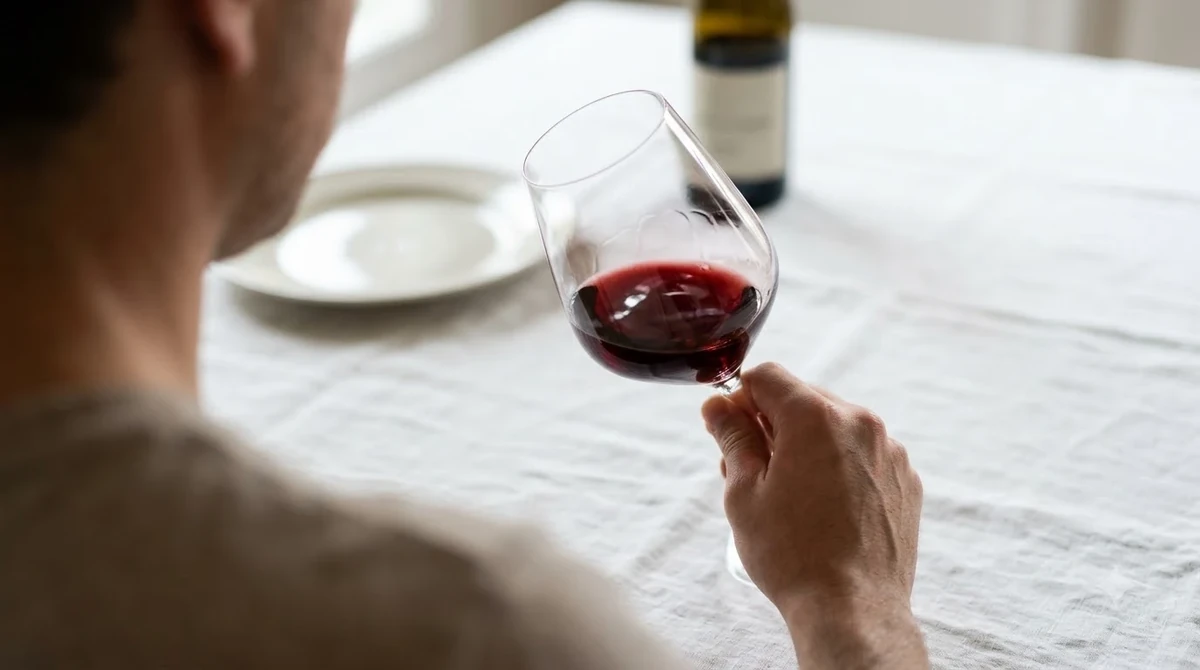
The 2023 Carneros Pinot Noir is described through tangy raspberry, juicy black cherry, cardamom, clove, and black pepper. Bright acidity provides freshness, while a lighter touch of tannin gives the wine a more approachable texture than a typical high-tannin Cabernet. These details make it a good option for meals that benefit from red-wine flavor without the heavier structure of a powerful Cabernet.
Carneros is particularly relevant to the style. Located within the southern Napa and Sonoma wine-growing area, it is associated with conditions that support Pinot Noir and Chardonnay. Frank Family’s 2023 Pinot Noir records a pH of 3.45 and acidity of 5.9 grams per liter. These technical details complement the winery’s description of a fresh, balanced wine rather than a soft, low-acid red.
The winery also describes the Carneros bottling as lively, focused, and well-balanced. The fruit and spice combination gives it enough character for roasted chicken, pork tenderloin, duck, and dishes prepared with mushrooms or herbs. Compared with Cabernet, the wine generally needs less time to open in the glass, and a shorter period of chilling can help preserve its freshness.
An independent reference provides additional context. Wine Enthusiast awarded the 2022 Frank Family Carneros Pinot Noir 90 points. Its review identifies cranberry, spice, red cherry, fresh berries, savory herbs, and an earthy finish, supporting the broader impression of a fruit-driven wine with an appealing savory side. The review concerns the 2022 vintage, so it should be treated as a separate assessment rather than a rating of the 2023 bottle.
Pinot Noir has lower-to-medium tannin and high acidity compared with Cabernet Sauvignon. That combination makes it more adaptable to poultry, pork, mushroom dishes, and moderately rich preparations. A roast chicken with herbs, for example, will usually be a more natural partner than a very heavily charred steak.
For serving, try a temperature of 55–60°F. This is cooler than the range used for a full-bodied Cabernet, helping the fruit and acidity remain clear. Excessive chilling can mute the aromas, so avoid serving the bottle directly from a very cold refrigerator. A little time in the glass allows the wine’s raspberry, cherry, and spice notes to emerge.
Napa Valley Zinfandel: Plum, Spice, and Ripe Fruit
Frank Family Napa Valley Zinfandel offers a generous alternative to Cabernet Sauvignon and Pinot Noir, with ripe fruit, pronounced spice, and firm tannins. Its 2023 blend combines Zinfandel with Petite Sirah, adding another layer of structure to the grape’s naturally expressive fruit character.
The 2023 bottling is composed of 90% Zinfandel and 10% Petite Sirah. The winery describes an aromatic profile of dark plum, raspberry coulis, and sandalwood. The palate brings baked strawberry, dried herbs, and ground pepper, with fine acidity and ripe, firm tannins contributing to a persistent finish. It is a particularly useful style for drinkers who want a red with both fruit intensity and savory detail.
Petite Sirah plays an important supporting role in the blend. Zinfandel supplies the main fruit and recognizable spicy character, while Petite Sirah contributes additional color and structure. Although the blend is predominantly Zinfandel, the supporting grape means the wine should not be assumed to have precisely the same texture as a single-varietal Zinfandel from another producer.
The 2023 wine has an alcohol content of 14.8%, slightly higher than the 14.5% listed for the representative Cabernet and Pinot Noir bottles in this comparison. Alcohol contributes to the wine’s full impression and warmth, particularly when served too close to room temperature in a warm dining room. A modest serving temperature helps maintain balance between ripe fruit, spice, and alcohol.
Frank Family’s Zinfandel has a natural connection with grilled food. Smoked pork, grilled sausages, beef burgers, and New York strip steak all have enough flavor to meet the wine’s concentrated fruit and savory character. A moderate dry rub containing pepper, garlic, and herbs can be particularly effective because the seasoning reinforces the wine’s own aromatic profile.
Barbecue requires a little more care. Savory smoke, browned meat, and moderately sweet sauces can suit Zinfandel, but a heavily sweet sauce may make a dry wine seem sharper or less harmonious. The general pairing rule is that wine should be at least as sweet as the dessert or sweet dish. For strongly sweet preparations, this dry-style red is not necessarily the right choice.
One additional consideration is chili heat. Zinfandel’s alcohol and firm tannins can make hot peppers feel more intense, especially in food with strong chili oil or concentrated hot sauce. For spicy barbecue, reduce the chili level and emphasize smoky, savory, and herb-based flavors instead.
The winery’s 2023 release received 93 points from James Suckling. That assessment, together with its pronounced plum and berry character, makes it a useful choice for people who enjoy a broad, generous red wine rather than a very delicate or restrained style.
Food Pairings for Frank Family Red Wine
The most successful food pairing depends on the grape’s tannin, acidity, body, and fruit profile. Cabernet Sauvignon usually needs richer food, Pinot Noir suits more delicate dishes, and Zinfandel works well with savory grilled flavors.
Cabernet Sauvignon with steak and braised beef
Cabernet’s high tannin makes it particularly effective with beef that has substantial protein and fat. Rib-eye, grilled strip steak, braised short ribs, and lamb chops are useful starting points. A browned crust, a little salt, and herbs such as rosemary or thyme help connect the food’s savory notes to the wine’s cassis, tobacco, and oak characteristics.
Slow-cooked short ribs provide another especially good match. The texture and concentrated flavor of the braised meat can stand up to Cabernet’s full body. Creamy polenta, roasted potatoes, and mushrooms offer complementary sides without competing with the wine’s dark-fruit profile. A rich beef dish will generally work better than a delicate fish preparation with a structured Cabernet.
Pinot Noir with poultry and mushrooms
Carneros Pinot Noir’s higher acidity and lower-to-medium tannin make it more flexible with moderately rich food. Roast chicken, duck, grilled pork, mushroom risotto, and herb-roasted turkey all offer sensible combinations. Mushroom dishes can be particularly effective because their savory, earthy characteristics complement Pinot Noir’s fruit and spice.
When preparing a meal with butter, creamy sauce, or roasted vegetables, the wine’s acidity can help keep the overall combination balanced. Acidic foods need a wine with equal or higher acidity; otherwise, the wine can seem flat beside the dish. A bright vinaigrette or very acidic tomato-based preparation therefore deserves more care than a simple roasted vegetable side.
Zinfandel with barbecue and savory grilling
Zinfandel’s dark fruit, pepper, and fuller texture suit New York strip steak, grilled pork shoulder, smoked sausages, and moderately seasoned burgers. Roasted peppers, caramelized onions, and smoky mushrooms are also sensible options. Keep barbecue sauces savory or moderately sweet rather than excessively sugary so the dry red retains its balance.
Serving all three wines at the same dinner can work when the menu includes different courses. Start with Pinot Noir alongside poultry or mushroom appetizers, then move to Cabernet Sauvignon with beef or lamb. Zinfandel can take the place of Cabernet if the main dish centers on smoky grilled meats and the diners prefer ripe fruit and spice.
Do not forget the distinction between a red wine and a white wine pairing. For delicate seafood or preparations centered on citrus and fresh herbs, a white wine may be more suitable. Readers comparing the family’s wines for different courses can also consult the Frank Family Chardonnay food pairing suggestions.
Finally, avoid assuming that every cheese or dessert works equally well with every red. Salt and fat can soften tannin, so aged cheddar and other savory cheeses can pair successfully with Cabernet. A very sweet dessert, however, usually calls for a wine that is at least as sweet as the food rather than a dry Cabernet, Pinot Noir, or Zinfandel.
Serving Temperature, Decanting, and Storage
Serving temperature and proper storage can make a noticeable difference to the experience of Frank Family red wines. A full-bodied Cabernet or Zinfandel generally belongs around 60–65°F, while Carneros Pinot Noir is usually better at 55–60°F.
A common mistake is serving every red wine at ordinary room temperature. Modern indoor rooms can be considerably warmer than the ideal range for red wine, especially during summer or when a meal is being served in a heated dining room. Excessive warmth can make alcohol more obvious and reduce the impression of freshness. A short period in the refrigerator before serving can correct this without making the wine excessively cold.
For a practical comparison, use the following temperature guidelines:
| Wine style | Serving temperature | Practical approach |
|---|---|---|
| Light-bodied red, including Pinot Noir | 55–60°F | Serve slightly cool |
| Full-bodied red, including Cabernet Sauvignon | 60–65°F | Allow a short warming period after chilling |
| Fuller, ripe red styles such as Zinfandel | 60–65°F | Avoid serving too warm |
Decanting can help a young full-bodied Cabernet Sauvignon open before drinking. A period of approximately 30–60 minutes in a decanter gives the wine more contact with air and may soften the immediate impression of firm tannins. Zinfandel can also benefit from a little breathing time when its aromas seem closed. Pinot Noir generally needs less aggressive aeration, and extended decanting is rarely necessary for an approachable bottle.
Use a standard pour of 5 ounces when serving wine. A 750 ml bottle generally provides approximately five glasses at that serving size. This gives everyone enough wine to assess the aromas and flavor while leaving room for the wine to develop in the glass. Larger pours can make it harder to appreciate the more delicate aromatic details of Pinot Noir.
Tip: For a young Napa Valley Cabernet, open the bottle 30–60 minutes before the meal. Serve it at approximately 60–65°F and taste a small pour before deciding whether it needs more time in the decanter.
Storage is just as important as serving temperature. Keep unopened bottles in a cool, dark location near 55°F, away from strong temperature changes and direct sunlight. Bottles sealed with traditional corks should generally be stored on their sides so the cork remains in contact with the wine. Avoid storing bottles beside ovens, heating equipment, or appliances that create vibration.
After opening, place the remaining still wine in the refrigerator and reseal it properly. Frank Family Cabernet Sauvignon, Pinot Noir, and Zinfandel generally follow the normal storage guidance for still red wine: approximately three to five days in the refrigerator. Remove the bottle before serving and allow it to approach the appropriate temperature again. If the wine develops unpleasant aromas or loses its freshness, it is better not to continue serving it.
Frequently Asked Questions
The following answers cover specific harvest details, technical figures, and winery information for Frank Family’s 2023 Cabernet Sauvignon, Carneros Pinot Noir, and Napa Valley Zinfandel.
When was the 2023 Frank Family Cabernet Sauvignon harvested?
The winery records the 2023 Napa Valley Cabernet Sauvignon harvest as October 8 through November 9, 2023. This period covers the picking dates for the fruit used in that particular vintage.
What were the harvest dates for the 2023 Carneros Pinot Noir?
Frank Family records a harvest window of September 21 through October 11, 2023, for its Carneros Pinot Noir. The earlier portion of this period distinguishes its harvest schedule from the later dates recorded for the 2023 Napa Valley Cabernet.
When was the 2023 Napa Valley Zinfandel harvested?
The winery lists October 5 through October 27, 2023, as the harvest dates for the 2023 Napa Valley Zinfandel. This is a specific record for that vintage, not a standard picking schedule that necessarily applies to every subsequent release.
What is the pH of Frank Family’s 2023 Carneros Pinot Noir?
The winery lists a pH of 3.45 for the 2023 Carneros Pinot Noir. Its published total acidity measurement is 5.9 grams per liter, providing additional technical information about the wine’s acid structure.
Where is Frank Family Vineyards located?
The winery’s tasting room is at 1091 Larkmead Lane, Calistoga, California 94515. The winery requires reservations for visits, and visitors must be at least 21 years old.
Frank Family’s red wines offer three different ways to enjoy Napa-area winemaking: structured Cabernet Sauvignon, bright Carneros Pinot Noir, and fruit-forward Napa Valley Zinfandel. Start with the grape that best suits the meal, then consider vintage, alcohol level, and serving temperature to get the most from the bottle. Whether the occasion calls for a steak dinner or a relaxed barbecue, choosing the appropriate style makes the experience more rewarding.
More in Wine Brands
 Underwood Wine Price: Compare Bottles, Cans, and Pack SizesUpdated Nov 21, 2026
 Zenato Wine Price: Compare Styles and Choose the Right BottleUpdated Nov 21, 2026
 Zuccardi Wine Price: Compare Bottles and Find the Right RangeUpdated Nov 21, 2026
 Yellow Tail Moscato Review: Taste, Sweetness and Serving TipsUpdated Nov 21, 2026
 Wolf Blass Yellow Label Review: Choose Your Best StyleUpdated Nov 21, 2026
 Wolffer Estate Rose Review: Choose the Right Bottle for Your TableUpdated Nov 21, 2026