

We may earn a commission when you buy through links on this page, at no extra cost to you. Learn more.
The best Frank Family Chardonnay food pairing centers on roast chicken, lobster or scallops with butter, creamy pasta, and mushroom dishes, because the wine’s round, oak-influenced texture and fresh acidity match rich, savory food. The Carneros bottling is barrel fermented in French oak and goes partly through malolactic fermentation, so it carries more body than a lean unoaked Chardonnay. That structure is why it handles butter and cream so well. Very spicy food, sharp acidic ingredients, and sweet dishes are the three combinations that throw its balance off.
Frank Family makes its Chardonnay from Carneros fruit, and the wine sits in a middle position that suits a wide range of dinners. It is richer and rounder than a crisp coastal Chardonnay, yet it is not as heavy as the most buttery California bottles. Understanding that position is the key to choosing dishes. This guide explains how the winemaking shapes the glass, which foods match its profile, where it struggles, and how to serve it so that the food and wine support each other at the table. Most of the advice applies to oak-aged Chardonnay in general, but the specifics come from the winery’s own technical information and published pairing guidance, so you can plan the menu around this particular bottle.
What Makes Frank Family Chardonnay Different at the Table
This Carneros Chardonnay is built around texture and balance, so it pairs best with dishes that bring their own richness and a little acidity to lift them.
The winery’s technical notes describe a wine that leads with zesty lemon and guava aromas, softened by vanilla and caramel-covered apple, with hints of nutmeg, crème brûlée and toasted oak. On the palate, those flavors sit on fresh acidity that gives the finish a bright lift. That mix of tropical fruit and toasted richness is why the wine can bridge a lighter fish course and a heavier main without feeling out of place.
The wine also has a clear sourcing story. According to the winery, the foundation comes from its own Lewis Vineyard in Carneros, with additional fruit from Beckstoffer Vineyards in Napa-Carneros and Sangiacomo Vineyards in Sonoma-Carneros. The finished wine is 14.4% alcohol with a pH of 3.52 and total acidity of 0.58 grams per 100 milliliters. Those numbers suggest enough acidity to cut through butter and cream without turning sharp beside a delicate dish. If you want the full sensory breakdown before planning the menu, the frank family chardonnay tasting notes cover aroma and palate in more depth, while this article focuses on what those flavors do with food.
How Oak and Malolactic Fermentation Shape the Pairing
Oak and malolactic fermentation decide whether a Chardonnay acts as a creamy partner for a rich sauce or as a clean counterpoint to a light plate, so they are the first things to check.
According to Wine Folly’s Chardonnay education page, malolactic fermentation is a process in which bacteria convert sharp malic acid into softer lactic acid, which creates a creamier, less acidic texture. A byproduct called diacetyl adds the buttery aroma people associate with the style. The same source notes that oak adds vanilla, a creamy character from lactones, and a hint of clove-like spice. Frank Family’s Carneros Chardonnay goes through only partial malolactic fermentation, so it keeps more of its fresh edge than a fully buttered style, which is why it works with lighter sauces as well as rich ones.
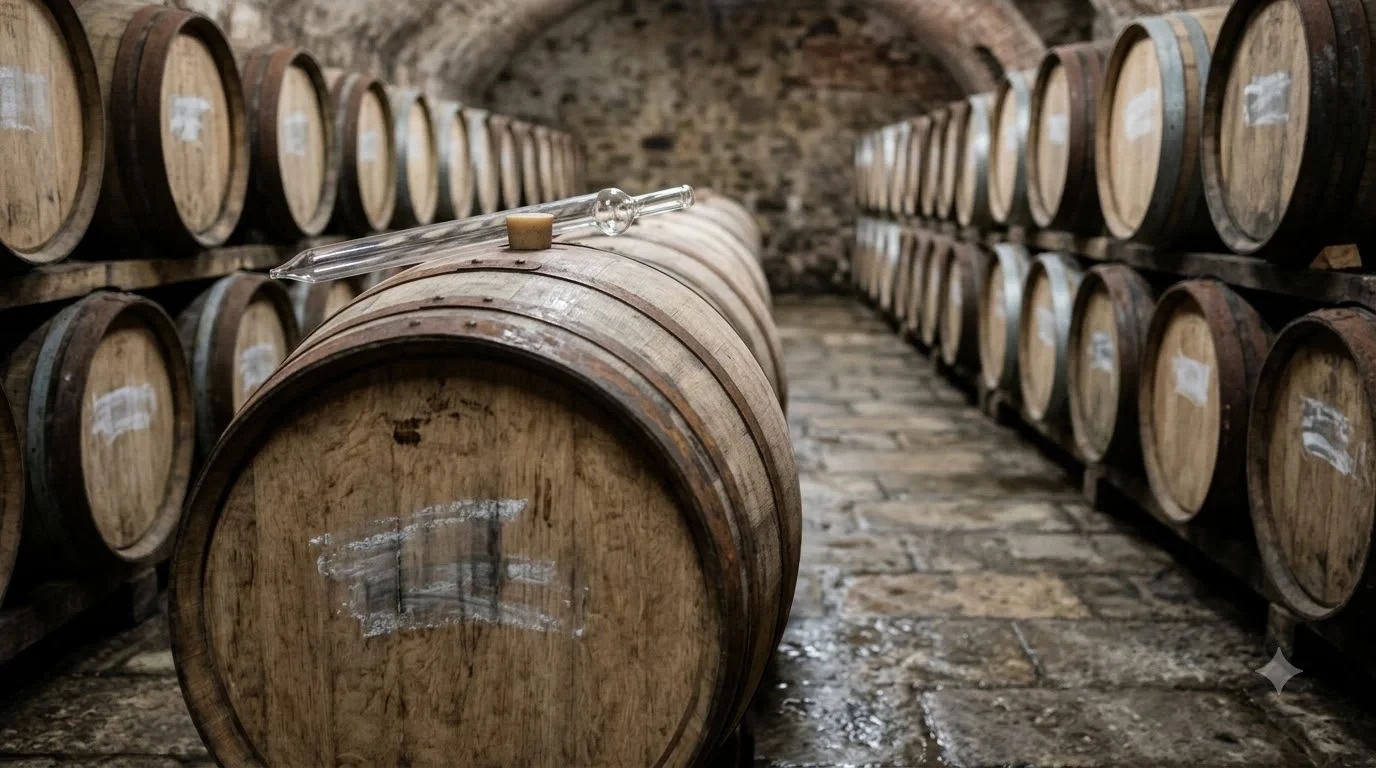
The barrel program matters too. The winery reports that the wine is barrel fermented in a mix of new French oak, once-filled and twice-filled barrels, followed by nine months of aging. Newer barrels contribute more toast and vanilla, while older barrels give the wine texture with less oak flavor. Wine Folly points out that light toast brings delicate notes, medium toast adds baking spices, and heavy toast gives deeper toasted flavors, so a blend of barrel ages keeps the oak present without letting it dominate. The winery also stirs the lees by hand during aging, a practice called bâtonnage that adds a silky mouthfeel and biscuit or brioche notes. That texture is the main reason the wine reads as creamy even when the sauce on the plate is light.
Use the table below as a quick way to compare how each style behaves with food. The alcohol figures come from published guidance on the style, and the Frank Family row uses the winery’s own specifications.
| Style | Body and acidity | Typical alcohol | Dishes that fit |
|---|---|---|---|
| Lean, unoaked | Light to medium body, high acidity | 12% to 13.5% | Oysters, sushi, sautéed fish |
| Rich, oak-aged | Fuller body, creamy texture, moderate acidity | Up to 14.5% to 15% | Crab cakes, halibut, pork tenderloin with apples |
| Frank Family Carneros | Full, creamy, fresh acidity (pH 3.52, total acidity 0.58 g/100 ml) | 14.4% | Roast chicken, lobster with butter, creamy pasta, mushroom risotto |
Read these numbers the way a cook would. Higher alcohol and more oak mean a wine can stand up to rich dishes, while fresh acidity keeps it lively beside butter. Richer, lower-acid food needs body to match it, and bright, sharp food needs enough acid to stay in balance. Readers who want a point of comparison from another oak-aged California house can read cakebread chardonnay food pairing for a side-by-side view of the same approach.
Poultry and Pork Dishes That Suit the Wine
Roast chicken, pork tenderloin and creamy poultry dishes are the most dependable matches because they share the wine’s round texture and give it a savory backdrop.
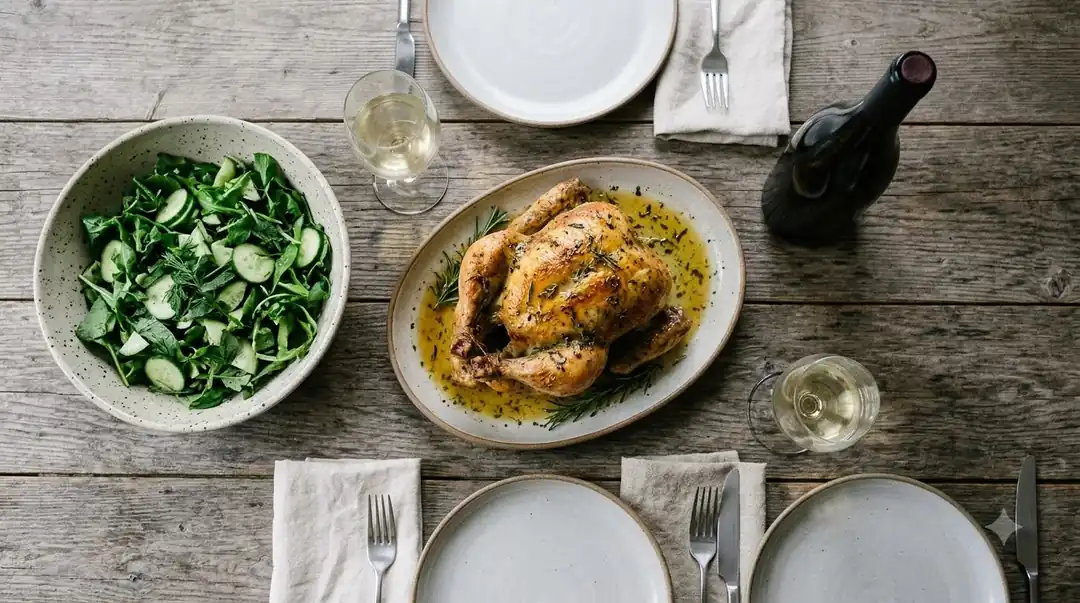
Capstone’s California Chardonnay food guide says the wine is best matched with foods that its round, full, silky character enhances, and it names milder poultry such as chicken, turkey and quail, along with white meats like veal and pork. For a simple weeknight plan, roast a whole chicken with garlic, thyme and softened butter under the skin, and spoon the pan juices over the meat. The butter and roasted fat echo the wine’s creamy side, while its fresh acidity keeps the meal from feeling heavy.
Pork Tenderloin With Apples
Wine Folly lists pork tenderloin with apples among the dishes that suit fuller, oaked Chardonnay. Pan-seared pork with sliced apples cooked in butter and a splash of cider brings out the baked apple and caramel character that runs through the Carneros wine, which the winery describes with caramel-covered apple notes. Keep the sauce gentle. A cider pan sauce with a little thyme keeps the balance and leaves the fruit in view.
Braised Chicken and Cream-Based Dishes
Capstone notes that moderately oaked, medium-weight Chardonnay suits plank roasting, slow braising and gentle stewing, so braised chicken thighs with mushrooms and cream fit the style well. Slow cooking keeps the meat tender, and a cream sauce mirrors the wine’s texture rather than fighting it. Choose soft herbs such as tarragon or parsley, and skip heavy spice rubs, which can overwhelm the oak.
Seafood and Shellfish Matches
Lobster, scallops, prawns and halibut suit this wine best when the sauce contains butter, because the richer the sauce, the more the wine’s texture can meet it.
Capstone describes lobster, scallops, prawns and shrimp as time-honored partners for Chardonnay, especially with drawn butter or a cream or butter sauce. A classic example is lobster with melted butter, where the wine mirrors the richness and its citrus notes add lift. Scallops seared in brown butter follow the same logic, with the wine’s toasty notes lining up with the caramelized edges of the scallops. Halibut, which Wine Folly lists among oaked-style partners, works well with a light butter-and-herb finish.
Oysters and mussels call for a different approach. Capstone advises choosing unoaked, cooler-climate styles for mussels and most oysters, because the oak in a fuller Chardonnay can clash with their briny, mineral character. Save this Carneros bottling for cooked shellfish and keep a lean style for raw dishes. The same principle applies to citrus. A light squeeze of lemon is fine on halibut, but very sharp ingredients dull an oak-aged Chardonnay, so skip acid-heavy vinaigrettes and capers on the side. For a leaner companion for raw seafood, see kendall jackson chardonnay food pairing, which covers unoaked options in more detail.
Pasta, Risotto, and Cheese Pairings
Creamy pasta, mushroom risotto and soft, mild cheeses are reliable partners, with pungent and high-acid cheeses as the main exception.
Capstone identifies pastas, risotto and other starches as a textural backdrop that works well with many Chardonnays, and it lists butter, cream and melted cheeses among the ingredients that match the wine. Wine Folly suggests linguini with clams for fuller, oaked styles. A clam sauce built on white wine and butter brings out the wine’s buttery notes, while the clams add a briny sweetness. For a vegetarian option, mushroom risotto made with butter and a modest amount of Parmesan works well, since Capstone notes that mild white mushrooms, especially when sautéed in butter, suit Chardonnay.
For cheese, Capstone recommends smooth, unaged Brie, a nutty Swiss Emmental, a French Comté, or a mild and creamy Teleme. Pungent cheeses and high-acid options such as goat cheese fight the wine’s texture, so leave them off the board. Toasted nuts round out the course. Capstone notes that nuts, especially toasted ones, are a natural partner for Chardonnay, and a handful of toasted almonds or hazelnuts over a pan of pasta or roasted squash adds a nice echo of the wine’s flavors.
Dishes and Flavors to Avoid
Very spicy food, sharp acidic ingredients and sweet dishes are the three areas where this Chardonnay loses its balance, and each one has a simple workaround.
Heat is the biggest problem. Capstone’s California Chardonnay study guide explains that capsaicin, the compound in chili peppers, overwhelms the wine’s subtlety and accentuates both the oak and the alcohol. A plate of Thai green curry or a chili-heavy salsa will make a 14.4% wine taste hotter and woodier than it is. The workaround is to pour a crisp, unoaked white for those dishes and keep the Carneros bottling for roast meats, butter sauces and mild shellfish.
Sharp ingredients come next. The same guidance notes that most oak-aged Chardonnay is diminished by leeks, olives, asparagus, capers, zucchini, tomatoes and broccoli rabe. These are not off-limits, but they should not be the element the wine has to carry. A tomato-heavy sauce or a caper-laden piccata pushes the wine’s acidity into a sour zone, so choose a creamy or butter-based version of the same dish instead. Unoaked, sharper Chardonnay handles these vegetables far better, which is one more reason to keep two styles on hand.
Sweetness is the third issue. Oak, Chardonnay and sugar together do not make a happy combination, and Capstone warns against sweet dishes such as a sweet Thai coconut curry. Dessert is a separate question altogether. This is a dry wine, so it should not be asked to match sweet desserts, and a sugary glaze on the main course has the same effect. Keep the glaze simple, or swap it for fresh herbs and pan juices, to keep the wine in its comfort zone.
Serving Temperature, Glassware, and Storage
Serve this Chardonnay around 50 to 55 degrees Fahrenheit, a little warmer than the 45-degree range that suits lean styles, so the oak and creamy texture come forward without the wine feeling heavy.
Wine Folly recommends about 45 degrees for leaner styles and about 55 degrees for oaked ones, and it puts the full range for Chardonnay at roughly 45 to 55 degrees. If the bottle has been chilling hard, take it out of the refrigerator a few minutes before pouring. A glass that is too cold mutes the texture that makes this wine work with butter and cream. Glassware matters a little too. An aroma collector glass suits oaked styles, while a universal white wine glass is a good choice for leaner bottles.
Decanting is rarely needed for a young Chardonnay. Pour five ounces per glass, which means a 750-milliliter bottle yields about five glasses. Once opened, keep the wine corked and refrigerated. Still whites generally hold for three to five days, which is enough time to finish the leftovers from a weekend dinner. Unopened bottles keep best stored on their sides in a cool, dark place near 55 degrees.
Tip: If the menu includes one very spicy dish, pour a crisp, unoaked white for that course and bring out the Carneros bottling for the roast or the butter-sauced plate. Serving the two wines in that order keeps both glasses in balance across the meal.
Frequently Asked Questions
Is Frank Family Chardonnay sweet?
Wine Folly classifies Chardonnay as dry, with medium body, no tannins and medium acidity. This oak-aged style is built on acidity and texture rather than sugar, so it pairs with savory food. Keep it away from sweet desserts.
Which vegetarian dishes suit this Chardonnay?
Wine Folly suggests vegetarians lean toward rich or starchy vegetables such as corn, pumpkin and squash, and it calls mushrooms a must with Chardonnay. Those ingredients give the wine’s creamy texture a natural match without heavy meat. A squash risotto or a buttery corn side is a good place to start.
Does this Chardonnay work with Chinese food?
Capstone lists Chinese prawns with cashews, macadamia-crusted fried chicken and fillet of sole almandine as good options for Chardonnay with almond and hazelnut notes. Choose mild, nut-based dishes over fiery Sichuan preparations. The nut flavors in those plates give the wine a familiar echo.
How long can this Chardonnay age?
Wine Folly lists five to ten years as a typical cellar window for Chardonnay. The finest examples of any style can develop nutty and mushroom-like aromas as they age. When an older bottle shows those notes, pair it with roasted mushrooms or a simple chicken dish rather than with bright citrus.
Where does the buttery flavor in Chardonnay come from?
Wine Folly attributes the buttery aroma mainly to diacetyl, a compound produced during malolactic fermentation. The intensity varies with the bacteria and the winemaking conditions, so two bottles of the same style can taste noticeably different. Check the producer’s notes for the malolactic approach when you want a richer or leaner profile.
Frank Family Chardonnay rewards diners who treat it as a serious partner for butter, roast meats and cream sauces. Keep the strongest spice and sharpest vinaigrettes on the other side of the table, and serve the wine cool enough to keep its freshness. Build the rest of the meal around those few rules, and the pairing will hold up.
More in Wine Brands
 Louis Latour Wine Price: Compare Bottles by Style and TierUpdated Nov 20, 2026
 Yellow Tail Moscato Price: What to Expect Before You BuyUpdated Nov 20, 2026
 Sutter Home Sweet Red Review: Find the Right Food PairingsUpdated Nov 20, 2026
 Franzia Chillable Red Review: Find the Right Serving StyleUpdated Nov 20, 2026
 Veuve Clicquot Rose Review: Flavor, Food Pairings and Buying AdviceUpdated Nov 20, 2026
 Rombauer Wine Price: Compare Bottles Before You BuyUpdated Nov 20, 2026