

We may earn a commission when you buy through links on this page, at no extra cost to you. Learn more.
Petite Sirah vs Zinfandel comes down to tannin, texture, and fruit character: Petite Sirah is generally darker, firmer, and more structured, while Zinfandel is fruitier, softer, and often more jammy. Both are popular California red wines, but they deliver different experiences in the glass. Petite Sirah suits drinkers who enjoy concentrated blackberry flavors and gripping tannins, whereas Zinfandel is a strong choice for those who prefer ripe berries, peppery spice, and a generous finish. Understanding their differences makes it easier to choose a bottle for dinner, a barbecue, or an evening of relaxed drinking.
These grapes also have an interesting relationship. Petite Sirah frequently appears as a blending partner in California Zinfandel, adding color and tannin to wines that might otherwise feel softer and more fruit-driven. Despite their shared place in California wine culture, their origins, vineyard characteristics, and typical winemaking approaches are quite different. Here is how to compare them by flavor, structure, alcohol, regional expression, serving temperature, and food compatibility.
Grape Origins and California Wine History
Petite Sirah and Zinfandel have different European histories, even though California became their most recognizable home. Petite Sirah originated as Durif in France, while Zinfandel has historical roots in Croatia and became closely associated with California during the nineteenth century.
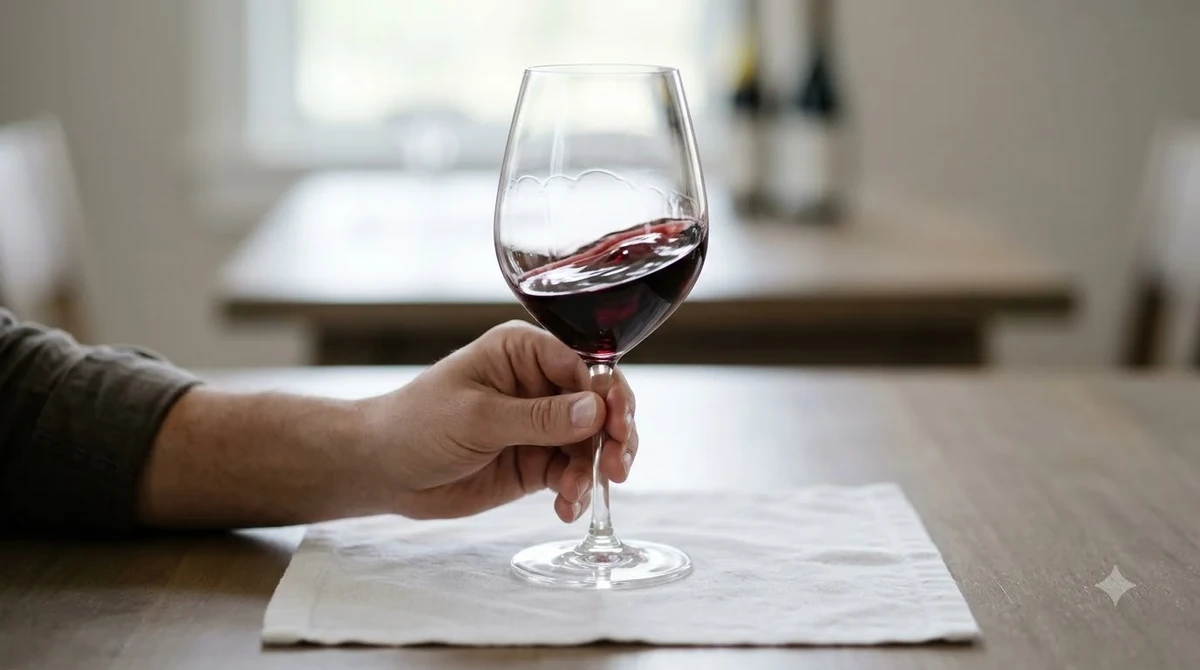
Petite Sirah is not simply a smaller version of Syrah. It is a distinct grape variety created through a natural crossing of Syrah and Peloursin. According to Wine Enthusiast, French botanist François Durif developed the variety during the nineteenth century, and DNA fingerprinting at the University of California, Davis, later confirmed its parentage. Its name eventually became associated with the man who developed it.
California growers began planting the grape during the 1880s. The name Petite Sirah also became associated with other dark-skinned grape varieties in early California vineyards, which helps explain some historical confusion surrounding the variety. Genetic research eventually helped distinguish true Durif from those other plantings.
The variety found a useful role in California because of its intense color and firm tannins. Historically, winemakers used it to strengthen red blends, particularly wines that needed deeper color and additional structure. Its ability to contribute these qualities helped establish its reputation as a blending grape before single-varietal bottlings became more widely recognized.
Wine Enthusiast identifies Concannon Vineyard in Livermore Valley as the producer claiming the first single-varietal Petite Sirah bottling, released in 1961. Today, the grape appears in California regions including Lodi, Paso Robles, the Sierra Foothills, Livermore, and Santa Barbara.
Zinfandel has a different background. Its genetic identity is connected to the Croatian grape Crljenak Kaštelanski, and it is known as Primitivo in Italy. Although these names refer to the same grape variety, growing conditions and winemaking choices create substantial differences between the resulting wines.
California Zinfandel expanded during the nineteenth-century Gold Rush and became an important part of the state’s wine-growing history. The grape thrives in warm, dry conditions and is particularly associated with Napa Valley, Sonoma County, Lodi, Mendocino County, and the Sierra Foothills.
Its uneven ripening creates a distinctive challenge. Individual berries within a cluster can reach different stages of maturity, meaning a single harvest may contain both fresh and overripe fruit. This helps explain why Zinfandel can show fresh raspberry alongside raisin, dried fig, or jammy blackberry.
For readers comparing other varieties with similar names and overlapping characteristics, understanding Wine vs Wine comparisons can also clarify why grape identity matters more than a familiar-sounding name.
Flavor Profiles, Aromas, and Texture
Petite Sirah typically emphasizes dark fruit, chocolate, and powerful structure, while Zinfandel leans toward ripe red and black berries, baking spices, and sometimes sweet-smelling oak. Both are aromatic, full-flavored red wines, but their textures are noticeably different.
Petite Sirah commonly displays blackberry, blueberry, black plum, and black currant. Dark chocolate, espresso, licorice, and black pepper can add complexity. Some bottles also reveal violet, tobacco, smoke, or earthy notes, particularly with additional bottle age.
Its color is another recognizable characteristic. Petite Sirah often produces a deeply saturated purple or almost black appearance because of its pigmentation and extraction during fermentation. On the palate, concentrated fruit combines with substantial tannin, creating a dense sensation that can linger after swallowing.
That structure does not mean every bottle tastes harsh. Modern winemaking can produce more approachable examples, with careful extraction and barrel aging helping integrate the grape’s naturally firm texture. Nevertheless, Petite Sirah usually remains the more muscular option in this comparison.
Zinfandel offers a broader range of fruit expressions. Common aromas include raspberry, strawberry, blackberry, blueberry, and black cherry. Riper examples can introduce plum jam, dried fig, raisin, and prune, while black pepper, cinnamon, clove, and vanilla contribute additional layers.
Oak treatment influences Zinfandel considerably. American oak can introduce prominent vanilla, toast, and sweet-smelling spice, while more restrained barrel use allows the fruit and vineyard character to remain prominent. Some bottlings emphasize freshness and red fruit rather than concentrated jammy flavors.
Texture is usually rounder and less aggressively tannic than Petite Sirah. However, Zinfandel is not necessarily a light wine. Many California examples have full body, concentrated fruit, and a warm finish, especially when produced from very ripe grapes.
The difference becomes particularly apparent when tasting the wines side by side. Petite Sirah tends to leave a firmer, drier sensation along the gums, whereas Zinfandel often feels juicier and more fruit-forward.
Tannin, Acidity, Body, and Alcohol Differences
Petite Sirah generally has higher tannin and a denser texture than Zinfandel. Zinfandel often has higher perceived fruit sweetness and a softer structure, although both grapes can produce full-bodied wines with substantial alcohol.
Tannin comes primarily from grape skins, seeds, and stems. These compounds create the drying sensation associated with many red wines. Petite Sirah’s substantial tannin makes it particularly suitable for drinkers who enjoy Cabernet Sauvignon or other structured reds.
Zinfandel generally offers a more approachable tannin profile. Its texture can range from soft and rounded to moderately firm, depending on the growing region, ripeness, extraction, and blending decisions. Some cooler-climate examples are noticeably fresher and more structured than commercial, ripe-fruit styles.
Acidity is another important distinction. Neither grape should automatically be treated as highly acidic. Both can produce wines with moderate acidity, but site, harvest timing, and winemaking can influence the final balance. Zinfandel’s fruit-forward character sometimes makes its acidity less immediately noticeable.
Alcohol levels also deserve attention. California Zinfandel commonly falls between 14% and 16% ABV, according to Wine Enthusiast, although examples across the broader category can range from 12% to nearly 20%. Petite Sirah is also frequently made at relatively high alcohol levels, particularly in warm California growing regions.
The following comparison summarizes typical characteristics rather than fixed laboratory specifications. Individual bottles can fall outside these general ranges.
| Characteristic | Petite Sirah | Zinfandel |
|---|---|---|
| Typical color | Deep purple to almost black | Ruby to deep purple |
| Body | Full | Medium-full to full |
| Tannin | High | Low-medium to medium |
| Acidity | Low to moderate | Low to moderate |
| Common alcohol range | 14-15.5% ABV | 14-16% ABV |
| Primary fruit | Blackberry, blueberry, black plum | Raspberry, blackberry, cherry |
| Additional flavors | Dark chocolate, espresso, pepper | Cinnamon, vanilla, pepper |
| Texture | Dense and grippy | Juicy and rounded |
| Typical finish | Firm, concentrated, and persistent | Fruity, spicy, and warm |
Alcohol contributes warmth and body, so wines with higher ABV can feel fuller and more powerful. However, alcohol alone does not determine quality or intensity. A well-balanced Zinfandel at 15% ABV may feel more approachable than a heavily extracted Petite Sirah at a similar strength.
One useful distinction is the relationship between tannin and fruit. Petite Sirah often combines concentrated fruit with firm structural elements. Zinfandel tends to emphasize ripe fruit and aromatic spice, sometimes with a softer supporting structure.
For a drinker who enjoys the drying grip of Cabernet Sauvignon, Petite Sirah may be the more familiar choice. Someone who prefers softer reds with expressive fruit may find Zinfandel more immediately appealing.
Growing Regions and Winemaking Styles
California is the central meeting point for both grapes, but their regional expressions vary significantly. Lodi, Paso Robles, Livermore, and Sonoma offer different growing conditions that influence ripeness, acidity, tannin, and aromatic character.
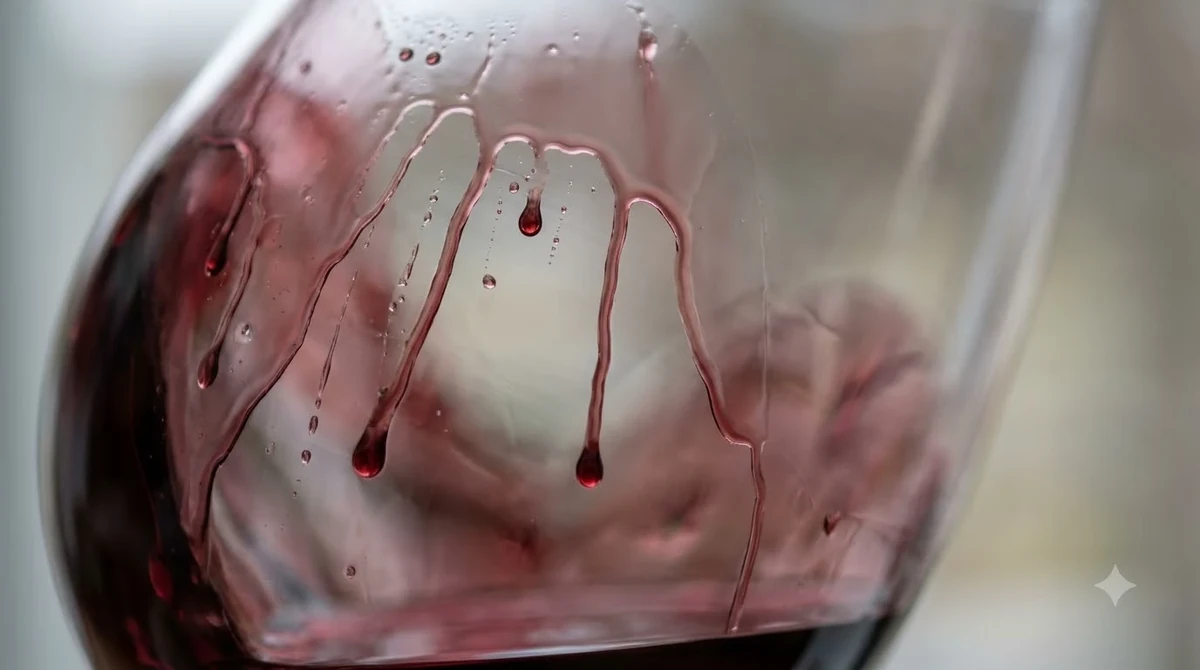
Petite Sirah is particularly associated with warm California regions where its grapes can develop substantial color and concentrated flavors. Lodi produces examples with ripe blackberry and blueberry character, while Paso Robles bottlings can emphasize dark fruit, spice, and considerable structure.
Livermore Valley has an important place in Petite Sirah history, particularly because of Concannon Vineyard’s early single-varietal bottling. The region remains relevant to understanding the grape’s development in California. Sierra Foothills vineyards also contribute examples with concentrated fruit and distinctive site characteristics.
Winemaking decisions strongly affect the final result. Longer skin contact can extract more color and tannin, while barrel aging can introduce vanilla, toast, and spice. Some producers prefer a more concentrated style intended for extended aging, while others use gentler extraction to make the wine approachable earlier.
Wine Enthusiast’s reporting on California producers illustrates the range of approaches. Some winemakers emphasize extraction and firm structure, while others use vineyard selection and barrel aging to produce more polished Petite Sirah with a softer texture.
Zinfandel is especially prominent in Lodi, Sonoma County, Napa Valley, and Amador County. These regions can produce very different interpretations of the same grape.
Lodi Zinfandel is often associated with ripe berry fruit and generous texture, while Sonoma examples can show darker fruit and firmer structure, especially when sourced from hillside vineyards. Cooler growing areas can preserve fresher fruit characteristics and more noticeable peppery notes.
Winemaking decisions help explain these differences. Some producers allow grapes to become very ripe, creating wines with jammy fruit and higher alcohol. Others harvest earlier and use gentler extraction to preserve acidity and create a lighter, more transparent style.
According to Wine Enthusiast’s Zinfandel master class, some producers working with cooler vineyards have made wines at 12-14% ABV by picking earlier and taking a lighter-handed approach in the winery. This shows why Zinfandel should not automatically be associated with extremely ripe, high-alcohol wines.
Old-vine Zinfandel adds another dimension. Some California vineyards contain vines that have been growing for many decades, producing grapes that reflect their particular site and farming history. Old vines do not automatically guarantee better wine, but they can contribute to distinctive vineyard expressions.
Blending is also important. Petite Sirah is frequently combined with Zinfandel to increase color and tannin while contributing dark fruit and peppery notes. This relationship explains why the two varieties sometimes appear together in California red blends.
Food Pairings for Petite Sirah and Zinfandel
Petite Sirah works particularly well with rich, protein-heavy foods that can balance its firm tannins, while Zinfandel is versatile with grilled meats, barbecue, tomato-based dishes, and moderately spicy food. The best choice depends on the intensity, seasoning, and richness of the meal.
For Petite Sirah, grilled steak is a classic pairing. The wine’s tannins interact with protein and fat, softening the drying sensation while the concentrated fruit complements the browned, savory flavors of the meat.
Other suitable dishes include smoked brisket, braised short ribs, lamb chops, beef burgers, and grilled sausages. Slow-cooked meats are particularly useful because their richness matches the wine’s dense texture.
Hard, aged cheeses can also work well. Aged cheddar, mature Gouda, and other firm cheeses provide enough savory richness to stand alongside the wine’s concentration. Strongly seasoned mushroom dishes are another good option, particularly when roasted or prepared with herbs.
Zinfandel offers more flexibility. Its ripe berry character and peppery notes complement barbecue, grilled pork, roasted chicken, burgers, and pizza. A fruit-forward California example can work especially well with ribs finished in a moderately sweet barbecue sauce.
Tomato-based pasta dishes are another practical pairing. The wine’s fruit can complement tomato sauces, while its body stands up to sausage, meatballs, and other rich ingredients. A less heavily oaked Zinfandel is particularly useful when the dish has fresh herbs or noticeable acidity.
Spicy food requires some care. Both wines can contain substantial alcohol, and Petite Sirah can have considerable tannin. Alcohol and tannin may intensify the sensation of chili heat, so heavily spiced dishes are generally better served with a softer, lower-alcohol wine.
Neither wine is an ideal first choice for delicate white fish or oily fish. Petite Sirah’s substantial tannin can clash with fish oils, while the intensity of either red can overwhelm a lightly seasoned seafood dish.
Use this quick pairing reference when choosing a bottle for dinner:
| Food | Better Choice | Why It Works |
|---|---|---|
| Grilled ribeye | Petite Sirah | Protein and fat soften firm tannins. |
| Smoked brisket | Petite Sirah | Dark fruit matches smoky, rich meat. |
| Barbecue ribs | Zinfandel | Ripe fruit complements barbecue seasoning. |
| Sausage pizza | Zinfandel | Berry fruit works with tomato and savory toppings. |
| Roasted lamb | Petite Sirah | Firm structure complements rich meat. |
| Grilled pork chops | Zinfandel | Fruit and spice suit the meat’s savory flavors. |
| Aged cheddar | Petite Sirah | Cheese richness balances tannin. |
| Roasted chicken | Zinfandel | Its softer texture suits poultry. |
Food sweetness is another consideration. A wine should generally be at least as sweet as the dessert accompanying it. Neither dry Petite Sirah nor dry red Zinfandel is usually a good match for very sweet cakes, chocolate desserts, or fruit pastries.
For a dessert pairing, a sweeter fortified wine is usually a better option. If the meal includes several courses, serving Zinfandel with the earlier meat course and Petite Sirah with a richer main course can provide a natural progression in intensity.
Tip: Match the wine’s tannin and body to the richness of the food. Choose Petite Sirah for fatty steak and slow-cooked beef, and choose a softer Zinfandel for barbecue pork, pizza, or roasted chicken.
Serving Temperature, Decanting, and Storage
Both Petite Sirah and Zinfandel generally benefit from being served slightly cooler than typical room temperature. A temperature of 60-65°F works well for fuller-bodied red wines, while decanting can help young, concentrated Petite Sirah become more expressive.
Petite Sirah’s dense tannins can initially make its aromas seem restrained. Giving a young bottle 30-60 minutes in a decanter can allow oxygen exposure to soften its initial impression and reveal more of its blackberry, plum, chocolate, and spice characteristics.
Not every bottle requires extended decanting. An older Petite Sirah may be more delicate, and prolonged exposure to oxygen can diminish its remaining fruit and aromatic detail. Older wines should be handled carefully, with sediment separated when necessary.
Zinfandel usually requires less decanting. Many fruit-forward examples are enjoyable shortly after opening, although a particularly concentrated or tightly structured bottle may benefit from approximately 15-30 minutes of air.
Temperature matters because excessive warmth can emphasize alcohol and make the wine feel heavy. Serving a red wine at 70-75°F can make a high-alcohol California bottling seem hotter than intended.
For a practical starting point, place a bottle in the refrigerator briefly before serving if it has been stored in a warm room. A full-bodied red served at 60-65°F often shows a better balance between fruit, tannin, and alcohol.
Glassware can also influence the experience. A large red-wine glass gives both varieties room to release their aromas. Petite Sirah benefits from a glass that accommodates its concentrated dark-fruit and savory notes, while Zinfandel’s berry and spice aromas become easier to appreciate in a generously shaped bowl.
For storage, keep unopened bottles away from direct sunlight, temperature fluctuations, and strong vibrations. A cool environment near 55°F is a useful target, and bottles with traditional cork closures should generally be stored horizontally to keep the cork from drying out.
Once opened, both wines should be resealed and refrigerated. Most still wines remain in reasonable condition for approximately 3-5 days, although flavor and aroma gradually change after exposure to oxygen.
When serving either variety, a standard 5-ounce pour is a useful reference. A 750 ml bottle contains approximately five such glasses, making it easy to plan the amount needed for a dinner party.
Which Wine Should You Choose?
Petite Sirah is the stronger choice for drinkers who enjoy firm tannins, dark fruit, and concentrated red wines. Zinfandel is generally the better choice for those who prefer expressive berry flavors, softer textures, and a wider range of approachable styles.
Choose Petite Sirah if your favorite wines include structured Cabernet Sauvignon, dense Syrah, or other reds with pronounced tannin. Its dark fruit and powerful texture suit people who enjoy a wine that makes a strong impression alongside rich food.
It is also a useful choice when a meal centers on steak, lamb, smoked brisket, or slow-braised beef. Its firm structure gives it enough presence to stand alongside strongly flavored dishes without disappearing.
Choose Zinfandel if you enjoy ripe raspberry, blackberry, and cherry flavors. Its combination of fruit, pepper, and oak can be particularly appealing to people who enjoy generous California reds but do not always want the firm tannins of Cabernet Sauvignon or Petite Sirah.
Zinfandel also offers a greater range of drinking styles. A lighter example from a cooler vineyard can emphasize freshness and savory complexity, while a warmer-region bottling can deliver concentrated jammy fruit and higher alcohol.
There is no universal winner. The better wine depends on whether you value structure or fruit-forward character, and whether the bottle will accompany a substantial meal or be enjoyed on its own.
For readers exploring other red-wine comparisons, Petite Sirah vs Pinot Noir offers another useful contrast between a powerful, tannic grape and a more delicate, aromatic variety. The comparison with Petite Sirah vs Shiraz is also helpful for understanding the distinction between Durif and its genetic parent Syrah.
For additional grape-specific background, Wine Enthusiast’s Petite Sirah profile explains the variety’s origins, California growing regions, and characteristic tannin and color. Its Zinfandel profile covers the grape’s different wine styles, regional expressions, and typical flavor characteristics.
Frequently Asked Questions
Are Petite Sirah and Syrah the same grape?
No. Petite Sirah is Durif, a crossing of Syrah and Peloursin, rather than another name for Syrah. DNA research established this relationship, although older California vineyard records sometimes used Petite Sirah terminology for mixed plantings that included several varieties.
Is Zinfandel the same grape as Primitivo?
Yes. Zinfandel and Primitivo are names used for the same grape variety, with Primitivo particularly associated with southern Italy’s Puglia region. The Croatian variety Crljenak Kaštelanski is also genetically identical, connecting the grape to its historical origins in the eastern Adriatic region.
Does Petite Sirah have small grapes?
The name refers to the grape’s relatively small berries rather than a small wine style. Durif produces compact clusters of dark berries, and their skin-to-juice proportion helps explain the wine’s ability to develop deep color. The resulting wine is generally much bigger in texture than its name suggests.
Can Petite Sirah be made into a sweet wine?
Yes. Although most California Petite Sirah is produced as dry red wine, the grape can also be used in Port-style wines and other dessert-wine expressions. Its dark fruit, color, and concentrated structure make it suitable for styles that retain sweetness.
Why do some Zinfandel wines taste like raisins?
Zinfandel clusters can contain berries at different stages of ripeness. When some berries become overripe, they develop dried-fruit characteristics that can appear alongside fresher raspberry and blackberry flavors. This uneven ripening is one reason the grape can produce such a varied aromatic profile.
Petite Sirah and Zinfandel both deserve a place in the California red-wine conversation, but they serve different preferences. Choose Petite Sirah for concentrated dark fruit and firm tannins, or Zinfandel for ripe berries, peppery spice, and a softer approach. Comparing bottles from different California regions is an excellent way to discover which style best suits your palate.
More in Wine vs Wine
 Chenin Blanc vs Pinot Gris: Acidity, Body, and Pairing DifferencesUpdated Nov 20, 2026
 Chianti vs Lambrusco: How Tuscany and Emilia-Romagna Reds CompareUpdated Nov 20, 2026
 Chianti vs Primitivo: Key Differences in Taste, Body, and PairingUpdated Nov 20, 2026
 Chianti vs Rioja: Key Differences in Taste, Aging, and PairingUpdated Nov 20, 2026
 Chianti vs Shiraz: How Acidity, Body, and Food Pairings CompareUpdated Nov 20, 2026
 Chianti vs Syrah: Key Differences in Taste, Body, and Food PairingUpdated Nov 20, 2026