

We may earn a commission when you buy through links on this page, at no extra cost to you. Learn more.
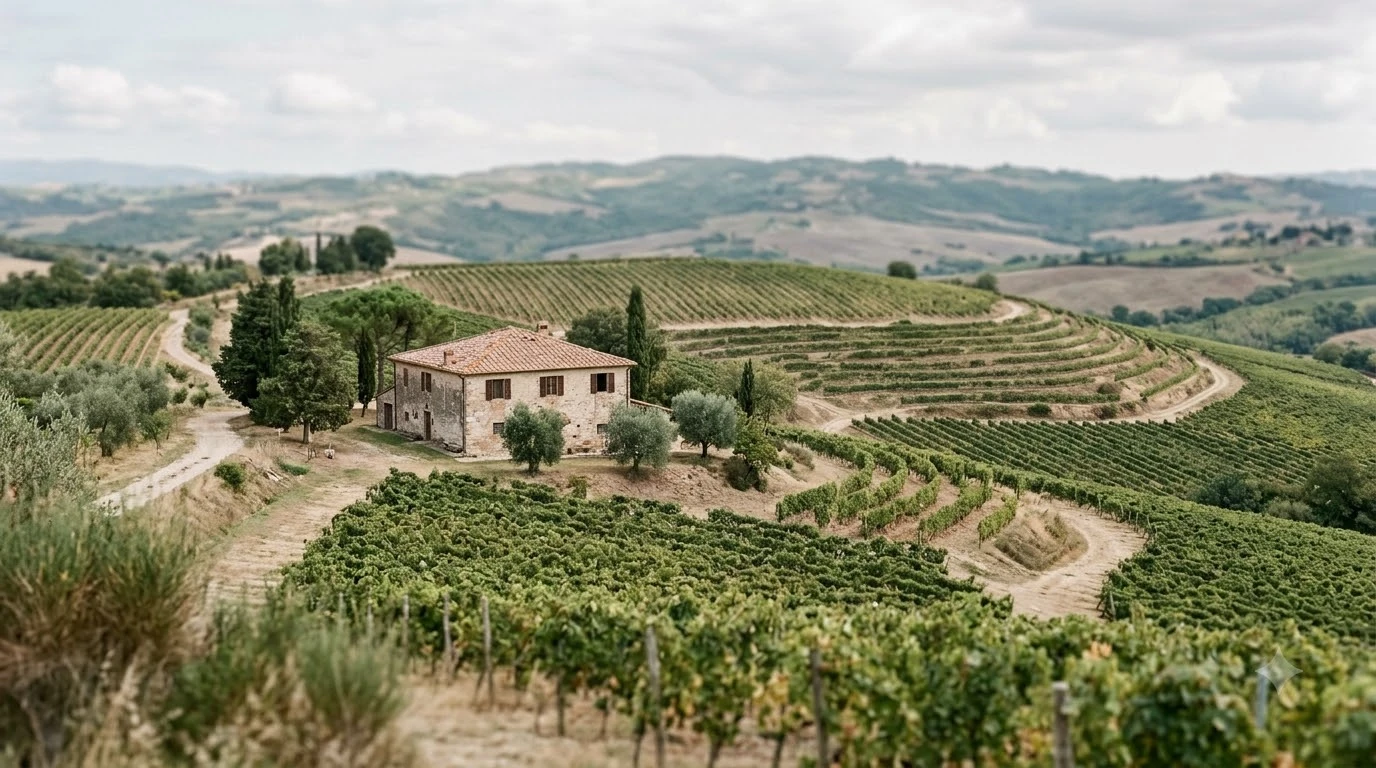
England wine country is concentrated primarily in the southeast, particularly Kent, Sussex, Hampshire, Essex, and Surrey, where vineyards produce acclaimed traditional-method sparkling wines and increasingly distinctive still wines. Its cool maritime climate, chalk-rich soils, and long growing season favor Chardonnay, Pinot Noir, Pinot Meunier, and aromatic varieties such as Bacchus. Visitors can explore established estates in the South Downs, discover emerging producers in Essex, and find smaller vineyards stretching from Cornwall to Yorkshire.
English wine has developed from a relatively small agricultural specialty into an increasingly recognized part of the country’s food and tourism culture. Although sparkling wine remains its best-known category, the growing range includes crisp white wines, delicate reds, rosé, and experimental bottlings. Understanding the geography, grape varieties, and regional differences makes it easier to appreciate what each part of England contributes to the bottle.
Where England’s Wine Country Is Located
England’s wine industry is spread across the country, but its strongest concentration is in the southeast. Kent, Sussex, Hampshire, and Surrey have established vineyard communities, while Essex has become increasingly important for still wines. Other producers operate in Cornwall, Devon, Norfolk, Suffolk, Gloucestershire, and Yorkshire.
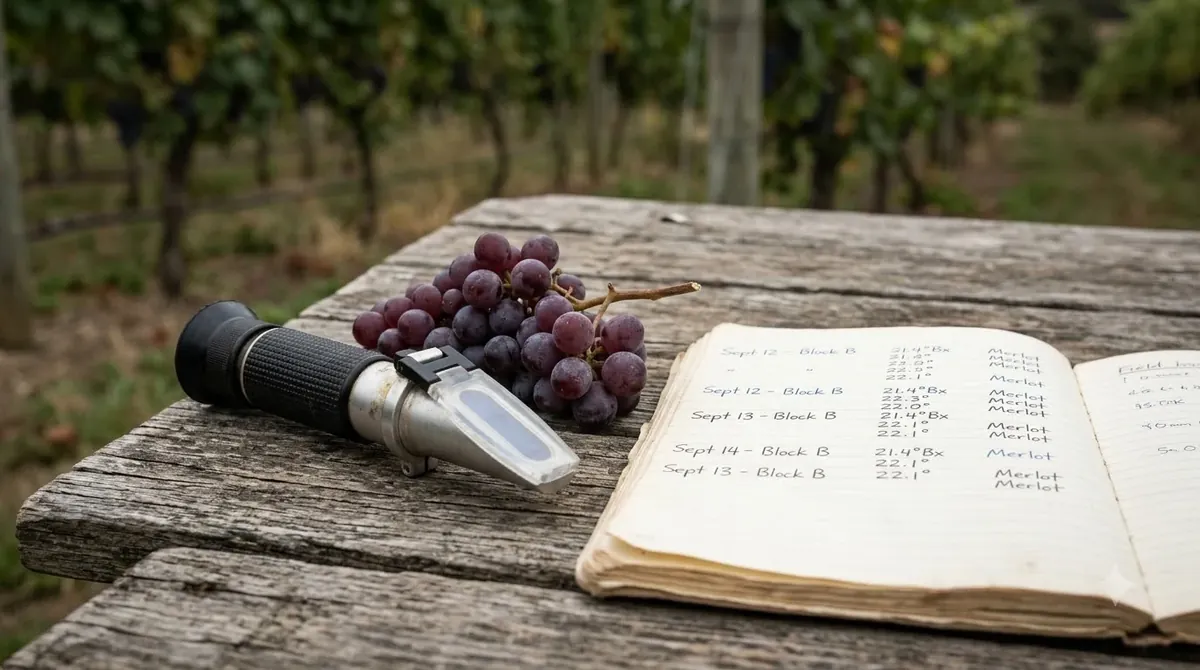
According to WineGB, England has 4,489 hectares of vineyards, with Kent accounting for 1,239 hectares and Sussex for 1,132 hectares. These figures illustrate the importance of the southeast, although vineyard area alone does not determine wine quality. Individual sites differ considerably in soil composition, slope, exposure, and proximity to the coast. A vineyard on a sheltered south-facing hillside can experience different growing conditions from one only a short distance away.
The North and South Downs are particularly important geographical features. These chalk formations extend through several southeastern counties and form part of a geological system connected to the chalk landscapes of northern France. Their well-draining soils are particularly suitable for grape varieties used in traditional-method sparkling wine. Other areas contain greensand, clay, gravel, and mixed sedimentary soils, creating opportunities for different grape varieties and wine styles.
England’s maritime climate is another defining feature. The Gulf Stream helps moderate temperatures, while relatively cool growing conditions encourage grapes to retain natural acidity. Long daylight hours during the growing season can help fruit ripen gradually. However, rainfall, spring frost, and changing weather patterns make vineyard management challenging. Producers must select suitable sites and manage their vines carefully to achieve consistent ripeness.
For readers familiar with American wine regions, England’s regional development offers an interesting comparison with Yadkin Valley wine country, where local climate and grape selection also shape a distinctive regional identity. England’s industry is smaller and more concentrated, but its range of growing conditions is expanding the country’s wine profile.
Kent, Sussex, Hampshire, and Surrey: The Southeastern Heartland
The southeastern counties form the traditional center of English wine production. Kent leads in vineyard area, Sussex is especially associated with sparkling wine, Hampshire has a long commercial winemaking history, and Surrey combines established estates with varied chalk and greensand landscapes.
Kent is often called the Garden of England because of its agricultural heritage and productive orchards. Its relatively warm, dry conditions are favorable for grape growing, particularly Chardonnay. The county has 1,239 hectares of vineyards, according to WineGB. Producers such as Chapel Down, Gusbourne, Simpsons’ Wine Estate, and Balfour Winery have helped establish its reputation. Kent makes both traditional-method sparkling wines and still wines, including aromatic whites and increasingly confident examples of Chardonnay and Pinot Noir.
Sussex comprises East Sussex and West Sussex and has 1,132 hectares of vineyards. Its South Downs chalk landscapes, established wine estates, and concentration of experienced growers make it one of the most recognizable English wine destinations. Producers including Nyetimber, Ridgeview, Rathfinny, and Wiston Estate are associated with the county. Traditional-method sparkling wine is its signature category, although still wines and rosé also contribute to its diversity.
Sussex has an important distinction in the country’s wine classification system: its regional Protected Designation of Origin was the first of its kind in the United Kingdom. Its specifications include a minimum of 15 months of bottle aging and a focus on the classic Champagne grape varieties. This provides a regional identity based on production rules rather than simply a geographical name.
Hampshire has 426 hectares of vineyards, according to WineGB. It is associated with chalk soils, the South Downs, and the river valleys of the Test, Itchen, and Meon. Hambledon Vineyard, established in the 1950s, is an important part of the county’s commercial wine history. Other producers include Hattingley Valley, Exton Park, and Black Chalk. The county’s cool growing conditions favor fresh, finely structured sparkling wines made from Chardonnay, Pinot Noir, and Pinot Meunier.
Surrey has 130 hectares of vineyards and includes estates across the Surrey Hills. Its chalk and Upper Greensand landscapes support sparkling wines, rosé, and distinctive still styles. Denbies Estate is among its recognizable producers. Surrey’s proximity to London also makes it a practical destination for visitors who want to explore vineyards without traveling far from the capital.
Tip: For a first vineyard trip, concentrate on Sussex or Kent. Both offer established wine estates, recognizable sparkling wine producers, and several opportunities to combine vineyard visits with countryside sightseeing.
Essex, East Anglia, and England’s Emerging Wine Regions
Beyond the traditional southeastern heartland, several English wine regions are developing distinctive identities. Essex is especially important for still wines, while Norfolk and Suffolk offer different soil conditions and opportunities for aromatic varieties. Cornwall and other southwestern counties contribute additional diversity.
Essex has 469 hectares of vineyards and is increasingly recognized for Chardonnay, Pinot Noir, and Bacchus. The Crouch Valley is particularly interesting because of its relatively low elevations, long sunshine hours, reflective light from the River Crouch, and London clay soils. These conditions help growers produce grapes suitable for concentrated still wines. Producers associated with the wider Essex wine scene include Danbury Ridge, Riverview Crouch Valley, and Marbury Wines.
The Crouch Valley is especially worth understanding because it demonstrates that English wine is not limited to sparkling production. Its Chardonnay can provide a more substantial alternative to the country’s crisp sparkling styles, while Pinot Noir offers opportunities for elegant, cool-climate red wine. Bacchus also contributes aromatic white wines with fresh fruit and herbal characteristics.
East Anglia includes Norfolk and Suffolk, along with neighboring eastern counties. Clay-based soils are a significant feature in some vineyards, supporting varieties such as Rondo, Schonburger, and Huxelrebe. Chardonnay and Pinot Noir are also grown. The region’s relatively warm and dry conditions make it an interesting area for producers concentrating on still wines.
Norfolk has gained attention through estates such as Burn Valley Vineyard and Winbirri Vineyard. These producers demonstrate how English wine can express local growing conditions beyond the established sparkling wine counties. Suffolk and surrounding areas also contribute to the expanding eastern wine scene.
South West England includes Cornwall, Devon, Somerset, and Gloucestershire. Its maritime influence and varied soils create different growing conditions from those of Kent and Essex. Cornwall is particularly associated with Camel Valley, which began producing traditional-method sparkling wines in 1995. The region also produces still wines, including aromatic whites and lighter reds.
Other developing English wine areas include the Cotswolds, Herefordshire, and parts of Yorkshire. Their smaller vineyard communities demonstrate the geographical reach of modern English viticulture. Cooler northern sites require careful grape selection and vineyard positioning, but they offer opportunities for producers willing to work with local conditions.
The country’s broader regional picture is still evolving. For a wider understanding of how geography, climate, and grape selection influence wine styles, explore our Wine Regions resource.
The Main Grapes Grown in England
English vineyards grow a combination of classic Champagne varieties, aromatic white grapes, and cool-climate red varieties. Chardonnay, Pinot Noir, and Pinot Meunier are central to sparkling wine production, while Bacchus is particularly associated with still white wine. The choice of grape depends on local temperatures, soil, vineyard exposure, and the intended wine style.
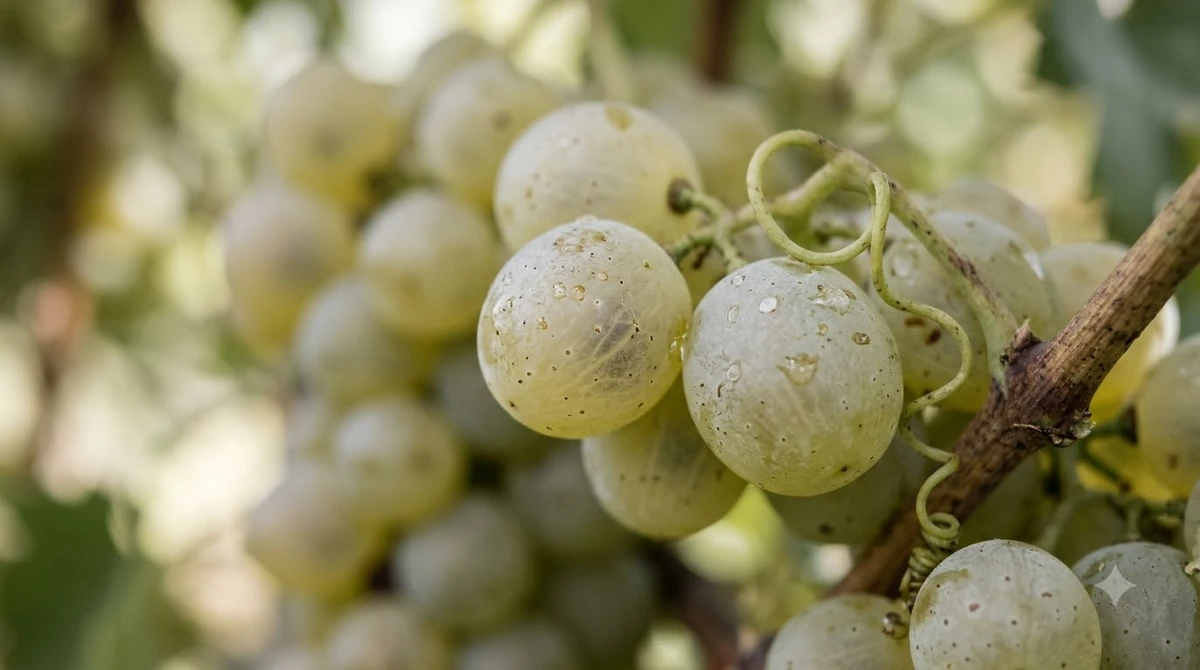
Chardonnay is one of England’s most important varieties. Its ability to retain fresh acidity in a cool climate makes it suitable for traditional-method sparkling wine. It is also increasingly successful as a still wine, particularly in Kent and Essex. Depending on the producer and winemaking approach, English Chardonnay can show lemon, green apple, pear, peach, and subtle mineral characteristics. Some examples undergo oak aging or extended lees contact for added texture.
Pinot Noir is an essential red grape in English sparkling wine production. It can also produce still red wines, although ripening the fruit consistently in a cool climate requires careful vineyard management. Successful examples can show red cherry, raspberry, cranberry, and earthy notes. Its naturally lower-to-medium tannin level and relatively high acidity make it useful for lighter-bodied wines.
Pinot Meunier is another major sparkling wine variety. It contributes fruitiness, freshness, and balance to blends. Although sometimes treated as secondary to Chardonnay and Pinot Noir, it plays an important role in English traditional-method wines. Producers may use it in nonvintage blends or single-variety bottlings, depending on their house style.
Bacchus is England’s best-known aromatic still white grape. It can produce dry wines with fresh acidity and aromas reminiscent of citrus, elderflower, green apple, and herbs. Some examples have a Sauvignon Blanc-like aromatic profile, although Bacchus has its own identity. It is particularly associated with English vineyards in Kent, Essex, and East Anglia.
Other varieties include Pinot Gris, Pinot Blanc, Sauvignon Blanc, Ortega, Seyval Blanc, Riesling, and Solaris. These grapes provide producers with alternatives when local growing conditions do not suit the classic Champagne varieties. Some vineyards also experiment with less familiar grapes to develop distinctive regional bottlings.
| Grape variety | Typical wine style | Common characteristics | English growing areas |
|---|---|---|---|
| Chardonnay | Sparkling and still white | Citrus, apple, pear | Kent, Sussex, Essex, Hampshire |
| Pinot Noir | Sparkling and still red | Cherry, raspberry, cranberry | Sussex, Kent, Essex |
| Pinot Meunier | Sparkling | Red berries, orchard fruit | Sussex, Kent, Hampshire |
| Bacchus | Still white | Elderflower, citrus, herbs | Kent, Essex, East Anglia |
| Pinot Gris | Still white | Pear, apple, stone fruit | Sussex, Essex, other regions |
| Ortega | Still white | Floral notes, ripe orchard fruit | Kent, Surrey, other regions |
The figures in this table are grape variety and regional examples, not percentages of national plantings. A vineyard may grow several varieties, and producers can source grapes from more than one county. The resulting wine reflects the fruit’s origin and the winemaker’s decisions rather than a single national formula.
English Sparkling Wine and Traditional Production
Traditional-method sparkling wine is England’s most internationally recognized wine category. The combination of cool growing conditions, naturally high grape acidity, and chalk-rich soils makes many southeastern vineyards particularly suitable for this style. Chardonnay, Pinot Noir, and Pinot Meunier provide the foundation for many of the country’s best-known sparkling wines.
The traditional method involves a second fermentation inside the bottle. After the base wine is produced, yeast and sugar are added before the bottle is sealed. The resulting fermentation creates carbon dioxide, which becomes the wine’s bubbles. The wine then spends time aging on its lees, the spent yeast cells that can contribute bread, biscuit, brioche, and creamy characteristics.
After aging, producers remove the sediment through a process known as disgorgement. A dosage may be added before final closure, depending on the intended sweetness level. The amount of sugar in the finished wine influences its classification, from very dry Brut Nature through Brut and Extra Dry to sweeter styles such as Demi-Sec.
English sparkling wine often has a fresh, precise profile, with lemon, green apple, white peach, and subtle mineral notes. Longer lees aging can add toast, pastry, and nutty complexity. Chardonnay-heavy wines may emphasize citrus and acidity, while Pinot Noir and Pinot Meunier can contribute more red-fruit character and breadth.
The comparison with Champagne is understandable because both regions grow similar grape varieties and share geological connections in their chalk formations. However, English sparkling wine has its own identity. Different growing seasons, vineyard locations, blending decisions, and aging periods create differences between producers and vintages.
Sussex, Kent, and Hampshire are especially important for this category. Producers such as Nyetimber, Ridgeview, Gusbourne, Hambledon, and Hattingley Valley offer useful examples of the range available. Some wines emphasize freshness and delicate citrus fruit, while others focus on extended aging and richer yeast-derived complexity.
To explore the broader regional approach, the WineGB regional overview provides information about the country’s principal wine-producing areas, their vineyard characteristics, and the grapes associated with each county.
Traditional-method sparkling wine should not be confused with Prosecco. Prosecco is made primarily from Glera using the tank method, while English premium sparkling wine commonly undergoes its second fermentation in the bottle. The production methods create different textures and flavor profiles, even when both wines are dry and refreshing.
What English Wines Taste Like and How to Pair Them
English wines generally favor freshness, lively acidity, and restrained fruit expression, although regional differences and winemaking choices produce considerable variation. Sparkling wines often emphasize citrus and apple, Bacchus offers aromatic white-fruit and herbal notes, and English Pinot Noir can provide delicate red-fruit flavors.
English sparkling wine is particularly versatile at the table. Brut styles work well with oysters, shellfish, smoked salmon, and fried seafood because their acidity and bubbles refresh the palate. They can also accompany salty appetizers, soft cheeses, and roasted chicken. Richer traditional-method examples with extended lees aging are suitable for creamy seafood dishes and mushroom-based preparations.
Bacchus is a useful choice for dishes that benefit from aromatic freshness. Try it with grilled asparagus, goat cheese, herb-roasted chicken, or delicate white fish. Its acidity helps balance richer sauces, while its herbal and floral aromas complement fresh herbs. For highly acidic dishes, select a wine with equal or greater acidity so the food does not make the wine taste flat.
English Chardonnay offers more flexibility depending on its style. Crisp, unoaked versions work with grilled fish, scallops, and simple vegetable dishes. Wines with more body or oak influence can accompany roast chicken, creamy pasta, and lightly seasoned pork. The weight of the wine should match the richness of the food.
English Pinot Noir is generally better suited to lighter dishes than heavily structured red wines. Consider roast duck, grilled chicken, mushroom risotto, roasted salmon, or herb-seasoned pork. Its relatively modest tannin and bright acidity make it more adaptable than fuller-bodied Cabernet Sauvignon. Avoid pairing tannic reds with oily fish because the combination can create an unpleasant metallic impression.
Rosé sparkling wine can accompany charcuterie, grilled prawns, and berry-based desserts. For sweet wines, choose a dessert at least as sweet as the wine itself. This prevents the wine from tasting thin or overly acidic beside the food. Very spicy dishes require care because alcohol and tannin can amplify chili heat.
For additional pairing inspiration, English wine can be compared with the regional approaches found in Hill Country vineyards, where wine styles also reflect the relationship between local growing conditions and food culture.
Visiting English Vineyards and Planning a Wine Country Trip
England offers a growing range of vineyard experiences, from guided tours and cellar tastings to estate restaurants and countryside accommodations. Kent and Sussex are particularly convenient for organized wine visits, while Hampshire and Surrey provide attractive alternatives for shorter trips from London. Visitors should distinguish between estates with regular public tours and those that accept guests only by appointment.
Sussex is a strong starting point for a sparkling wine itinerary. Estates such as Ridgeview, Nyetimber, Wiston Estate, and Rathfinny are associated with the county’s wine identity. The South Downs provide a scenic backdrop, and visitors can combine vineyard experiences with walks, historic villages, and coastal sightseeing. Brighton and Lewes are useful bases for exploring different parts of the county.
Kent offers a combination of vineyards, orchards, historic towns, and countryside attractions. Chapel Down, Gusbourne, Balfour Winery, and Simpsons’ Wine Estate are among the producers worth researching. Canterbury and the surrounding countryside provide opportunities to combine wine tourism with cultural sightseeing. Visitors can also explore local food traditions, including regional cheeses and seasonal produce.
Hampshire is particularly appealing to visitors interested in traditional-method sparkling wine and the history of English viticulture. Hambledon Vineyard, Hattingley Valley, and Exton Park are examples of producers associated with the county. Winchester provides a convenient base for exploring the surrounding countryside, while the South Downs offer scenic walking routes.
Surrey works well for a short trip from London. Denbies Estate and smaller producers in the Surrey Hills provide opportunities to learn about English vineyard management and wine production. The surrounding countryside combines rolling hills, historic settlements, and accessible rail connections.
Essex is worth considering for travelers who want to understand the development of English still wine. The Crouch Valley provides a different experience from the chalk landscapes of Sussex and Hampshire. Its vineyards are more dispersed, so planning individual appointments is often important.
When organizing a visit, allow enough time for the tour, tasting, and travel between estates. A guided vineyard experience commonly takes between 60 and 120 minutes, although the actual duration depends on the producer. Some estates include cellar tours, while others concentrate on vineyard walks and comparative tastings.
Transport deserves particular attention. Many vineyards are in rural locations without convenient public transportation. Visitors who intend to taste several wines should arrange a designated driver, private transportation, or an organized tour. Booking ahead is advisable, particularly for weekend visits and larger groups.
Season also affects the experience. Spring offers views of emerging vine growth, summer brings active vineyard landscapes, and autumn is associated with harvest activity. Harvest dates depend on weather and grape variety, so visitors should not assume that every estate will offer harvest experiences during a particular week.
Serving, Storing, and Choosing English Wines
Serving temperature and storage conditions have a noticeable effect on how English wine performs in the glass. Fresh sparkling wines benefit from proper chilling, while still whites and lighter reds show more detail when served slightly warmer. Good storage protects the wine’s freshness and allows age-worthy bottles to develop appropriately.
For traditional-method sparkling wines, aim for approximately 40 to 50 degrees Fahrenheit. This temperature keeps the bubbles lively and maintains freshness. English Bacchus and other light white wines are best served around 45 to 50 degrees Fahrenheit. Fuller-bodied Chardonnay benefits from slightly warmer serving conditions of 50 to 55 degrees Fahrenheit.
English Pinot Noir is generally best served at 55 to 60 degrees Fahrenheit rather than at typical warm room temperature. This helps preserve its fresh acidity and delicate fruit character. If the wine becomes too warm, its alcohol can seem more prominent and its structure less balanced.
Use a standard 5-ounce pour when serving still wine. A 750-milliliter bottle provides approximately five glasses at this serving size. Sparkling wine is often poured into smaller quantities to allow room for the bubbles and aromas to develop.
Choose glassware according to the wine’s style. A tulip-shaped sparkling glass can preserve bubbles while allowing some aromatic development. A standard white wine glass works well for Bacchus and Chardonnay, while a medium-sized red wine glass helps Pinot Noir express its delicate fruit and aromatic complexity.
Storage conditions matter particularly for traditional-method sparkling wines and premium still wines intended for aging. Keep unopened bottles in a cool, dark location near 55 degrees Fahrenheit, away from strong temperature fluctuations and direct sunlight. Bottles with natural cork closures are generally stored on their sides to help maintain cork contact with the wine.
Once opened, sparkling wine is best consumed within one to three days when kept refrigerated with a suitable sparkling wine stopper. Still white, rosé, and red wines generally remain enjoyable for three to five days under refrigeration, depending on their condition and handling. Fortified wines can remain usable for several weeks, while bag-in-box wines often last four to six weeks after opening.
Choosing a bottle requires attention to the grape, producer, and intended drinking occasion. For a first English wine, a traditional-method Brut sparkling wine is a useful introduction. Someone interested in still wines can begin with Bacchus for an aromatic white, Chardonnay for a broader range of styles, or Pinot Noir for a lighter red. The vintage is particularly relevant when selecting still wines because growing-season conditions can affect ripeness and balance.
For additional guidance on current English still wine choices, Decanter’s English still wine guide discusses regional differences, grape selection, and the producers contributing to the category’s development.
Frequently Asked Questions
Is English wine legally required to use grapes grown in England?
English wine is subject to geographical production and labeling rules that distinguish it from wine made elsewhere in the United Kingdom. The protected geographical designations specify origin and production requirements. English wine should also be distinguished from British wine, a separate category that can include imported grape concentrate or other permitted materials rather than exclusively fresh grapes grown in England.
What is the difference between English wine and British wine?
English wine refers to wine produced from grapes grown in England under the relevant geographical rules. British wine is a broader term and can describe products made in the United Kingdom using different permitted production methods and raw materials. The distinction matters when consumers want to identify wine made from locally grown English grapes rather than simply wine produced within the country.
Can English wine age for several years?
Yes. Some premium English traditional-method sparkling wines develop additional complexity with bottle age, particularly when produced with extended lees aging and suitable acidity. Certain still Chardonnay and Pinot Noir wines can also benefit from careful cellaring. Aging potential depends on the individual wine’s structure, producer, vintage, and storage conditions rather than its country of origin alone.
What does the English wine PDO designation mean?
A Protected Designation of Origin identifies wine associated with a defined geographical area and a set of production requirements. Sussex has a regional PDO with specifications governing its traditional-method sparkling wine, including minimum bottle aging of 15 months. The designation helps distinguish wines made according to the region’s approved standards from other English sparkling wines.
Does England produce wine outside traditional vineyards?
Yes. Some English producers work with alternative production approaches, including natural fermentation, pétillant naturel, and low-intervention winemaking. These wines can use different grape varieties and cellar techniques from conventional traditional-method sparkling wines. Such experimentation is one reason England’s wine identity continues to expand beyond its established Champagne-style category.
England wine country offers considerably more than sparkling wine, even though traditional-method bottles remain its signature attraction. From the chalk hills of Sussex and Hampshire to Kent’s established vineyards and Essex’s developing still wine scene, each region contributes a different expression of English viticulture. Exploring these wines by county, grape variety, and producer is an excellent way to discover a distinctive and increasingly diverse wine culture.
More in Wine Regions
 Willcox Wine Trail: Discover Arizona’s High-Elevation Wine CountryUpdated Nov 20, 2026
 Yakima Valley Wine Region: Find the Best Styles to TryUpdated Nov 20, 2026
 Vosne Romanee Wine Tasting: Identify Aromas and Choose Better PairingsUpdated Nov 20, 2026
 Yakima Valley Wine Festival: Find the Best Seasonal Wine EventsUpdated Nov 20, 2026
 Wales Vineyards: Discover Cool-Climate Wines and Where to VisitUpdated Nov 20, 2026
 Yountville Wine Festival: Discover Napa Wines and Local FoodUpdated Nov 20, 2026