

We may earn a commission when you buy through links on this page, at no extra cost to you. Learn more.
Kent vineyards are the heart of England’s largest wine-growing county, producing acclaimed traditional-method sparkling wines alongside aromatic whites and increasingly confident still wines. The county’s position beside the English Channel, its varied chalk and clay soils, and a cluster of established producers give it several distinct wine styles. Knowing the difference between the North Downs and the Weald makes it easier to choose a bottle or plan a vineyard visit.
In southeast England, Kent has long been called the Garden of England, a name linked to its orchards and fruit-growing landscape. Viticulture now adds another layer to that agricultural identity, from the chalk slopes around the North Downs to the lower, clay-influenced sites of the Weald. The best way to understand the county is to connect its geography with the grapes and producers that have learned to work with each site.
Kent’s Place in English Wine Country
Kent is England’s largest county by planted vineyard area, and its wines are a useful starting point for understanding the country’s modern wine industry. According to WineGB’s regional overview, its Wine Standards figures record 1,239 hectares of vines in Kent, ahead of Sussex at 1,132 hectares; the association also identifies Kent as the county closest to the English Channel and one of the country’s most densely planted wine areas. These figures describe planted vineyard area, not the volume of wine made in a given harvest.
The county sits in the southeast corner of England, with the Channel to the south and east and Greater London to the northwest. Its location matters because the maritime climate moderates temperature extremes while the eastern position gives growers relatively warm, dry conditions compared with many other English wine districts. WineGB specifically points to those warmer, drier conditions as an advantage for Chardonnay, a grape that anchors both Kent’s sparkling wines and a growing range of still bottlings.
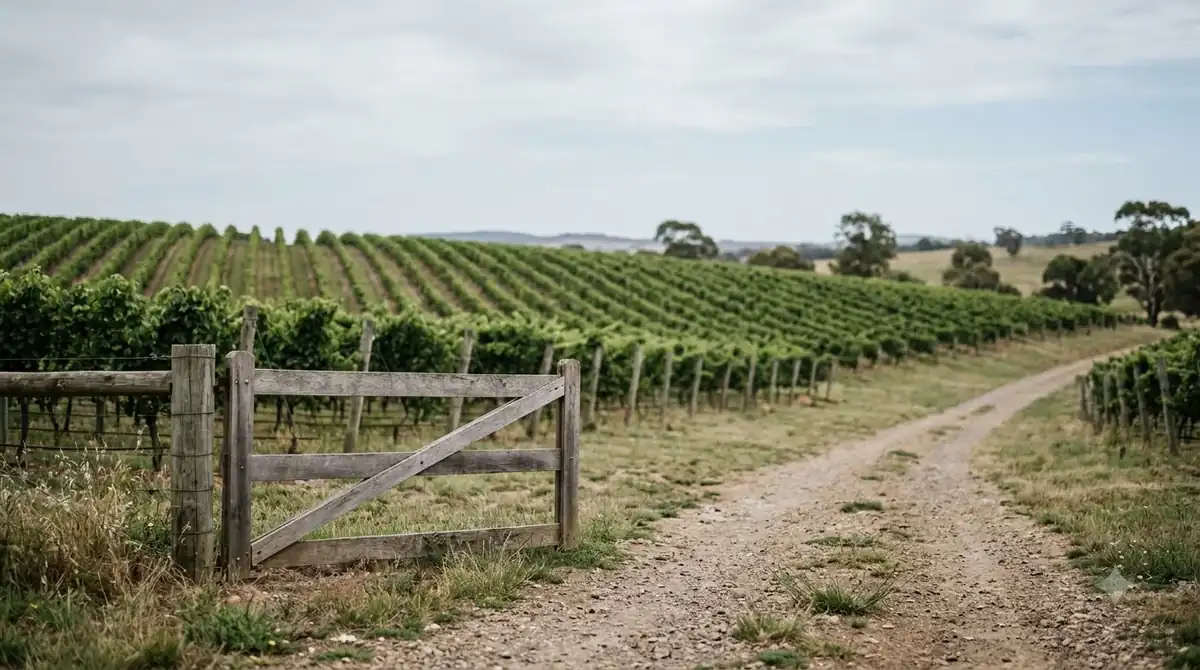
Kent is not a single uniform vineyard. The North Downs, the Weald and the coastal lowlands around places such as Appledore each offer different combinations of slope, exposure, drainage and soil. A bottle made from chalk-grown Chardonnay in the North Downs may feel different from one based on fruit grown on clay or sand in the Weald. For readers exploring the wider picture, the Wine Regions overview explains why geography, climate and grape choice belong together when comparing wine-producing places.
Chalk, Clay, and the Maritime Growing Season
Kent’s two best-known vineyard landscapes are the chalk of the North Downs and the clay-and-sand soils of the Weald. The distinction is more than geological shorthand: soil drainage, slope direction and exposure influence vine growth, ripening pace and the character of the grapes that reach the winery.
On the North Downs, lime-rich chalk is a prominent feature. Simpsons’ Wine Estate describes its Elham Valley vineyards as part of the same chalk ridge that runs through southern England toward Champagne and Burgundy. The estate says it established its two vineyards there in 2014, selecting south-facing slopes and noting that its sites are less than eight miles from the coast on three sides. The chalk drains freely but can also retain water, while the slope helps vines capture sunlight and allows cold air to move downhill.
The Weald offers a more varied picture, including Wealden clay and Tunbridge Wells sand. At Gusbourne in Appledore, the Heartbreak vineyard changes from Wealden clay at around 25 meters to sandier soil lower down near 5 meters, a shift that creates different conditions within one named site. Kit’s Coty, by contrast, is a south-facing, 100-acre vineyard on the Kent Downs, where Chapel Down describes the soil as warm, free-draining chalk. These examples show why a county-level description is only a starting point: the position and soil of an individual parcel matter just as much.
Grapes and Wine Styles to Know
Chardonnay, Pinot Noir and Pinot Meunier form the classic trio for Kent’s traditional-method sparkling wines. Chardonnay is especially important in the county: WineGB describes it as a variety that thrives in Kent’s warmer, drier conditions, while the chalk sites and long, cool ripening period can help retain freshness. Pinot Noir contributes structure and red-fruit character, and Pinot Meunier can add fruit and roundness to blends.
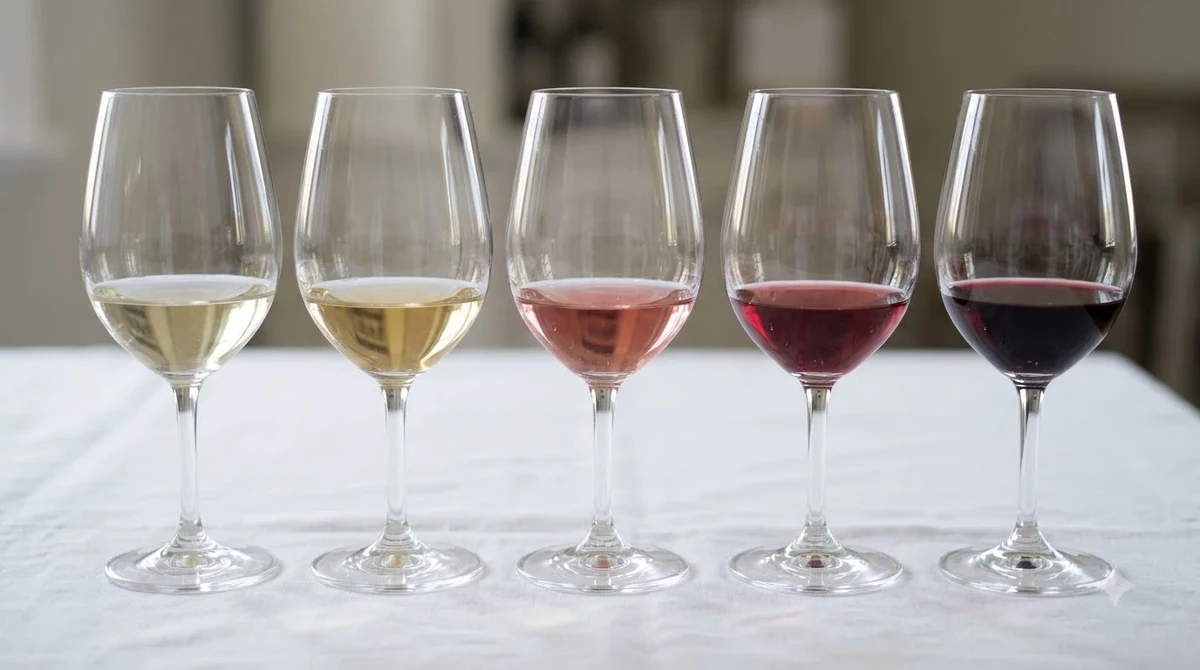
Traditional-method sparkling is the county’s best-known style, but it is not the whole story. Kent producers also make still Chardonnay, Pinot Noir, rosé and aromatic white wines. Bacchus is the best-known English aromatic white grape, commonly associated with lively citrus, green fruit, floral and herbal notes. Ortega is another variety found in Kent; it can offer ripe orchard-fruit and peach-like aromas. Neither grape should be treated as a fixed flavor recipe, because harvest decisions, site conditions and winemaking choices affect the finished wine.
For sparkling wine, the traditional method means that the second fermentation takes place in the bottle, producing the bubbles within the same container in which the wine is aged and sold. The classic blend may use all three varieties or focus on Chardonnay alone in a blanc de blancs. Still wines are more varied from vintage to vintage. Decanter’s guide to English still wine identifies Chardonnay as a particularly reliable choice, recommends looking to strong producers for Pinot Noir, and describes Bacchus as an accessible aromatic option. You can compare Kent’s cool-climate approach with the sparkling and still styles found among Tasmania vineyards, another region where freshness is a defining point of reference.
Producers That Show Kent’s Range
A handful of estates illustrate how different Kent sites can be. Chapel Down’s Kit’s Coty vineyard, Gusbourne’s Appledore estate, Simpsons’ in the Elham Valley and Balfour at Hush Heath each work with a different landscape, and their wines make a useful introduction to the county’s range.
Chapel Down describes Kit’s Coty as a 100-acre, south-facing vineyard on the Kent Downs. Its range includes traditional-method sparkling wines, Chardonnay and Bacchus. The producer says its Coeur de Cuvée uses the “heart” of the first pressing and is matured in French oak. Its Kit’s Coty Bacchus offers one estate-specific example of the variety, with the producer noting green apple, citrus peel, lychee and elderflower in its tasting description. Those details belong to that wine rather than to every Bacchus made in Kent.
Gusbourne has around 60 hectares under vine in Kent and says it uses only estate-grown grapes for its wines. Its first Appledore vineyard, Butness, was planted in 2004 with Chardonnay, Pinot Noir and Pinot Meunier. Boot Hill, planted in 2006 and 2007, rises to 40 meters above sea level and supplies fruit for the estate’s still Chardonnay and Pinot Noir as well as sparkling production. Simpsons’ offers a different North Downs expression, with two vineyards in the Elham Valley. Balfour’s Hush Heath Estate covers 400 acres in total, with 200 acres of vineyards across clay, chalk and greensand sites.
| Estate or site | Location | Useful scale or site fact | What to look for |
|---|---|---|---|
| Kit’s Coty, Chapel Down | Kent Downs | 100 acres | Chardonnay, Bacchus and traditional-method sparkling |
| Gusbourne | Appledore | Around 60 hectares under vine | Vintage sparkling, still Chardonnay and Pinot Noir |
| Balfour at Hush Heath | Weald, near Staplehurst | 400-acre estate; 200 acres of vineyards | Traditional-method sparkling and rosé |
| Simpsons’ Wine Estate | Elham Valley, North Downs | Two vineyards, established in 2014 | Chardonnay, Pinot Noir and sparkling wines |
The table compares site scale, not production volume or quality ranking. A bigger estate does not automatically make a better wine, and a smaller parcel can be especially distinctive when the grower has matched the grape to the slope and soil. For a useful contrast beyond England, Uruguay vineyards show how a maritime influence can shape a wine region without producing the same varieties or styles as Kent.
How to Choose a Kent Bottle
Start with the style you want rather than assuming every bottle from Kent will taste alike. For a celebratory wine or a bright aperitif, choose a traditional-method sparkling bottling. For a still white with more texture, look for Chardonnay; for a fragrant, lighter-bodied option, try Bacchus. Pinot Noir is worth exploring when you want a red, although site and vintage are especially important for this variety in a cool-climate region.
Vintage matters more for still wine than it often does for non-vintage sparkling blends. Decanter’s discussion of English still wines notes that Bacchus can lose acidity quickly as it ripens, so a warmer season does not automatically produce the freshest expression. Chardonnay and Pinot Noir can benefit from additional warmth, but the result still depends on crop level, picking date and the condition of the fruit. In practice, a producer’s track record and the style description can be more useful than choosing by vintage number alone.
Read the grape and style information together. A Kent Chardonnay may be fermented or aged in stainless steel for a cleaner fruit profile, or matured in oak for greater texture and toast. A sparkling wine may be a Chardonnay-led blanc de blancs or a blend of Chardonnay, Pinot Noir and Pinot Meunier. If you are buying for a specific meal, consider acidity, body and texture before focusing on tasting-note adjectives. A fresh, high-acid white will usually suit dishes with lemon or vinaigrette better than a soft, low-acid wine.
Serving Temperatures and Food Pairings
Kent’s brisk sparkling wines and aromatic whites are at their best when served cool, but not so cold that their aromas disappear. Serve sparkling wine around 40–50°F, light whites around 45–50°F and fuller-bodied Chardonnay around 50–55°F. Light-bodied Pinot Noir is generally more expressive at 55–60°F than at refrigerator temperature. A standard 5-ounce pour gives guests room to swirl still wine, while a 750-milliliter bottle provides about five such glasses.
Traditional-method sparkling works well with salty, rich or crisp foods. Try it with oysters, fried fish, potato crisps, tempura or a soft, creamy cheese: acidity refreshes the palate, while bubbles lift the texture of richer bites. Bacchus and other aromatic whites can match fresh goat cheese, green herbs, asparagus, shellfish and lightly spiced dishes. Chardonnay with a little oak or more weight can stand up to roast chicken, mushrooms, butter sauces and firm white fish.
Tip: Match the wine’s weight and acidity to the dish. Kent’s crisp sparkling wine can refresh a rich or salty bite, while a fuller Chardonnay is a better partner for buttery sauces. For spicy food, avoid high-alcohol, tannic reds: alcohol and tannin can make chili heat feel stronger.
For reds, Pinot Noir’s relatively gentle tannin and bright acidity make it more flexible with food than heavily structured Cabernet Sauvignon. Serve it with roast poultry, grilled salmon, mushroom dishes or duck, but avoid pairing a tannic red with oily fish. Salt and fat soften tannin, so a richer dish can make a firmer red feel less drying. Keep sweet wine at least as sweet as dessert; otherwise the wine can taste thin or sour beside the food.
Planning a Kent Vineyard Visit
Kent’s wine country can be explored in three broad areas: the Weald, the North Downs and Canterbury, and West Kent. The Weald includes familiar names such as Chapel Down, Gusbourne and Balfour, with Tenterden a useful base for combining visits. The North Downs route brings together chalk-country estates around Charing, the Elham Valley and Canterbury, while West Kent is the closest of the three areas to London.
Choose one area for a relaxed day rather than trying to cross the whole county between tastings. A Weald itinerary could pair a visit near Staplehurst with Tenterden and Appledore; a North Downs day could focus on Simpsons’ and nearby Canterbury. Some estates offer guided tours, cellar-door tastings or self-guided walks, but the format and booking rules vary. Check the current visitor information directly with each vineyard before setting out, especially for seasonal opening days or food service.
Rail travel can work for selected stops, but the final leg needs planning. Kent Wine Tours identifies stations such as Charing, Chilham and Ham Street as useful access points for particular vineyards, and notes a free Balfour shuttle from Marden between Friday and Sunday. These connections do not mean that every estate is a short walk from a station, so arrange the onward transfer before booking tastings. Anyone driving should choose a designated driver or book transport between wineries; vineyard visits are more enjoyable when nobody has to rush or decide whether to taste and drive.
Frequently Asked Questions
Is Bacchus a grape native to England?
No. Bacchus was bred in Germany in 1933 by crossing a Silvaner-Riesling parent with Müller-Thurgau. Its early-ripening character helped it become useful in cooler wine-growing areas, including England.
What is the difference between Bacchus and Ortega?
They are separate white grape varieties with different parentage. Ortega was bred in Germany in 1948 from Müller-Thurgau and Siegerrebe, and is often associated with ripe, peach-like fruit. Bacchus usually shows a more floral or muscat-like aromatic profile.
What does blanc de blancs mean on a sparkling wine label?
Blanc de blancs means “white from white” and identifies a white sparkling wine made from white grapes. In Kent, it commonly signals a Chardonnay-led or 100 percent Chardonnay bottling, but the term itself describes grape color rather than a single permitted variety.
Why can two vineyards in the same county harvest at different times?
Elevation, shelter, aspect and the way cold air moves through a site can change the pace of ripening. At Gusbourne, its low-lying Mill Hill plots sit around 2–6 meters above sea level and retain colder morning air, so fruit ripens later than on some higher parts of the estate.
How long has commercial wine growing been established in Kent?
Biddenden Vineyards began planting in 1969, when the Barnes family put in one-third of an acre of vines. Its first wine was bottled in 1972, and the estate now grows 12 grape varieties on 23 acres of south-facing slopes.
Kent is more than a source of English sparkling wine: it is a varied county where chalk, clay, coastal weather and careful site selection shape a broad range of bottles. Start with a traditional-method sparkling wine, then compare a Kent Chardonnay or Bacchus to see how differently the county’s vineyards can express their place. Whether you are choosing a bottle or planning a visit, the most revealing details are often the grape, the site and the producer behind the label.
More in Wine Regions
 Willcox Wine Trail: Discover Arizona’s High-Elevation Wine CountryUpdated Nov 20, 2026
 Yakima Valley Wine Region: Find the Best Styles to TryUpdated Nov 20, 2026
 Vosne Romanee Wine Tasting: Identify Aromas and Choose Better PairingsUpdated Nov 20, 2026
 Yakima Valley Wine Festival: Find the Best Seasonal Wine EventsUpdated Nov 20, 2026
 Wales Vineyards: Discover Cool-Climate Wines and Where to VisitUpdated Nov 20, 2026
 Yountville Wine Festival: Discover Napa Wines and Local FoodUpdated Nov 20, 2026