

We may earn a commission when you buy through links on this page, at no extra cost to you. Learn more.
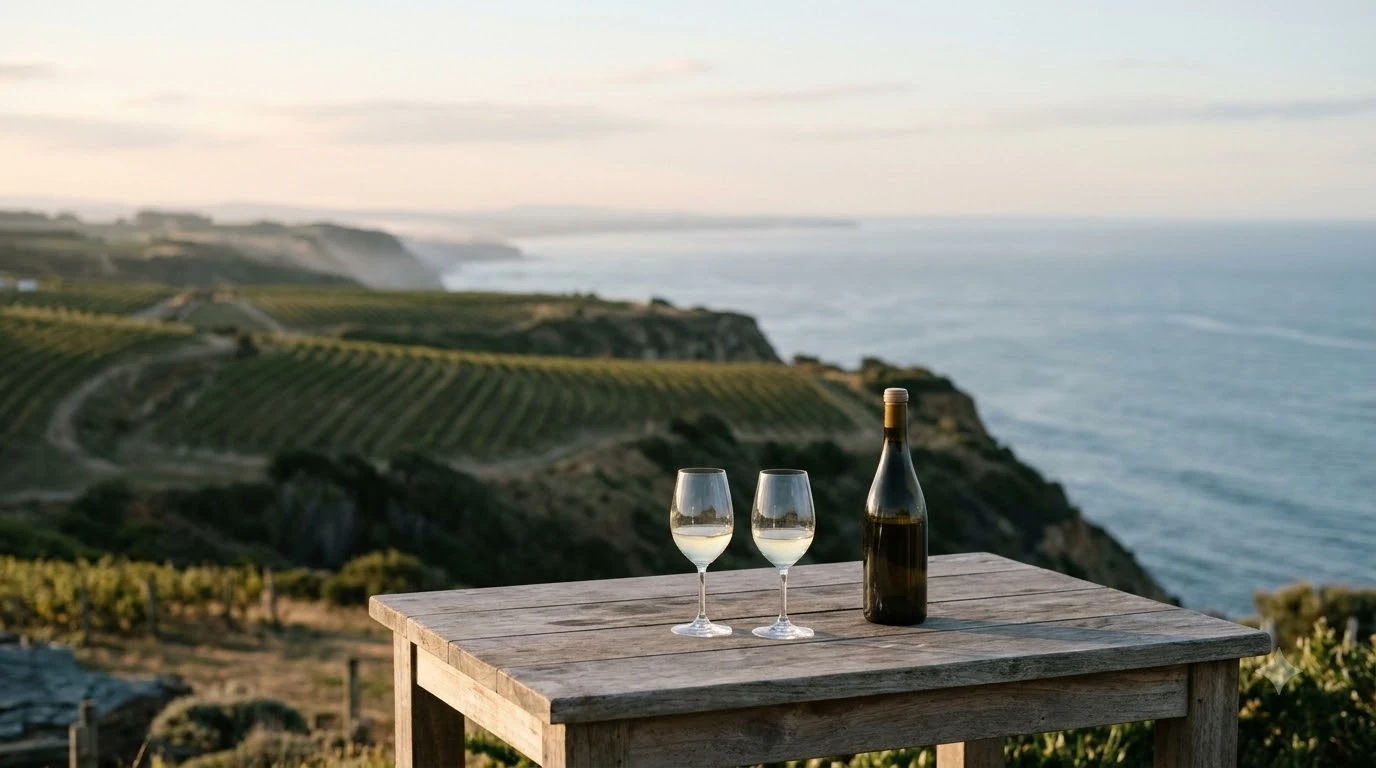
Uruguay vineyards are best known for Tannat in Canelones, but the country’s wine regions also produce fresh Albariño, structured blends, and coastal Pinot Noir. The vineyards stretch from the Río de la Plata to the Atlantic coast and inland toward Brazil. Canelones remains the production center, while Maldonado has become an important source of maritime-influenced wines.
Uruguay is a compact South American wine country with a long viticultural history and a distinctive Atlantic setting. Tannat is only the starting point; its whites and regional contrasts make the wine map more interesting than its size suggests.
Where Uruguay’s vineyards are concentrated
Uruguay’s main vineyard belt follows the southern half of the country, especially Canelones, Montevideo, San José, Colonia, and Maldonado. A smaller but meaningful set of vineyards lies farther north and inland, where red soils, warmer days, and different elevations create styles that do not simply copy the coastal south.
According to figures published by Uruguay’s national wine institute and summarized by Decanter, the country has about 5,797 hectares of vines, roughly 1,048 registered vineyards, and 205 official wineries. Around 40 wineries are active in export markets, so the number of labels that reach the United States is much smaller than the number of producers at home. Many vineyards are smallholdings, and that scale helps explain why family names and individual sites matter so much in the local wine scene.
Canelones is Uruguay’s largest wine-producing region, responsible for about 60% of national production, according to the Instituto Nacional de Vitivinicultura (INAVI). Canelones and Montevideo together account for more than 4,500 hectares of vines, according to Decanter. Early growers planted near Montevideo’s market, but viticulture moved increasingly into neighboring Canelones as the capital expanded.
The west around Carmelo and Colonia has a river-influenced profile, Maldonado has a cooler Atlantic edge, and Rivera and Durazno offer different inland conditions. For a broader framework, the site’s overview of wine regions is a useful companion.
Regional profiles, from Canelones to Rivera
INAVI’s regional profiles show how Uruguay’s vineyards extend well beyond the metropolitan south. Each zone has a distinct combination of climate, soil, and grape varieties, so a regional name can offer useful clues before a bottle is opened.
Canelones is the benchmark growing area, with gently rolling land, fertile soils, nearby rivers, and Tannat, Sauvignon Blanc, Chardonnay, and Merlot. INAVI notes that some local soils contain pink granite more than 600 million years old. Neighboring Montevideo has some of the country’s oldest vineyards, while San José has about 300 hectares of vines and is associated with Tannat.
West of the capital, Colonia, Río Negro, and Soriano form an important growing area. Carmelo and stony sites near the San Juan River suit later-ripening Cabernet Sauvignon as well as Tannat. The country’s oldest commercial winery, Los Cerros de San Juan, was founded in Colonia in 1854. Inland, warmer Durazno, Florida, and Lavalleja have more sunshine; INAVI notes that Durazno’s earlier ripening can help avoid late autumn rain.
The Atlantic region includes Maldonado and Rocha, where ocean breezes slow ripening. In the northeast, Rivera and Tacuarembó have red, sandy soils and hillside sites. INAVI describes Cerro Chapeu vineyards in Rivera reaching about 220 meters, with good drainage and conditions suited to late-ripening Cabernet Sauvignon.
| Area | Useful figure | What to look for |
|---|---|---|
| Canelones | About 60% of national production | Tannat, Sauvignon Blanc, Chardonnay, and blends |
| Montevideo and Canelones | More than 4,500 hectares of vines | Historic family wineries and varied red and white styles |
| San José | About 300 hectares of vines | Classic Tannat and wines from soils similar to Canelones |
| Colonia | Los Cerros de San Juan founded in 1854 | Carmelo wines, Tannat, and later-ripening Cabernet Sauvignon |
| Rivera | Cerro Chapeu vineyards reach about 220 meters | Red sandy soils and Cabernet Sauvignon |
The figures come from INAVI’s regional profiles and Decanter’s reporting. They are orientation points, not a ranking: a coastal slope can make a very different wine from fertile clay, even when both grow Tannat.
Climate, Atlantic breezes, and distinctive soils
Uruguay has a temperate, humid growing environment shaped by the Río de la Plata, the Atlantic Ocean, and several river systems. Yet it is not one cool coastal strip: inland warmth, southern humidity, and rocky eastern slopes create different ripening patterns.
In the south, the Río de la Plata moderates conditions around Montevideo and Canelones. INAVI describes fertile sediment-derived soils in this zone and notes that average rainfall generally makes artificial irrigation unnecessary in the southern growing areas. The region’s water supply, rolling land, and range of soils support both the country’s signature red and a varied group of whites. Some Canelones sites are dense and clay-rich, while others contain ancient pink granite, creating variation even within the country’s largest region.
Maldonado and Rocha are more directly exposed to Atlantic influence. According to INAVI, this oceanic zone has lower temperatures than inland areas, and its wider temperature range slows grape maturation. The region’s geology includes crystalline rock, quartz, alluvial soils, and gravel. Weathered granite forms a local material known as balasto, valued for its permeability and drainage. Decanter notes that these free-draining rocky soils help produce Tannat with greater freshness and brightness than the more powerful stereotype of the variety.
Further north, INAVI places vineyards in Artigas, Paysandú, and Salto at roughly 50 to 60 meters above sea level, with warmth, humidity, and river influence. In the Daymán basin, it describes a daily temperature range from about 40°C to 20°C. Rivera has deep red sandy soils and drier seasons, while Durazno, Florida, and Lavalleja have warmer conditions and loam to sandy-loam soils.
Tannat, Albariño, and the grapes to know
Tannat is Uruguay’s signature red grape, but the country also produces red blends, Cabernet Franc, Merlot, Marselan, Pinot Noir, and increasingly confident white wines. Albariño is the standout white, especially from coastal vineyards.
Tannat and the red varieties
Tannat arrived in Uruguay in the late 19th century and became closely associated with its wine identity. Naturally high in tannin and deep in color, it can make firm, full-bodied wines. Producers increasingly aim for ripe tannins, fresher fruit, and a clearer sense of site, although structured examples still have plenty of grip.
Merlot, Cabernet Sauvignon, Cabernet Franc, Marselan, and Pinot Noir broaden the red-wine picture. Cabernet Sauvignon suits warmer Colonia and Rivera sites, while Merlot softens blends and Cabernet Franc adds herbal detail. Pinot Noir is more closely associated with the cooler eastern coast, where it can retain a lighter frame and brighter acidity.
Blending is an important part of the red-wine picture, too. Producers combine Tannat with Merlot, Cabernet Franc, Cabernet Sauvignon, Marselan, or Petit Verdot to adjust texture and add layers of flavor. Some wines are designed for early drinking, while more concentrated blends can develop with bottle age. When comparing two reds, note whether Tannat is the sole variety or part of a blend, then consider the producer’s choice of extraction and oak as well as the origin of the grapes.
Albariño and the white varieties
Albariño is Uruguay’s leading point of difference among whites. Decanter reports that it was first planted in 2001, with the first wines appearing in 2004. Associated with Galicia in northwestern Spain, it suits the Atlantic climate: expect lively acidity, citrus, orchard fruit, floral notes, and sometimes a saline impression. Maldonado is especially interesting, although Albariño is not confined to one department.
Sauvignon Blanc, Chardonnay, and Viognier are established alternatives, while Riesling, Marsanne, and Petit Manseng add breadth. Sauvignon Blanc emphasizes freshness and acidity; Chardonnay ranges from crisp to fuller styles; and Viognier contributes aromatic richness. White blends are also available, giving Sauvignon Blanc drinkers plenty to explore beyond Tannat.
What Uruguayan wines taste like and what to serve with them
Uruguayan wines span firm, dark-fruited reds and bright coastal whites. Tannat suits substantial food, while Albariño and Sauvignon Blanc work with seafood, vegetables, and dishes that benefit from crisp acidity.
For Tannat, think grilled beef, lamb, smoked sausages, or roasted mushrooms. Its high tannin can feel assertive alone, but fat, protein, and salt soften its grip. Charred eggplant or peppers echo the wine’s darker notes. With heavily spiced chili dishes, remember that alcohol and tannin can amplify heat.
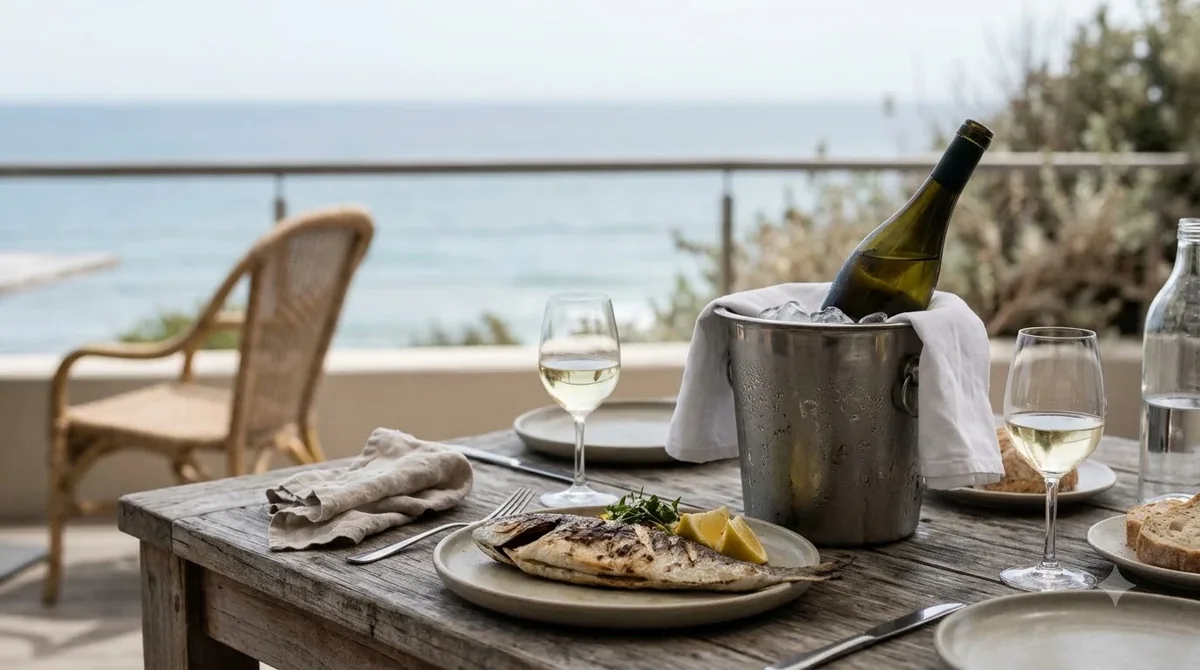
Albariño suits grilled fish, shrimp, oysters, and salads with citrus or herbs. Its acidity works with bright dressings and tomato-based preparations. Sauvignon Blanc is a strong match for goat cheese, green vegetables, and lemon; Chardonnay can work with roast chicken or creamy pasta. Avoid pairing oily fish with strongly tannic reds, which can make both seem harsher.
Serving temperature matters. Give sparkling wines 40–50°F, light whites and rosés 45–50°F, and fuller whites 50–55°F. Serve a lighter Pinot Noir around 55–60°F, while fuller Tannat and other structured reds show better around 60–65°F rather than at a warm room temperature. A 5-ounce pour is a useful standard for comparing wines side by side, especially when a tasting includes a coastal white, a Canelones Tannat, and a red blend.
Tip: If a Tannat tastes overly firm, serve it with salted, fatty food and give a young, full-bodied bottle 30–60 minutes in a decanter. For an Albariño tasting, start with the cooler coastal bottling and move to fuller whites afterward.
How to explore Uruguay’s wine country
A first visit can begin near Montevideo, then branch west toward Canelones and Colonia or east toward Maldonado. This compares the historic production heartland with newer Atlantic-facing vineyards.
Canelones is an efficient introduction to Tannat and the country’s wider range. San José is a natural extension for classic southern reds. A westward trip toward Colonia and Carmelo adds river-influenced sites and history, including Los Cerros de San Juan, founded in 1854.
Choose Maldonado for its coastal influence, rocky and granitic soils, and newer vineyard projects. Compare Tannat with Albariño, Sauvignon Blanc, and Pinot Noir around Garzón and José Ignacio, or follow the coast toward Rocha. Travelers familiar with Tasmania vineyards may enjoy comparing two maritime wine regions, while allowing for different grapes and conditions.
Before setting out, contact wineries directly about appointment requirements, tasting availability, languages, and transport. A tasting flight that includes a regional Tannat, a single-vineyard or reserve bottling, and a local white makes the differences easier to understand than sampling several similar reds. Ask whether the tasting fee is credited toward a visit or purchase, and whether the winery can accommodate visitors who do not speak Spanish.
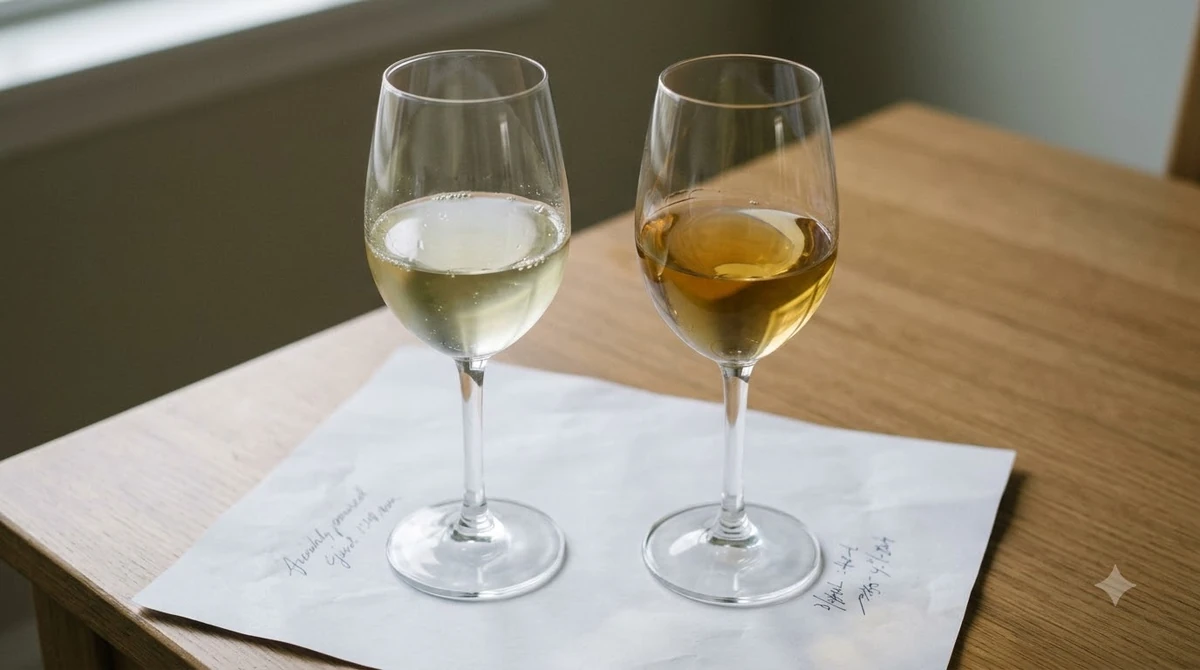
Distances between departments can look short on a map but still take time on rural roads, and a driver is the sensible choice when the day includes several tastings. Ask to taste at least one Tannat and one white wine from the property; where possible, compare a tank-raised white with a barrel-aged or fuller-bodied example, or ask how the vineyard site affects harvest timing. For background on how a country’s wine map can differ from its best-known grape, the guide to Chianti Classico vineyards offers a useful contrast in regional identity and place-led tasting.
For readers who want to understand the country’s long transition from a domestically focused industry to a more export-oriented one, Wine Enthusiast’s overview of Uruguay’s wine country provides historical context. For current regional orientation, INAVI’s Uruguay wine region profiles describe each area’s departments, soils, and suitable grapes.
Frequently Asked Questions
These quick answers cover Tannat’s origins, the scale of its plantings, and the role of white wine and sustainability in Uruguay’s wine sector.
Where did Tannat originally come from?
Tannat originated in southwestern France, particularly in the Pyrenean wine country associated with Madiran and Irouléguy. Its journey to Uruguay is part of the story of Basque immigration to South America in the late 19th century.
How much of Uruguay’s vineyard area is planted to Tannat?
Decanter’s summary of national figures gives Tannat about 1,536 hectares, or approximately 26.5% of the country’s vineyard area. That makes it the leading red grape, but it still leaves most vineyard land for other varieties.
Does Uruguay produce more red wine or white wine?
Uruguay produces around four times more red wine than white wine. White wines nevertheless play an important role in the country’s identity, particularly through Albariño and Atlantic-influenced Sauvignon Blanc.
Does Uruguay have a sustainability certification for vineyards?
Yes. The Uruguay Sustainable Winegrowing certification covers 238 certified vineyards and 2,355 hectares in the national figures summarized by Decanter. The program gives buyers and visitors a named framework to look for when researching vineyard practices.
Is Uruguay’s Albariño the same variety grown in Spain?
Yes, it is the same grape variety, best known in Spain’s Galicia region and also grown across the border in Portugal under the name Alvarinho. The climate and site conditions differ, so the Uruguayan wines should be treated as their own regional expression rather than as copies of Galician bottlings.
Uruguay’s vineyards offer more than a single-grape story: Canelones gives Tannat its historic home, while Maldonado, Colonia, Rivera, and other areas add fresh whites, varied reds, and distinct site character. Start with a Tannat and an Albariño, then use the region on the label to explore the country one place at a time.
More in Wine Regions
 Willcox Wine Trail: Discover Arizona’s High-Elevation Wine CountryUpdated Nov 20, 2026
 Yakima Valley Wine Region: Find the Best Styles to TryUpdated Nov 20, 2026
 Vosne Romanee Wine Tasting: Identify Aromas and Choose Better PairingsUpdated Nov 20, 2026
 Yakima Valley Wine Festival: Find the Best Seasonal Wine EventsUpdated Nov 20, 2026
 Wales Vineyards: Discover Cool-Climate Wines and Where to VisitUpdated Nov 20, 2026
 Yountville Wine Festival: Discover Napa Wines and Local FoodUpdated Nov 20, 2026