

We may earn a commission when you buy through links on this page, at no extra cost to you. Learn more.
Bacchus wine is a white wine made from the Bacchus grape, a German-bred variety known for floral, fruity aromas and a crisp, fresh finish. It is usually made in a light, aromatic style, though producers can make it dry or with a touch of sweetness. Its perfume is the first thing most people notice, and that makes it easy to recognize in a glass.
Bacchus is less familiar to many American drinkers than chardonnay or sauvignon blanc, but it appears on wine lists and shelves often enough to raise questions. This guide covers what the grape tastes like, how the styles differ, how to serve it, and what to eat with it, so you can decide whether it fits your table.
What Bacchus is and where it comes from
Bacchus is a white grape bred in Germany and grown in several cool-climate regions. The variety was created in 1933 at the Geilweilerhof Institute for Grape Breeding in the Palatinate by viticulturalist Peter Morio, who crossed a Silvaner and Riesling cross with Müller-Thurgau. It received varietal protection and general release in 1972, as Wikipedia’s Bacchus grape entry describes. Breeders developed it to ripen reliably in cooler conditions. Its plantings in Germany peaked around 1990 at about 3,500 hectares, more than half of them in Rheinhessen, and it is now also grown in England, where it ranks as the third most planted grape in the UK after Chardonnay and Pinot Noir. Because it is a newer variety rather than a classic old-world grape, its reputation is still building, and the wines vary by producer.
Many people first encounter Bacchus as a lighter, everyday white. Its style is shaped by the vineyard site, the yield, and the winemaker’s choices, so two bottles can taste quite different even when both carry the same grape name.
Flavor and aroma
Bacchus is known for an aromatic profile. Expect floral notes, such as elderflower or orange blossom, along with fresh fruit like green apple, pear, or citrus. The aromas tend to be lifted and bright, which is why the wine often smells more intense than it tastes in the mouth.
On the palate, most Bacchus wines are fresh and light-bodied. Acidity is usually moderate, and the finish is clean. Some producers leave a little residual sugar in the wine, which makes it taste softer and rounder. Others keep it fully dry for a crisper result.
Dry and sweeter styles
Dry Bacchus is a common style and works well as an apéritif or with simple seafood and salads. The aromas stay front and center, and the wine feels light on the tongue. Sweeter versions soften the finish and suit spicy dishes or dessert-style pairings.
When choosing, look at the producer’s description for words like dry, off-dry, or sweet. Those terms help you predict the taste more reliably than the grape name alone.
| Style | Typical taste | Good with |
|---|---|---|
| Dry | Crisp, floral, citrus and green apple | Seafood, salads, goat cheese |
| Off-dry | Softer, with a touch of fruit sweetness | Spicy Thai or Indian dishes, ham |
| Sweet | Rounder and richer, with ripe fruit | Fruit desserts, mild cheeses |
Glassware is worth a moment’s thought. A slightly tapered white glass concentrates the scent without trapping it, which helps when the wine’s perfume is the main reason to drink it. Pour a moderate amount so the glass has room to swirl, and let the wine warm just slightly in the glass as you taste.
How to serve Bacchus
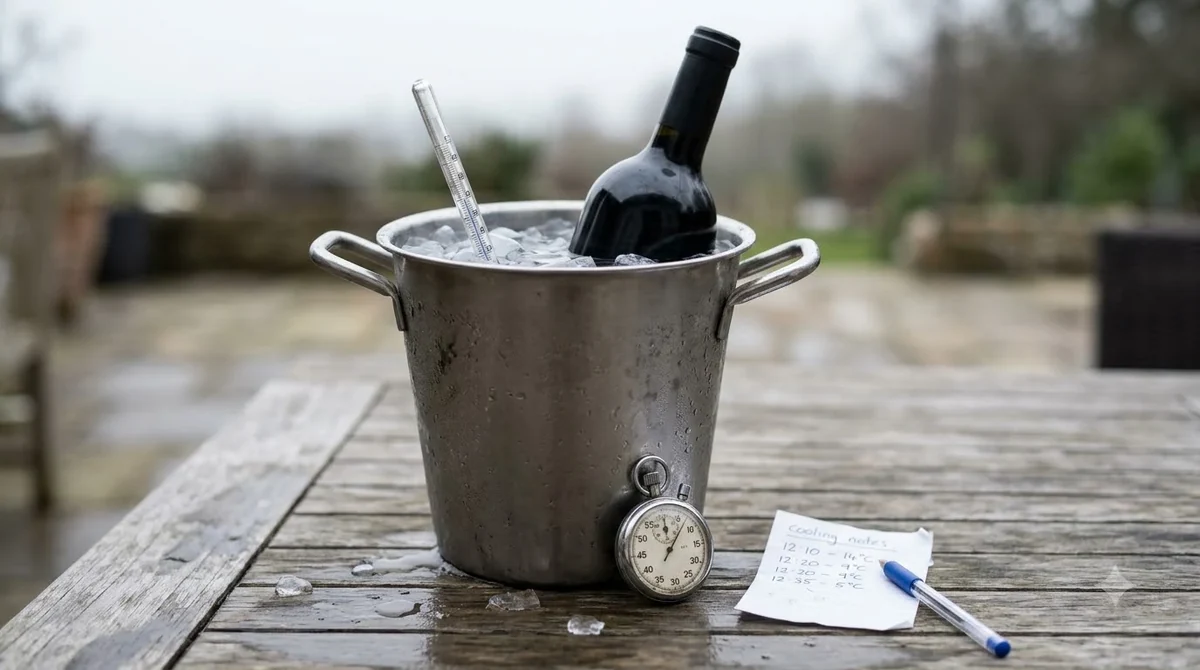
Serve Bacchus well chilled but not ice cold. Very cold temperatures can mute the floral aromas that make the wine appealing, so take the bottle out of the refrigerator a few minutes before pouring. A white wine glass with a moderate bowl lets the aromatics collect near the rim.
Bacchus does not usually need decanting, and it is best enjoyed fresh. Most bottles are meant to be drunk within a year or two of release, so check the vintage before buying one to keep.
Tip: If a bottle tastes flat after a day open, recork it and refrigerate it. The fresh aromas fade quickly once the bottle is opened.
Food pairing with Bacchus
Think about the weight of the dish first. Bacchus is light, so it works best with food that is delicate or fresh. A plate of grilled prawns with lemon, a crab salad, or a platter of soft cheeses and sliced pear gives the wine room to show its aromatics without being overwhelmed. Heavier roasts and rich sauces tend to flatten a light white, so save those for a fuller red.
Herbs are a useful bridge. Dishes built on parsley, dill, basil, or mint echo the green and floral notes in the wine, which makes the match feel natural. A simple pasta with olive oil and herbs, or a vegetable tart with fresh greens, is an easy way to test a Bacchus at home.
Because Bacchus is aromatic and fresh, it pairs well with foods that share those qualities. Light seafood, grilled fish, and fresh salads are natural matches. Dry Bacchus also works with soft goat cheese and vegetable dishes with herbs.
Off-dry styles can handle more heat and spice. A slightly sweet Bacchus balances dishes with chili, ginger, or curry, where a very dry white can taste sharp. For a broader view of how white wines compare, the wine by type section covers the main styles and their food matches.
Label details help more than many shoppers expect. Look for the producer name, the region, and the vintage, and read any tasting notes on the back label. A producer who describes the wine as dry and aromatic is telling you what to expect, while one who mentions a touch of sweetness is signaling a softer glass.
How to choose a bottle
Start with the style you want. If you like a crisp, aromatic white for warm evenings, choose a dry bottle. If you prefer a softer glass with dinner, look for an off-dry or lightly sweet label. Check the vintage, since younger bottles usually show the brightest aromas.
If you are comparing Bacchus with other aromatic whites, the assyrtiko grape guide covers another crisp white that many drinkers try next. If you are also tracking energy in your glass, the calories in white wine guide explains how alcohol and sugar shape the count across styles.
For a first bottle, pick a dry, well-reviewed example from a producer you can find again, then compare it with a second bottle from a different style. Tasting two versions side by side shows you more about what you like than any description can, and it turns a single purchase into a useful reference for future choices.
Storage at home is simple for this style. Keep the bottle in a cool, dark place, and refrigerate it once opened. Because the aromatics are the first thing to fade, a freshly opened bottle will show the most character in its first day or two, so plan to finish it within that window for the best experience at the table, especially when the wine is served as a light start to a meal.
Frequently Asked Questions
Is Bacchus wine sweet?
It can be either. Many Bacchus wines are dry, while some producers leave a little residual sugar. The label or producer description tells you which style you have.
What does Bacchus wine taste like?
Bacchus usually has floral aromas, such as elderflower, along with green apple, pear, or citrus. On the palate it is typically light and fresh.
Should Bacchus be served chilled?
Yes, but not ice cold. A cool temperature keeps it fresh while letting the floral aromas come through.
What food goes well with Bacchus?
Seafood, fresh salads, and goat cheese suit dry Bacchus. Off-dry styles can handle spicy dishes and ham.
Bacchus is a useful white for drinkers who like aromatic wines with a clean finish. Choose the style that fits the meal, serve it cool, and enjoy the perfume that makes it stand out.
More in Wine Types & Grapes
 Zinfandel Sugar Content: Dry Red vs. White Zinfandel GramsUpdated Nov 21, 2026
 Best Zinfandel Substitute Options for Sipping and CookingUpdated Nov 21, 2026
 Zweigelt Food Pairing: Best Dishes, Cheeses, and Serving TipsUpdated Nov 21, 2026
 Zinfandel Tannins Explained: How Structure Shapes Every BottleUpdated Nov 21, 2026
 Zinfandel Sweetness Level: Dry Red vs. Sweet White Zin ExplainedUpdated Nov 21, 2026
 Xinomavro Food Pairing: Best Dishes, Styles, and Serving TipsUpdated Nov 21, 2026