

We may earn a commission when you buy through links on this page, at no extra cost to you. Learn more.
Dry white wine food pairing works best when you match the wine’s acidity, body, and flavor intensity with the ingredients and preparation of your meal. Sauvignon Blanc is a natural choice for seafood, green vegetables, and fresh herbs, while Pinot Grigio complements lighter fish and chicken dishes. Unoaked Chardonnay suits creamy sauces and buttery seafood, and Albariño brings refreshing acidity to shellfish and grilled fish. Choosing the right style makes everyday meals taste more balanced without requiring complicated wine knowledge.
Dry white wine is one of the most useful styles to keep available for meals, entertaining, and cooking. Its generally refreshing acidity, restrained sweetness, and range of textures make it suitable for everything from simple grilled vegetables to roasted chicken and seafood pasta. However, not every dry white tastes alike. A lean Italian Pinot Grigio behaves differently from a fuller Chardonnay, and an aromatic Sauvignon Blanc brings different qualities to a dish than a mineral-driven Albariño. Understanding these differences helps you select a bottle that complements the food instead of competing with it. For a broader introduction to grape varieties and wine styles, explore Wine by Type.
How Acidity, Body, and Flavor Determine the Best Pairings
The most reliable approach to pairing dry white wine is to compare its acidity and weight with those of the food. A bright, high-acid wine can refresh the palate after rich ingredients, while a fuller white can match the texture of cream sauces, roasted poultry, and buttery seafood.
Acidity is particularly important because it influences how refreshing a wine feels alongside food. Sauvignon Blanc and Riesling generally have high acidity, making them useful with lemon-seasoned fish, fresh salads, and dishes containing tomatoes. Chardonnay usually has medium acidity, although cooler-climate examples can feel particularly crisp. Pinot Grigio is often light and refreshing, making it a practical choice for delicate dishes that do not need an especially powerful wine.
Body matters just as much. A delicate steamed white fish can disappear beside a rich, heavily oaked Chardonnay, while a light Pinot Grigio may seem too restrained alongside a substantial seafood pasta with butter, cream, and roasted garlic. The goal is to create a similar level of intensity between the wine and the dish.
Flavor connections provide another useful starting point. Citrus flavors complement lemon-seasoned seafood, herbal wines work with green vegetables and fresh herbs, and rounder whites complement roasted ingredients. These similarities are helpful, but contrast can be equally successful. A crisp wine can balance a rich sauce, while a fuller Chardonnay can complement the creamy texture of a dish.
Virginia Tech’s Department of Food Science and Technology explains that food and wine interactions involve structural elements such as sweetness, acidity, bitterness, and astringency. Its pairing principles help explain why a wine can taste different after a bite of food than it does on its own. Virginia Tech’s food and wine pairing research provides a useful foundation for understanding these relationships.
For a simple starting point, remember three principles: match the wine’s weight to the food’s richness, use sufficient acidity with acidic ingredients, and avoid pairing a very delicate wine with strongly flavored preparations. These guidelines work whether you are serving a weekday dinner or planning several courses for guests.
Seafood, Shellfish, and Fish Pairings
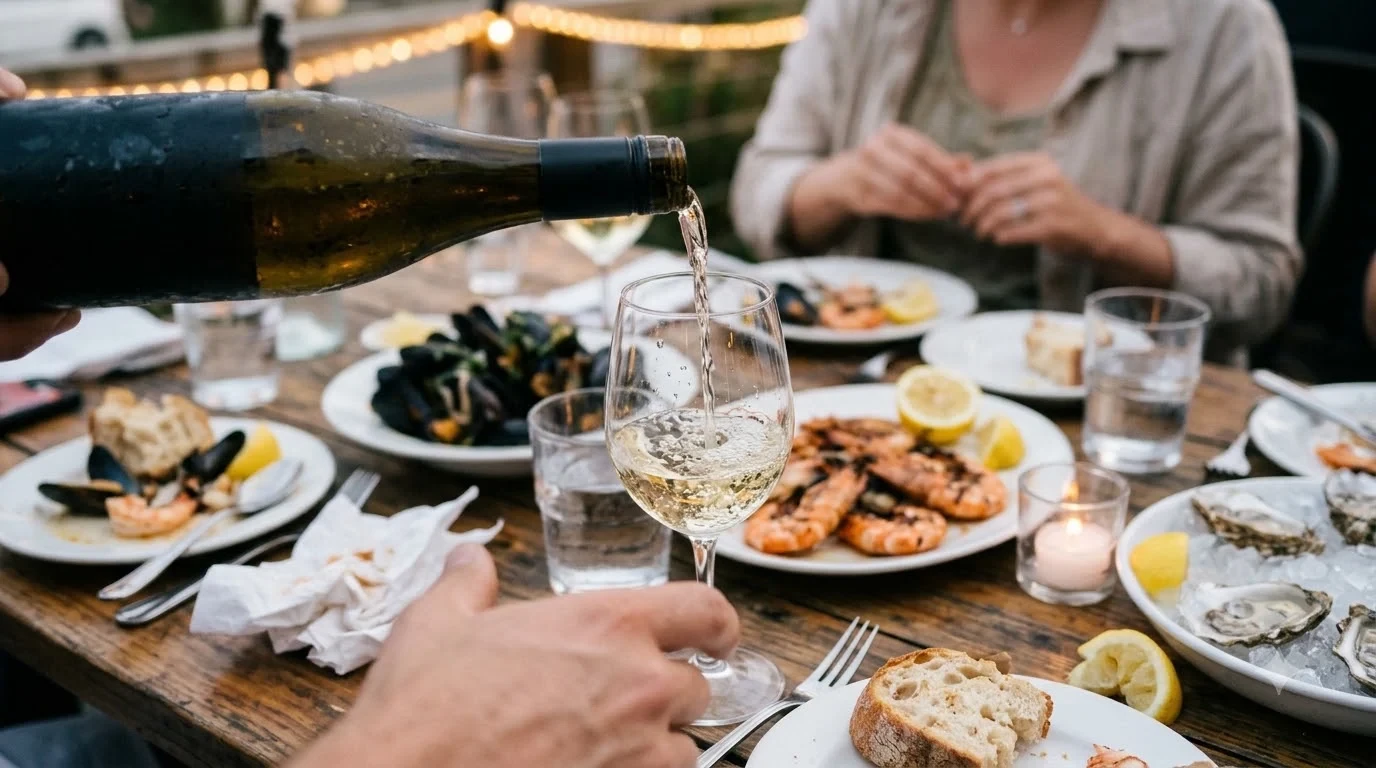
Seafood is among the most dependable partners for dry white wine because many fish and shellfish dishes benefit from refreshing acidity and restrained tannin. Albariño, Sauvignon Blanc, Pinot Grigio, and Vermentino are especially useful choices, depending on the seafood and cooking method.
Albariño is an excellent starting point for shellfish. Its citrus, stone-fruit, and saline characteristics complement oysters, mussels, shrimp, crab, and grilled white fish. Bottles from Rías Baixas in Galicia, Spain, are particularly associated with seafood-friendly freshness. Serve Albariño with shrimp ceviche, grilled prawns, or a seafood platter with lemon and fresh parsley.
Pinot Grigio is another dependable option, especially when the preparation is simple. Its generally light body and subtle fruit allow delicate fish flavors to remain prominent. Try it with steamed cod, grilled sole, baked tilapia, calamari, or shrimp pasta with olive oil. Italian Pinot Grigio is particularly suitable when you want a clean, restrained wine rather than a strongly aromatic one.
Sauvignon Blanc works particularly well with seafood prepared using citrus, fresh herbs, and green vegetables. Its higher acidity and herbal character complement grilled sea bass with parsley, lemon-seasoned scallops, and fish tacos topped with cabbage and cilantro. It is also a strong option for seafood salads with lime-based dressings.
Vermentino offers another Mediterranean-inspired pairing. Its citrus and herbal flavors work with grilled octopus, prawns, white fish, and dishes containing olives, capers, and olive oil. The combination is especially useful when seafood is served with vegetables rather than a heavy cream sauce.
Cooking technique should influence the final selection. Delicately poached fish needs a lighter wine than a grilled fish fillet with browned edges. Fried seafood benefits from refreshing acidity that balances the crisp coating and oil. Meanwhile, scallops served with butter may need a rounder white such as Chardonnay rather than an extremely lean Sauvignon Blanc.
One important exception is oily fish served with a strongly tannic red wine. Dry white wine is often an easier option for fish because it generally avoids the tannin-related metallic or bitter impressions that can develop with some oily seafood preparations. For dishes built around red meat rather than fish, a dry red wine food pairing approach offers more suitable options.
Tip: For a seafood dinner with several dishes, choose Albariño as a versatile middle ground. It can accompany shrimp, mussels, grilled white fish, and simple seafood appetizers without overpowering their flavors.
Chicken, Turkey, Pork, and Other Light Meats
Dry white wines pair well with poultry and pork because these meats are relatively adaptable to different levels of acidity and body. Pinot Grigio suits simply prepared chicken, Sauvignon Blanc complements herb-seasoned poultry, and Chardonnay is a stronger choice for roasted meat served with rich sauces.
For grilled chicken breast, choose Sauvignon Blanc or Pinot Grigio. Sauvignon Blanc works especially well when the seasoning includes lemon, parsley, thyme, or basil. Pinot Grigio is more suitable when the chicken is simply seasoned with salt, pepper, and olive oil. Both options maintain the meal’s freshness without introducing excessive weight.
Roast chicken offers more flexibility. A golden-skinned chicken with rosemary, garlic, and roasted vegetables can pair with either a medium-bodied Sauvignon Blanc or a lightly oaked Chardonnay. If the preparation includes pan juices and butter, Chardonnay becomes particularly attractive because its fuller texture matches the richness of the dish.
Turkey is similarly versatile. Roast turkey with herbs and citrus works with Sauvignon Blanc, Pinot Gris, or Chardonnay. For a Thanksgiving-style meal with gravy, mashed potatoes, and buttery vegetables, choose a fuller Chardonnay or Chenin Blanc. These wines have enough body to accompany the substantial side dishes while maintaining enough freshness to avoid making the meal feel excessively heavy.
Pork provides an opportunity to explore aromatic whites. Dry Chenin Blanc has apple and quince characteristics that complement roasted pork loin, pork chops, and dishes with fruit-based sauces that are not overly sweet. Grüner Veltliner, with its green apple, citrus, and white pepper notes, is another appealing option for pork schnitzel and herb-seasoned pork tenderloin.
Preparation makes a significant difference. Grilled pork with a smoky crust can support a fuller wine than gently poached pork. Similarly, chicken with a creamy mushroom sauce benefits from a richer Chardonnay, while chicken with a bright lemon and herb dressing is generally better with Sauvignon Blanc.
For dishes containing both poultry and seafood, such as chicken and shrimp pasta, choose the wine according to the sauce. A citrus-based sauce points toward Sauvignon Blanc, while a butter-based preparation favors Chardonnay. This approach avoids choosing a wine based only on the main protein when the sauce has a stronger influence on the final flavor.
Vegetables, Salads, Herbs, and Cheese
Vegetable-based meals can be excellent companions for dry white wine, particularly when the preparation includes fresh herbs, olive oil, citrus, or mild cheese. Sauvignon Blanc, Grüner Veltliner, Vermentino, and dry Chenin Blanc offer different combinations of acidity and herbal character that suit these ingredients.
Sauvignon Blanc is particularly useful with green vegetables. Asparagus, green beans, peas, zucchini, and salads with fresh herbs can work well with its citrus and grassy flavors. A Sauvignon Blanc from New Zealand often has an expressive aromatic profile, while Loire Valley examples can offer a more restrained style. Both can complement vegetable dishes, although the seasoning should determine which style is more appropriate.
Grüner Veltliner is a particularly interesting choice for vegetables that have a slightly bitter or peppery character. Its white pepper and green apple notes work with roasted Brussels sprouts, cucumber salads, green beans, and herb-seasoned vegetables. It is also a natural match for Austrian-inspired dishes such as vegetable fritters and schnitzel with a fresh salad.
Vermentino is especially suitable for Mediterranean vegetables. Serve it with grilled zucchini, eggplant, roasted peppers, tomatoes, olives, and basil. Its herbal and citrus characteristics connect with the ingredients commonly used in Mediterranean cooking. A plate of grilled vegetables with olive oil and soft cheese is a straightforward pairing.
Cheese requires some attention to texture and intensity. Sauvignon Blanc is a classic companion for fresh goat cheese because its acidity and herbal character complement the cheese’s tangy flavor. Pinot Grigio works with mozzarella, ricotta, and mild fresh cheeses. Chardonnay can accompany Brie, mild washed-rind cheeses, and creamy preparations.
Salads are more challenging than they first appear. Vinegar-based dressings can make a wine seem less balanced, particularly when the wine does not have enough acidity. Lemon-based dressings also increase the importance of matching the wine’s freshness with the food’s acidity. Sauvignon Blanc and dry Riesling are practical choices for citrus-seasoned salads.
Virginia Tech’s pairing research identifies asparagus, spinach, sorrel, and artichokes as vegetables with relatively high acidity. These ingredients can challenge certain wines when served without balancing components. Adding olive oil, cheese, or another source of fat can soften their sharpness and make the overall combination more harmonious.
For a simple vegetable platter, use Sauvignon Blanc for green vegetables, Vermentino for grilled Mediterranean vegetables, and Grüner Veltliner for peppery or lightly bitter preparations. If cheese is part of the dish, consider its texture and intensity before choosing the wine.
Creamy Pasta, Butter Sauces, and Rich Foods
Rich dishes need a dry white wine with enough body to match their texture and sufficient acidity to keep each bite from feeling heavy. Chardonnay is usually the most dependable choice, while fuller Chenin Blanc and some Pinot Gris styles provide useful alternatives.
Unoaked Chardonnay is especially versatile with creamy pasta. Its apple, citrus, and mineral characteristics provide freshness without introducing strong vanilla or toast flavors. Serve it with fettuccine Alfredo, chicken pasta with cream sauce, mushroom risotto, or seafood linguine with butter and garlic.
Oaked Chardonnay is better suited to preparations with pronounced richness. Lobster with melted butter, roasted chicken with cream sauce, and baked fish with a buttery topping can all benefit from the wine’s fuller texture. Oak aging may introduce vanilla, toast, and buttery impressions that complement browned and roasted ingredients.
However, not every creamy dish needs an oaked white. A light cream sauce with lemon, parsley, and shrimp may be better with unoaked Chardonnay because the wine preserves freshness. The stronger the butter, cheese, or cream component, the more useful a fuller-bodied wine becomes.
Dry Chenin Blanc is another worthwhile choice for rich meals. Its acidity can refresh the palate alongside pork dishes, creamy vegetable gratins, and roast chicken. Depending on the producer and region, Chenin Blanc can also offer enough body to complement dishes with roasted squash, mushrooms, and herbs.
Pinot Gris can work particularly well when the food contains mushrooms, caramelized onions, or roasted vegetables. Its generally fuller texture compared with light Italian Pinot Grigio makes it suitable for preparations with more savory depth. However, some Pinot Gris from Alsace can be off-dry, so the style should be considered when the recipe requires a genuinely dry wine.
Risotto deserves special consideration because its texture can vary considerably. A simple lemon and seafood risotto pairs well with Pinot Grigio or Albariño. A mushroom risotto with butter and Parmesan is more compatible with Chardonnay or fuller Chenin Blanc. In both cases, the wine should complement the dominant ingredients rather than simply follow the name of the dish.
The same logic applies to cheese-based pasta. Parmesan, cream, and butter create a rich combination that benefits from a white wine with adequate body and acidity. Avoid extremely delicate wines that may disappear beside the sauce, and reserve very aromatic styles for recipes with herbs or stronger seasoning.
Spicy Asian Food, Citrus, and International Dishes
Dry white wine can work with many Asian dishes, particularly those based on herbs, seafood, vegetables, and moderate seasoning. Sauvignon Blanc, dry Riesling, Grüner Veltliner, and Vermentino offer useful options, but the level of chili heat and sweetness in the sauce should guide the selection.
Vietnamese food offers several promising combinations. Fresh spring rolls with shrimp, herbs, lettuce, and rice noodles pair naturally with Sauvignon Blanc or Albariño. Their acidity and fresh aromas complement cilantro, mint, lime, and seafood. A dry Vermentino can also work with grilled fish served with herbs and a light dipping sauce.
For Vietnamese grilled chicken or pork with lemongrass, consider Grüner Veltliner or Sauvignon Blanc. Grüner Veltliner has a peppery character that can connect with aromatic seasoning, while Sauvignon Blanc works well when the dish includes lime, fresh herbs, and green vegetables. The wine should not overpower the lemongrass or the natural flavor of the meat.
Thai dishes can require more careful selection. A dry Riesling with high acidity is useful for moderately spicy dishes containing lime, herbs, shrimp, or chicken. However, a dish with substantial chili heat may make a dry, high-alcohol wine feel hotter and more aggressive. Lower-alcohol wines and slightly off-dry styles are often safer choices when the food is particularly spicy.
Japanese cuisine offers several natural combinations. Sauvignon Blanc works with sushi containing cucumber, white fish, and fresh herbs. Pinot Grigio suits tempura shrimp and vegetable rolls, while Albariño complements grilled fish and seafood-based dishes. For sashimi, choose a restrained wine that will not overwhelm the subtle flavor and texture of the fish.
Chinese dishes are equally varied. Steamed fish with ginger and scallions works with Pinot Grigio or Albariño. Stir-fried vegetables with garlic and light soy seasoning can pair with Grüner Veltliner. Chicken with a mild ginger sauce may suit dry Chenin Blanc, while dishes containing sweet sauces require more attention to the wine’s sweetness.
Remember that chili heat is a structural challenge, not simply a flavor preference. Alcohol can intensify the sensation of burning, so a powerful dry white is not always the best partner for heavily spiced food. For very hot preparations, consider a lower-alcohol or slightly off-dry wine instead of assuming that the driest possible bottle is always the right answer.
Choosing, Serving, and Cooking With Dry White Wine
The best bottle depends on the meal, but a small selection of dependable styles can cover most everyday cooking and dining situations. Sauvignon Blanc, Pinot Grigio, and Chardonnay are useful starting points because they offer clearly different levels of acidity, body, and aromatic intensity.
The following table provides practical starting points for common meals. The serving temperatures are recommended ranges in degrees Fahrenheit, and the wine selections reflect typical styles rather than every possible producer variation.
| Food or Preparation | Recommended Wine | Serving Temperature |
|---|---|---|
| Oysters and raw shellfish | Albariño or Sauvignon Blanc | 45–50°F |
| Grilled white fish | Pinot Grigio or Vermentino | 45–50°F |
| Lemon herb chicken | Sauvignon Blanc | 45–50°F |
| Roast turkey with gravy | Chardonnay | 50–55°F |
| Fettuccine Alfredo | Unoaked Chardonnay | 50–55°F |
| Goat cheese salad | Sauvignon Blanc | 45–50°F |
| Grilled vegetables | Vermentino | 45–50°F |
| Moderately spicy Thai food | Dry Riesling | 45–50°F |
| Pork loin with herbs | Dry Chenin Blanc | 45–50°F |
| Mushroom risotto | Chardonnay | 50–55°F |
How to choose a dry white wine
Start by considering whether the dish needs freshness or richness. If the meal contains citrus, seafood, fresh herbs, or vegetables, look for a high-acid style such as Sauvignon Blanc or Albariño. If the meal includes cream, butter, roasted chicken, or mushrooms, consider Chardonnay or fuller Chenin Blanc.
Sweetness is another important consideration. Riesling, Chenin Blanc, and Gewürztraminer can be produced in dry, off-dry, and sweet styles. Their grape names alone do not guarantee a dry wine. For a meal that specifically needs a dry white, choose a clearly dry style rather than assuming every bottle made from these grapes will have the same sweetness.
Wine.com provides a useful overview of common dry white varieties, their typical characteristics, and the regions associated with them. Its dry white wine variety guide is a helpful reference when comparing Sauvignon Blanc, Albariño, Grüner Veltliner, Pinot Grigio, and Chardonnay.
Serving temperature and glassware
Temperature changes how a wine expresses its aroma, acidity, and texture. Light-bodied whites and rosé are generally best served at 45–50°F, while fuller-bodied whites benefit from slightly warmer temperatures of 50–55°F. Serving an aromatic Sauvignon Blanc too cold can suppress its herbal and citrus aromas, while a warm Chardonnay may seem heavier than intended.
Standard white wine glasses are suitable for most dry white styles. A moderately sized bowl gives Sauvignon Blanc and Albariño enough room to release their aromas, while a slightly larger bowl can be useful for fuller Chardonnay. There is no need to use a different glass for every grape variety.
Cooking with dry white wine
The same wine used at the dinner table can often be used in the kitchen. Sauvignon Blanc is suitable for deglazing pans, making seafood sauces, and adding freshness to vegetable dishes. Pinot Grigio works with lighter seafood preparations and simple chicken sauces, while unoaked Chardonnay is particularly useful in cream-based recipes.
When deglazing a pan, add the wine after removing the cooked protein or vegetables. Use a wooden spoon to loosen the browned residue, then allow the wine to reduce before adding stock, butter, cream, or other sauce ingredients. This process incorporates the caramelized cooking flavors into the finished dish.
Avoid heavily oaked wines for recipes where the wine will be reduced substantially, particularly if the sauce is delicate. Strong oak characteristics can become distracting as the liquid concentrates. Wines with noticeable residual sweetness can also make savory sauces taste sweeter than intended.
Choose a sound, drinkable wine rather than a bottle that has become oxidized or unpleasant. The most expensive bottle is not necessary for cooking because heat and reduction change many of the wine’s more delicate aromas. A fresh, straightforward dry white is generally the practical choice.
Storage after opening
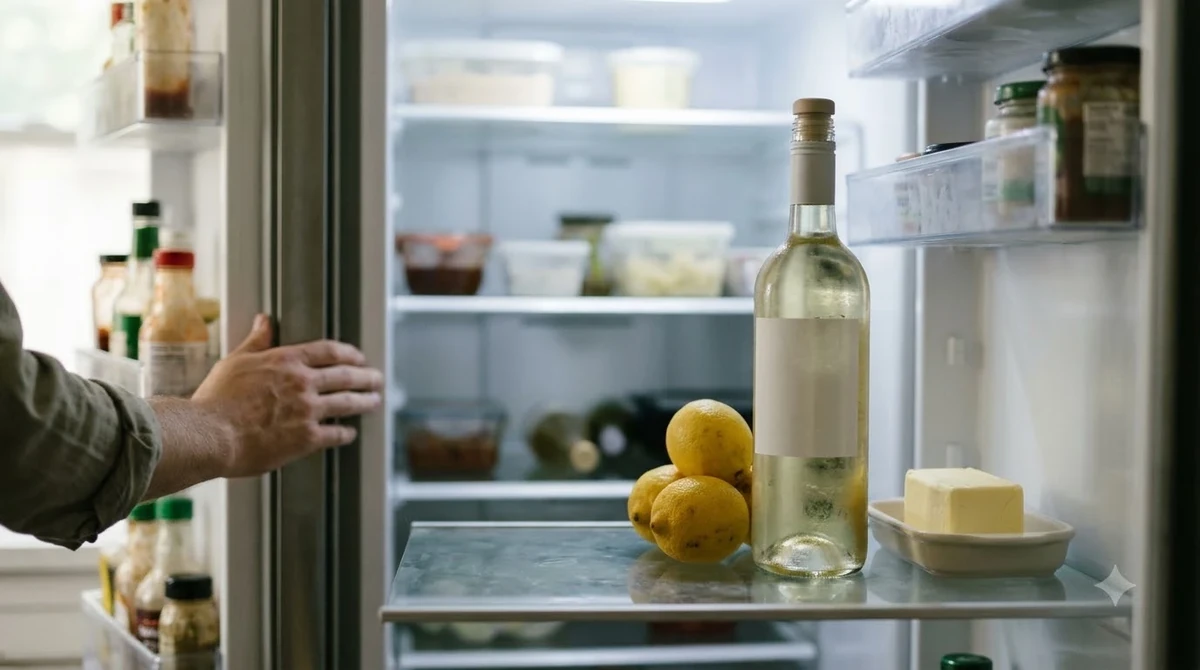
Once opened, still dry white wine generally keeps for 3–5 days in the refrigerator when properly resealed. Minimize air exposure by replacing the closure promptly and storing the bottle upright. If the wine develops noticeably dull fruit, stale aromas, or an unpleasant flavor, it is no longer at its best for drinking.
For entertaining, remember that a standard 750 ml bottle provides approximately five 5-ounce glasses. This makes it relatively easy to estimate how many bottles are needed for a dinner party without overpouring. For a meal with several courses, one versatile bottle of Albariño, Sauvignon Blanc, or Chardonnay can cover multiple dishes, depending on the preparation.
For readers exploring red wines alongside white varieties, Blaufränkisch food pairing offers another useful perspective on matching wine structure and flavor with different meals.
Frequently Asked Questions
Is dry white wine always better than sweet white wine with dinner?
No. Dry white wine is particularly useful for savory meals, but sweetness can be important with spicy dishes and sweet sauces. A slightly off-dry Riesling may be more successful with chili-seasoned food than a completely dry Sauvignon Blanc. The most important principle is that a wine should taste at least as sweet as the food it accompanies.
Can Pinot Gris and Pinot Grigio be paired with the same foods?
Yes. Both wines come from the same grape variety, but their typical regional styles differ. Italian Pinot Grigio is generally lighter and crisper, while Alsatian Pinot Gris often has more body and can retain noticeable sweetness. This means Pinot Grigio is particularly suitable for delicate seafood, while fuller Pinot Gris can work with pork, mushrooms, and mildly spiced dishes.
Does dry white wine have to be completely sugar-free?
No. Dry wine can contain a small amount of residual sugar while still tasting dry. Wine.com describes a general dry classification of under 9 grams per liter, although the exact terminology and thresholds can vary between wine regulations. Perceived sweetness also depends on acidity, alcohol, and the wine’s overall balance.
Which dry white wine works best with mushrooms?
Chardonnay and dry Chenin Blanc are useful choices because their body and texture can complement the savory character of mushrooms. A lightly oaked Chardonnay can work particularly well with roasted mushrooms, while unoaked Chardonnay is suitable for mushrooms prepared with garlic, parsley, and a light butter sauce. Mushroom dishes with stronger herbs can also work with Grüner Veltliner.
Can sparkling wine replace still dry white wine in a food pairing?
Yes. Dry sparkling wines can accompany seafood, fried appetizers, salty snacks, and rich dishes. Brut sparkling wine offers freshness and carbonation, which can make it particularly useful with fried fish and shellfish. Serve sparkling wine at approximately 40–50°F to preserve its freshness and bubbles.
Successful dry white wine food pairing comes down to understanding the relationship between acidity, body, sweetness, and the way a dish is prepared. Start with Sauvignon Blanc for fresh seafood and vegetables, Albariño for shellfish, Pinot Grigio for delicate meals, and Chardonnay for richer sauces and roasted dishes. Once these basic combinations become familiar, experimenting with Grüner Veltliner, Vermentino, and dry Chenin Blanc offers even more possibilities for everyday meals and special occasions.
More in Wine Types & Grapes
 What Does Ruby Port Taste Like? Flavor Notes, Styles, and Serving TipsUpdated Nov 21, 2026
 What Does Ribolla Gialla Taste Like? Crisp White and Amber Styles ExplainedUpdated Nov 21, 2026
 What Does Semillon Taste Like? Flavor Profile, Styles & PairingsUpdated Nov 21, 2026
 What Does Scuppernong Taste Like? Flavor, Styles, and Pairing GuideUpdated Nov 21, 2026
 What Does Saperavi Taste Like? Flavors, Styles, and Pairing GuideUpdated Nov 21, 2026
 What Does Natural Wine Taste Like? Flavors, Styles, and Serving TipsUpdated Nov 21, 2026