
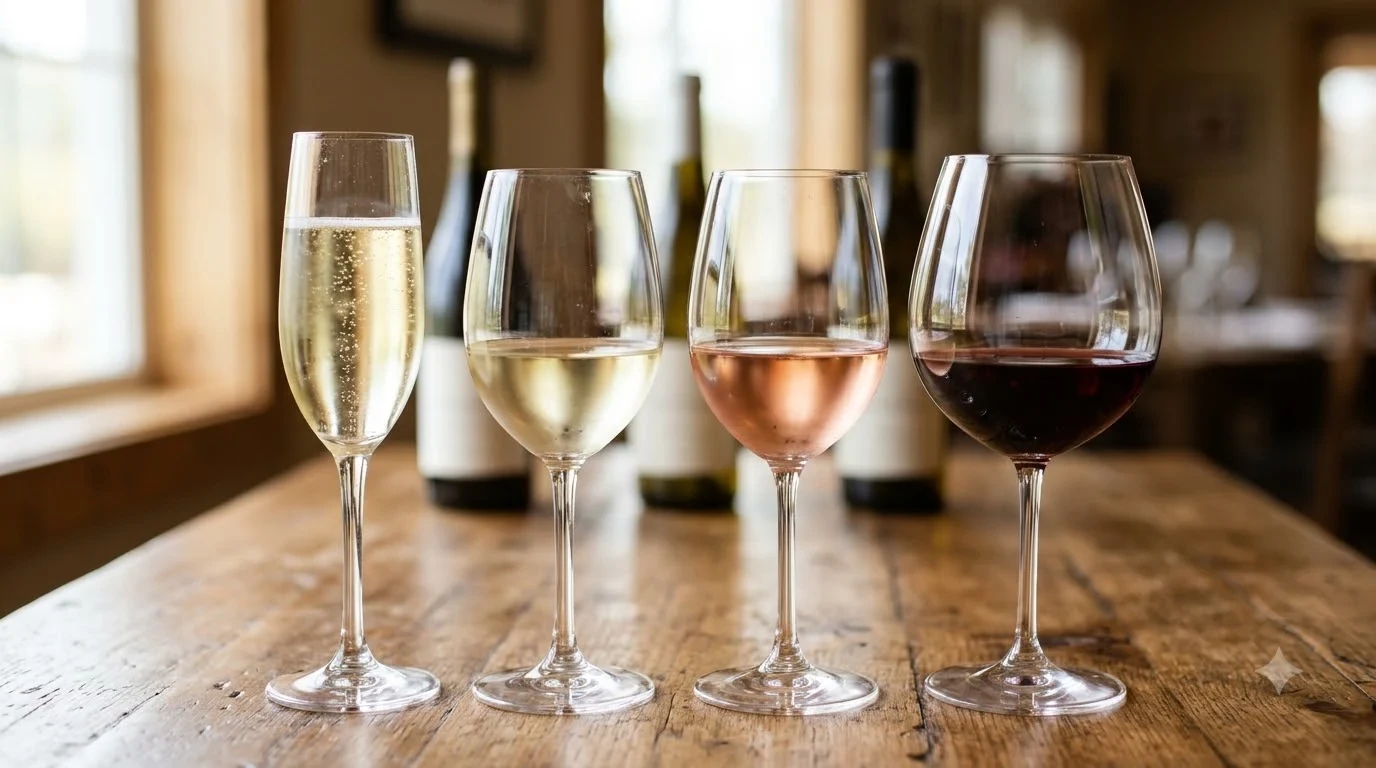

We may earn a commission when you buy through links on this page, at no extra cost to you. Learn more.
If you are wondering what does natural wine taste like, expect bright, tart fruit, lively acidity, and a slightly cloudy, textured mouthfeel that often resembles dry cider or sour beer more than polished commercial wine. Because winemakers ferment these bottles using native yeasts without additives, fining agents, or heavy oak, the flavors lean raw, savory, and refreshingly unpredictable. Depending on the grape and fermentation vessel, a pour can range from clean and mineral-driven to earthy, yeasty, and subtly funky.
Walking into a wine shop or scanning a restaurant list full of minimal-intervention bottles can feel intimidating if you are used to conventional labels. Understanding the sensory profile of low-intervention winemaking helps you know whether a bottle will deliver crisp orchard fruit, gripping skin-contact tannins, or wild barnyard aromatics before you pull the cork.
What Natural Wine Actually Is
Natural wine is fermented grape juice made with minimal intervention in both the vineyard and the cellar, relying on organic or biodynamic farming and spontaneous native yeast fermentation rather than commercial additives. While no single legal body governs the term worldwide, producers generally avoid fining, filtration, added sugars, and heavy doses of sulfur dioxide.
According to Wine Folly’s guide to natural wine, the category accounts for less than 1 percent of global wine production, yet it has reshaped how modern drinkers think about authenticity in the glass. Conventional winemaking often relies on cultured yeast strains, acid adjustments, and new oak barrels to guarantee that every vintage tastes uniform from bottle to bottle. Minimal-intervention producers take the opposite path, letting the native microbes living on the grape skins and inside the cellar drive fermentation.
Because these wines are bottled unfined and unfiltered, they frequently appear hazy or cloudy rather than crystal clear. Tiny particles of spent yeast cells, known as lees, remain suspended in the liquid, contributing directly to the wine’s body and savory aromatics. Winemakers also favor neutral aging vessels such as concrete tanks, stainless steel, old wooden casks, or clay amphorae so that wood spice never masks the raw character of the fruit.
Flavor Profile and Core Styles
The flavor profile of natural wine spans a wide spectrum from clean, electric, and fruit-forward to deeply savory, oxidative, and funky. Rather than tasting overly sweet or heavily oaked, most bottles emphasize tart red berries, bruised apple, citrus pith, wet stone, and subtle sourdough or kombucha-like tang.
Reviewers at Wine Enthusiast point out that many minimal-intervention bottles taste remarkably classic and clean, while others lean into wild, unconventional territory that surprises first-time drinkers. Wild fermentation takes longer than fermentation with commercial yeast, which often gives white and rosé bottlings a creamier, slightly oily texture alongside softer, less piercing acidity. In contrast, wild-fermented reds frequently display bright cranberry and pomegranate fruit layered over earthy notes of forest floor, dried herbs, and mild barnyard funk.
To make sense of the shelf, it helps to group natural bottles into four primary stylistic families found across most wine types:
| Natural Wine Style | Visual Appearance | Primary Aromas and Flavors | Texture and Mouthfeel |
|---|---|---|---|
| Glou-Glou Reds | Translucent ruby or bright purple, lightly hazy | Tart cranberry, sour cherry, crushed raspberry, white pepper | Light-bodied, juicy, low tannin, brisk acidity |
| Unfiltered Whites | Pale straw to golden yellow with visible cloudiness | Lemon pith, green apple, quince, sourdough bread, wet chalk | Creamy mid-palate from lees contact, crisp finish |
| Skin-Contact (Orange) | Deep amber, copper, or burnished apricot | Dried apricot, blood orange peel, black tea, bruised apple, nuts | Grippy, tea-like tannins with savory structure |
| Pét-Nat (Pétillant Naturel) | Cloudy peach, lemon, or pink with fine sediment | Yeast, green pear, unripe strawberry, cider, citrus blossom | Gentle, rustic fizz with a dry, tangy finish |
Skin-contact white wines—often called orange wines—deserve special attention because they bridge the gap between white and red profiles. By fermenting white grapes with their skins and seeds for days or months, winemakers extract phenolic compounds that create the color of amber tea and the drying tannic grip usually reserved for red wine. Meanwhile, pétillant naturel (pét-nat) sparkling wines are bottled before primary fermentation finishes, trapping natural carbon dioxide and a light dusting of yeast sediment inside the glass.
Why Minimal Intervention Creates Distinct Aromas
The distinct smells and flavors in natural wine come directly from wild yeasts, bacterial activity, and reduced sulfur levels during fermentation and aging. Without commercial yeast strains dominating the tank, dozens of indigenous microorganisms contribute complex aromatic compounds before alcohol levels rise high enough to quiet them down.
Early in a wild fermentation—before the must reaches roughly 4 percent alcohol—non-Saccharomyces yeasts and lactic acid bacteria produce esters, volatile acids, and savory phenols. In small amounts, these compounds smell like fresh bread dough, wild flowers, crushed herbs, or tangy yogurt. When pushed further, especially in low-sulfite environments, microbes like Brettanomyces can introduce notes of leather, clove, cured meat, or barnyard earthiness that wine lovers affectionately call “funk.”
Oxidation also plays a larger role when producers use little or no added sulfites. Controlled exposure to oxygen softens harsh edges and brings out nutty, baked-apple, and bruised-fruit nuances reminiscent of dry sherry or farmhouse cider. Because high acidity naturally protects wine from spoilage microbes, winemakers prize grapes harvested with brisk natural acid—ideally keeping the pH near 3.0 to 3.5—which is why so many minimal-intervention bottles taste mouthwateringly tart.
How to Serve Natural Wine for the Best Taste
Proper serving temperature and brief aeration can completely transform how a natural wine smells and tastes in your glass. Serving bottles slightly cooler than conventional norms keeps volatile aromatics crisp, while giving funky reds a short decant lets trapped reduction blow off.
Because minimal-intervention wines are bottled without stabilizers or sterile filtration, temperature swings affect them quickly. Store bottles in a cool, dark place away from heat and direct sunlight, and chill them intentionally before opening. Light-bodied natural reds—such as chillable Gamay, Poulsard, or young Corvina blends—shine when cooled slightly so their bright berry fruit stays snappy rather than soupy.
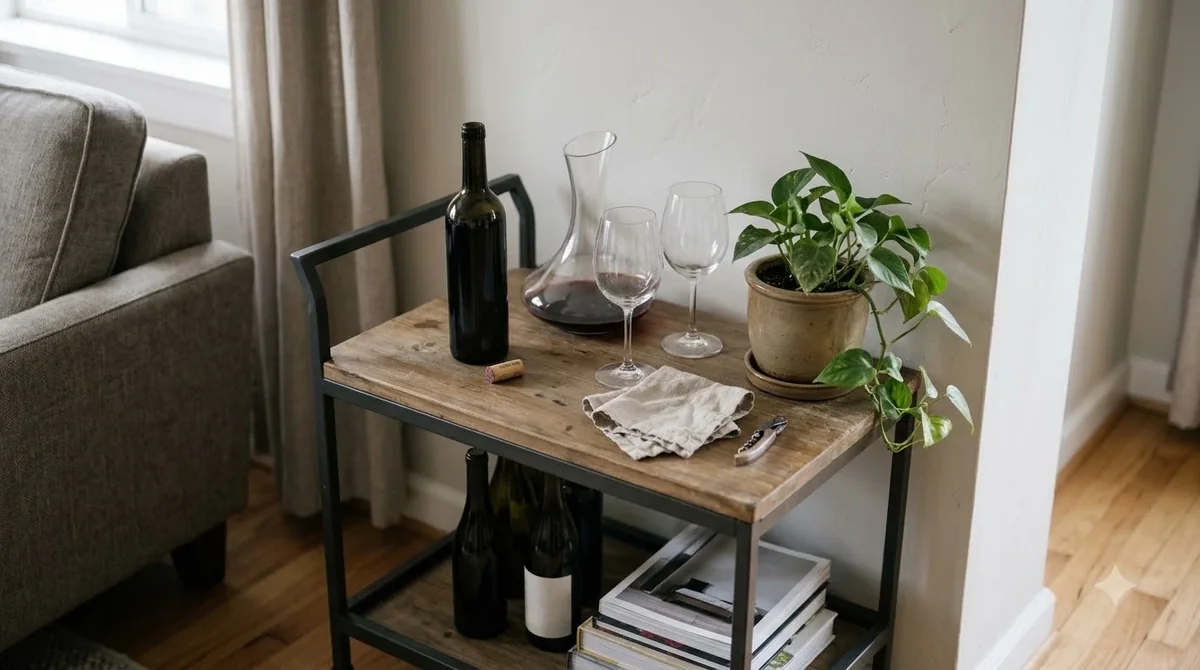
If you pop a cork and immediately notice a sharp smell of struck match, boiled cabbage, or damp cellar, the wine is experiencing harmless reduction from sitting sealed without oxygen. Swirl the glass vigorously or pour the wine into a decanter for 20 to 30 minutes; exposure to air almost always clears away sulfurous notes and reveals bright fruit underneath. Avoid shaking bottles with visible sediment at the bottom—stand them upright for a few hours before serving if you prefer a clearer pour, or gently invert a pét-nat once if you enjoy the extra yeasty texture.
Tip: Chill light natural reds for 20 to 30 minutes in the refrigerator before serving—cooler temperatures tighten their acidity and keep wild, earthy aromas fresh and balanced.
Food Pairing with Natural Wines
High acidity, savory depth, and food-friendly tannins make natural wines exceptionally versatile at the dinner table. Instead of overpowering delicate ingredients with heavy oak or sweet fruit, minimal-intervention bottles refresh the palate between bites and complement fermented, salty, and herbaceous dishes.
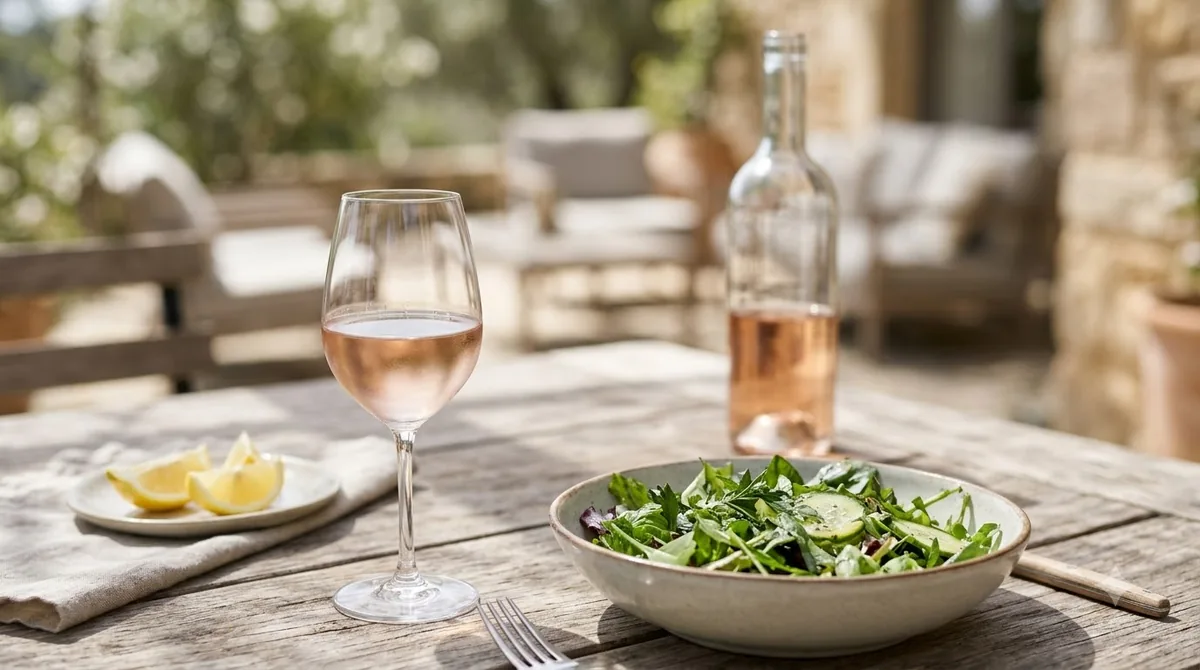
Crisp, unfiltered white wines made from grapes like Chenin Blanc or Melon de Bourgogne pair effortlessly with raw oysters, goat cheese, roast chicken, and lemon-dressed greens. Their yeasty lees texture mirrors creamy sauces while their sharp acidity cuts right through rich butter and fried foods. Light, juicy glou-glou reds match well with charcuterie boards, wood-fired pizza, grilled sausages, and mushroom risotto, where their earthy undertones echo umami-rich ingredients.
Skin-contact orange wines are secret weapons for complex, spiced, or notoriously hard-to-pair cuisines. Their tea-like tannic grip and dried-citrus aromatics stand up to Moroccan tagines, aged hard cheeses, roasted root vegetables, kimchi, and curry dishes without clashing. Meanwhile, a dry, cider-like pét-nat works beautifully alongside salty potato chips, fried calamari, or brunch dishes featuring eggs and smoked salmon.
How to Choose a Bottle You Will Enjoy
Choosing a natural wine that suits your palate comes down to checking the back label, identifying the winemaking style, and asking targeted questions at an independent wine shop. Because the word “natural” rarely appears as a regulated claim on front labels, knowing a few visual and textual cues prevents unpleasant surprises.
Look for back-label phrases such as “unfiltered,” “unfined,” “native yeast fermentation,” “zero-zero” (meaning no additives and no added sulfites), or “vin de France” on French bottles whose producers opted out of strict regional rules. If you normally enjoy clean, fruit-driven wines and want a gentle introduction, start with low-intervention bottles that use a tiny, protective dose of sulfites at bottling. These wines preserve pure varietal fruit and floral lift while avoiding extreme sourness or barnyard funk.
When shopping in person, tell the staff what flavors you already enjoy—whether that is crisp Sauvignon Blanc, earthy Pinot Noir, or dry Belgian sour ale—and ask whether a bottle leans clean and mineral or wild and funky. Reputable wine shops store their minimal-intervention selections in temperature-controlled spaces, protecting delicate, low-sulfite bottles from premature oxidation before they ever reach your kitchen counter.
Frequently Asked Questions
Does natural wine always taste sour or funky?
No, natural wine does not always taste sour or funky. While some zero-sulfite bottles develop tangy, cider-like notes or earthy barnyard aromas from wild yeasts, many minimal-intervention wines taste clean, crisp, and purely fruit-driven. Asking a wine shop for a “clean” rather than “funky” natural bottle will steer you toward classic flavors.
Why does natural wine sometimes taste like cider or kombucha?
Natural wine can taste like dry cider or kombucha because native yeasts and lactic acid bacteria produce higher levels of volatile acidity and savory esters during spontaneous fermentation. Unfiltered sediment and gentle oxidation without added sulfites also emphasize bruised-apple and tangy, fermented aromatics.
Is natural wine supposed to be cloudy or fizzy?
Cloudiness is completely normal in natural wine because producers skip fining and filtration, leaving harmless yeast particles and grape solids suspended in the liquid. A slight prickle of fizz can also occur in young bottles or pét-nats when trace amounts of carbon dioxide remain trapped after fermentation.
How can you tell if a natural wine is flawed versus just funky?
A wine with pleasant funk shows earthy, savory, or yeasty complexity alongside vibrant fruit and refreshing acidity, and those aromas usually open up positively after 20 minutes of air. By contrast, a flawed bottle smells overwhelmingly of sharp nail polish remover, vinegar, wet cardboard, or rotten eggs that worsen rather than fade in the glass.
Exploring natural wine rewards curiosity, especially when you approach each bottle with an open mind about texture, acidity, and aroma. Whether you gravitate toward a crisp, mineral-driven unfiltered white or an adventurous skin-contact orange wine, paying attention to serving temperature and pairing partners lets these expressive bottles shine at the table.
More in Wine Types & Grapes
 Zinfandel Sugar Content: Dry Red vs. White Zinfandel GramsUpdated Nov 21, 2026
 Best Zinfandel Substitute Options for Sipping and CookingUpdated Nov 21, 2026
 Zweigelt Food Pairing: Best Dishes, Cheeses, and Serving TipsUpdated Nov 21, 2026
 Zinfandel Tannins Explained: How Structure Shapes Every BottleUpdated Nov 21, 2026
 Zinfandel Sweetness Level: Dry Red vs. Sweet White Zin ExplainedUpdated Nov 21, 2026
 Xinomavro Food Pairing: Best Dishes, Styles, and Serving TipsUpdated Nov 21, 2026