

We may earn a commission when you buy through links on this page, at no extra cost to you. Learn more.
What is natural wine? Natural wine is an umbrella term for wine made from organically or biodynamically farmed grapes, with the winemaker intervening as little as possible in the cellar. Natural wines often use wild yeasts and little or no added sulfites, and they tend to taste more lively, unusual, and sometimes cloudy than conventional bottles. Because the term is used loosely, the label can mean slightly different things from one producer to the next.
Natural wine is one of the most talked-about categories on wine lists and in shops, yet it is also one of the least consistent. Some bottles are bright and joyful, while others taste unstable or funky to drinkers who expect a clean, polished glass. Knowing what the term covers helps you decide whether a natural wine is worth trying and what to expect when you open one.
What natural wine means
The term describes an approach rather than a single recipe. Natural wine producers usually start in the vineyard, using organic or biodynamic farming, and they let the grapes speak through minimal interference. VinePair describes natural wine as an umbrella term for wine made with organic or biodynamic practices, where the winemaker intervenes as little as possible.
That approach is looser than it sounds. A natural wine may be made by a grower who farms organically but still uses a small dose of sulfites, or by a producer who avoids all additions. Because there is no universal standard, the best way to learn a producer’s approach is to read about the winery itself, not just the front label.
How natural wine is made
In the vineyard, natural wine growers often let weeds and cover crops grow between the vines to encourage biodiversity. The goal is to work with the land and keep the soil alive, rather than relying on synthetic inputs. Harvest is often done by hand, and the fruit is sorted before it reaches the cellar.
In the winery, the most visible difference is fermentation. Many natural winemakers ferment with wild yeasts that arrive on the grapes or in the air, instead of cultured yeasts bought in packets. Wild fermentations can be slower and less predictable, which adds variation from one vintage to the next.
The biggest trend is the use of no added sulfites. Sulfites are a preservative that helps wine survive transport and time on the shelf, and conventional wines usually contain them. Removing them makes the wine more sensitive to oxygen and temperature, so natural wines need more careful handling from the producer to the glass.
Flavor and style
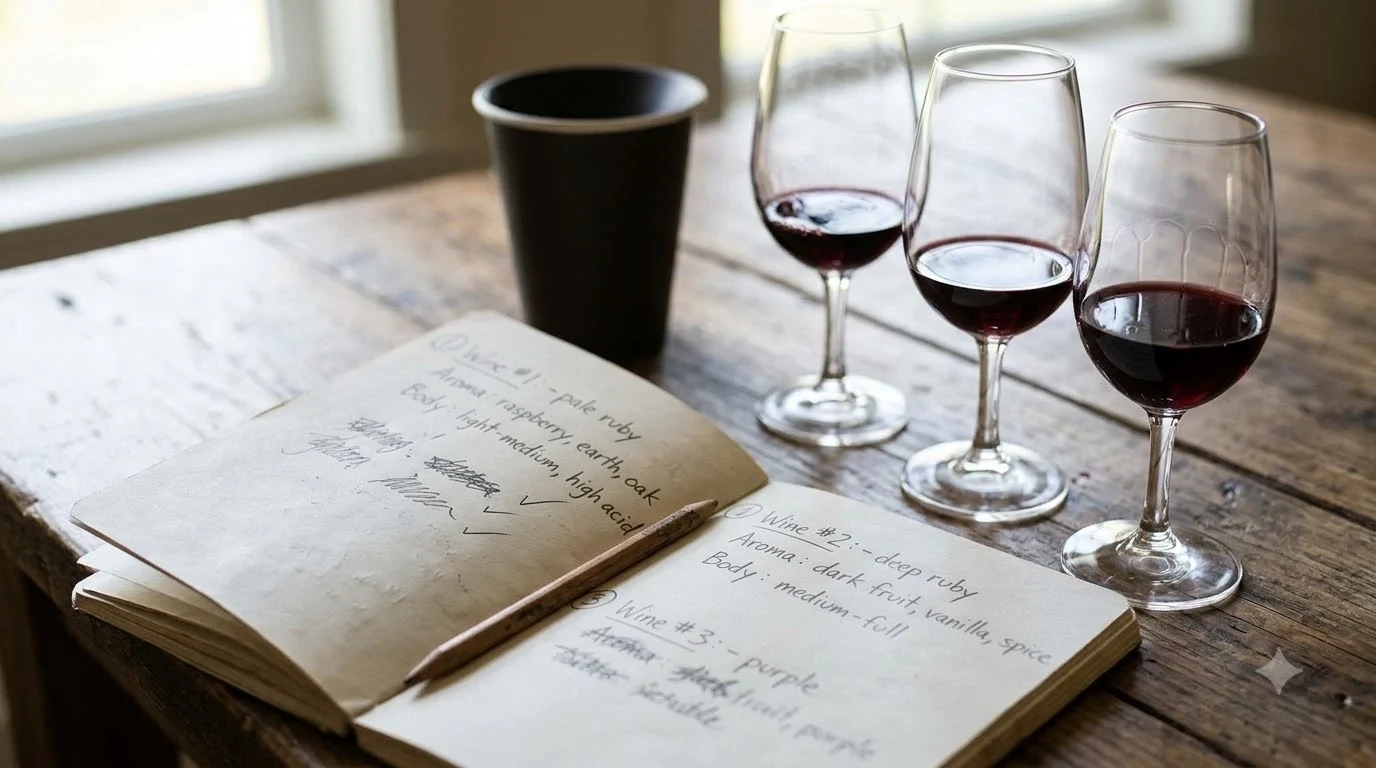
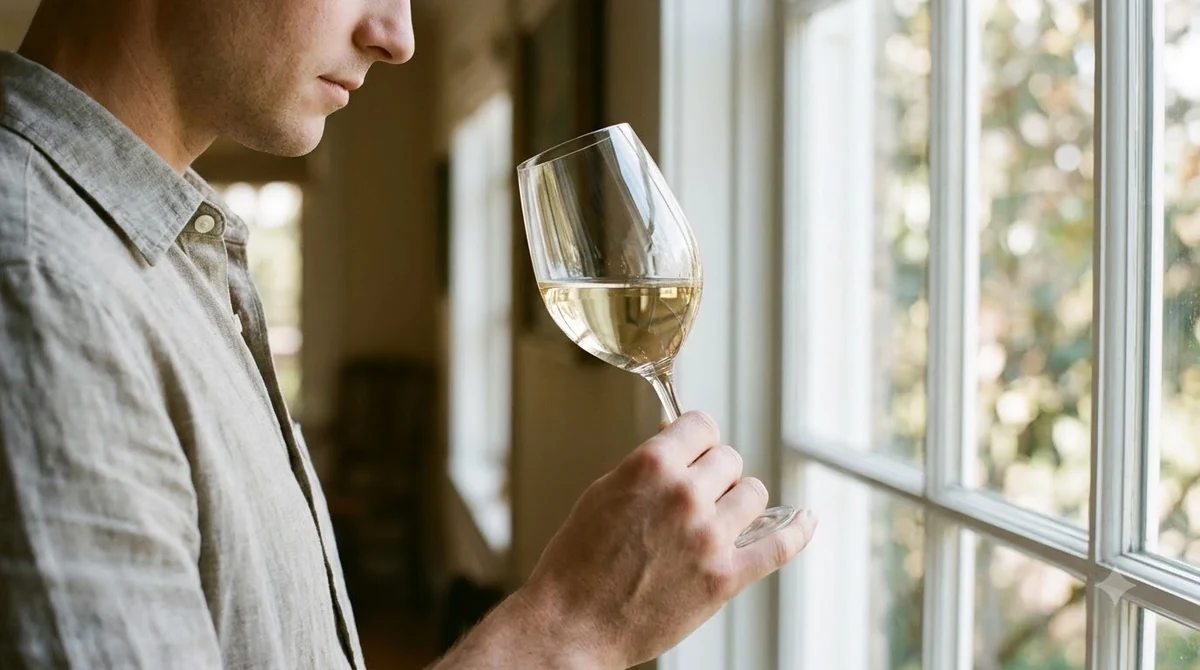
Natural wines can have unusual aromas and a lively, vibrant character that drinkers either love or find strange. Reds often show a looser, more layered structure, with flavors that seem to separate as they open in the glass. Some bottles taste earthy, savory, or slightly fizzy, depending on how the wine was made and bottled.
Orange wine is the most common example of the style. These are white wines made like reds, with the skins left in contact with the juice during fermentation. The result is a fuller-bodied white with more tannin, a deeper color, and a savory edge. Many people who are new to natural wine are first introduced to the category through an orange wine.
Not every natural wine is funky. Many are clean, fresh, and fruit-forward, and some producers aim for a pure, precise style that tastes close to a classic bottle. The category is broad, so it helps to think of it as a way of making wine rather than a single taste.
| Feature | Natural wine | Conventional wine |
|---|---|---|
| Farming | Often organic or biodynamic | Often conventional, though organic is common |
| Yeast | Frequently wild, sometimes cultured | Usually cultured yeast |
| Sulfites | Often none or very low | Typically added for stability |
| Consistency | Can vary strongly between bottles | Generally more uniform |
Tip: If a natural wine tastes off, it may be a storage or oxygen issue rather than a flaw in the style. Check how the bottle was kept before deciding whether to try another from the same producer.
The downsides of natural wine
Natural wine is not without drawbacks. Without sulfites and other intervention, some bottles can develop an unpleasant “swampy” aroma, lose subtle fruit notes, or look cloudy in the glass. These faults are the main reason skeptics dismiss the category, and they are a fair concern for people who want a predictable bottle every time.
Cost and availability are the other common complaint. Natural wines are often made in small batches, require more manual work, and have narrower distribution than mass-market bottles. Those factors raise prices, and VinePair notes that the category can cost more than many everyday drinkers are willing to pay.
The trend itself is not brand new. VinePair traces the movement to the green movement of the late 1990s, with natural wine rising in popularity since about 2009. That history means the category has had time to mature, and the best producers now have a clear and consistent identity.
How to choose and serve natural wine
Start with a producer whose wines you can find more than once, so you can compare the same bottle across vintages. Shops and wine bars that specialize in natural wine can also guide you, since staff often know which producers are consistent and which are more experimental. Reading the back label for the producer’s name and region gives you more to work with than the word “natural” alone.
Serve natural wine at a cool temperature. Lighter reds and orange wines often taste best slightly chilled, while fuller reds can be served a little cooler than room temperature. Pour into a standard glass and let the wine breathe for a few minutes if it seems closed at first, since some bottles open up noticeably after a short rest.
Pairing natural wine with food
Natural wines tend to be food-friendly because their acidity and savory notes work with a wide range of dishes. Orange wines pair well with cured meats, roasted vegetables, and hearty grain dishes, while a fresh, fruity red can be a good match for grilled fish or lighter poultry. Many natural wine bars focus on small plates, which makes it easy to try several styles in one meal.
Because the flavors can be unusual, pairing works best when you match intensity rather than trying to find a classic combination. A delicate, floral bottle suits salads and fresh cheeses, while a richer, savory wine can stand up to stews and roasted meats. Let the wine guide the menu, not the other way around.
Frequently Asked Questions
Is natural wine the same as organic wine?
No. Organic wine describes how the grapes were farmed, while natural wine also covers how the wine was made in the cellar. Many natural wines are organic or biodynamic, but organic wines are not always natural.
Does natural wine contain no sulfites at all?
Not always. Many producers add no sulfites, but some add a small amount at bottling. Check the producer’s approach or the label to see what the wine contains.
Why does natural wine sometimes look cloudy?
Without filtration and with minimal fining, tiny particles from the grapes and yeast can stay suspended in the wine. The haze is usually harmless, though it can signal a wine that was not stabilized for long storage.
Where should a beginner start with natural wine?
Try a fresh, fruity red or a lighter orange wine from a producer that sells consistently. Once you know what you like, branch out to more adventurous bottles from the same region.
Natural wine is a way of making wine that prioritizes farming, minimal cellar work, and a sense of place. It can be exciting, uneven, or both, which is part of its appeal. To see how natural styles fit into the wider map of grapes and wine types, browse the wine by type guide, and if you want a dry white to compare, try reading about the assyrtiko grape. For a clear explainer on the category’s history and practices, read the VinePair guide to natural wine.
More in Wine Types & Grapes
 Zinfandel Sugar Content: Dry Red vs. White Zinfandel GramsUpdated Nov 21, 2026
 Best Zinfandel Substitute Options for Sipping and CookingUpdated Nov 21, 2026
 Zweigelt Food Pairing: Best Dishes, Cheeses, and Serving TipsUpdated Nov 21, 2026
 Zinfandel Tannins Explained: How Structure Shapes Every BottleUpdated Nov 21, 2026
 Zinfandel Sweetness Level: Dry Red vs. Sweet White Zin ExplainedUpdated Nov 21, 2026
 Xinomavro Food Pairing: Best Dishes, Styles, and Serving TipsUpdated Nov 21, 2026