

We may earn a commission when you buy through links on this page, at no extra cost to you. Learn more.
Dry red wine food pairing works best when you match the wine’s tannin, acidity, body, and flavor intensity with the richness and seasoning of the dish. Cabernet Sauvignon is a natural choice for fatty steak, Merlot complements roasted meats and savory pasta, and Pinot Noir works with lighter dishes such as roast chicken and mushrooms. The most reliable approach is to consider the entire plate, including its sauce, cooking method, and seasonings, rather than choosing a wine based only on the main ingredient.
Dry red wine is a broad category that includes everything from light, bright Pinot Noir to concentrated Cabernet Sauvignon. Although these wines share relatively little residual sweetness, their differences in tannin, acidity, alcohol, and body have a major effect on food compatibility. A successful pairing brings those characteristics into balance with the meal. Once you understand a few basic principles, you can choose a bottle for a steakhouse dinner, a casual pizza night, a cheese board, or a vegetarian meal without relying on rigid food-and-wine rules.
Understand the Main Characteristics of Dry Red Wine
The best starting point for pairing red wine is understanding how it feels and tastes rather than concentrating on grape names alone. Tannin, acidity, body, alcohol, and fruit intensity determine which foods can complement a particular bottle.
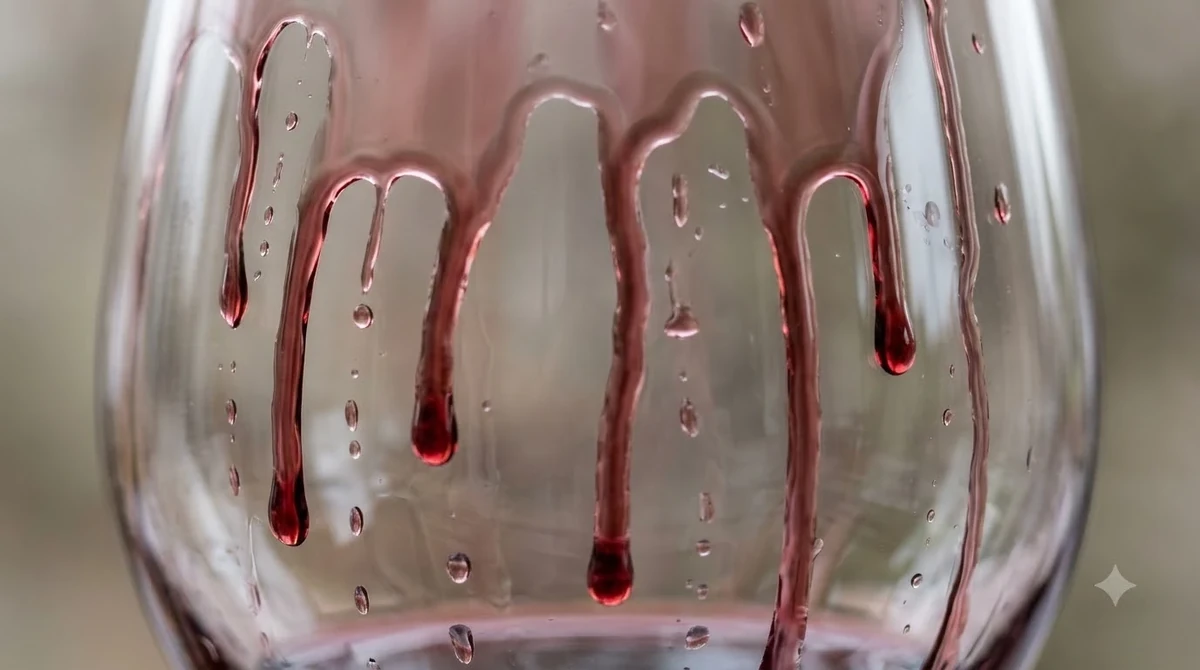
Dry red wine contains little residual sugar, but dry does not mean harsh, bitter, or lacking fruit. A dry wine can smell and taste of ripe cherries, blackberries, plums, herbs, pepper, or spices while remaining technically dry. Its fruit character comes from the grapes and winemaking process, not necessarily from added sweetness.
Tannin is especially important because it produces a drying, slightly gripping sensation in the mouth. Red wines acquire much of their tannin through contact with grape skins during fermentation, and some also receive tannins from seeds, stems, and oak aging. According to Wine Enthusiast’s explanation of red wine characteristics, tannins contribute texture, structure, and aging potential. They also help explain why certain reds perform better with rich meat dishes than delicate seafood.
Acidity provides freshness and keeps a wine from feeling heavy. A high-acid red can refresh the palate between bites, particularly when a dish contains tomato sauce, roasted vegetables, or other naturally acidic ingredients. Body describes the wine’s overall weight and concentration. A light-bodied red generally feels less substantial than a full-bodied Cabernet Sauvignon or Syrah.
These characteristics help explain the differences among familiar grape varieties:
- Cabernet Sauvignon: High tannin, substantial body, and flavors that often include blackcurrant, blackberry, black cherry, and herbs.
- Merlot: Medium tannin, softer texture, and flavors of plum, cherry, and other ripe red or dark fruits.
- Pinot Noir: Low-to-medium tannin, high acidity, and flavors that can include raspberry, cherry, earth, and forest floor.
- Syrah: Medium-plus to high tannin, substantial flavor intensity, and possible notes of black fruit, pepper, and smoke.
- Malbec: Generally medium-to-high tannin, with dark fruit, sour cherry, and spice characteristics.
- Gamay: Relatively low tannin, fresh acidity, and lively strawberry, raspberry, and cherry flavors.
These are general style descriptions rather than guarantees. Climate, vineyard conditions, ripeness, fermentation, oak treatment, and aging can change the final wine considerably. Nevertheless, they offer a useful starting point when choosing a bottle for dinner.
For a broader overview of grape varieties and wine styles, explore Wine by Type. Understanding the difference between a light-bodied and a full-bodied red is often more useful than memorizing every regional classification.
Pair Tannin and Body With Meat and Rich Foods
Fatty meat is one of the most dependable companions for tannic red wine. The richness of the food softens the drying sensation of tannin, while the wine’s structure provides a counterpoint to the meat’s texture.
Steak and Cabernet Sauvignon remain a classic combination because both components have enough intensity to stand together. A grilled ribeye, strip steak, or prime rib has fat and protein that help balance Cabernet’s pronounced tannins. Charred surfaces also contribute roasted and smoky flavors that complement the wine’s dark fruit and savory character.
Other full-flavored meats can work equally well. Syrah pairs naturally with grilled lamb chops, beef short ribs, and pepper-crusted steak. Malbec is a useful match for grilled beef, especially when the dish includes charred vegetables, roasted potatoes, or a simple herb seasoning. These wines have enough concentration to stand alongside strong flavors without disappearing.
Merlot provides another option when a meal calls for a red wine with a softer texture. Its medium tannin and ripe plum character suit roast beef, pork tenderloin, meatloaf, and braised short ribs. It is particularly useful when a dish has a savory sauce but is not excessively fatty.
Choose the wine according to the meat’s preparation
Cooking technique changes the character of a dish. A grilled steak develops smoky and charred notes, while slow-braised beef becomes tender and develops a concentrated sauce. Both can pair with Cabernet Sauvignon, but the richer braise may need a particularly concentrated wine to maintain balance.
Roast lamb with rosemary works well with Cabernet-based Bordeaux blends or Syrah. The herbs create a connection with the wine’s savory and peppery characteristics. For pork shoulder, pulled pork, or roasted pork belly, choose a medium-bodied red such as Merlot or a fruit-forward Grenache-based wine, particularly when the seasoning includes herbs and black pepper.
Consider the following practical combinations:
| Dish | Recommended red | Why it works |
|---|---|---|
| Grilled ribeye | Cabernet Sauvignon | High tannin balances rich meat fat. |
| Roast lamb | Syrah or Cabernet blend | Strong flavors complement savory meat. |
| Pork tenderloin | Merlot | Moderate tannin suits leaner meat. |
| Beef short ribs | Malbec | Dark fruit complements slow-cooked richness. |
| Grilled sausages | Grenache or Syrah | Fruit and spice complement browned seasoning. |
| Roast chicken | Pinot Noir | Acidity and restrained tannin suit poultry. |
| Duck breast | Pinot Noir | Bright acidity balances the meat’s richness. |
These are starting points rather than fixed rules. A heavily seasoned sausage may need a more powerful wine than a lightly seasoned one. Similarly, duck served with a sweet fruit glaze requires a different approach from duck served with mushrooms and a savory pan sauce.
One useful guideline is to match the richness of the meat with the wine’s body and structure. A delicate piece of pork does not automatically need a powerful Cabernet simply because it is meat. A medium-bodied Merlot or lighter red may produce a more balanced result.
Choose Red Wine for Chicken, Pork, and Lighter Proteins
Dry red wine is not limited to beef and lamb. Lighter reds, particularly Pinot Noir and Gamay, can work beautifully with chicken, duck, turkey, and pork when the cooking method and sauce support the wine.
Roast chicken is an especially versatile pairing opportunity. Pinot Noir has enough acidity to complement the browned skin and enough fruit to work with roasted meat without overwhelming it. Try a bottle from Burgundy, Oregon, or California with herb-roasted chicken, sautéed mushrooms, or a dish featuring thyme and garlic.
Chicken cooked with tomato sauce can also work with a lighter Italian red such as Chianti. The wine’s acidity helps it remain lively alongside the tomatoes, while its savory character complements herbs, garlic, and browned poultry. A heavy cream sauce, however, may favor a white wine with more acidity or a fuller texture rather than a strongly tannic red.
Pork offers a wider range of possibilities because its flavor and texture vary significantly. Pork tenderloin is relatively lean and benefits from Merlot or Pinot Noir. Pork shoulder has more fat and can support Grenache, Syrah, or a medium-bodied red blend. Grilled pork chops with rosemary are particularly good with Pinot Noir or Merlot.
What about turkey and duck?
Turkey has a relatively mild flavor, so a highly tannic red can overwhelm it. Pinot Noir, Gamay, and softer Merlot are generally more suitable choices. For a holiday meal, consider the accompaniments: cranberry sauce introduces acidity and sweetness, while gravy adds richness. A fruit-forward Pinot Noir can handle the roasted bird and savory sides, but an especially sweet cranberry preparation may be difficult for a very dry, tannic Cabernet.
Duck has more fat and stronger flavor than chicken or turkey. Pinot Noir is a familiar choice, particularly when the dish includes mushrooms, earthy vegetables, or a savory sauce. Duck breast with a cherry-based preparation can also work with a fruit-driven red, although the sauce’s sweetness should not exceed the wine’s perceived sweetness.
Fish requires more caution. Oily fish such as salmon and mackerel can make tannic red wines taste metallic or bitter. If serving red wine with fish, choose a lower-tannin option such as Pinot Noir or Gamay and avoid heavily tannic Cabernet Sauvignon or Syrah. A delicate white wine or dry rosé may be the better choice for most seafood dishes.
Tip: Match the sauce before choosing the wine. Chicken with mushroom gravy may work better with Pinot Noir than with a lighter red chosen simply because the main ingredient is poultry. The same principle applies to pork, duck, and turkey.
Match Dry Red Wine With Pasta, Pizza, and Tomato Sauce
Italian food provides some of the most reliable opportunities for dry red wine pairings. Tomato acidity, savory herbs, olive oil, cheese, and roasted ingredients create a natural setting for reds with freshness and moderate tannin.
Chianti is a particularly useful choice for tomato-based pasta. Made primarily from Sangiovese, it commonly offers bright acidity, red fruit, and savory herbal characteristics. Those qualities help it remain lively alongside tomato sauce, which can make lower-acid wines seem flat.
For spaghetti with meatballs, consider Chianti, Sangiovese, or a medium-bodied Merlot. The acidity of the sauce favors a fresh red, while the meatballs add enough protein and richness to accommodate moderate tannin. A heavily concentrated Cabernet can work with a particularly rich meat sauce, but it may overpower a simple marinara.
Pizza is equally flexible. Margherita pizza combines tomato, mozzarella, basil, and a crisp crust, making Chianti or a lighter Sangiovese a natural option. Pepperoni pizza has more fat, salt, and spice, so a medium-bodied red such as Merlot or a fruit-forward Syrah can provide additional structure.
Match the sauce rather than the pasta shape
The shape of pasta matters less than the sauce covering it. A bowl of spaghetti with a light tomato sauce presents a different pairing challenge from the same pasta served with slow-cooked beef ragù. The latter has more fat, protein, and concentrated savory flavor, so it can accommodate a fuller red.
Consider these combinations:
- Marinara: Chianti or another high-acid Sangiovese-based wine.
- Beef Bolognese: Sangiovese, Merlot, or a medium-bodied Italian red.
- Sausage ragù: Syrah, Montepulciano, or a structured red blend.
- Mushroom pasta: Pinot Noir or a softer Merlot.
- Lasagna: Chianti, Sangiovese, or Merlot, depending on the amount of meat and cheese.
- Meat-topped pizza: Merlot, Syrah, or a fruit-forward red blend.
Acidity is particularly important when pairing with tomatoes. If the food is more acidic than the wine, the wine can taste dull and less expressive. Choosing a red with sufficient freshness helps maintain balance through the meal.
For a more distinctive pairing, explore Carignan food pairing. Carignan can offer fresh acidity and savory red-fruit character, making it a useful alternative for grilled meats, tomato-based dishes, and Mediterranean-inspired meals.
Also consider the seasoning. A pasta sauce with black pepper, roasted garlic, and rosemary may work well with Syrah, while a delicate tomato and basil preparation is usually better with a fresher, less tannic red. Small differences in the recipe can change which bottle makes the most sense.
Serve Dry Red Wine With Cheese and Vegetarian Dishes
Cheese and vegetables offer more pairing possibilities than many people expect. Salt, fat, acidity, earthiness, and cooking methods can all influence how a dry red wine tastes alongside a meat-free meal.
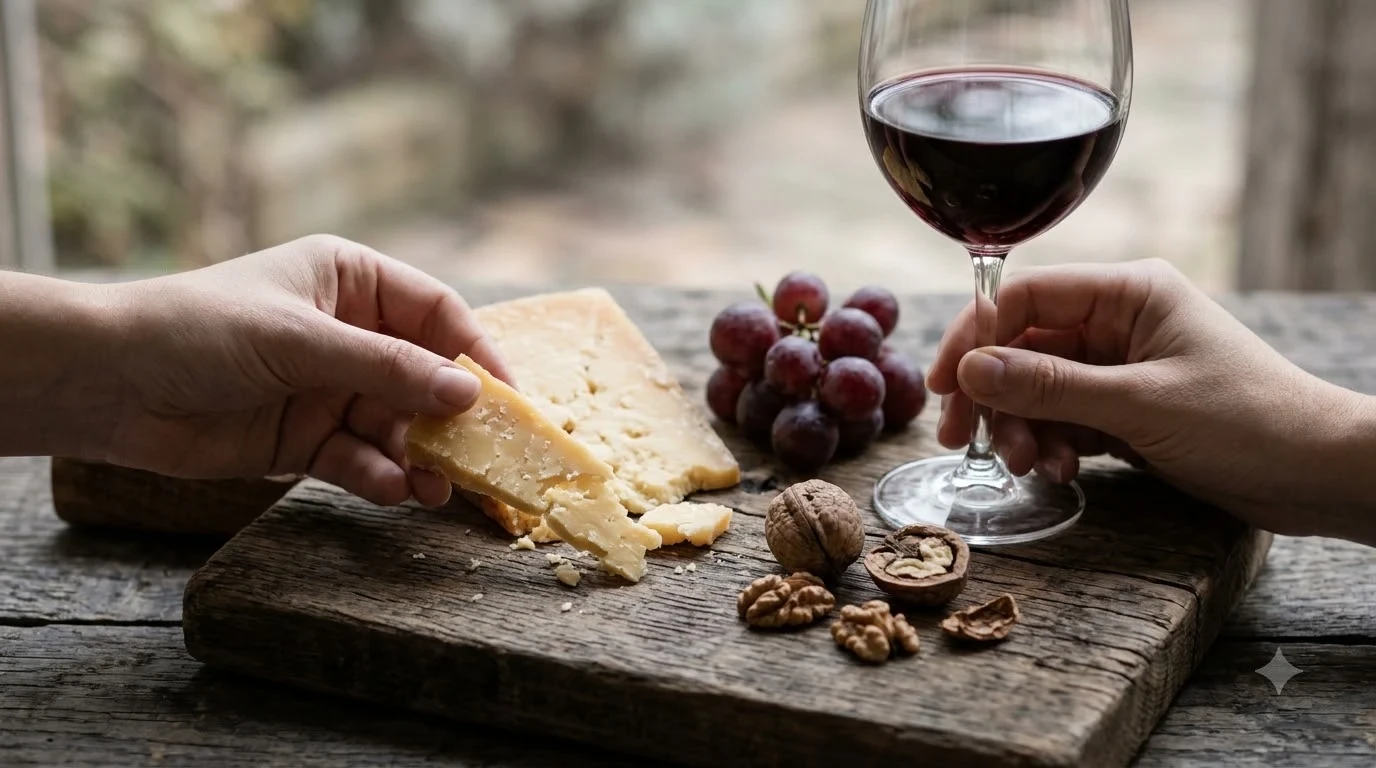
Hard, aged cheeses are particularly useful companions for red wine. Parmigiano-Reggiano, aged cheddar, and mature Gouda have concentrated savory flavors and enough richness to complement medium- to full-bodied reds. Cabernet Sauvignon works with aged cheddar, while Chianti can be an excellent partner for Parmesan because its acidity balances the cheese’s richness.
Softer cheeses generally need a gentler red. Brie and Camembert can work with Pinot Noir, particularly when accompanied by mushrooms, nuts, or savory crackers. Young Gouda and mild semi-hard cheeses are more flexible and can pair with Merlot or Gamay.
Vegetarian meals with dry red wine
Mushrooms are among the most reliable vegetarian ingredients for red wine pairings. Their earthy, savory character can complement the fruit and secondary flavors of Pinot Noir. Try mushroom risotto with Pinot Noir, roasted portobello mushrooms with Syrah, or mushroom pasta with a medium-bodied Merlot.
Roasted eggplant, lentils, and beans can also work well. Eggplant develops a rich texture when roasted, which supports wines such as Grenache or Merlot. Lentil stew with tomatoes, carrots, and herbs can pair with Sangiovese or another red with sufficient acidity.
Grilled vegetables offer another option. Charred bell peppers, zucchini, onions, and eggplant create smoky and slightly sweet flavors that can complement a fruit-forward red. A medium-bodied Syrah can work particularly well when the vegetables are seasoned with rosemary, thyme, or black pepper.
Salted ingredients also make a difference. Olives, Parmesan, and cured vegetable preparations can soften the impression of tannin and bring out fruit in a structured red. However, excessively bitter ingredients, strong vinegar dressings, and very acidic pickles can make some tannic reds seem harsh.
For a distinctive Central European alternative, consider Blaufränkisch food pairing. This red grape can offer fresh acidity, dark berry fruit, and savory spice, making it an interesting match for mushroom dishes, roasted vegetables, pork, and paprika-seasoned foods.
When planning a vegetarian dinner, consider the cooking method and seasoning rather than treating all vegetables as light food. A roasted mushroom dish with butter and aged cheese is substantially richer than steamed zucchini. The former can support a more structured red, while the latter usually benefits from a lighter wine.
Balance Acidity, Sweetness, Salt, and Spice
The ingredients that accompany a meal can change the way wine tastes. Paying attention to acidity, sweetness, salt, fat, and chili heat can prevent common pairing mistakes and make everyday meals more enjoyable.
Acidity is one of the most important considerations. Tomato sauce, vinegar, lemon, and pickled ingredients can make a wine with insufficient acidity taste flat. When the food is particularly tart, choose a red with equal or higher perceived acidity. Chianti and Pinot Noir are often useful choices because both can offer refreshing acidity.
Sweetness requires a different approach. Sweet food makes dry wine taste less fruity and more acidic or bitter. This is why a dry Cabernet Sauvignon can be an uncomfortable partner for a sweet barbecue glaze or fruit-heavy sauce. For dessert, choose a wine at least as sweet as the food rather than assuming a dry red will work with chocolate cake or fruit tart.
Salt and fat are generally more forgiving with red wine. Salt can reduce the perception of harsh tannin, while fat and protein soften the wine’s drying sensation. This explains why aged cheese, grilled steak, and richly seasoned meat dishes can complement structured reds so effectively.
Be careful with spicy food
Chili heat can amplify the warming sensation of alcohol and the drying sensation of tannin. A powerful Syrah or high-alcohol Cabernet can therefore make an already hot dish seem hotter. For strongly spiced food, a lower-alcohol wine with moderate tannin is usually a better starting point.
Consider a fruit-forward Gamay or softer Merlot with mildly spicy roasted vegetables or gently seasoned grilled chicken. For dishes with substantial chili heat, an off-dry Riesling or another slightly sweet, lower-alcohol wine may be more successful than a dry red.
Umami also deserves attention. Ingredients such as soy sauce, mushrooms, Parmesan, and fermented sauces contribute savory depth. In some combinations, they can make tannic reds seem more bitter or less fruity. A softer, fruit-forward red is often a better choice than a heavily structured Cabernet when the dish contains a large amount of soy sauce or concentrated mushroom seasoning.
The following quick reference can help:
| Food characteristic | Effect on red wine | Practical response |
|---|---|---|
| Fat | Softens tannin perception | Try Cabernet or Syrah with rich meat. |
| Protein | Helps balance drying tannins | Serve structured reds with beef or lamb. |
| Salt | Can soften tannin and emphasize fruit | Try Chianti with aged Parmesan. |
| Acidity | Can make insufficiently acidic wine taste flat | Choose fresh Chianti with tomato sauce. |
| Sweetness | Can make dry wine taste sour or bitter | Choose wine at least as sweet as the dish. |
| Chili heat | Can amplify alcohol warmth and tannin | Choose lower-alcohol, softer wines. |
| Umami | Can emphasize bitterness and reduce fruit | Favor softer, fruit-forward reds. |
These principles are not absolute restrictions. A particular wine may work surprisingly well with a challenging ingredient, especially when the recipe includes enough fat, salt, or other balancing components. The important thing is to identify the strongest flavor and texture in the dish before choosing the wine.
Serve, Pour, and Store Dry Red Wine Correctly
Serving temperature and preparation influence the way a red wine interacts with food. Even a well-chosen bottle can seem unbalanced if served too warm, too cold, or without sufficient time to breathe.
Light-bodied reds are generally best served at 55–60°F, while full-bodied reds are usually better at 60–65°F. Pinot Noir and Gamay benefit from the cooler range, which preserves their freshness and keeps their delicate aromas clear. Cabernet Sauvignon, Syrah, and Malbec generally suit the slightly warmer range.
Serving red wine too warm can make alcohol seem more prominent and the wine feel heavy. Serving it excessively cold can emphasize tannin and reduce the expression of fruit. If a bottle has been stored at ordinary room temperature, a short period in the refrigerator can help bring it closer to the desired serving range.
Decanting and pouring
Young, full-bodied red wines can benefit from decanting. A young Cabernet Sauvignon or Syrah may need approximately 30–60 minutes in a decanter before serving. Exposure to air can help the wine’s aromas become more expressive and make its structure seem less tightly wound.
Decanting is not necessary for every bottle. A lighter Pinot Noir or an older red may need little or no aeration, and excessive exposure can reduce freshness. Older bottles containing sediment may benefit from careful separation from the deposit rather than extended aeration.
A standard wine pour is approximately 5 ounces. A 750 ml bottle contains about five such servings, making it straightforward to estimate how much wine to prepare for a dinner party. Pouring moderate amounts also leaves room in the glass for aromas to develop.
Storage after opening
Once opened, still red wine generally keeps for approximately 3–5 days in the refrigerator when properly resealed. Cooler storage slows oxidation, and the bottle can be brought back toward its preferred serving temperature before the next pour. Some delicate wines lose their aromatic freshness sooner, while structured reds may remain enjoyable for several days.
For unopened bottles, store wine on its side when sealed with a natural cork, in a relatively stable environment near 55°F. Avoid direct sunlight, large temperature changes, and repeated exposure to heat. Consistent storage conditions help preserve the wine’s aromas and structure.
These preparation details do not replace a good food match, but they help ensure that the bottle tastes as intended. A fresh, properly served Pinot Noir can be a more satisfying partner for roast chicken than an expensive Cabernet served too warm.
Frequently Asked Questions
Is dry red wine always better with red meat?
No. Dry red wine can also accompany poultry, vegetables, pasta, and cheese. The choice depends on body, tannin, acidity, and the preparation of the dish. Pinot Noir, for example, is a popular partner for roast chicken and mushroom-based meals.
Can you drink dry red wine with seafood?
Yes, but choose carefully. Low-tannin Pinot Noir and Gamay are better candidates than strongly tannic Cabernet Sauvignon. Delicate shellfish and lean white fish are generally more challenging, so a crisp white wine may be the more suitable option.
Does dry red wine contain any sugar?
Dry red wine can contain a small amount of residual grape sugar after fermentation. In the United States, the term dry is commonly used for wines with little residual sweetness, although the precise labeling and regulatory definitions can vary. A fruity aroma does not necessarily mean a wine contains much residual sugar.
Can dry red wine be used for cooking?
Yes. Dry red wine works well in beef braises, mushroom sauces, tomato-based meat sauces, and pan reductions. Approximately 1 cup of wine is a common quantity in recipes intended for several servings, although the appropriate amount depends on the cooking method and desired concentration.
Which dry red wine is easiest for beginners to pair with food?
Merlot and Pinot Noir are useful starting points because their generally softer structures make them adaptable to a variety of everyday meals. Merlot suits roast meats, meatloaf, and savory pasta, while Pinot Noir works with poultry, mushrooms, and milder cheeses. Personal preference and the particular bottle still matter.
Good food and wine combinations come from balancing flavor, texture, and intensity rather than following a single rule about red wine and meat. Start with Cabernet Sauvignon for rich steak, Merlot for versatile everyday meals, and Pinot Noir for lighter dishes, then adjust your selection to the sauce and seasonings. With these fundamentals, choosing a dry red for dinner becomes a straightforward part of planning the meal.
More in Wine Types & Grapes
 What Does Ruby Port Taste Like? Flavor Notes, Styles, and Serving TipsUpdated Nov 21, 2026
 What Does Ribolla Gialla Taste Like? Crisp White and Amber Styles ExplainedUpdated Nov 21, 2026
 What Does Semillon Taste Like? Flavor Profile, Styles & PairingsUpdated Nov 21, 2026
 What Does Scuppernong Taste Like? Flavor, Styles, and Pairing GuideUpdated Nov 21, 2026
 What Does Saperavi Taste Like? Flavors, Styles, and Pairing GuideUpdated Nov 21, 2026
 What Does Natural Wine Taste Like? Flavors, Styles, and Serving TipsUpdated Nov 21, 2026