

We may earn a commission when you buy through links on this page, at no extra cost to you. Learn more.
If you are wondering what does semillon taste like, expect a medium- to full-bodied white wine layered with zesty lemon, yellow peach, beeswax, and chamomile, often finishing with a distinctive lanolin-like texture. Depending on where the grapes grow and whether the winemaker uses oak or bottle age, the wine shifts from crisp, citrus-driven refreshment to rich notes of toasted nuts, lemon curd, and wildflower honey. Because the thin-skinned grape responds dramatically to climate and botrytis, it produces both bone-dry table wines and some of the world’s most celebrated golden dessert wines.
Although Sémillon ranks among France’s most widely planted white wine grapes, many casual drinkers have tasted it without realizing it inside a glass of white Bordeaux. Standing on its own or leading a blend, this shape-shifting varietal rewards anyone looking beyond everyday Sauvignon Blanc or Chardonnay for a white wine with real textural weight and aging power.
What Is Sémillon?
Sémillon is a golden-skinned white wine grape native to the Bordeaux region of southwestern France, where it serves as a foundational variety for both dry blends and sweet botrytized wines. According to Wine Folly, Sémillon accounts for roughly 45 to 50 percent of the white grapevines planted across Bordeaux, and its unstable genome has even given rise to pink- and red-skinned mutations.
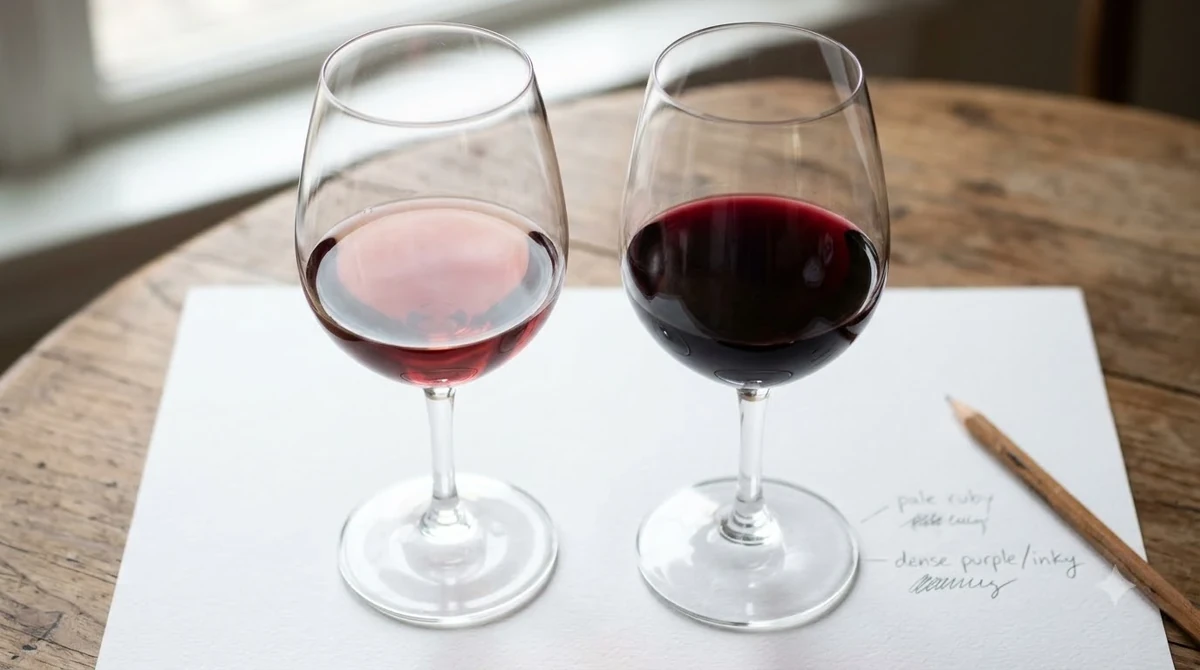
In the vineyard, the grape ripens relatively early and develops plump berries with thin skins, making it uniquely vulnerable to Botrytis cinerea. Under dry, sunny afternoon conditions following misty mornings, this beneficial fungus—known as noble rot—pierces the grape skins, dehydrates the berries, and concentrates their natural sugars and acidity. In drier climates or earlier harvests without botrytis, growers pick the fruit cleanly to make still, dry white wines.
From a structural standpoint, dry Sémillon carries no tannins, medium acidity, and a noticeably rounder mouthfeel than many aromatic whites. Alcohol levels typically sit between 11 and 14 percent ABV for standard dry expressions, though early-harvested Australian styles drop closer to 10.5 or 11.5 percent. If you are exploring Wine by Type, Sémillon occupies a rare middle ground between crisp, high-acid whites and rich, barrel-aged bottles.
Flavor Profile and Major Styles
Young, unoaked Sémillon delivers bright flavors of Meyer lemon, green apple, white blossom, hay, and chamomile, anchored by a signature waxy or lanolin-like weight on the mid-palate. As the wine spends time in oak barrels or matures in the bottle, those fresh citrus and herbal tones evolve into toasted almonds, brioche, lemon curd, and honeycomb.
Climate dictates which side of the grape’s personality takes center stage. In cooler regions or early-harvest vineyards, Sémillon stays lean, brisk, and mineral-driven, recalling the snappy refreshment of Sauvignon Blanc or dry Riesling. Warmer growing regions push the fruit profile toward ripe yellow peach, mango, and papaya, giving the wine a plush, mouth-coating richness that appeals to fans of what does chenin blanc taste like.
Winemaking choices divide Sémillon into three primary styles found on retail shelves today:
- Unoaked Dry Sémillon: Fermented in stainless steel with zero oak contact, these wines highlight tart citrus, crushed stone, and fresh grass in their youth before developing complex notes of toast and beeswax after five to ten years in the cellar.
- Oaked and Blended Dry Sémillon: Commonly paired with Sauvignon Blanc in Bordeaux or aged in French oak barrels in California and Washington, this style offers a creamy texture layered with vanilla, hazelnut, baked pear, and spice.
- Botrytized Dessert Sémillon: Affected by noble rot, sweet versions like Sauternes and Barsac coat the palate with opulent flavors of apricot jam, orange marmalade, saffron, ginger, and caramelized honey, balanced by brisk underlying acidity.
| Style | Primary Flavors | Body & Texture | Typical ABV |
|---|---|---|---|
| Cool-Climate / Early-Harvest Dry | Lemon zest, green apple, hay, chamomile, toast (with age) | Light-to-medium body; crisp, waxy, mineral finish | 10.5%–11.5% |
| Oaked / Warm-Climate Dry | Yellow peach, baked pear, lemon curd, vanilla, toasted nuts | Medium-to-full body; creamy, lanolin-rich mouthfeel | 12.5%–14% |
| White Bordeaux Blend | Grapefruit, gooseberry, white peach, beeswax, dried herbs | Medium body; lively acidity softened by waxy mid-palate | 12%–13.5% |
| Botrytized Sweet (Sauternes) | Apricot marmalade, honeycomb, saffron, candied citrus | Full, viscous body; luscious sweetness with bright acidity | 13%–14% |
Where Sémillon Grows Best
While Bordeaux remains the historic homeland of Sémillon, Australia’s Hunter Valley and the Pacific Northwest in the United States have established world-renowned regional benchmarks for the grape. Each region harvests at different ripeness levels and applies distinct cellar traditions, producing dramatically different wines from the exact same variety.
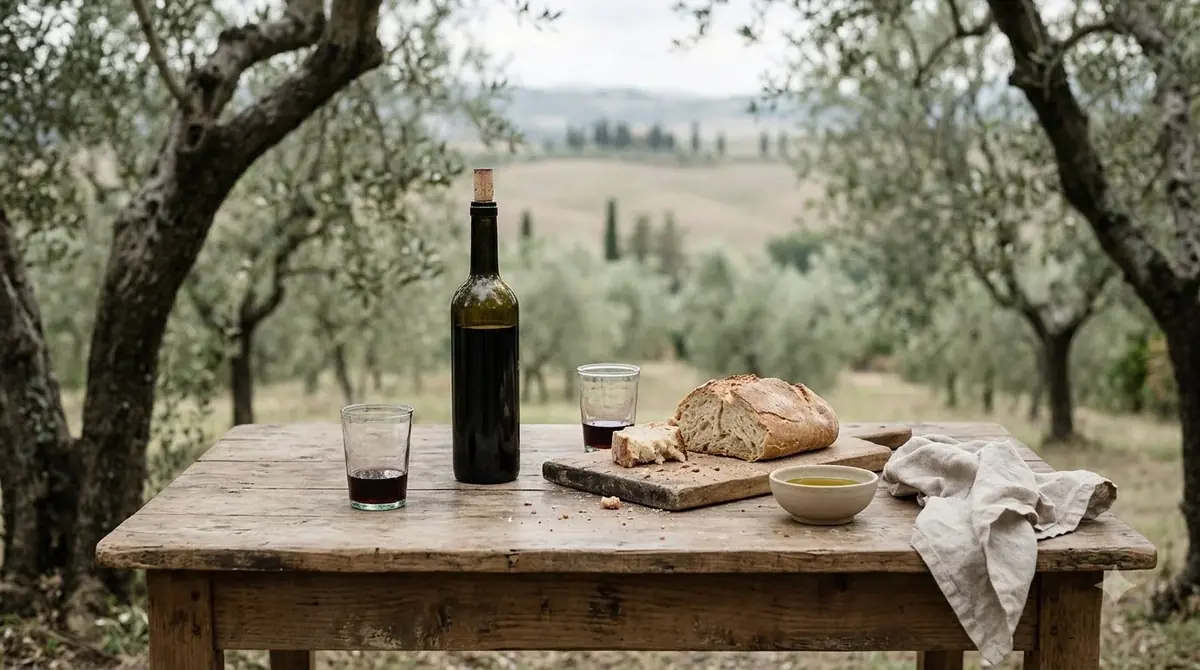
In southwestern France, Bordeaux winemakers rely on Sémillon in two distinct ways. Across Pessac-Léognan and Graves, estates blend Sémillon with Sauvignon Blanc and a touch of Muscadelle—often fermenting in French oak—to create structured, age-worthy dry whites. Just south in Sauternes and Barsac, morning mists rising off the Ciron River encourage noble rot, yielding legendary sweet wines capable of aging for several decades.
Halfway around the world in New South Wales, Australia, Hunter Valley growers pioneer a style found nowhere else. As Wine Enthusiast notes, winemakers there pick Sémillon early at low sugar levels, ferment it in stainless steel without oak or malolactic fermentation, and bottle it young. While stark and lemony at release, Hunter Valley Sémillon transforms after six or more years in bottle into a deep gold wine bursting with smoky toast, honey, and beeswax.
In the United States, Washington’s Columbia Valley leads domestic production, where warm sunny days ripen orchard and citrus fruit while chilly desert nights lock in vibrant natural acidity. California producers also bottle single-varietal Sémillon—including concrete-fermented and skin-contact expressions—alongside classic Bordeaux-style white blends, while Margaret River in Western Australia and South Africa’s historic Constantia ward turn out crisp, herbaceous examples.
How to Serve Sémillon
Serve dry Sémillon lightly chilled between 45°F and 55°F (7°C to 12°C) in a standard medium-bowled white wine glass to highlight its layered aromatics and waxy texture. Serving the wine straight from a cold refrigerator masks its subtle chamomile, beeswax, and stone fruit notes, making it taste overly lean and acidic.
If you are pouring a young, stainless-steel Sémillon from Hunter Valley or Washington State, aim toward the cooler end of that range, around 45°F to 48°F, to accentuate its snappy citrus line. Fuller-bodied, oak-aged bottles and mature vintages with five or more years of bottle age show far better closer to 50°F to 55°F, where warmth releases their nutty, honeyed bouquet.
Sweet botrytized Sémillon such as Sauternes benefits from a slightly deeper chill around 43°F to 47°F so its high residual sugar feels refreshing rather than syrupy. Most dry bottles do not require decanting, though giving an aged dry Sémillon or young Sauternes twenty to thirty minutes of air in the glass allows complex secondary aromas of saffron, lanolin, and toasted brioche to unfold.
Tip: If a young dry Sémillon smells closed or muted right after opening, let your glass sit on the table for ten minutes and give it a gentle swirl—oxygen quickly unlocks its honeyed, floral side.
Food Pairing Ideas
Sémillon’s combination of medium-to-full body, waxy texture, and bright citrus acidity makes it remarkably versatile with rich seafood, roasted poultry, and warmly spiced dishes. Unlike lighter whites that can get overwhelmed by butter sauces or aromatic herbs, Sémillon holds its ground without feeling heavy on the palate.
For crisp, unoaked styles and young white Bordeaux blends, lean toward briny shellfish and delicate coastal fare. Raw oysters, steamed clams, grilled shrimp, sea bass, and salmon nigiri pair naturally with the wine’s lemony snap and subtle saline edge, while pickled ginger and wasabi find balance against its rounded mid-palate.
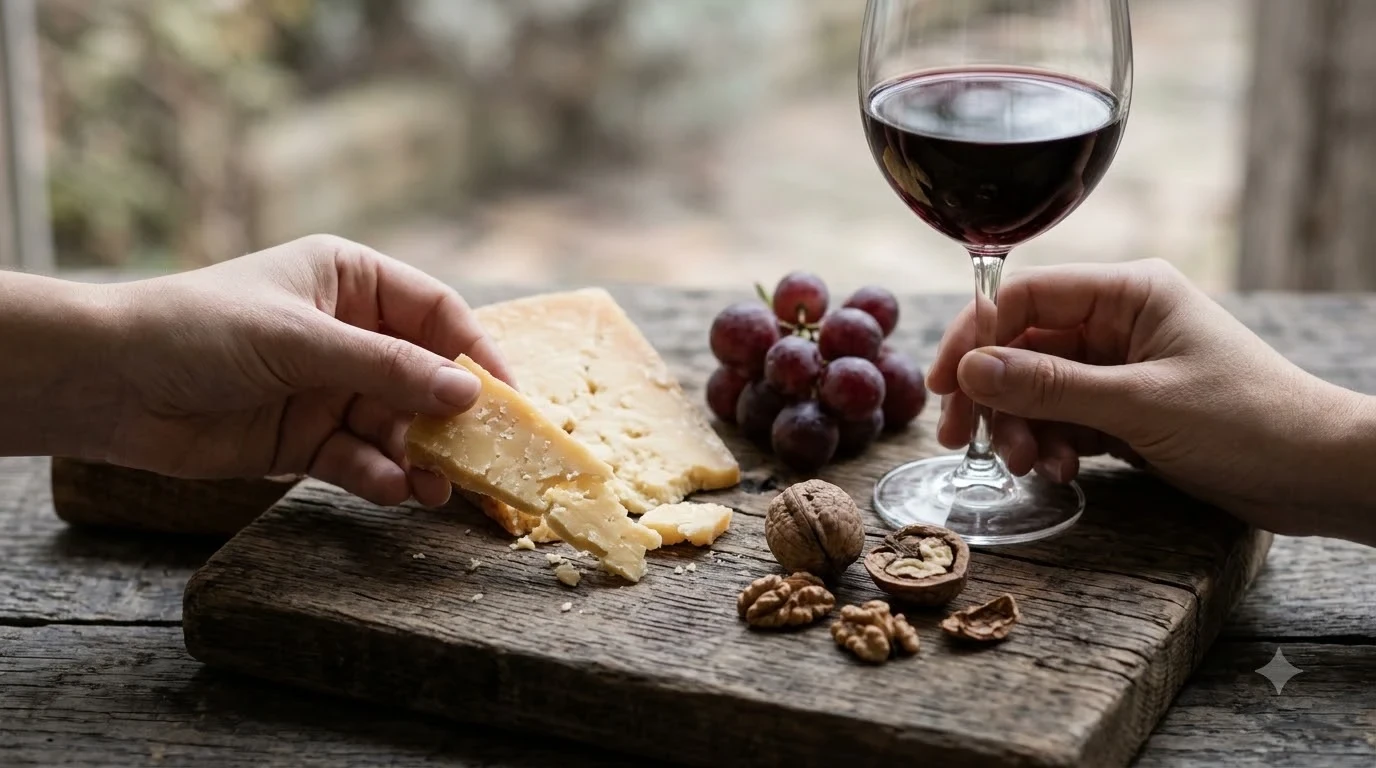
Oak-aged and mature dry Sémillon thrives alongside richer proteins and earthy flavors. Roast chicken seasoned with tarragon or fennel, herb-crusted pork chops, pan-seared scallops, and mushroom risotto echo the wine’s toasted nut and beeswax notes. Moderately spiced Indian curries, Thai coconut dishes, and roasted root vegetables like butternut squash or carrots also shine beside dry Sémillon—and if you enjoy contrasting wine styles across the seasons, it offers a refreshing warm-weather counterpoint to what does mulled wine taste like. Sweet Sauternes-style Sémillon remains the classic partner for blue cheeses like Roquefort, seared foie gras, and fruit tarts.
How to Choose a Bottle
Finding a bottle of Sémillon that matches your palate comes down to checking three clues on the front and back labels: region of origin, oak treatment, and vintage date. Because the grape spans bone-dry to lusciously sweet, reading those cues prevents surprises at the dinner table.
If you prefer bright, zesty, unoaked white wines similar to Sauvignon Blanc or Pinot Grigio, look for recent vintages from Australia’s Hunter Valley, Margaret River, or Washington’s Columbia Valley labeled simply as Sémillon or Sémillon-Sauvignon Blanc. Checking the alcohol percentage offers another reliable hint: bottles listing 10.5% to 12% ABV almost always deliver a leaner, higher-acid, citrus-focused profile.
If you enjoy richer, fuller whites along the lines of barrel-aged Chardonnay, seek out dry white wines from Pessac-Léognan or Graves in Bordeaux, or look for California and Washington producers mentioning French oak fermentation or lees aging on the back label. To experience Sémillon’s famous sweet expression, shop for bottles labeled Sauternes, Barsac, or Late Harvest Sémillon, which display deep golden hues and higher alcohol alongside rich residual sweetness.
Frequently Asked Questions
Is Sémillon a sweet or dry wine?
Sémillon is made in both completely dry and intensely sweet styles depending on how and where it is harvested. Most bottles from Australia, Washington State, California, and dry Bordeaux appellations like Pessac-Léognan are fermented bone-dry, while botrytis-affected wines from Sauternes and Barsac are famous dessert wines.
How does Sémillon compare to Chardonnay and Sauvignon Blanc?
Sémillon sits neatly between the two grapes in weight and flavor. It shares the full, rounded body of Chardonnay without relying as heavily on butter or vanilla flavors, while offering bright citrus notes reminiscent of Sauvignon Blanc minus that grape’s sharp, grassy pungency.
Why does aged Sémillon taste toasty even without oak?
Early-harvested, unoaked Sémillon—especially from Australia’s Hunter Valley—contains specific aroma precursors that slowly transform during bottle aging. Over five to fifteen years, gentle oxidation through the closure converts sharp citrus acids into rich, savory flavors of buttered toast, beeswax, and honey without any barrel contact.
What does Sémillon pair best with at dinner?
Dry Sémillon pairs effortlessly with flaky white fish, shellfish, sushi, roast chicken, pork chops, and mildly spiced Asian or Indian dishes. Sweet Sauternes-style Sémillon is best saved for salty blue cheeses, rich pâté, or fruit-based desserts like peach tart.
From crisp, lemon-scented bottles built for summer seafood to golden, honeyed vintages that evolve for decades, Sémillon rewards curious wine drinkers with remarkable range. Keep an eye on regional cues and alcohol levels when browsing the white wine aisle, and you can easily pick the exact expression that fits your next meal.
More in Wine Types & Grapes
 What Does Ruby Port Taste Like? Flavor Notes, Styles, and Serving TipsUpdated Nov 21, 2026
 What Does Ribolla Gialla Taste Like? Crisp White and Amber Styles ExplainedUpdated Nov 21, 2026
 What Does Scuppernong Taste Like? Flavor, Styles, and Pairing GuideUpdated Nov 21, 2026
 What Does Saperavi Taste Like? Flavors, Styles, and Pairing GuideUpdated Nov 21, 2026
 What Does Natural Wine Taste Like? Flavors, Styles, and Serving TipsUpdated Nov 21, 2026
 What Does Muscadet Taste Like? Flavor Notes, Styles, and PairingsUpdated Nov 21, 2026