

We may earn a commission when you buy through links on this page, at no extra cost to you. Learn more.
If you are wondering what does ribolla gialla taste like, expect a crisp, high-acid white wine layered with bright lemon, green apple, tangerine, white flowers, and a distinct flinty or saline minerality. Depending on how the winemaker handles the grape’s thick yellow skins, the wine ranges from a featherlight, zesty porch pounder to a structured, amber-hued skin-contact wine with notes of dried apricot, beeswax, hazelnut, and herbal tea. Most bottles are dry, medium-light to medium in body, and finished with a subtly bitter almond or citrus-pith edge that keeps every sip refreshing.
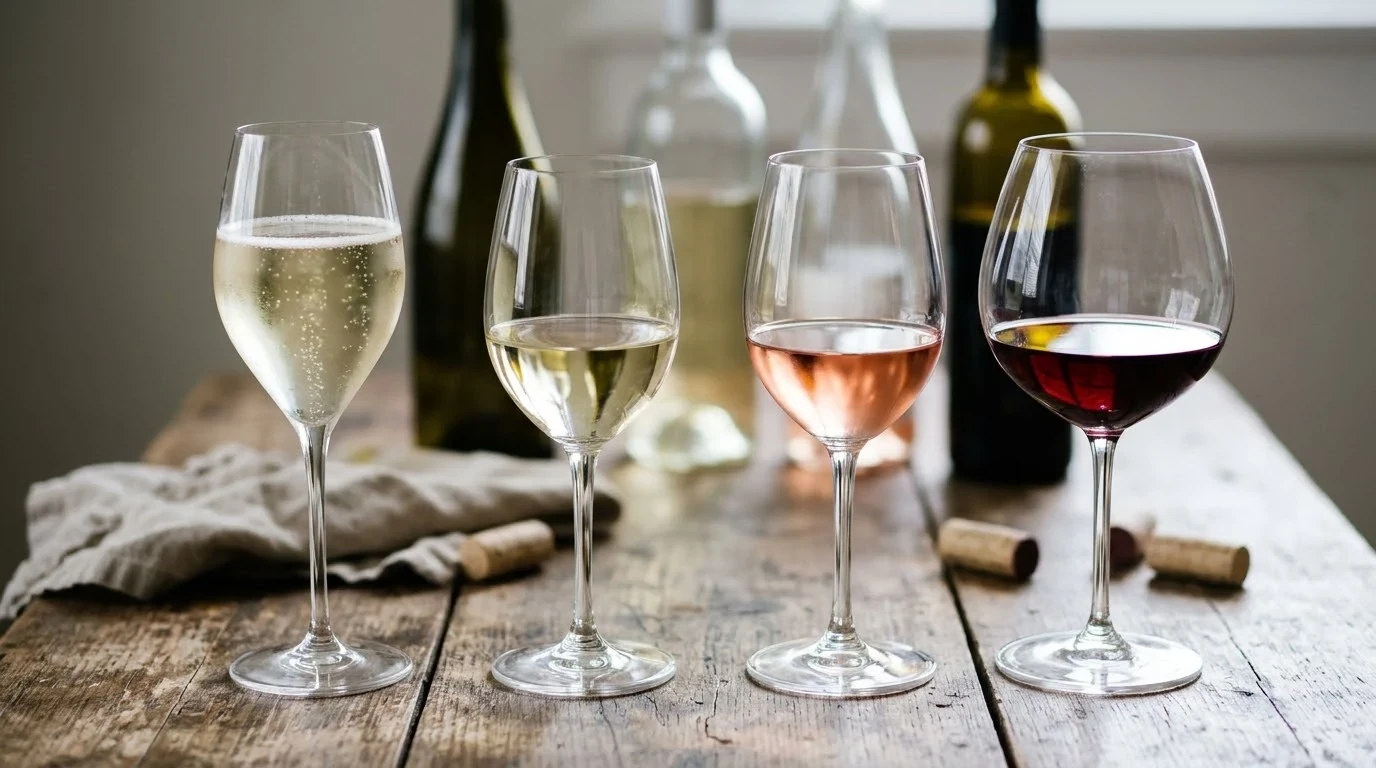
Once nearly forgotten outside its northeastern Italian and Slovenian borderland home, this ancient variety has earned a loyal following among sommeliers and curious drinkers alike. Because the grape reacts dramatically to cellar choices, tasting two bottles side by side can feel like exploring two distinct corners of the Wine by Type spectrum while sharing the same electric backbone of acidity.
What Is Ribolla Gialla?
Ribolla Gialla is an ancient, thick-skinned white wine grape native to the hills straddling northeastern Italy’s Friuli-Venezia Giulia region and western Slovenia, where it goes by the local name Rebula. Its name translates roughly to “boils yellow,” a nod to the grape’s golden-yellow skin color and its historical tendency to bubble over during vigorous, spontaneous cellar fermentations.
Written records place the grape in Friuli as far back as the thirteenth century, making it one of the region’s oldest documented varieties. For centuries, growers prized its tough, thick skins because they resisted rot in the humid foothills between the Alps and the Adriatic Sea. Following the phylloxera crisis and a twentieth-century shift toward international grapes like Chardonnay and Pinot Grigio, plantings shrank dramatically until less than one percent of Friuli’s vineyard area remained dedicated to the variety by the 1990s.
A dedicated group of borderland winemakers revived the grape by leaning into two contrasting strengths: its laser-sharp natural acidity for clean whites and sparkling wines, and its phenolic, tannin-rich skins for extended maceration. Today, Wine Folly’s guide to Ribolla Gialla highlights the variety as a rare, food-friendly white celebrated for its floral lift and aromatic versatility. While it remains a specialty grape on American retail shelves, its reputation as an insider favorite continues to grow.
Flavor Profile and Winemaking Styles
The core flavor profile of Ribolla Gialla centers on orchard fruit, tart citrus, white blossoms, and wet stone, though winemaking techniques dramatically reshape its weight and texture. Whether fermented cleanly in stainless steel or aged on its skins in buried clay vessels, the grape never loses its signature mouthwatering tension.
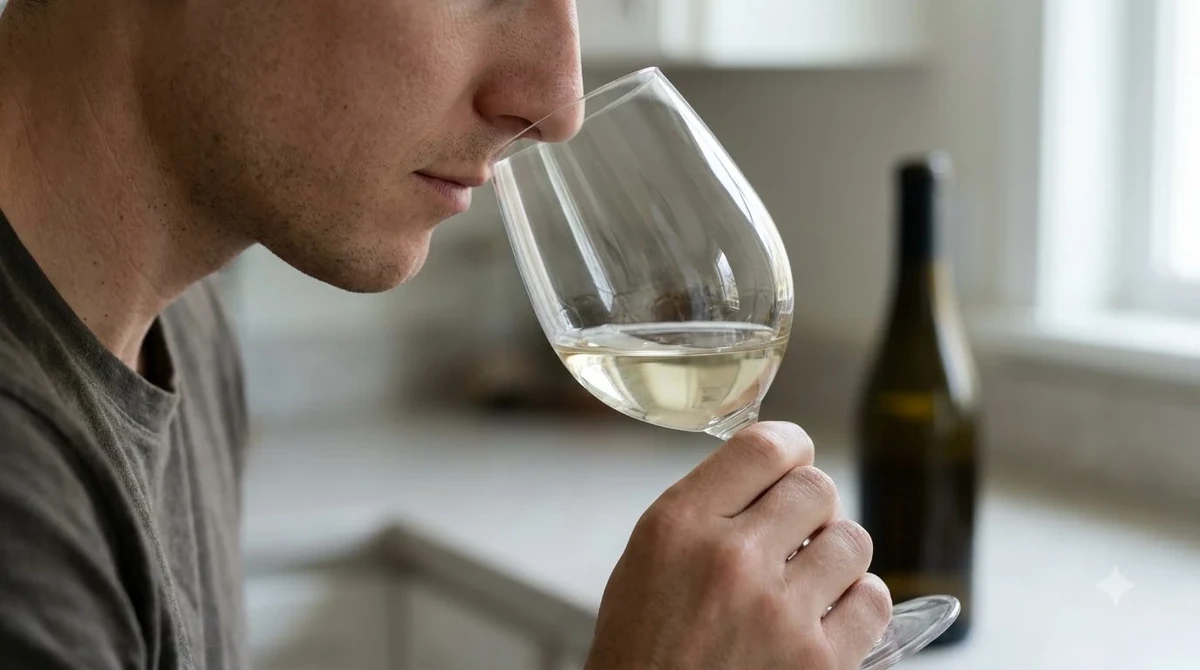
In its classic, unoaked white style, Ribolla Gialla pours a pale straw-yellow and opens with aromas of acacia blossom, honeysuckle, lemon zest, tangerine, and freshly cut green apple. On the palate, it feels light to medium-light, delivering crisp pear, white peach, and a touch of fresh thyme alongside a salty, gravelly minerality. A gentle, pleasant bitterness reminiscent of lemon pith or raw almond lingers on the finish, giving the wine far more grip and character than standard Pinot Grigio—a quality that puts it closer in textural intrigue to what Chenin Blanc tastes like than to neutral patio whites.
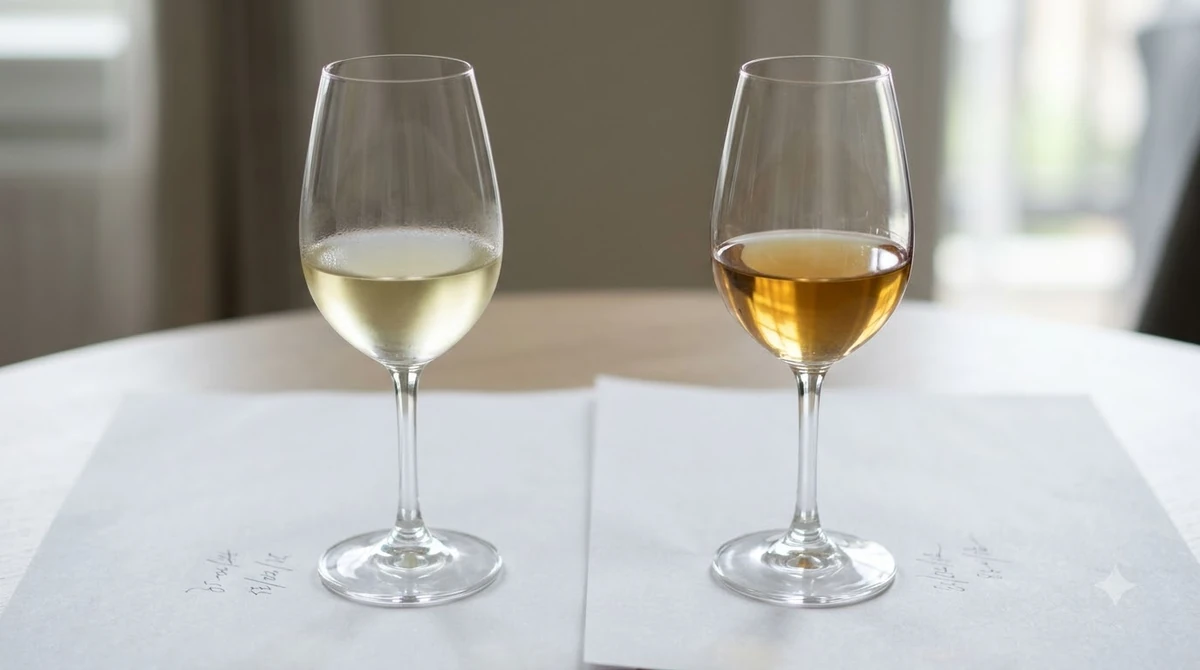
When winemakers ferment the juice with prolonged skin contact, the wine transforms into an amber or orange style with an entirely different sensory register. According to Wine Enthusiast’s primer on skin-contact white wines, macerating white grapes like Ribolla Gialla draws out deeper aromas of fleshy apricot and intense florals while adding noticeable tannic structure. In these amber bottlings, fresh citrus gives way to baked apple, quince, dried orange peel, beeswax, roasted hazelnut, and black tea, wrapped in a grippy, full-bodied texture that drinks almost like a light red wine. Producers also craft sparkling Ribolla Gialla, using both tank and traditional methods to turn its brisk green-apple and floral notes into a lively aperitif.
| Winemaking Style | Color in Glass | Primary Aromas & Flavors | Body & Texture | Typical ABV |
|---|---|---|---|---|
| Fresh / Stainless Steel | Pale straw-yellow | Lemon zest, green apple, tangerine, white flowers, wet stone | Light to medium-light, crisp, zesty finish | 12%–13% |
| Sparkling (Spumante) | Bright pale gold | Granny Smith apple, lime blossom, pear, subtle almond | Light, energetic bubbles, brisk acidity | 11.5%–12.5% |
| Oak-Aged White | Medium golden-yellow | Baked apple, ripe peach, wildflower honey, thyme, hazelnut | Medium-bodied, rounded, creamy mid-palate | 12.5%–13.5% |
| Skin-Contact (Orange / Amber) | Deep amber to copper | Dried apricot, orange rind, beeswax, dried herbs, black tea | Medium-full, grippy tannins, savory and layered | 13%–14% |
Where Ribolla Gialla Grows
Nearly all of the world’s Ribolla Gialla grows in a compact cross-border zone shared by northeastern Italy and western Slovenia, with small experimental plantings in California and the Pacific Northwest. Cool Alpine air descending from the north meets warm breezes off the Adriatic Sea here, creating sharp day-to-night temperature swings that ripen the fruit slowly while preserving brisk acidity.
In Italy, the grape’s spiritual home lies in the hillside appellations of Collio Goriziano and Friuli Colli Orientali within Friuli-Venezia Giulia. Vineyards climb steep terraces composed of ponca, a crumbly local marl and sandstone soil formed from ancient seabeds that imparts a unmistakable saline, mineral streak to the finished wines. Immediately across the border in Slovenia, the exact same hillside geology continues under the name Goriška Brda, where winemakers bottle the grape as Rebula and treat it as their flagship regional white.
Outside Europe, a handful of quality-minded California producers—most notably in Napa Valley, Sonoma County’s Russian River Valley, and the Sierra Foothills—cultivate small blocks of Ribolla Gialla after importing cuttings from Friuli. Reviewers at major wine publications frequently note that these California versions retain the grape’s hallmark citrus-blossom lift and crisp structural snap while showing slightly riper stone-fruit tones under the warmer Pacific sun.
How to Serve Ribolla Gialla
Serving Ribolla Gialla at the right temperature and in the proper glass ensures its delicate floral aromatics shine without letting its high acidity turn overly sharp. Because styles vary from featherlight whites to structured amber wines, adjusting your chill time by a few degrees makes a noticeable difference.
Serve fresh, stainless-steel, and sparkling bottlings well-chilled between 46°F and 50°F (8°C to 10°C), which translates to roughly ninety minutes to two hours in a standard refrigerator. At this temperature, the wine’s lemon, green apple, and white-blossom notes feel crisp and invigorating. Pour these lighter styles into a standard tulip-shaped white wine glass to concentrate their subtle herbal and citrus aromas toward the nose.
Oak-aged and skin-contact amber expressions require warmer service, ideally between 52°F and 59°F (11°C to 15°C), or about thirty minutes in the fridge before pouring. Serving an amber Ribolla Gialla straight from an ice bucket mutes its complex layers of dried apricot, beeswax, and tea while making its natural tannins feel overly astringent. Pour skin-contact bottles into a wider-bowled white or universal glass, and consider decanting them for thirty to sixty minutes to let the texture soften and the savory aromatics open up.
Tip: If you open an amber or skin-contact Ribolla Gialla and find it tight or slightly grippy on the first pour, let the glass sit on the table for fifteen minutes—as it warms toward cellar temperature, hidden notes of honey, roasted nuts, and dried herbs emerge.
Food Pairings for Ribolla Gialla
High natural acidity, a subtle saline edge, and gentle phenolic grip make Ribolla Gialla one of the most versatile food wines on the table. Rather than overpowering delicate ingredients with heavy oak or high alcohol, it acts like a squeeze of fresh lemon over a dish while cleansing the palate between bites.
Classic unoaked Ribolla Gialla excels alongside coastal seafood and bright, herb-driven dishes. Its zesty citrus and wet-stone minerality cut effortlessly through fried calamari, tempura vegetables, seared scallops, and pan-roasted white fish finished with capers and olive oil. It also pairs naturally with raw bar selections, sushi, fresh goat cheese, and spring risottos made with asparagus, peas, or lemon zest.
Skin-contact and barrel-aged styles open the door to much richer, spicier, and more savory foods that would overwhelm an ordinary white wine. The tannins and dried-fruit complexity in amber Ribolla Gialla stand up to roast pork loin, mushroom ragù, aged Alpine cheeses, and spiced dishes featuring cumin, turmeric, or ginger. If you enjoy pairing structured, savory wines with hearty meals—much like exploring what Corvina tastes like in northern Italian reds—an amber Ribolla Gialla bridges the gap between white-wine freshness and red-wine weight.
How to Choose a Bottle of Ribolla Gialla
Shopping for Ribolla Gialla becomes simple once you know which regional terms and winemaking cues to look for on the front and back labels. Because both crisp whites and deeply macerated orange wines share the exact same grape name, checking a few key details prevents any surprises when you pull the cork.
Start by checking the origin and grape name on the label. Bottles labeled “Collio DOC,” “Friuli Colli Orientali DOC,” or “Venezia Giulia IGT” come from northeastern Italy, while bottles labeled “Rebula” from “Goriška Brda” represent the Slovenian side of the exact same hills. Producers such as Jermann, Schiopetto, Collavini, and Attems are widely recognized for clean, aromatic white expressions, whereas names like Gravner, Radikon, and Primosic are benchmarks for traditional, long-maceration amber styles.
Next, inspect the bottle glass and back-label notes for clues about style. Crisp, unoaked versions typically come in clear or light-green glass and mention stainless-steel fermentation, citrus notes, or refreshing acidity. Skin-contact bottlings often use dark glass, feature a noticeably deeper amber hue if visible, or include terms like “macerata,” “amphora,” “qvevri,” or “unfiltered” on the back label. Looking at the alcohol level also helps: bottles around 12% to 12.5% ABV generally lean bright and zesty, while bottles closer to 13.5% or 14% ABV signal riper fruit and richer cellar aging.
Frequently Asked Questions
Is Ribolla Gialla sweet or dry?
Ribolla Gialla is almost always made in a crisp, dry style with very little residual sugar. Even though its ripe orchard-fruit and white-flower aromas can give an initial impression of sweetness on the nose, its brisk acidity and subtly bitter citrus-pith finish keep the palate completely dry.
How does Ribolla Gialla compare to Pinot Grigio or Sauvignon Blanc?
Compared to standard Italian Pinot Grigio, Ribolla Gialla offers sharper acidity, richer floral and herbal aromatics, and a more textured, mineral finish. It shares Sauvignon Blanc’s mouthwatering freshness and citrus snap, but swaps grassy, pungent green notes for softer hints of tangerine, green apple, thyme, and wet stone.
Why are some Ribolla Gialla wines orange?
Ribolla Gialla has unusually thick, polyphenol-rich yellow skins that turn the wine amber or copper when winemakers ferment the juice in contact with the skins for days, weeks, or even months. Pioneer producers in Friuli and Slovenia revived this ancient technique to build red-wine-like tannins, savory complexity, and decades-long aging potential.
How long does an opened bottle of Ribolla Gialla last?
Recorked and stored upright in the refrigerator, a fresh white Ribolla Gialla stays bright and flavorful for three to five days. Skin-contact and amber styles are naturally protected by their higher tannin levels and often hold up—or even improve—for five to seven days after opening.
Whether you pour a chilled, stainless-steel bottle for its snappy lemon and wet-stone refreshment or uncork an amber macerated expression for layered notes of apricot, beeswax, and tea, Ribolla Gialla rewards anyone looking beyond everyday white wines. Keep a bottle on hand next time seafood, roasted vegetables, or spiced dishes are on the menu, and see which side of this borderland classic fits your palate best.
More in Wine Types & Grapes
 What Does Ruby Port Taste Like? Flavor Notes, Styles, and Serving TipsUpdated Nov 21, 2026
 What Does Semillon Taste Like? Flavor Profile, Styles & PairingsUpdated Nov 21, 2026
 What Does Scuppernong Taste Like? Flavor, Styles, and Pairing GuideUpdated Nov 21, 2026
 What Does Saperavi Taste Like? Flavors, Styles, and Pairing GuideUpdated Nov 21, 2026
 What Does Natural Wine Taste Like? Flavors, Styles, and Serving TipsUpdated Nov 21, 2026
 What Does Muscadet Taste Like? Flavor Notes, Styles, and PairingsUpdated Nov 21, 2026