

We may earn a commission when you buy through links on this page, at no extra cost to you. Learn more.
White wine food pairing works best when you match the weight, acidity and sweetness of the wine to the dish. Light, high-acid whites such as Sauvignon Blanc and Pinot Grigio suit salads, seafood and simple chicken, while full-bodied, oaky Chardonnay handles richer dishes such as roasted chicken with mashed potatoes. Off-dry Riesling is the most flexible white for spicy food, because a little residual sugar softens heat.
This guide explains the principles behind white wine food pairing, which styles suit which dishes, and where the common mistakes happen. The goal is simple: pick a white that supports the meal rather than fighting it.
Many people choose white wine by color alone, but the style of the wine matters more than whether it is white. A crisp, unoaked white and a buttery, oak-aged white can both be labeled white wine, yet they behave very differently at the table.
The three principles that guide white wine pairings
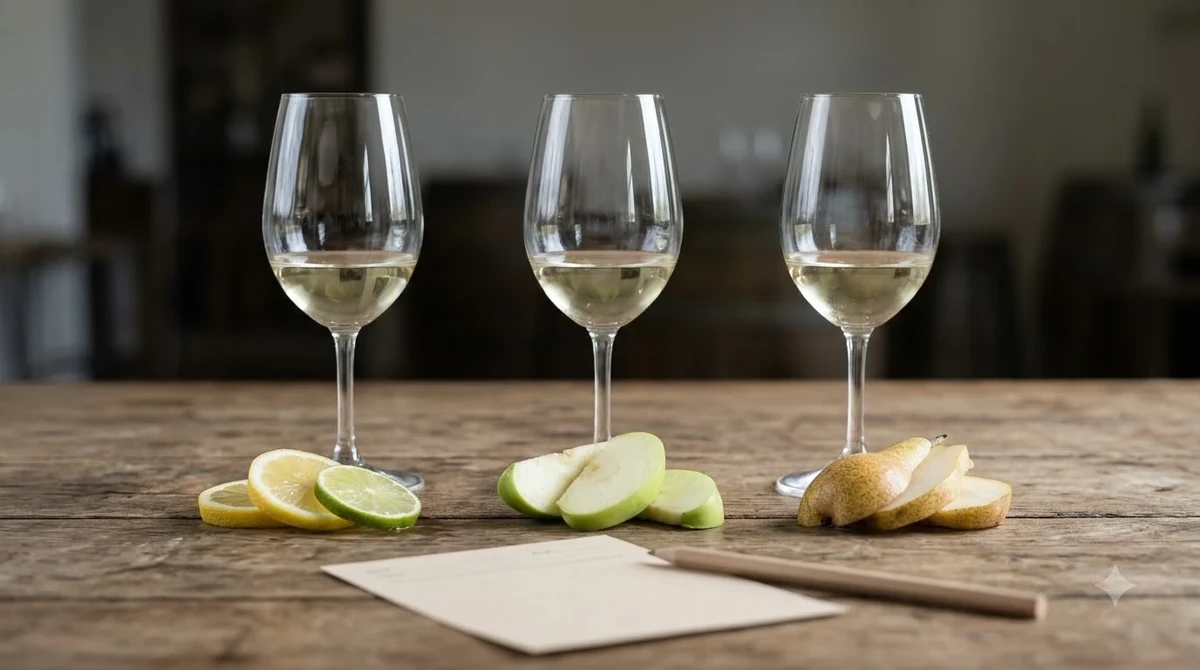
Most useful pairing advice comes back to three questions. The first is weight: does the wine feel as heavy as the food? The second is acidity: does the wine have enough brightness to refresh the palate between bites? The third is sweetness: does the wine taste sweeter than the dish, or does a little sugar balance the seasoning?
According to the VinePair guide to pairing wine and food, the main rule is matching intensity. Its example is an oaky Chardonnay, which suits dishes of a similar weight, such as rich roasted meats and buttery sauces, while lighter fare calls for a lighter wine. Acidity works as the counterweight: high-acid wines cut through fat and keep the palate fresh.
Sweetness is the third lever, and it is often the most overlooked. Residual sugar can offset heat and salt, which is why a slightly sweet white can be a better partner for spicy or heavily seasoned food than a bone-dry one.
Crisp, high-acid whites for lighter dishes
Crisp whites with high acidity are the easiest starting point for everyday meals. Sauvignon Blanc is a natural match for chicken dishes with herb sauces, green salads and goat cheese, because its herbal, citrus notes echo the flavors on the plate. Its bright acidity keeps lighter dishes from feeling flat.
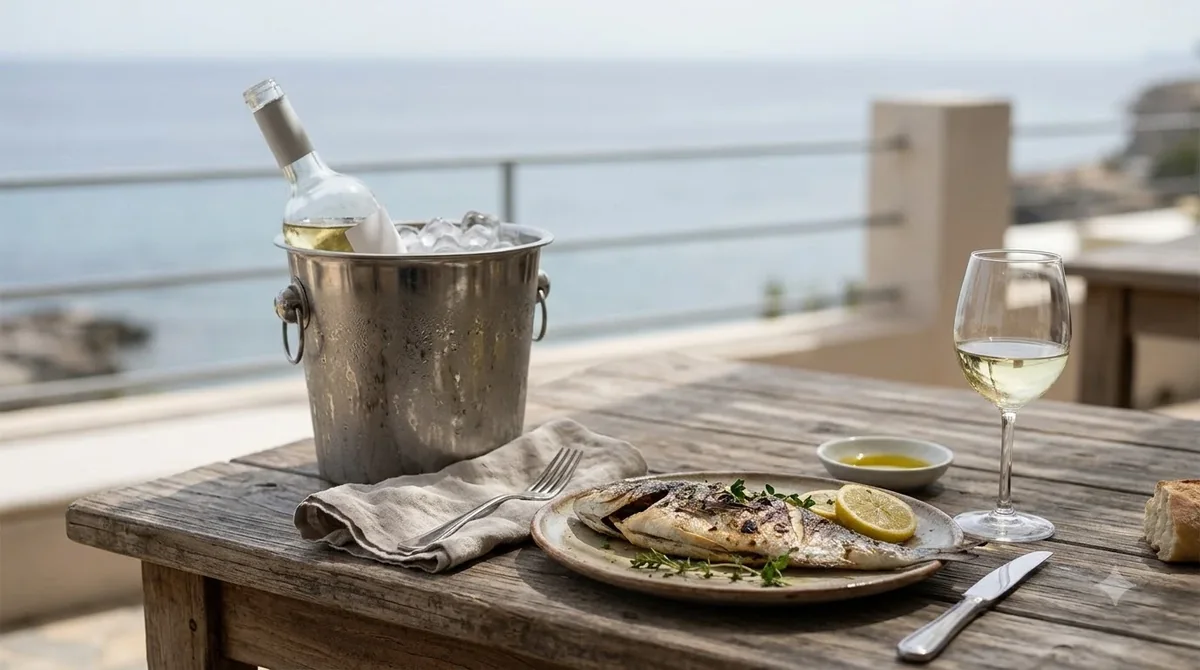
Pinot Grigio suits light fare such as chicken salad, fresh seafood and mild pasta with olive oil or lemon. It is less aromatic than Sauvignon Blanc, so it tends to stay out of the way of delicate ingredients. If the dish is very light, a crisp white is usually a safer choice than a heavier one.
Full-bodied whites for rich food
Richer dishes call for whites with more body and texture. Oaky Chardonnay is the classic example. Sources such as VinePair describe it pairing with a roasted chicken and mashed potatoes, where the wine’s weight and toasty character match the savory roast. The same style also works with seafood in a butter sauce, since the oak and creamy texture echo the richness.
When you choose a rich white, look for balance rather than heavy oak alone. Too much oak can overpower a delicate dish, while a well-judged Chardonnay adds texture without flattening the food. Serving the wine a little less cold than a crisp white helps its aromas open up.
Off-dry whites for spice and heat
Off-dry Riesling is one of the most useful white wines for food. The VinePair Riesling guide says the style pairs well with all food types, and it excels with spicy dishes such as Thai salads and Indian food. Its residual sugar helps tame potent spice, while its high acidity keeps the palate fresh.
Dry Riesling works in a different role. It can balance salty and fried foods, which makes it a good choice for takeout, fried chicken or tempura. Dry versions are also useful at the start of a meal, when a lighter bite is still on the menu.
| White wine style | Good with | Why it works |
|---|---|---|
| Sauvignon Blanc | Herb-sauced chicken, green salads, goat cheese | Bright acidity and herbal notes |
| Pinot Grigio | Chicken salad, light seafood, simple pasta | Light body and crisp finish |
| Oaky Chardonnay | Roasted chicken, mashed potatoes, butter-sauced seafood | Similar weight and toasty texture |
| Dry Riesling | Fried and salty foods, takeout, tempura | Acidity that cleans the palate |
| Off-dry Riesling | Spicy Thai and Indian dishes | Sugar softens heat, acidity keeps it fresh |
| Pinot Gris | Rich seafood such as salmon | Fuller texture with balanced fruit |
Tip: If you are unsure which white to buy, start with a crisp Sauvignon Blanc for lighter meals and an oaky Chardonnay for richer ones. Those two styles cover most home dinners.
Sweet whites and dessert pairings
White wines can also pair with dessert, but the rule is that the wine must be at least as sweet as the dessert. A wine that tastes drier than the sweet dish will seem sour and thin. Sweet styles such as auslese wine from Germany, with their honeyed richness, suit fruit tarts and creamy desserts, while lighter fruit desserts pair better with a softer, aromatic white.
For a fragrant alternative, black muscat wine offers floral, fruity flavors that work with fresh fruit and light pastries. The key is to match the dessert’s sweetness and intensity, not just its flavor.
Common white wine pairing mistakes
The most common error is serving a very light white with a very rich dish. Pinot Grigio with a heavy butter-and-cream pasta, for example, will taste thin. Another mistake is serving a bone-dry white with a sweet dessert, which makes the wine taste sour. A third is pouring a heavily oaked white with delicate fish, where the oak can overpower the flavor.
Temperature is a quieter problem. Whites served too cold lose aroma and can taste sharp, while whites served too warm can taste flat and heavy. A short rest out of the fridge before serving often improves both the aroma and the balance.
How to build a white wine pairing for a meal
For a multi-course meal, move from lighter to richer wines. Start with a crisp, high-acid white for appetizers and salads, then move to a fuller white for the main course, and finish with a sweet white only if dessert calls for it. This order keeps each glass in step with the food.
When cooking with white wine, use a wine you would be happy to drink with the meal. Cooking concentrates flavor, so a poor bottle can taint a sauce. A reasonable mid-range white usually gives the best result in the pan and in the glass.
For a broader look at styles and how they are made, see Wine by Type. Once you understand weight, acidity and sweetness, choosing a white for any dish becomes a matter of simple comparison.
Frequently Asked Questions
What is the best white wine for most dinners?
There is no single best white, but a crisp Sauvignon Blanc works well with lighter dishes and an oaky Chardonnay suits richer meals. Matching the wine’s weight and acidity to the food is the most reliable approach.
Does white wine go with spicy food?
Yes, especially off-dry Riesling. Its residual sugar softens heat, and its high acidity keeps the palate fresh between bites. Very dry, high-alcohol whites can make spicy dishes feel hotter.
Should white wine be served cold?
Most whites are best served chilled, but not icy. Very cold temperatures mute aroma and can make a wine taste sharp, while a short rest out of the fridge often improves balance.
Can I use white wine for cooking?
Yes. Cooking concentrates flavor, so choose a reasonable white you would drink with the meal. A poor bottle can make a sauce taste sour or flat, while a balanced white adds acidity and depth.
White wine food pairing becomes simple once you judge weight, acidity and sweetness first. Pick a wine that matches the dish’s intensity, keep the temperature right, and let the food and the glass work together.
More in Wine Types & Grapes
 Zinfandel Sugar Content: Dry Red vs. White Zinfandel GramsUpdated Nov 21, 2026
 Best Zinfandel Substitute Options for Sipping and CookingUpdated Nov 21, 2026
 Zweigelt Food Pairing: Best Dishes, Cheeses, and Serving TipsUpdated Nov 21, 2026
 Zinfandel Tannins Explained: How Structure Shapes Every BottleUpdated Nov 21, 2026
 Zinfandel Sweetness Level: Dry Red vs. Sweet White Zin ExplainedUpdated Nov 21, 2026
 Xinomavro Food Pairing: Best Dishes, Styles, and Serving TipsUpdated Nov 21, 2026