

We may earn a commission when you buy through links on this page, at no extra cost to you. Learn more.
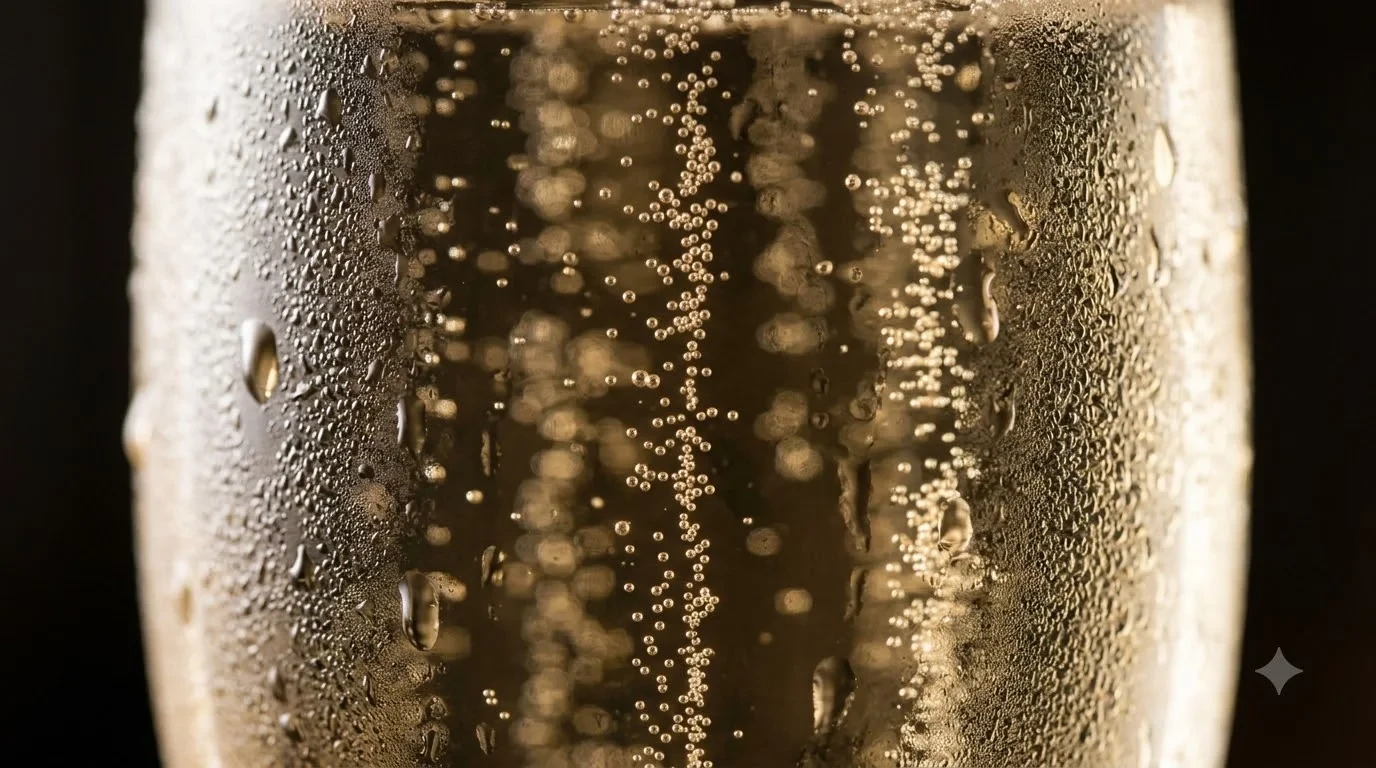
The core difference in champagne vs sauvignon blanc comes down to winemaking method, grape composition, and carbonation: Champagne is a sparkling wine made strictly in France’s Champagne region from Chardonnay, Pinot Noir, and Pinot Meunier, while Sauvignon Blanc is a single-varietal still white wine celebrated for crisp acidity and herbal aromatics. Both deliver refreshing, high-acid profiles, yet Champagne offers toasty, brioche-like complexity from secondary bottle fermentation, whereas Sauvignon Blanc highlights bright citrus, green herbs, and tropical fruit.
Choosing between these two iconic bottles depends largely on the occasion, the menu, and the texture you prefer in your glass. While both styles shine as palate-cleansing aperitifs, understanding how their origins, grapes, and cellar techniques shape their flavors makes selecting the right bottle effortless.
What It Is: Origins and Winemaking
Champagne is a protected sparkling wine produced exclusively in the Champagne appellation of northern France using the traditional method, whereas Sauvignon Blanc is an aromatic white grape variety vinified predominantly as a still wine around the globe.
True Champagne must follow strict appellation rules regarding vineyard practices, grape varieties, and aging. Winemakers blend primarily Chardonnay, Pinot Noir, and Pinot Meunier, then trigger a second fermentation inside each individual sealed bottle. This process traps carbon dioxide to create fine, persistent bubbles and leaves the wine resting on dead yeast cells, known as lees, which impart signature savory notes of toasted bread and pastry.
Sauvignon Blanc, by contrast, refers to a specific green-skinned grape variety that originated in western France, with historical mentions in the Loire Valley dating back to the sixteenth century. Rather than undergoing secondary bottle fermentation, most Sauvignon Blanc is fermented in temperature-controlled stainless steel tanks to preserve its volatile, punchy aromatics. A smaller subset of producers ferments or ages the grape in oak barrels, adding creamy texture and subtle spice to the naturally zesty fruit profile.
For readers exploring how this grape compares to other crisp white varieties, our guides on pinot blanc vs sauvignon blanc and gruner veltliner vs sauvignon blanc break down similar still-wine matchups across European and New World styles.
Flavor and Styles
Champagne balances brisk orchard fruit and citrus with autolytic notes of brioche, almond, and biscuit, whereas Sauvignon Blanc bursts with vibrant lime, grapefruit, gooseberry, and fresh-cut grass.
According to Wine Folly’s Champagne profile, authentic Champagne typically shows light body, zero tannins, high acidity, and an alcohol by volume (ABV) between 10% and 11.5%. Depending on the dosage—a small addition of sugar and wine before corking—styles range from bone-dry Brut Nature and Extra Brut to classic dry Brut and sweeter Demi-Sec. Blanc de Blancs styles made purely from Chardonnay lean toward sharp lemon zest and chalky minerality, while Pinot-dominant blends offer richer red berry and baked apple depth.
Sauvignon Blanc generally carries a slightly higher alcohol range of 11.5% to 13.5% ABV while maintaining razor-sharp acidity and a light-to-medium frame. As detailed in Wine Folly’s comprehensive guide to Sauvignon Blanc, the grape’s unmistakable herbaceous character comes from aromatic compounds called methoxypyrazines and thiols, producing scents of bell pepper, tomato leaf, passion fruit, and white peach. When aged on lees or blended with Sémillon in oak barrels, it transforms into a rounder, beeswax-and-honeysuckle style.
| Attribute | Champagne | Sauvignon Blanc |
|---|---|---|
| Wine Category | Sparkling wine (Protected Appellation) | Still white wine (Single grape variety) |
| Primary Grapes | Chardonnay, Pinot Noir, Pinot Meunier | Sauvignon Blanc (occasionally blended with Sémillon) |
| Typical ABV | 10% – 11.5% | 11.5% – 13.5% |
| Signature Aromas | Green apple, lemon, brioche, toasted nuts, chalk | Grapefruit, gooseberry, grass, bell pepper, passion fruit |
| Body and Texture | Light-bodied, effervescent, creamy mousse | Light- to medium-bodied, crisp, mouthwatering |
| Ideal Serving Temp | 38°F – 45°F (3°C – 7°C) for young Brut; up to 50°F for vintage | 45°F – 55°F (7°C – 12°C) |
| Cellaring Potential | 3 to 10+ years depending on vintage and tier | 1 to 5 years for most unoaked styles |
Where It Grows
Champagne comes strictly from a cool, chalk-rich region northeast of Paris, while Sauvignon Blanc thrives across diverse climates from the Loire Valley and Bordeaux to New Zealand, California, and Chile.
The Champagne region sits near the northern limit of viable viticulture, where cool temperatures preserve high natural acidity in the grapes and porous chalk subsoils regulate moisture while imparting a distinct mineral edge. Every bottle labeled Champagne must originate within these delimited sub-regions, including the Montagne de Reims, Vallée de la Marne, and Côte des Blancs. Sparkling wines made identically elsewhere in France are labeled Crémant rather than Champagne.
Sauvignon Blanc adapts remarkably well to varying terroirs, producing dramatically different expressions depending on sunshine and soil. In France’s Loire Valley—particularly Sancerre and Pouilly-Fumé—limestone and flint soils yield taut, mineral-driven wines with subtle gunflint and citrus notes. In Bordeaux, winemakers frequently blend Sauvignon Blanc with Sémillon and mature the wine in oak barrels for a plush, structured white.
Outside Europe, Marlborough in New Zealand has become synonymous with intensely aromatic, zesty Sauvignon Blanc bursting with passion fruit and jalapeño notes. Cooler coastal pockets in California, Australia’s Adelaide Hills and Margaret River, and Chile’s Casablanca Valley also produce expressive versions that balance tropical fruit with bright herbal tension.
How to Serve
Both wines taste best chilled, though young Champagne requires colder temperatures to preserve its fine mousse while Sauvignon Blanc opens up slightly warmer in a standard white wine glass.
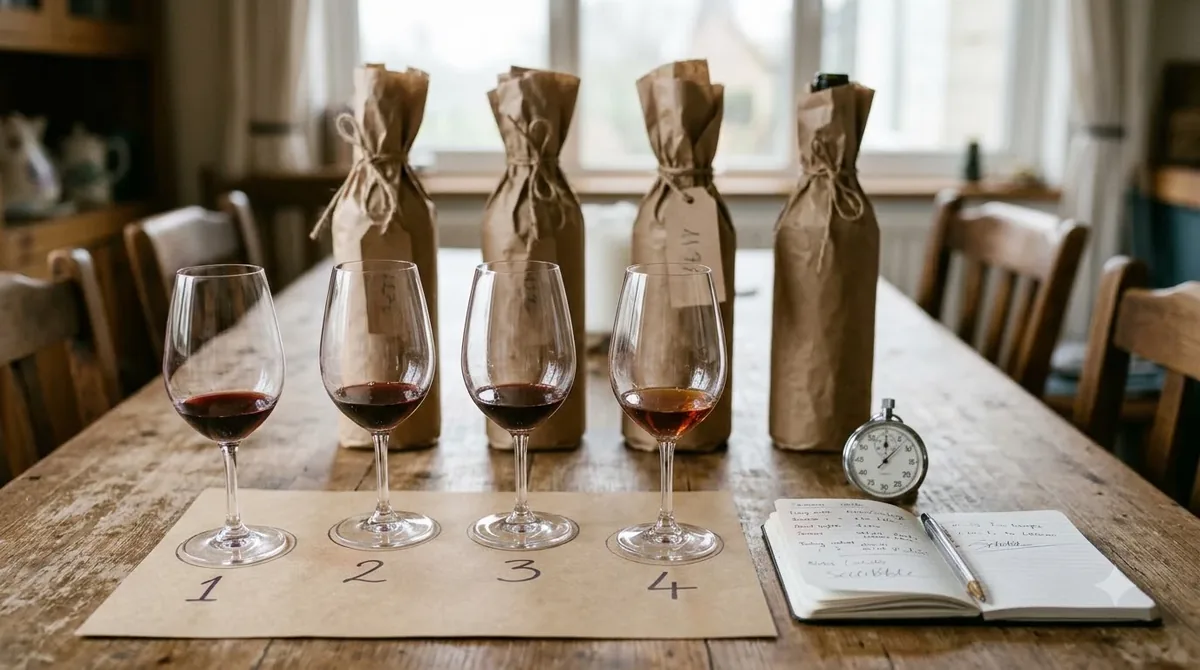
Standard non-vintage Champagne shines between 38°F and 45°F (3°C to 7°C), which keeps the bubbles lively and highlights crisp citrus energy. Complex vintage or prestige cuvées benefit from warming slightly toward 46°F to 54°F so their nutty, brioche aromatics can emerge without becoming muted by excessive cold. While traditional narrow flutes showcase rising streams of bubbles, many sommeliers favor tulip-shaped sparkling glasses that allow complex aromas to gather at the rim.
Unoaked Sauvignon Blanc performs best around 45°F to 48°F, while barrel-aged expressions show greater texture closer to 52°F to 55°F. Neither wine benefits from decanting, as prolonged air exposure flattens Champagne’s effervescence and dulls Sauvignon Blanc’s delicate primary fruit aromatics. A medium-sized white wine glass with a narrower bowl directs Sauvignon Blanc’s vibrant citrus and herbal bouquet straight toward the nose.
Tip: Chill a room-temperature bottle of either wine in an ice-and-water bath for 20 to 25 minutes rather than placing it in the freezer, which cools evenly without risking a frozen cork.
Food Pairing
Champagne’s lively carbonation and yeasty depth excel alongside salty, fried, and creamy foods, while Sauvignon Blanc’s herbaceous acidity pairs naturally with green vegetables, fresh herbs, and tangy cheeses.
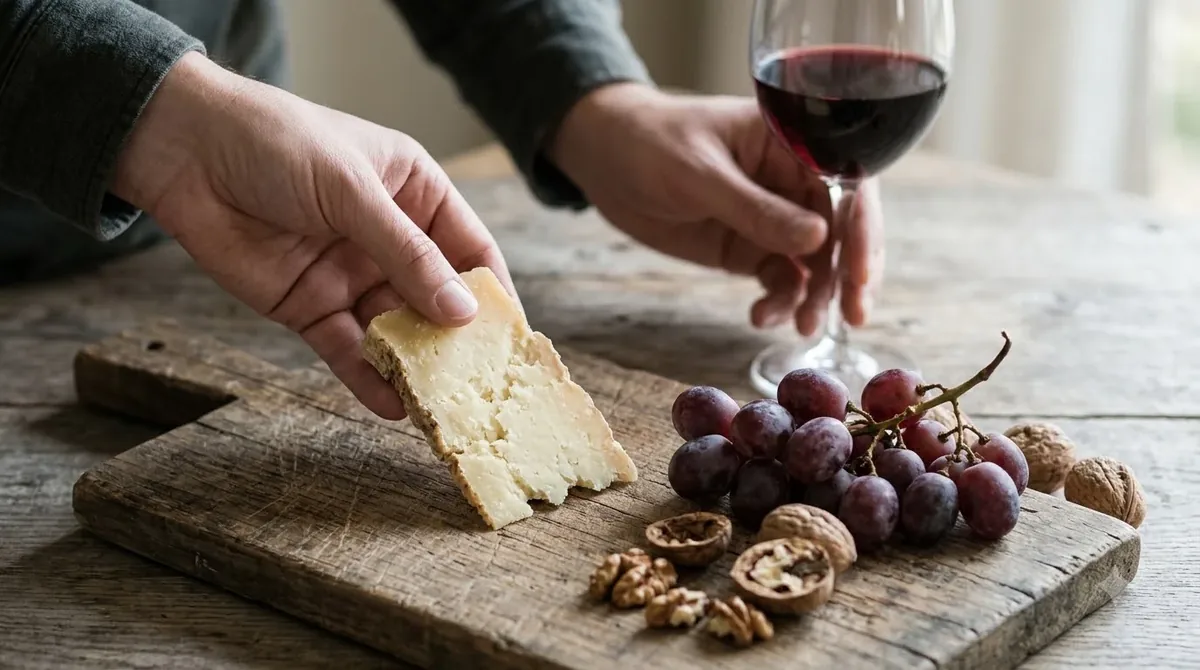
The tiny bubbles and brisk acidity in Champagne act like a scrubbing brush on the palate, making it an unmatched companion for rich appetizers and crunchy textures. Classic pairings include fresh oysters, fried chicken, potato chips, aged Parmigiano-Reggiano, and butter-poached shellfish. Rosé Champagne or Pinot-heavy blends also carry enough structure to accompany roasted poultry, duck, and mushroom dishes.
Sauvignon Blanc follows a simple culinary rule: match green with green. Its zesty citrus and herbal notes complement goat cheese (chèvre), feta salads, asparagus, pesto pasta, grilled white fish, and herb-crusted chicken. It also handles bright, aromatic Southeast Asian dishes—such as Thai green curry or Vietnamese spring rolls with fresh cilantro and mint—where heavier or oaky wines might clash.
If you are comparing white wine pairings against light reds for dinner menus, see how pinot noir vs sauvignon blanc handles poultry, salmon, and earthy ingredients, or browse our broader Wine vs Wine directory for more side-by-side comparisons.
How to Choose a Bottle
Selecting between Champagne and Sauvignon Blanc starts with reading label cues for sweetness, aging, and regional style so the bottle matches your taste preferences.
When shopping for Champagne, check the sweetness designation on the front label first. Brut is the flagship dry style and offers the greatest versatility at the table, while Extra Brut delivers an even sharper, lower-sugar profile. Look for “Blanc de Blancs” if you want pure Chardonnay finesse and citrus-driven brightness, or “Blanc de Noirs” if you prefer fuller body made from Pinot Noir and Pinot Meunier.
For Sauvignon Blanc, the region printed on the label tells you nearly everything about the flavor profile inside. Choose Marlborough or Chile if you enjoy bold aromatics of grapefruit, passion fruit, and cut grass. Opt for Sancerre, Pouilly-Fumé, or coastal California if you prefer restrained citrus, wet stone minerality, and crisp linear acidity, or look to white Bordeaux for a richer, oak-aged texture.
Frequently Asked Questions
Is Champagne sweeter than Sauvignon Blanc?
Not necessarily, as standard Brut Champagne and typical Sauvignon Blanc are both vinified as dry wines. While Brut Champagne contains a tiny dosage of sugar to balance its piercing natural acidity, its high carbonation and brisk acid make it taste crisp and dry on the finish. Only Champagne labeled Extra Dry, Sec, or Demi-Sec carries noticeable sweetness compared to dry Sauvignon Blanc.
Can you substitute Sauvignon Blanc for Champagne in cooking?
Yes, dry Sauvignon Blanc works well as a culinary substitute for Champagne in pan sauces, steamed mussels, and risottos because both share high acidity and bright citrus notes. Keep in mind that cooking drives off carbonation and alcohol quickly, so the dish will retain the crisp acidity without the bubbles. Avoid heavily oaked Sauvignon Blanc if you want the cleanest, sharpest flavor profile.
Which wine has higher alcohol, Champagne or Sauvignon Blanc?
Sauvignon Blanc generally has slightly higher alcohol than Champagne. Most non-vintage Champagnes sit between 10% and 11.5% ABV because grapes in northern France are harvested early to preserve brisk acidity. Sauvignon Blanc typically lands between 11.5% and 13.5% ABV, depending on the warmth of the growing region.
Can Sauvignon Blanc be made into a sparkling wine?
Yes, producers in regions like New Zealand, California, and the Loire Valley occasionally craft sparkling Sauvignon Blanc, though it can never be called Champagne. These wines are usually produced using the tank method to lock in the grape’s signature grapefruit and tropical fruit aromas rather than developing the toasty yeast notes of traditional Champagne.
Whether you reach for the celebratory effervescence and brioche complexity of Champagne or the vibrant, herb-laced snap of Sauvignon Blanc, both wines bring unmistakable energy to the table. Keeping a chilled bottle of each on hand ensures you are ready for everything from casual weeknight seafood to milestone toasts.
More in Wine vs Wine
 Nero d’Avola vs Pinot Noir: Taste, Body, and Pairing DifferencesUpdated Nov 21, 2026
 Chenin Blanc vs Pinot Blanc: Key Differences in Taste, Acidity, and PairingsUpdated Nov 21, 2026
 Chardonnay vs Shiraz: Key Differences in Taste, Serving, and PairingUpdated Nov 21, 2026
 Chardonnay vs Verdejo: How Spain’s Crisp White Compares to the World’s ChameleonUpdated Nov 21, 2026
 Chardonnay vs Sancerre: Key Differences in Taste, Grapes, and PairingUpdated Nov 21, 2026
 Chardonnay vs Malbec: Key Differences in Taste, Body, and PairingUpdated Nov 21, 2026