

We may earn a commission when you buy through links on this page, at no extra cost to you. Learn more.
The core difference in barbera vs merlot comes down to structural backbone: Barbera is defined by high acidity and low tannins, whereas Merlot is built around plush, medium-to-high tannins and moderate acidity. Both are dry, medium-to-full-bodied red wines that typically sit between 13.5 and 15 percent ABV, yet they feel completely different on the palate. Barbera delivers snappy, mouthwatering red berry and sour cherry flavors that slice through rich, acidic dishes, while Merlot offers velvety black plum, cocoa, and herbal notes suited to roasted meats.
Because both grapes produce approachable, fruit-driven red wines without the punishing astringency of young Cabernet Sauvignon or Nebbiolo, shoppers often cross-shop them for weeknight dinners and casual gatherings. Understanding how their acidity, tannin levels, and regional expressions diverge makes it simple to pick the right bottle for your menu or mood, just as comparing Wine vs Wine styles across other classic grapes clarifies what ends up in your glass.
What Is the Difference Between Barbera and Merlot?
Barbera and Merlot are both dry red wine varieties capable of producing everything from bright, everyday table wines to cellar-worthy bottles, yet their structural blueprints sit on opposite sides of the palate. Barbera relies on vibrant natural acidity and minimal astringency for its energy, while Merlot achieves its signature smoothness through softer tannins and plush fruit weight.
According to Wine Enthusiast, Barbera is one of the most widely planted red grapes in Italy, prized for its deep purple color in the glass alongside surprisingly low tannins and lively acidity. That combination can catch newcomers off guard because the wine looks dark and brooding, yet it drinks with crisp, juicy lift rather than heavy grip. In many ways, Barbera occupies a middle ground between heavy reds and lighter Italian staples, a dynamic also visible when comparing barbera vs chianti.
Merlot, by contrast, is a classic French variety originating in Bordeaux that ranks as the second-most planted grape in the world. As Master of Wine Christine Marsiglio notes in Wine Folly’s guide to Merlot, the grape owes its velvety texture to thinner skins and fewer seeds than its half-sibling Cabernet Sauvignon, resulting in lower tannin extraction during fermentation. While Merlot still carries medium to medium-high tannins and a medium-full body, those tannins feel round and cushioned rather than sharp or chalky, setting up a clear contrast in any bordeaux vs merlot matchup.
Side-by-Side Comparison: Barbera vs Merlot
Looking at the measurable traits of both grapes highlights why they behave so differently at the dinner table despite sharing similar alcohol ranges and dry profiles. The table below summarizes the typical structural and sensory benchmarks for standard expressions of each variety.
| Attribute | Barbera | Merlot |
|---|---|---|
| Origin | Piedmont, Northern Italy | Bordeaux, Southwestern France |
| Primary Fruit Flavors | Sour cherry, raspberry, blackberry, blueberry | Black plum, black cherry, red berries |
| Secondary Notes | Licorice, dried herbs, violet, vanilla (if oaked) | Dark chocolate, clove, cedar, bay leaf |
| Body | Medium to medium-full | Medium-full |
| Acidity | High | Medium |
| Tannins | Low to medium-low | Medium to medium-high |
| Sweetness | Bone dry | Bone dry |
| Typical ABV | 13.5%–15% | 13.5%–15% |
| Ideal Serving Temp | 60–68°F (15–20°C) | 60–68°F (15–20°C) |
Notice that sweetness, body, and alcohol percentage overlap substantially between the two varieties, which explains why both feel substantial enough for hearty meals. However, the inversion between acidity and tannins completely changes how each wine interacts with food fats, proteins, and sauces.
When a wine has high acidity and low tannins like Barbera, it stimulates salivation and refreshes the palate after every bite, acting almost like a squeeze of lemon over rich food. When a wine pairs medium acidity with supple, medium-high tannins like Merlot, those tannins bind to proteins in meat and create a creamy, coating finish across the tongue.
Flavor Profile and Winemaking Styles
Barbera centers on tart red and blue berries accented by herbal and floral nuances, whereas Merlot leans into plush dark stone fruits, cocoa, and savory spice. Winemaking choices—particularly oak aging—further separate each grape into distinct entry-level and reserve tiers.
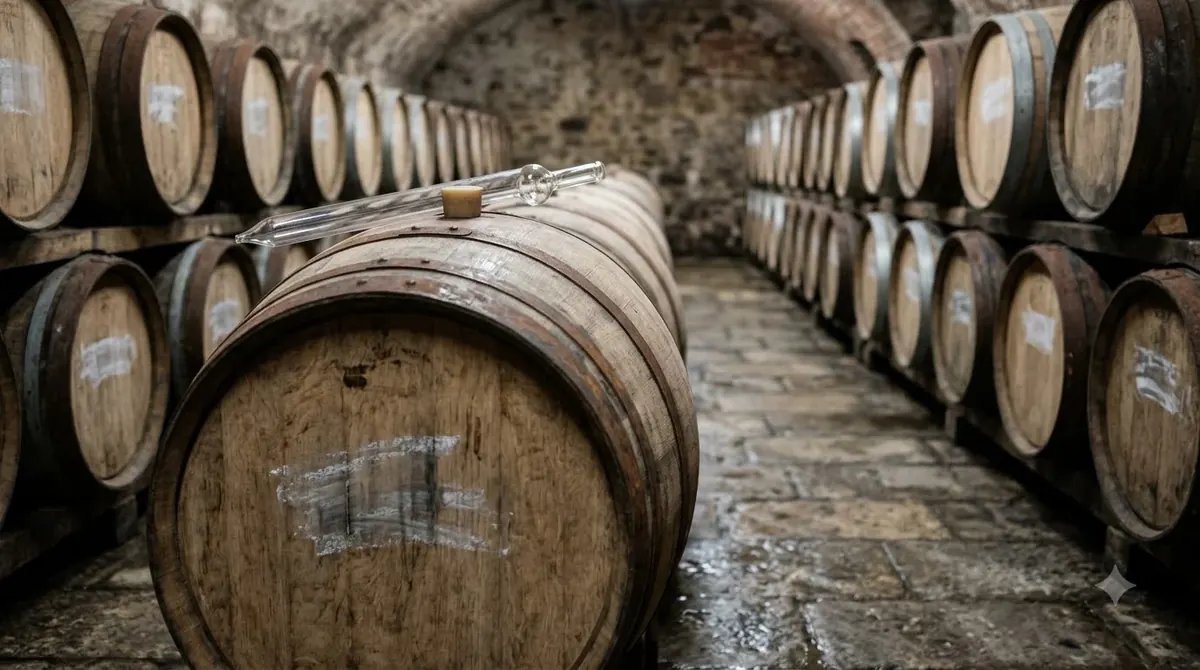
In its unoaked or stainless-steel-aged form, Barbera bursts with fresh raspberry, Marasca cherry, and crushed blueberry notes, often backed by a subtle hint of licorice or anise. Because the grape naturally retains high acidity even when fully ripe, unoaked bottlings taste energetic and thirst-quenching. When winemakers age top-tier Barbera in toasted oak barrels—common in Superiore bottlings—the wine picks up baking spice, vanilla, and espresso notes while gaining a bit more structural polish, though it never loses its signature tart core.
Merlot shifts its flavor profile noticeably depending on climate and oak treatment. Cooler-climate Merlot displays fresh red plum, raspberry, and subtle green herbal or bay leaf nuances supported by firmer tannins. In warmer regions, the fruit ripens into lush black cherry, blackberry jam, and plum cake, and aging in French or American oak layers on mocha, dark chocolate, vanilla, and sweet clove spice.
Because Merlot has gentler tannins than Cabernet Sauvignon, winemakers often use new oak barrels to add structure and aromatic complexity without making the finished wine overly astringent. Barbera producers, on the other hand, must use oak carefully so heavy toast does not overwhelm the grape’s bright, high-toned fruit.
Where They Grow Best
Barbera remains deeply tied to its ancestral home in northern Italy’s Piedmont region with smaller footholds in California, while Merlot thrives globally from France’s Right Bank of Bordeaux to Washington State and California. Soil composition and regional climate dictate whether each grape produces a crisp, savory bottle or a rich, fruit-forward red.
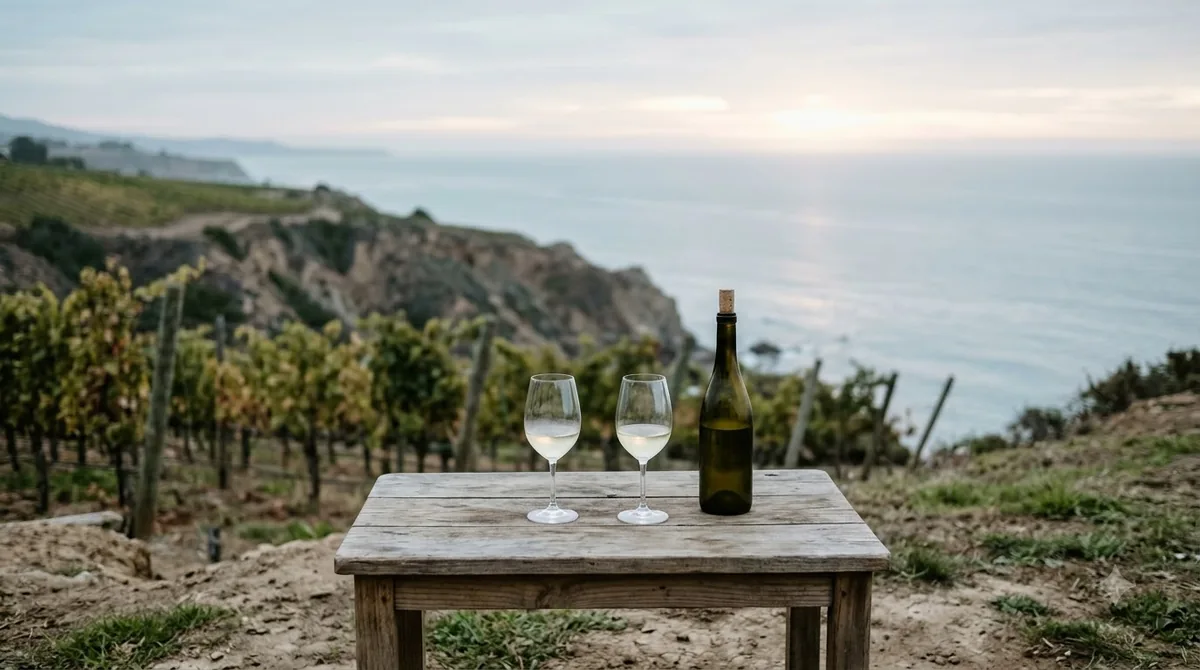
In Italy, Piedmont accounts for the vast majority of the world’s finest Barbera, particularly across three flagship appellations: Barbera d’Asti DOCG, Nizza DOCG, and Barbera d’Alba DOC. Reviewers at Wine Enthusiast point out that Barbera thrives in calcareous and clay soils, where vigorous vines require regular pruning to keep yields in check and concentrate flavors. While Alba winemakers often save their prime south-facing slopes for Nebbiolo, Asti and Nizza growers plant Barbera on their best hillsides, yielding concentrated, age-worthy expressions. Outside Italy, California’s Sierra Foothills, Lodi, Napa Valley, and Sonoma produce riper, fruit-forward Barbera, alongside emerging plantings in Oregon, Washington, Australia, and South Africa.
Merlot’s historic heartland is Bordeaux, specifically the Right Bank appellations of Pomerol and Saint-Émilion. Pomerol’s clay-rich soils and Saint-Émilion’s limestone-and-clay slopes produce structured, age-worthy Merlot prized for earthy truffles, plum, and mineral depth. Beyond France, Merlot is widely planted in northeastern Italy’s Friuli-Venezia Giulia region, as well as across California’s Napa and Sonoma valleys, Washington’s Columbia Valley, and New York’s Long Island and Finger Lakes, where climate differences yield styles ranging from crisp and herbal to opulent and velvety.
How to Serve Barbera and Merlot
Both Barbera and Merlot show their best aromatics and balance when served slightly below standard room temperature, ideally between 60 and 68°F (15 to 20°C). Serving either bottle too warm allows alcohol to dominate the nose and dulls the fruit, while chilling them slightly preserves freshness.
For younger, unoaked Barbera, aiming toward the cooler end of that range—around 60°F—accentuates its crisp acidity and snappy berry character, especially during warmer months. A brief 15-to-20-minute chill in a standard kitchen refrigerator brings a room-temperature bottle down to the sweet spot. Pour Barbera into a standard all-purpose red wine glass or an aroma-collector bowl, and give concentrated, oak-aged Superiore bottlings about 30 minutes of decanting to let savory spice and floral notes open up.
Merlot benefits from an oversized Bordeaux-style glass whose wide bowl encourages oxygen contact and directs plush dark fruit aromas toward the nose. Decanting Merlot for roughly 30 minutes prior to pouring softens its medium-high tannins and integrates oak notes, particularly in fuller-bodied bottles from Napa Valley, Washington, or Bordeaux. While youthful Barbera is typically enjoyed within three to five years of vintage (with top Superiore bottlings aging 10 to 15 years), structured Merlot can evolve gracefully in a cool cellar for 7 to 15 years or longer.
Tip: If your dining room sits around 72°F, place either bottle in the fridge for 20 minutes before uncorking so the first pour hits that 60–65°F sweet spot without tasting warm or alcoholic.
Food Pairing: Matching Acidity vs. Tannin
Choosing between Barbera and Merlot at the dinner table comes down to matching wine structure to the dominant elements of your dish: pair Barbera with acidic, tomato-driven, or cheesy foods, and reserve Merlot for marbled proteins and savory roasted meats.
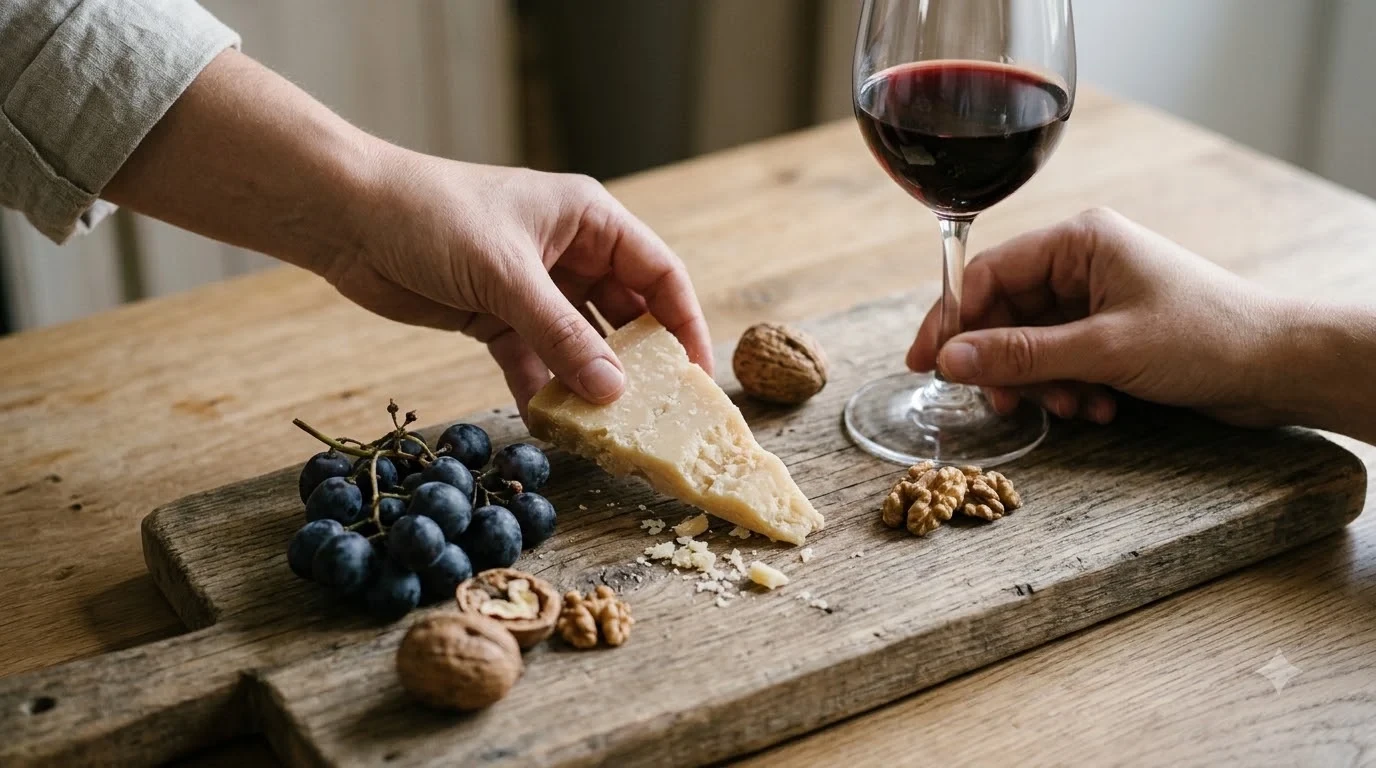
Barbera is widely regarded by sommeliers as one of the most versatile food wines in Italy because its high acidity cuts right through richness without clashing with acidic ingredients. Tomato-based pasta sauces, Margherita or pepperoni pizza, eggplant Parmesan, braised pork ragù, and creamy mushroom risotto all harmonize with Barbera’s lively tang. Because its tannins are low, Barbera also avoids turning bitter or metallic alongside cured meats, charcuterie boards, and moderately spicy dishes where heavier reds struggle.
Merlot’s plush tannins and dark fruit profile make it a natural partner for meat-centric menus where protein and fat soften the wine’s grip. Entry-level, fruit-forward Merlot works effortlessly with weeknight staples like roasted chicken, grilled burgers, mushroom pasta, and barbecue pork. Fuller-bodied, structured Merlots from Bordeaux, Napa Valley, or Columbia Valley stand up beautifully to filet mignon, grilled lamb chops with chimichurri, prime rib, and slow-cooked beef stews.
How to Choose Between Barbera and Merlot
Selecting the right bottle depends on whether you prefer bright, mouthwatering refreshment or a plush, velvety mouthfeel, as well as what is on your menu. Use the cues below to pick the better fit for your glass.
Reach for Barbera if you enjoy Pinot Noir, Beaujolais, or Sangiovese and want a red wine that feels lively, juicy, and palate-cleansing. It is the superior choice when dinner features tomato sauce, melted cheese, vinegar-based dressings, or rich, fatty dishes that benefit from a burst of crisp acidity. Look for labels reading Barbera d’Asti or Barbera d’Alba for classic Italian freshness, or Nizza DOCG and Superiore when you want deeper concentration and subtle oak spice—and if you are exploring Italian reds further, comparing barbera vs sangiovese will help you pinpoint your ideal acidity level.
Choose Merlot if you love Cabernet Sauvignon or Malbec but want a smoother, softer texture without heavy tannic grip. It shines when you are serving grilled or roasted red meats, hearty winter stews, or simply want a cozy, round glass of red wine to sip on its own without food. Seek out bottles from Washington’s Columbia Valley or Napa Valley for ripe plum and cocoa richness, or look to Saint-Émilion and Pomerol for earthy, structured complexity.
Frequently Asked Questions
Is Barbera sweeter than Merlot?
No, both Barbera and Merlot are fermented completely dry and contain virtually no residual sugar. Barbera can sometimes seem fruitier on the first sip because its low tannins allow pure raspberry and cherry flavors to shine immediately, while Merlot’s ripe plum notes can give a rich impression, yet neither is a sweet wine.
Which has more tannins, Barbera or Merlot?
Merlot has noticeably more tannins than Barbera, typically falling in the medium to medium-high range compared to Barbera’s low to medium-low levels. Even though Merlot is smoother than Cabernet Sauvignon, it still provides a velvety, drying grip on the gums that Barbera lacks.
Can you serve Barbera slightly chilled?
Yes, serving Barbera slightly chilled around 60°F (15°C) highlights its crisp acidity and bright red berry aromas. Placing the bottle in the refrigerator for 15 to 20 minutes before serving prevents the alcohol from tasting warm and keeps the wine refreshing.
Why is Barbera better with tomato sauce than Merlot?
Tomatoes are naturally high in acid, and pairing an acidic food with a lower-acid, tannic wine like Merlot can make the wine taste flat or metallic. Barbera’s naturally high acidity matches the brightness of tomato sauce, keeping both the food and the wine tasting balanced and vibrant.
Ultimately, comparing barbera vs merlot highlights two complementary ways to enjoy a smooth, medium-full red wine without overwhelming bitterness. Keep Barbera on hand for tangy Italian dishes, pizza nights, and lively refreshment, and uncork Merlot whenever roasted meats or a velvety evening pour call for plush dark fruit.
More in Wine vs Wine
 Nero d’Avola vs Pinot Noir: Taste, Body, and Pairing DifferencesUpdated Nov 21, 2026
 Chenin Blanc vs Pinot Blanc: Key Differences in Taste, Acidity, and PairingsUpdated Nov 21, 2026
 Chardonnay vs Shiraz: Key Differences in Taste, Serving, and PairingUpdated Nov 21, 2026
 Chardonnay vs Verdejo: How Spain’s Crisp White Compares to the World’s ChameleonUpdated Nov 21, 2026
 Chardonnay vs Sancerre: Key Differences in Taste, Grapes, and PairingUpdated Nov 21, 2026
 Chardonnay vs Malbec: Key Differences in Taste, Body, and PairingUpdated Nov 21, 2026