

We may earn a commission when you buy through links on this page, at no extra cost to you. Learn more.
Barbera vs Cabernet Sauvignon comes down to acidity, tannin, body, and food pairing: Barbera is generally brighter, juicier, and softer in tannin, while Cabernet Sauvignon is fuller-bodied, more structured, and more tannic. Barbera typically offers sour cherry, raspberry, and plum flavors, with refreshing acidity that works particularly well with tomato-based dishes. Cabernet Sauvignon emphasizes blackberry, blackcurrant, and dark plum, making it a natural choice for steak, lamb, and other substantial meals. Both are dry red wines, but they create noticeably different experiences at the table.
Choosing between these grapes is easier when you understand how their natural characteristics influence the finished wine. Barbera comes primarily from Piedmont in northwestern Italy, while Cabernet Sauvignon has its origins in Bordeaux, France, and is now grown in major wine regions around the world. Their differences extend beyond geography: grape structure, winemaking choices, climate, and aging all influence how each wine tastes. This comparison explains what to expect from each bottle and how to choose the better match for your dinner, preferences, and wine collection.
1. The Main Differences Between Barbera and Cabernet Sauvignon
Barbera is generally a high-acid, low-to-medium-tannin red wine, whereas Cabernet Sauvignon is a full-bodied wine with high tannins and medium acidity. The result is a contrast between freshness and firmness: Barbera feels juicy and lively, while Cabernet Sauvignon feels denser and more structured.
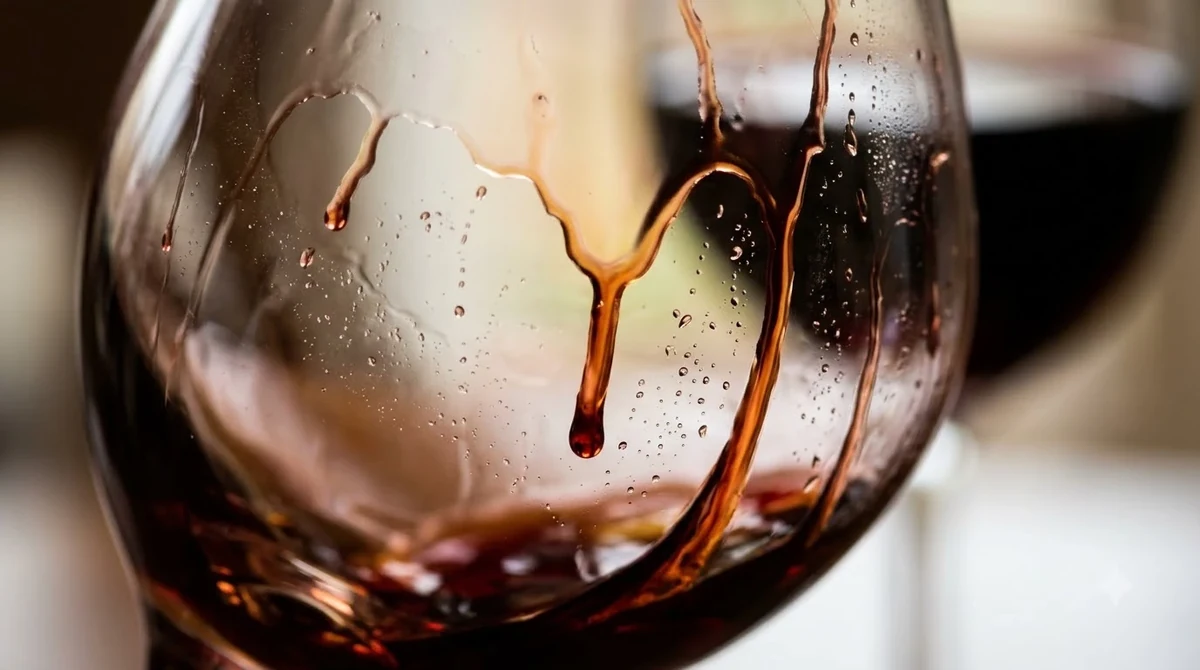
The difference starts with the grapes themselves. Barbera has naturally high acidity and substantial color, but relatively modest tannin. Cabernet Sauvignon has thick grape skins and small berries that contribute concentrated flavors, deep color, and a firm tannic structure. These characteristics explain why two dry red wines can feel so different even when they contain similar alcohol levels.
Barbera usually emphasizes red and dark fruit without creating an especially drying sensation. Its acidity makes the mouth water and keeps the fruit flavors energetic. Cabernet Sauvignon tends to coat the palate more firmly, with tannins creating a drying, gripping sensation along the gums and cheeks. Its darker fruit flavors often remain prominent through a longer finish.
| Characteristic | Barbera | Cabernet Sauvignon |
|---|---|---|
| Origin | Piedmont, Italy | Bordeaux, France |
| Typical body | Medium | Full |
| Acidity | High | Medium |
| Tannins | Low to medium | High |
| Main fruit flavors | Cherry, raspberry, plum | Blackberry, blackcurrant, dark cherry |
| Typical texture | Juicy and refreshing | Firm and structured |
| Common oak influence | Optional, varies by producer | Common, often pronounced |
| Typical food matches | Pizza, tomato pasta, roasted pork | Steak, lamb, aged cheese |
| Best serving temperature | 55–60°F | 60–65°F |
These characteristics are typical rather than absolute. An oak-aged Barbera can feel considerably richer than a fresh, unoaked example, while a cooler-climate Cabernet Sauvignon can show more freshness and restraint than a powerful Napa Valley bottling.
The easiest way to decide is to consider the texture you enjoy. Choose Barbera if you prefer lively acidity, approachable tannins, and fruit-forward flavors. Choose Cabernet Sauvignon if you enjoy a substantial red wine with noticeable grip, concentrated dark fruit, and the ability to develop additional complexity with age.
2. Flavor Profiles, Aromas, and Mouthfeel
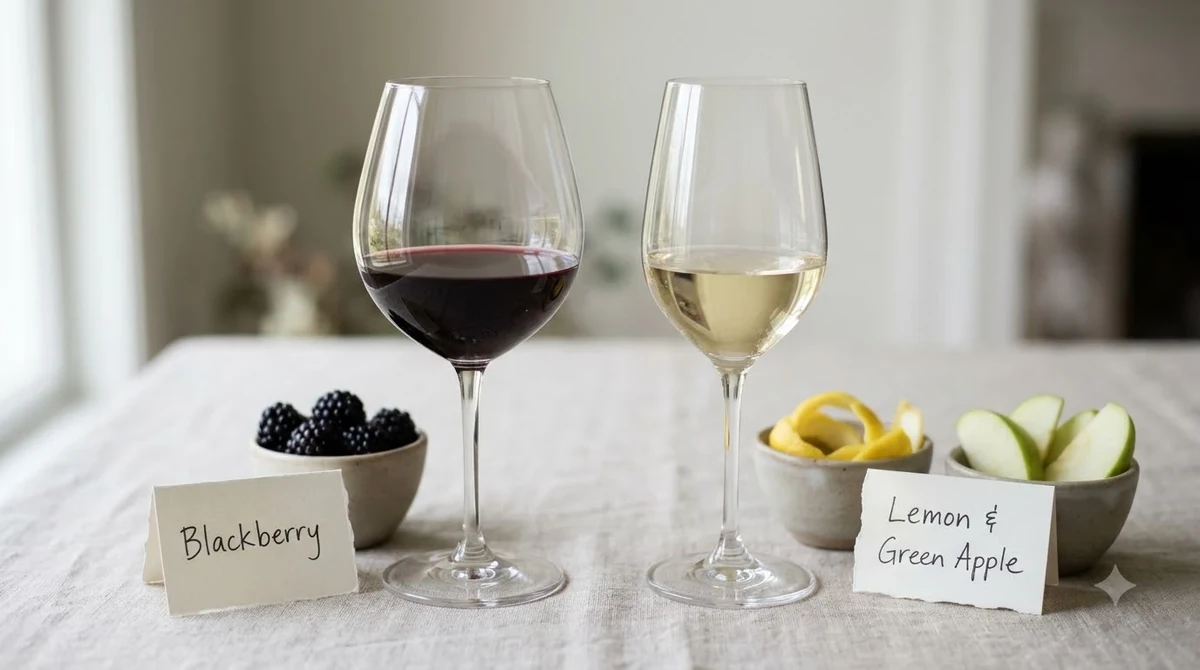
Barbera generally tastes of tart cherry, red plum, raspberry, and sometimes blackberry, with refreshing acidity. Cabernet Sauvignon leans toward blackcurrant, blackberry, black cherry, and darker savory notes, often accompanied by a more pronounced tannic texture.
A young Barbera commonly has an energetic fruit profile. Sour cherry and cranberry-like notes can be especially noticeable, alongside raspberry, red plum, and occasional violet or herbal aromas. The acidity gives these flavors a fresh quality rather than a heavy or sweet impression. Although Barbera can have a deep ruby or purple color, its mouthfeel is often lighter than its appearance suggests.
Oak-aged Barbera develops a different personality. Depending on the barrels and maturation period, the wine may show vanilla, baking spices, cocoa, licorice, and darker plum flavors. The oak can contribute additional texture and make the wine feel more substantial without eliminating its naturally refreshing acidity.
Cabernet Sauvignon typically delivers a darker flavor profile. Blackcurrant, blackberry, black cherry, and dark plum are common fruit characteristics. Secondary aromas can include green pepper, dried herbs, cedar, tobacco, and graphite-like notes. New oak may introduce vanilla, clove, toast, and baking spice.
The grape’s tannins play a major role in how these flavors are experienced. Barbera’s relatively low tannin allows its acidity and fruit to dominate. Cabernet Sauvignon’s higher tannin creates a firmer structure that can make its fruit taste more concentrated and its finish more persistent.
Climate and winemaking can change both profiles. A warm-climate Cabernet from Napa Valley may emphasize ripe blackberry, dark cherry, and higher alcohol, while a Bordeaux example can show more herbal and earthy character. Similarly, a fresh Barbera d’Asti can taste noticeably different from a richer, barrel-aged Barbera d’Alba.
Neither grape is inherently sweet. Both are commonly produced as dry red wines, even when their ripe fruit aromas create an impression of sweetness. This distinction matters when choosing wine for dinner: ripe blackberry aromas do not mean that a Cabernet Sauvignon contains dessert-level sweetness.
3. Acidity, Tannins, Alcohol, and Body
The most important structural difference is that Barbera combines high acidity with relatively low tannin, while Cabernet Sauvignon combines high tannin with medium acidity. This makes Barbera more refreshing and Cabernet Sauvignon more gripping, although alcohol and winemaking choices also influence their perceived weight.
Acidity is the characteristic that makes Barbera particularly useful at the dinner table. It creates a mouthwatering sensation, balances rich ingredients, and helps the wine remain lively alongside dishes containing tomatoes, butter, cheese, or olive oil. Barbera’s acidity is a natural feature of the grape rather than something that necessarily comes from an unusually cool serving temperature.
Cabernet Sauvignon generally has less pronounced acidity than Barbera, although its acidity varies with growing conditions and harvest decisions. Its high tannin provides much of its structure. When you drink a young Cabernet, you may notice a drying sensation that becomes more noticeable after several sips. This is part of the grape’s characteristic profile, not necessarily a sign that the wine is poorly made.
Body describes the overall weight of wine on the palate. Barbera is usually medium-bodied, although concentrated examples can feel medium-full. Cabernet Sauvignon is typically full-bodied, with more concentrated fruit, firmer tannins, and often a richer impression of alcohol and oak.
Alcohol levels vary by region and producer. Barbera d’Asti DOCG has a minimum total alcoholic strength of 12% ABV under its production rules. That is a regulatory minimum, not a universal description of every Barbera. Cabernet Sauvignon also varies considerably, with cooler Bordeaux examples often showing less alcohol than ripe, warm-climate California bottlings.
Tip: If you find Cabernet Sauvignon too drying, try Barbera before moving to another grape. Its high acidity and lower tannin can provide plenty of flavor without the same firm mouthfeel. If Barbera feels too sharp, try a fuller, oak-aged example rather than assuming the grape is always light.
Alcohol can make both wines seem warmer and heavier, especially when served above their ideal temperatures. For a balanced tasting, serve Barbera at 55–60°F and Cabernet Sauvignon at 60–65°F. Slight chilling helps preserve Barbera’s freshness, while a moderately cool serving temperature keeps Cabernet’s alcohol from dominating its fruit and tannin.
4. Growing Regions and Winemaking Styles
Barbera is most closely associated with Piedmont in northwestern Italy, particularly the areas around Asti, Alba, and Monferrato. Cabernet Sauvignon originated in Bordeaux but is now internationally established, with important expressions from Napa Valley, Sonoma County, Washington State, Chile, and Australia.
In Piedmont, Barbera has a long agricultural history. The Consorzio Barbera d’Asti e Vini del Monferrato records a historical reference from 1512 in a cadastral document from Chieri. The grape eventually became one of the region’s most widely cultivated red varieties and an important part of local everyday wine culture.
Two recognizable appellations are Barbera d’Asti and Barbera d’Alba. Both can produce juicy, fruit-driven wines, but individual producers use different vineyard sites, fermentation approaches, and aging methods. Some prioritize freshness and immediate drinkability, while others use oak to build additional complexity and texture.
Barbera d’Asti is another important regional expression. According to the regional consortium, its DOCG production area includes 116 municipalities in Asti province and 51 in Alessandria province. The appellation requires at least 90% Barbera, with the remaining permitted portion made up of other qualifying non-aromatic red grapes.
For more detail about the grape’s history and cultivation, the Consorzio Barbera d’Asti’s Barbera overview provides useful information about its geographic footprint, vineyard characteristics, and traditional place in Piedmont.
Cabernet Sauvignon’s regional differences can be equally important. Bordeaux commonly uses Cabernet Sauvignon in blends with Merlot and other permitted grapes. These wines can emphasize blackcurrant, cedar, herbs, and earthy notes, with tannins providing a structured framework.
Napa Valley produces a different expression. Its warmer growing conditions can encourage riper fruit, higher alcohol, lower acidity, and bolder tannins. Sonoma County, with its cooler microclimates and varied soils, can produce Cabernet with brighter acidity, softer tannins, and more noticeable red-fruit characteristics.
Washington State, Chile, and Australia provide further variations. A Washington Cabernet can show concentrated fruit with a fresh structural profile, while Chilean examples may combine dark berries with herbal notes. Australian Cabernet, particularly from established Cabernet-growing districts, can show ripe cassis, eucalyptus-like herbal notes, and substantial structure.
Winemaking also creates important distinctions. Barbera can be fermented and aged in stainless steel to retain fresh fruit, or matured in oak for additional spice and complexity. Cabernet Sauvignon is commonly matured in oak barrels, sometimes for extended periods, to complement its natural concentration and tannin.
5. Food Pairings: Which Wine Goes With Dinner?
Barbera is usually the better choice for tomato-based pasta, pizza, roasted pork, and dishes where acidity helps balance richness. Cabernet Sauvignon is generally the stronger match for grilled steak, lamb, burgers, and aged hard cheeses because its firm tannins complement protein-rich and fatty foods.
Barbera’s high acidity makes it particularly versatile with Italian cooking. Tomato sauce can make a lower-acid wine seem flat, but Barbera’s freshness helps maintain balance. Try it with spaghetti marinara, lasagna, baked ziti, or a pizza topped with tomato sauce, mozzarella, mushrooms, and sausage.
It also works well with roasted chicken, pork chops, duck, and grilled vegetables. Mushrooms, eggplant, roasted squash, and herbs can complement Barbera’s fruit and earthy secondary characteristics. For a cheese course, consider moderately aged cheeses that do not overwhelm its relatively soft tannins.
Cabernet Sauvignon is especially successful with beef. Grilled ribeye, strip steak, roast beef, lamb chops, and slow-cooked short ribs provide the richness and protein that help balance its tannins. The fat softens the wine’s drying sensation, allowing its dark-fruit flavors to become more prominent.
Aged cheddar, Parmesan, and other firm cheeses can also work well. For a vegetarian meal, grilled portobello mushrooms, lentil burgers, and dishes with roasted eggplant can provide enough savory intensity to stand alongside Cabernet’s structure.
The distinction becomes clearer with several common dinner situations:
- Tomato-based pasta: Barbera is the more natural choice because its acidity complements the sauce.
- Margherita pizza: Barbera provides freshness alongside tomato, mozzarella, and basil.
- Grilled ribeye: Cabernet Sauvignon’s high tannin and concentrated fruit complement the steak’s fat and protein.
- Roast chicken: Barbera is generally more versatile, particularly when herbs and roasted vegetables are involved.
- Lamb chops: Cabernet Sauvignon works particularly well with grilled or roasted preparations.
- Mushroom risotto: Barbera offers refreshing acidity and fruit that complement earthy mushrooms.
- Aged cheddar: Cabernet Sauvignon’s firm tannins and concentrated fruit provide a substantial match.
Consider sauces and seasonings as well as the main ingredient. A tomato-rich beef ragu may favor Barbera despite containing beef, while a grilled steak with a rich reduction may be better with Cabernet Sauvignon. The preparation can matter as much as the protein.
Salt and fat can soften the perception of tannin, which explains why Cabernet Sauvignon often works so well with rich meat dishes. Conversely, acidic ingredients benefit from a wine with equal or higher acidity. That principle makes Barbera a reliable choice for tomato-heavy recipes.
Spicy food requires additional care. Chili heat can become more pronounced with high alcohol and tannin, so neither grape is automatically ideal for very hot dishes. A moderately spiced preparation is generally easier to match than one dominated by intense chili heat.
6. Serving Temperature, Decanting, and Storage
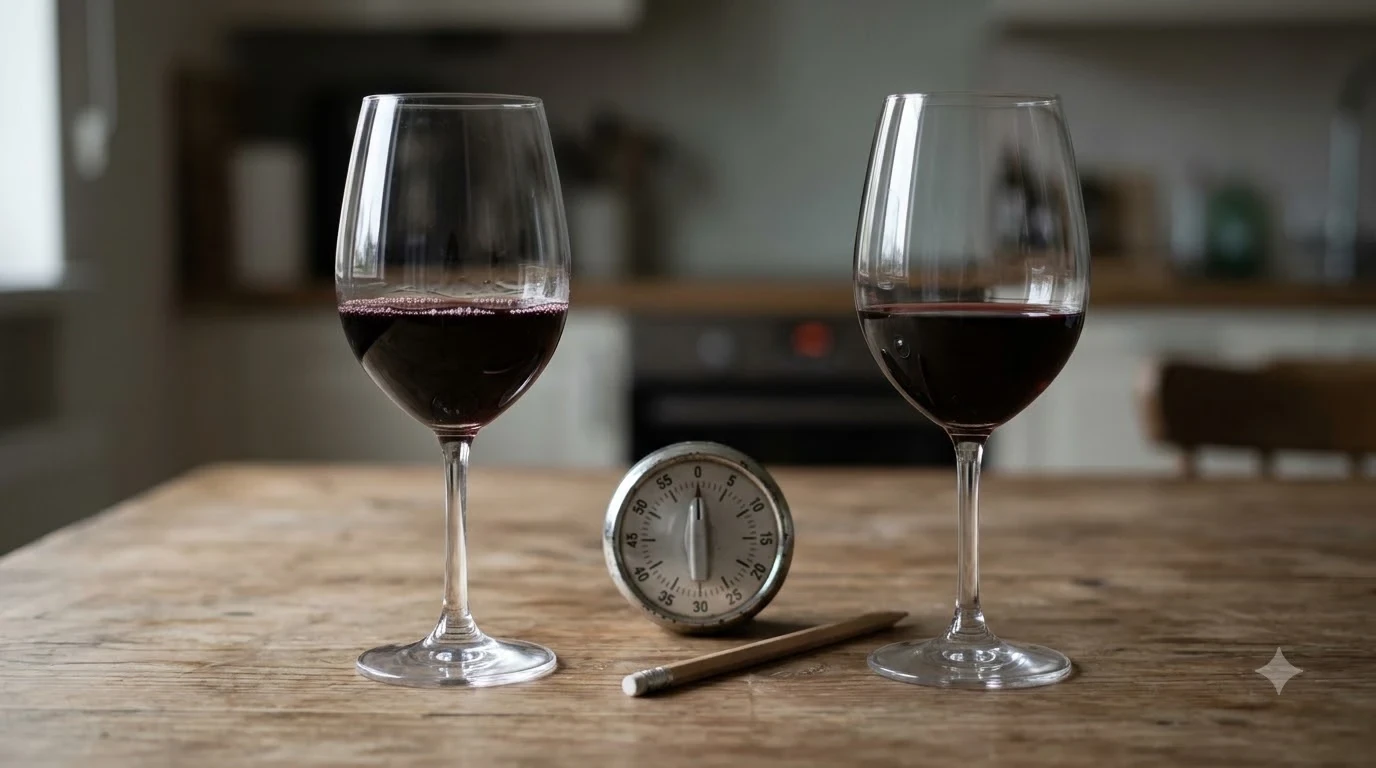
Barbera is best served slightly chilled at 55–60°F, while Cabernet Sauvignon generally benefits from a serving temperature of 60–65°F. Proper temperature control helps preserve the fruit, acidity, and structure of both wines without allowing alcohol or tannins to dominate.
Many people serve red wine too warm because they interpret room temperature as a universal recommendation. In a warm dining room, a bottle sitting on the counter can quickly become warmer than intended. This can make alcohol seem more prominent and reduce the refreshing quality of Barbera.
For Barbera, place the bottle in the refrigerator for approximately 15–25 minutes before serving if it has been stored at normal room temperature. The goal is a gently chilled wine, not a cold bottle that suppresses its aromas. If the wine is already stored in a cool cellar, it may need little or no additional chilling.
Cabernet Sauvignon generally needs less chilling. A bottle stored near 55°F can be allowed to warm slightly in the glass. If it has been kept in a warm room, approximately 15–20 minutes in the refrigerator can help bring it closer to the preferred serving range.
Decanting depends on the wine’s age and structure. A young, concentrated Cabernet Sauvignon can benefit from approximately 30–60 minutes of aeration. Oxygen exposure can soften the initial impression of firmness and allow fruit and oak aromas to become more expressive.
Barbera does not generally require extensive decanting. Fresh, unoaked examples are often ready shortly after opening. More concentrated or oak-aged bottles may benefit from around 15–30 minutes in a decanter, especially if their aromas initially seem restrained.
Use a reasonably large red-wine glass for both varieties. A bowl that provides space for swirling helps release aromas, while the opening concentrates those aromas as you smell the wine. Cabernet Sauvignon particularly benefits from a generous bowl because its layered fruit, oak, and herbal notes can become more noticeable with aeration.
Storage matters if you do not finish the bottle. Keep unopened bottles away from sunlight, heat, and significant temperature fluctuations, ideally near 55°F. Traditional cork-finished bottles are generally stored on their sides to keep the cork from drying out.
After opening, reseal both wines and refrigerate them. Barbera and Cabernet Sauvignon typically remain enjoyable for approximately three to five days, although freshness depends on exposure to oxygen, initial condition, and storage. Bring the remaining wine toward its appropriate serving temperature before drinking again.
7. Aging Potential and Choosing the Right Bottle
Cabernet Sauvignon generally has greater long-term aging potential than everyday Barbera because its high tannin, concentration, and acidity can provide a durable structure. However, carefully made Barbera can also age well, particularly examples from selected vineyards and producers that use thoughtful oak maturation.
Most fresh, fruit-driven Barbera is intended for relatively early enjoyment. Its appeal comes from bright cherry flavors, juicy acidity, and a soft tannic profile. Drinking these wines while their fruit remains fresh is often more rewarding than keeping them for many years.
Higher-quality Barbera can have a longer life. Concentrated examples from Piedmont may develop additional savory, spicy, and dried-fruit characteristics with bottle age. Barbera d’Asti Superiore has specific maturation requirements, including a minimum aging period of 14 months, with six months in wooden barrels and six months in the bottle.
Cabernet Sauvignon has a broader reputation for cellar aging. Its tannins and concentrated fruit can gradually integrate, while secondary characteristics such as tobacco, leather, cedar, and dried herbs become more pronounced. Wine Enthusiast notes that some well-made examples can develop over 10–20 years or longer, depending on their origin and quality.
Not every Cabernet Sauvignon needs extended cellaring. Many approachable bottles are made for drinking within a few years of release. A simple, fruit-forward Cabernet may lose its freshness if kept too long, whereas a structured wine from a strong vineyard and vintage may benefit from additional time.
Producer reputation, vintage conditions, vineyard quality, acidity, tannin, and storage all influence aging potential. The grape name alone cannot determine how long a particular bottle will improve.
For readers comparing Cabernet with other familiar red wines, the differences between Cabernet Sauvignon vs Carmenere provide another useful look at tannin, fruit character, and regional expression. The comparison between Barolo vs Cabernet Sauvignon is also helpful for understanding how Piedmont’s structured Nebbiolo wines differ from Cabernet’s dark-fruit profile.
Use these practical guidelines when selecting a bottle:
- Choose fresh Barbera d’Asti for lively acidity, approachable fruit, and everyday pasta dinners.
- Choose Barbera d’Alba when you want another Piedmont expression with potential for a richer, more structured style.
- Choose Barbera d’Asti Superiore when you want a more substantial regional expression with additional maturation.
- Choose Bordeaux Cabernet Sauvignon for a structured wine that can emphasize cassis, herbs, and earthy complexity.
- Choose Napa Valley Cabernet Sauvignon for concentrated black fruit, substantial body, and pronounced tannins.
- Choose Sonoma County Cabernet Sauvignon when you want Cabernet’s structure with potentially softer tannins and brighter fruit.
Ultimately, the better choice depends on your preferred balance of fruit, acidity, and texture. Barbera offers freshness and flexibility, while Cabernet Sauvignon provides depth, firmness, and a more substantial presence. Both deserve a place in a varied red-wine collection.
Frequently Asked Questions
Is Barbera a type of Cabernet Sauvignon?
No. Barbera and Cabernet Sauvignon are separate grape varieties with different origins and growing characteristics. Barbera is historically associated with Piedmont, while Cabernet Sauvignon originated in Bordeaux. They are not interchangeable names for the same grape, although producers may sometimes include either variety in broader red-wine blends where permitted.
Is Barbera always a single-varietal wine?
No. Although many Barbera bottles are made primarily or entirely from Barbera grapes, certain regional appellations permit limited blending with other varieties. For example, Barbera d’Asti DOCG allows up to 10% qualifying supplementary red grapes, including other non-aromatic varieties permitted under its production rules.
Does Barbera have more color than Cabernet Sauvignon?
Barbera can have surprisingly deep ruby or purple coloration because its grapes contain substantial anthocyanins. Cabernet Sauvignon also produces deeply colored wines, often ranging from dark ruby to nearly opaque purple. Visual intensity alone does not indicate body or tannin, so a dark Barbera can still feel softer than a Cabernet Sauvignon.
Can Barbera be made into sparkling wine?
Yes. Some traditional Barbera expressions are slightly sparkling, a style often described as frizzante in Italy. These wines offer a different drinking experience from the familiar still red versions and can be particularly refreshing alongside regional appetizers and casual meals. The amount of carbonation depends on the specific wine and production method.
Is Barbera related to Nebbiolo?
Barbera and Nebbiolo are distinct grape varieties that share Piedmont as an important growing region. Nebbiolo is the grape used for Barolo and Barbaresco, two well-known appellations with substantial tannin and aging potential. Barbera generally has higher acidity and softer tannins, which gives it a different role in Piedmont’s wine culture and at the dinner table.
Barbera and Cabernet Sauvignon offer two distinct approaches to dry red wine: one emphasizes refreshing acidity and approachable fruit, while the other delivers concentrated dark flavors and firm tannins. Choose Barbera for tomato-based meals, pizza, and versatile everyday drinking, or Cabernet Sauvignon for steak, rich dishes, and structured cellar-worthy wines. Understanding their differences makes it easier to select a bottle that complements both your meal and your personal taste.
More in Wine vs Wine
 Chenin Blanc vs Pinot Gris: Acidity, Body, and Pairing DifferencesUpdated Nov 20, 2026
 Chianti vs Lambrusco: How Tuscany and Emilia-Romagna Reds CompareUpdated Nov 20, 2026
 Chianti vs Primitivo: Key Differences in Taste, Body, and PairingUpdated Nov 20, 2026
 Chianti vs Rioja: Key Differences in Taste, Aging, and PairingUpdated Nov 20, 2026
 Chianti vs Shiraz: How Acidity, Body, and Food Pairings CompareUpdated Nov 20, 2026
 Chianti vs Syrah: Key Differences in Taste, Body, and Food PairingUpdated Nov 20, 2026