


We may earn a commission when you buy through links on this page, at no extra cost to you. Learn more.
Cabernet Sauvignon acidity is generally medium, providing freshness and balance alongside the grape’s naturally high tannins, concentrated dark fruit, and full body. Its acidity helps prevent rich flavors from becoming heavy and contributes to the wine’s structure and aging potential. Cooler growing regions often produce brighter, more noticeable acidity, while warmer regions tend to produce rounder wines with riper fruit and softer freshness. The exact balance depends on climate, harvest decisions, and winemaking.
Cabernet Sauvignon is one of the most recognizable red wine varieties, but its reputation for boldness can make its acidity easy to overlook. Blackberry, blackcurrant, cedar, and dark cherry flavors often receive more attention, while acidity quietly keeps the wine balanced. Understanding this characteristic makes it easier to compare bottles, recognize different regional styles, and choose food that complements the wine rather than competing with it.
How Cabernet Sauvignon Acidity Affects Taste
Cabernet Sauvignon typically has medium acidity, rather than the sharp, mouthwatering acidity associated with Sauvignon Blanc or Riesling. This moderate freshness balances its concentrated fruit and substantial tannins, giving the wine a structured taste without making it seem excessively sour.
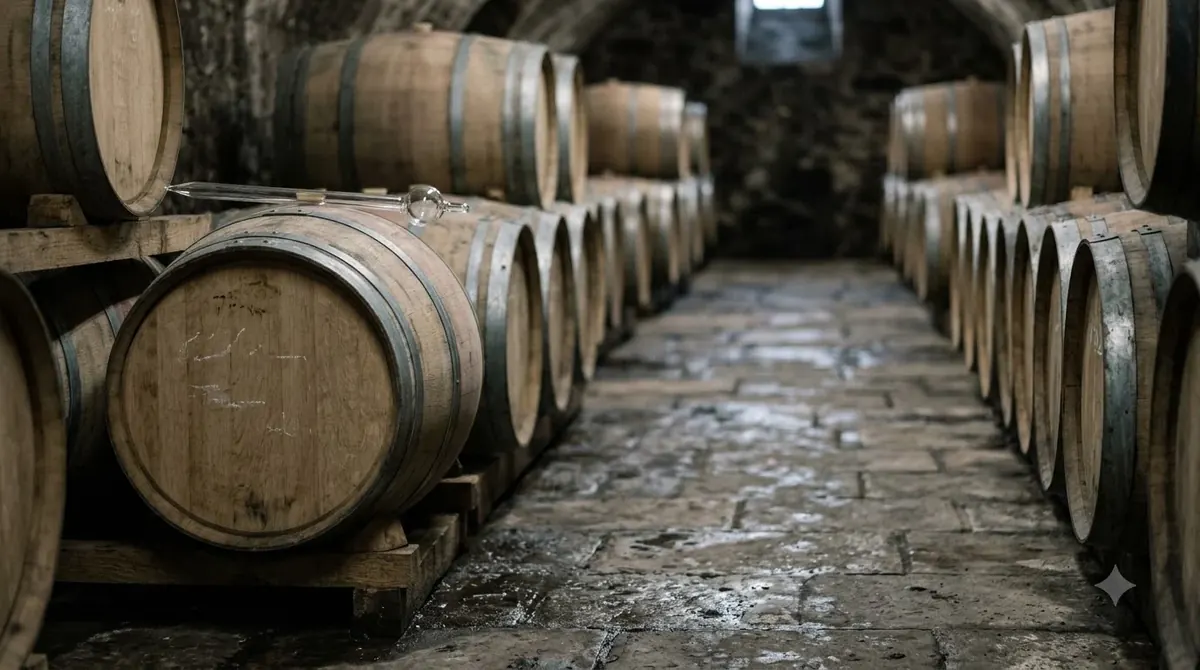
Acidity is most noticeable as a refreshing sensation along the sides of the tongue and a tendency for the mouth to produce saliva. In Cabernet Sauvignon, this sensation generally appears alongside dark fruit flavors such as blackberry, blackcurrant, and black cherry. It gives the fruit definition and prevents a full-bodied wine from tasting entirely soft or heavy.
The perception of acidity also depends on the wine’s other components. Alcohol can create warmth and a sense of sweetness, ripe fruit can make the wine seem rounder, and tannins create a drying sensation on the gums and tongue. These elements interact, so two Cabernet Sauvignon wines with similar laboratory acidity measurements may taste quite different.
For example, a Cabernet from a cooler vineyard may combine tart blackcurrant, fresh herbs, and firm tannins. A wine from a warmer site may emphasize ripe blackberry, plum, and softer fruit impressions. Both can be balanced Cabernet Sauvignon, even though the first may seem more refreshing and the second more generous.
Acidity should not be confused with sourness or a sign of poor quality. A balanced wine uses acidity to support its fruit and structure. If acidity is too prominent relative to the fruit, the wine can taste sharp or lean. If it is too subdued, concentrated fruit, alcohol, and tannins may make the wine seem heavy.
Understanding pH and Titratable Acidity
Wine acidity is measured in more than one way, and pH and titratable acidity describe different aspects of the wine. Both measurements matter to winemakers, but neither number alone tells you exactly how a Cabernet Sauvignon will taste.
pH measures the concentration of hydrogen ions in a solution. A lower pH indicates greater acidity on the pH scale, while a higher pH indicates less acidity. The scale is logarithmic, meaning that a wine at pH 3.5 has approximately twice the hydrogen ion concentration of a wine at pH 3.8.
Titratable acidity, usually abbreviated as TA, measures the combined amount of acids that can be neutralized during a laboratory titration. According to the New South Wales Department of Primary Industries, this measurement uses a strong base and a fixed endpoint of pH 8.2. Results are commonly expressed in grams per liter as tartaric acid equivalents.
These measurements are related, but they are not interchangeable. pH describes the strength of the acidic environment in the wine, while TA provides an indication of the amount of titratable acid present. A wine can therefore have a relatively high TA without having the lowest pH in a group of wines.
The distinction matters because acidity affects more than flavor. Lower pH can support microbial stability, help preserve red color, and influence the effectiveness of sulfur dioxide used in winemaking. TA is useful for understanding the wine’s acid balance and making production decisions.
| Measurement | What It Describes | How It Is Expressed | What It Helps Explain |
|---|---|---|---|
| pH | Hydrogen ion concentration | pH units | Acid strength and wine stability |
| Titratable acidity | Amount of titratable acids | g/L as tartaric acid equivalents | Overall acid quantity and palate balance |
| Alcohol | Alcohol concentration | Percent ABV | Warmth and perceived weight |
| Residual sugar | Sugar remaining after fermentation | g/L | Sweetness and balance against acidity |
For a useful reference, North Carolina State Extension provides a general recommended harvest range for red wine grapes of pH 3.2 to 3.4 and TA of 0.65 to 0.80 percent as tartaric acid. These are general viticultural guidelines, not guaranteed finished-wine specifications or universal targets for every Cabernet Sauvignon vineyard.
Finished wine measurements vary with grape maturity, growing conditions, fermentation, blending, and cellar adjustments. A laboratory analysis is needed to establish actual pH and TA. The tasting experience remains dependent on how those measurements interact with tannins, fruit concentration, alcohol, and other components.
How Growing Climate Changes Cabernet Sauvignon Acidity
Climate is one of the most important influences on Cabernet Sauvignon acidity. Cooler conditions often help preserve freshness and produce more pronounced acidity, while warmer conditions accelerate ripening and can reduce the grape’s natural acids.
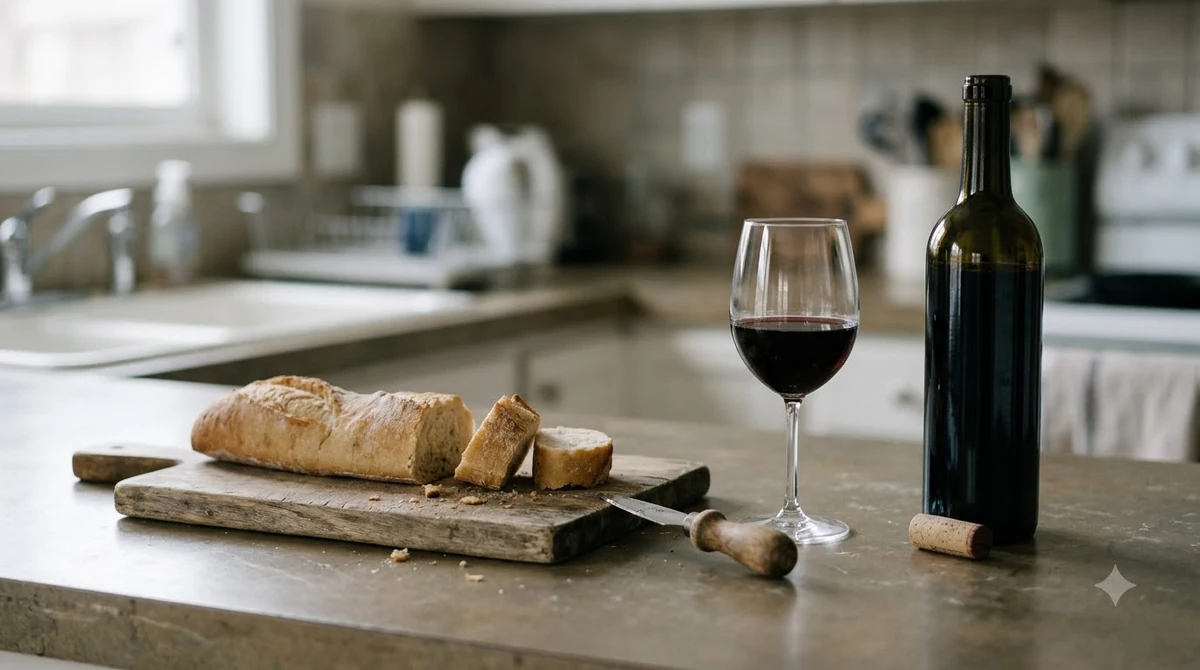
Cabernet Sauvignon is a late-ripening variety. It benefits from sufficient sunshine and a long growing season, but excessive heat can create an imbalance between sugar accumulation and acid retention. Grapes may reach high sugar levels while losing some of the freshness that gives the finished wine its structure.
During grape development, malic acid is gradually metabolized. This process becomes particularly significant in warm conditions, where higher temperatures can accelerate acid loss. Tartaric acid also changes in concentration as berries develop and increase in volume. The final balance of these acids helps determine the character of the resulting wine.
Cooler-climate Cabernet Sauvignon often has flavors of tart blackcurrant, blackberry, fresh herbs, and earthy notes. Its acidity can be more noticeable, and its alcohol level may be lower than that of a comparable wine from a hotter location. Firm tannins can reinforce the impression of structure.
Warmer-climate Cabernet Sauvignon generally emphasizes ripe blackberry, black cherry, plum, and cassis. It may have higher alcohol, fuller body, and rounder tannins. Its acidity can feel less prominent, although a well-made warm-climate wine can still retain enough freshness for balance.
Climate does not determine the final style on its own. Vineyard elevation, soil, water availability, canopy management, harvest timing, and vintage conditions all influence grape composition. Winemakers also make decisions about fermentation and blending that affect the finished wine.
Tip: Compare a Cabernet Sauvignon from Pauillac in Bordeaux with one from Napa Valley, California. Focus on the difference between fresh blackcurrant and herbal notes versus riper blackberry and plum. This is a useful way to explore regional style without assuming that every bottle from a particular region tastes identical.
Comparing Cabernet Sauvignon Acidity Across Wine Regions
Regional differences make Cabernet Sauvignon an especially interesting grape to explore. Bordeaux, Napa Valley, Margaret River, and Barossa Valley provide useful examples of how climate and winemaking choices influence freshness, fruit ripeness, and overall structure.
Bordeaux, France: Cabernet Sauvignon is particularly important on Bordeaux’s Left Bank, including areas such as Pauillac and the Médoc. It is frequently blended with Merlot and Cabernet Franc. Traditional examples often emphasize blackcurrant, graphite, cedar, and herbal freshness, with acidity helping balance firm tannins.
Napa Valley, California: Napa Cabernet Sauvignon often has concentrated dark fruit, a full body, and a ripe expression. Blackberry, black cherry, cassis, vanilla, and oak-derived spice are common flavor impressions. The region is diverse, however, and cooler vineyard sites can produce wines with more pronounced freshness than warmer locations.
Margaret River, Australia: This Western Australian region is a useful place to explore cooler-climate Cabernet Sauvignon. Wines can show blackcurrant, savory herbal notes, and a structured palate. Fresh acidity helps balance the fruit and tannin, making the regional style particularly interesting to compare with warmer Australian examples.
Barossa Valley, Australia: Barossa is associated with warmer growing conditions and Cabernet Sauvignon styles that can be richer and rounder. Ripe blackberry, dark plum, and fuller-bodied textures may be more prominent. Acidity remains important, but the overall impression can be softer and more generous than in cooler-climate examples.
These regional descriptions are broad tendencies, not fixed rules. A producer’s vineyard location and harvest decisions can matter as much as the country or region printed on the label. Comparing wines from different producers and vintages can reveal substantial differences within the same appellation.
Wine Enthusiast’s discussion of Cabernet Sauvignon’s regional styles highlights the distinction between cooler and warmer climates, including the contrasting examples of Margaret River and Barossa Valley. Its Cabernet Sauvignon regional tasting guide is a useful starting point for understanding those differences.
How Acidity Works With Tannins and Aging
Acidity and tannins perform different jobs in Cabernet Sauvignon, but together they create much of its recognizable structure. Acidity provides freshness, while tannins contribute grip and a drying sensation that can make young Cabernet Sauvignon feel firm.
Cabernet Sauvignon is naturally high in tannin. These compounds come from grape skins, seeds, and, depending on winemaking, oak barrels. They can create a sensation of dryness in the mouth, especially in young wines with concentrated fruit and limited bottle age.
Acidity helps balance this firm structure. A wine with enough freshness can feel more focused and less heavy, even when its tannins are substantial. Fruit concentration is equally important because a strongly tannic wine without sufficient fruit can seem harsh or unbalanced.
Acidity is also one of the characteristics that can support Cabernet Sauvignon’s development in the bottle. Wine Enthusiast identifies acidity, fruit concentration, and tannin as three important factors in the variety’s aging potential. When these elements are present in suitable proportions, the wine can evolve over time rather than simply losing its freshness and fruit.
As Cabernet Sauvignon ages, its primary fruit aromas can become less dominant. Blackberry and blackcurrant may give way to more developed impressions of leather, tobacco, dried fruit, and savory complexity. Tannins can become smoother, while the wine’s underlying acidity continues to provide structure.
Not every Cabernet Sauvignon is intended for extended aging. Wines made for early drinking may emphasize accessible fruit and softer tannins, while more concentrated examples can have the structure to develop for many years. Storage conditions, vintage quality, and the balance of the finished wine all influence the result.
Proper storage is important for preserving a bottle’s development. Keep unopened bottles away from direct sunlight and large temperature changes, ideally near 55°F, with cork-sealed bottles stored on their sides. For additional guidance, see how long does Cabernet Sauvignon last unopened.
Food Pairing With Cabernet Sauvignon Acidity
Cabernet Sauvignon pairs particularly well with rich, savory foods because its acidity and high tannins provide contrast to fat and protein. The most successful combinations balance the wine’s dark fruit and structure rather than allowing either the food or wine to overwhelm the other.
Steak and grilled beef: Ribeye, strip steak, and grilled sirloin are classic choices. The fat in beef softens the drying sensation of Cabernet Sauvignon’s tannins, while the wine’s acidity helps keep each bite from feeling too rich. Grilled or roasted preparation also complements the wine’s concentrated dark fruit and savory character.
Lamb: Roasted lamb, grilled lamb chops, and herb-crusted lamb work well with structured Cabernet Sauvignon. Rosemary, thyme, and garlic complement the wine’s herbal and savory notes. The richness of the meat also helps balance the firm tannins.
Mushrooms: Grilled portobello mushrooms, mushroom risotto, and roasted mushrooms offer earthy flavors that complement Cabernet Sauvignon. Their savory character works particularly well with wines showing cedar, graphite, or herbal notes.
Aged cheese: Aged cheddar and other firm, savory cheeses can provide an excellent contrast to the wine’s tannins. Salt and fat soften tannin perception, while concentrated cheese flavors stand up to Cabernet Sauvignon’s full body.
Dark chocolate: Chocolate pairings require more care because sweetness can make a dry red wine seem harsher and more bitter. A dark chocolate dessert with relatively little sugar is generally a better match than a very sweet milk chocolate confection. The wine should not taste less sweet than the dessert. For more ideas, see Cabernet Sauvignon with chocolate.
Acidity also matters when choosing sauces and side dishes. A highly acidic tomato sauce can make a lower-acidity wine seem flat, so a Cabernet Sauvignon with sufficient freshness is preferable. Rich sauces based on butter, roasted meat drippings, or mushrooms are often easier matches.
Be careful with spicy food. Chili heat can become more pronounced alongside alcohol and tannins, making a powerful Cabernet Sauvignon a difficult choice for very hot dishes. Oily fish can also clash with tannic red wine, so a lighter, fresher wine is usually a better option for dishes such as grilled salmon or tuna.
For a simple dinner, serve Cabernet Sauvignon with a medium-rare grilled steak, roasted mushrooms, and a side of potatoes. This combination brings together fat, savory flavors, and enough richness to complement the wine without masking its acidity.
Serving Temperature, Decanting, and Storage
Serving Cabernet Sauvignon at the right temperature helps its acidity, tannins, and fruit remain balanced. A full-bodied Cabernet is generally best served between 60°F and 65°F rather than at a warm room temperature.
When wine is served too warm, alcohol can become more noticeable and the wine may seem heavier. Excessive chilling can suppress its aromas and make tannins seem more prominent. A modest chill helps maintain freshness while allowing blackcurrant, blackberry, cedar, and other aromas to develop in the glass.
If the bottle has been stored at a typical indoor temperature, placing it in the refrigerator for approximately 20 minutes before serving can help bring it closer to the desired range. Temperature is especially useful when comparing wines from different climates because a consistent serving condition makes differences in acidity easier to recognize.
Decanting can also improve the presentation of some Cabernet Sauvignon wines. Young, concentrated examples with firm tannins often benefit from approximately 30 to 60 minutes of aeration. Contact with oxygen can help the wine’s aromas become more expressive and make its structure seem more integrated.
Older bottles require more care. Extended aeration may not benefit a wine that has already developed delicate aromas and softened tannins. Sediment can also collect in older red wines, so careful pouring is preferable when separating wine from deposits.
Once opened, store remaining Cabernet Sauvignon in the refrigerator with the bottle properly sealed. Most still wines remain suitable for drinking for approximately three to five days, although fruit intensity and aromatic freshness can gradually decline.
Pouring a standard 5-ounce serving from a 750-milliliter bottle provides approximately five glasses. A large-bowled red wine glass is useful because it gives the wine room to release aromas while concentrating them toward the nose.
For a more detailed preparation guide, see how long to decant Cabernet Sauvignon. The appropriate time depends on the wine’s age, concentration, tannin, and overall condition.
Readers interested in comparing other grape varieties can also explore Wine by Type to understand how Cabernet Sauvignon differs from lighter reds and higher-acidity white wines.
Frequently Asked Questions
Is Cabernet Sauvignon more acidic than Merlot?
Cabernet Sauvignon and Merlot can have overlapping acidity levels, and growing conditions make a meaningful difference. Merlot is generally softer in tannin, while Cabernet Sauvignon usually has firmer tannins and a more structured palate. Their perceived freshness therefore depends on more than acidity alone.
Does Cabernet Sauvignon contain citric acid?
Wine can contain small amounts of citric acid, which may form during fermentation. Tartaric and malic acids are the principal acids naturally present in grapes. Citric acid is generally a smaller component of the overall acid profile in finished red wine.
Does oak aging remove Cabernet Sauvignon acidity?
Oak aging does not simply eliminate a wine’s acidity. Barrel maturation can influence aroma, texture, and the integration of wine components, while other processes may alter the acid profile. Vanilla, toast, cedar, and spice notes from oak can also change how the wine’s freshness is perceived.
Can Cabernet Sauvignon have a pH above 4.0?
Yes, individual red wines can have pH measurements above 4.0, although this is higher than the general harvest range commonly recommended for red wine grapes. Higher pH can create additional challenges for microbial stability and color preservation. The final assessment depends on the complete wine composition and production conditions.
Does Cabernet Sauvignon acidity change after opening the bottle?
The main organic acids do not disappear immediately after opening. However, oxygen exposure can gradually change aromas and fruit expression, affecting the perceived balance of the wine. Refrigeration and a secure closure help slow these changes during the usual three-to-five-day drinking window for opened still wine.
Cabernet Sauvignon’s medium acidity is an essential part of its identity, balancing concentrated dark fruit, high tannins, and full-bodied texture. Climate, vineyard location, and winemaking choices determine how noticeable that freshness becomes in each bottle. Understanding these differences makes it easier to select Cabernet Sauvignon, recognize regional styles, and pair the wine confidently with food.
More in Wine Types & Grapes
 What Does Mourvèdre Taste Like? Flavor Profile, Regions, and PairingsUpdated Nov 20, 2026
 What Does Marsanne Taste Like? Flavors, Styles, and Food PairingsUpdated Nov 20, 2026
 What Does Malvasia Taste Like? Styles, Flavors, and Food PairingsUpdated Nov 20, 2026
 What Does Grenache Blanc Taste Like? Flavor Profile, Styles, and PairingsUpdated Nov 20, 2026
 What Does Garnacha Taste Like? Key Flavors, Styles, and Pairing TipsUpdated Nov 20, 2026
 What Does Fruit Wine Taste Like? A Complete Flavor and Style BreakdownUpdated Nov 20, 2026