


We may earn a commission when you buy through links on this page, at no extra cost to you. Learn more.
Auslese food pairing works best with aged cheeses, spicy Asian dishes, fruit-based desserts, foie gras, and richly seasoned foods that balance the wine’s sweetness and acidity. German Auslese Riesling combines concentrated fruit flavors with refreshing acidity, making it more versatile than a conventional dessert wine. The best match depends on the bottle’s sweetness, age, and flavor intensity, but salty cheese, aromatic fruit, and moderately spicy cuisine are excellent starting points.
Auslese occupies an appealing position in Germany’s wine classification system. Its name refers to selected harvest grapes, and the resulting wines can range from gently sweet and fruity to intensely concentrated dessert wines. Although many people reserve these bottles for the end of a meal, their acidity, aromatic complexity, and natural sweetness make them interesting companions for appetizers, main courses, and cheese boards. Understanding how sweetness interacts with salt, spice, acidity, and texture makes choosing the right dish considerably easier.
Understanding Auslese Before Choosing Food
Auslese is made from carefully selected ripe grape bunches, most commonly Riesling in the classic German examples. Its combination of concentrated fruit, residual sugar, and refreshing acidity explains why it can accompany both savory dishes and desserts.
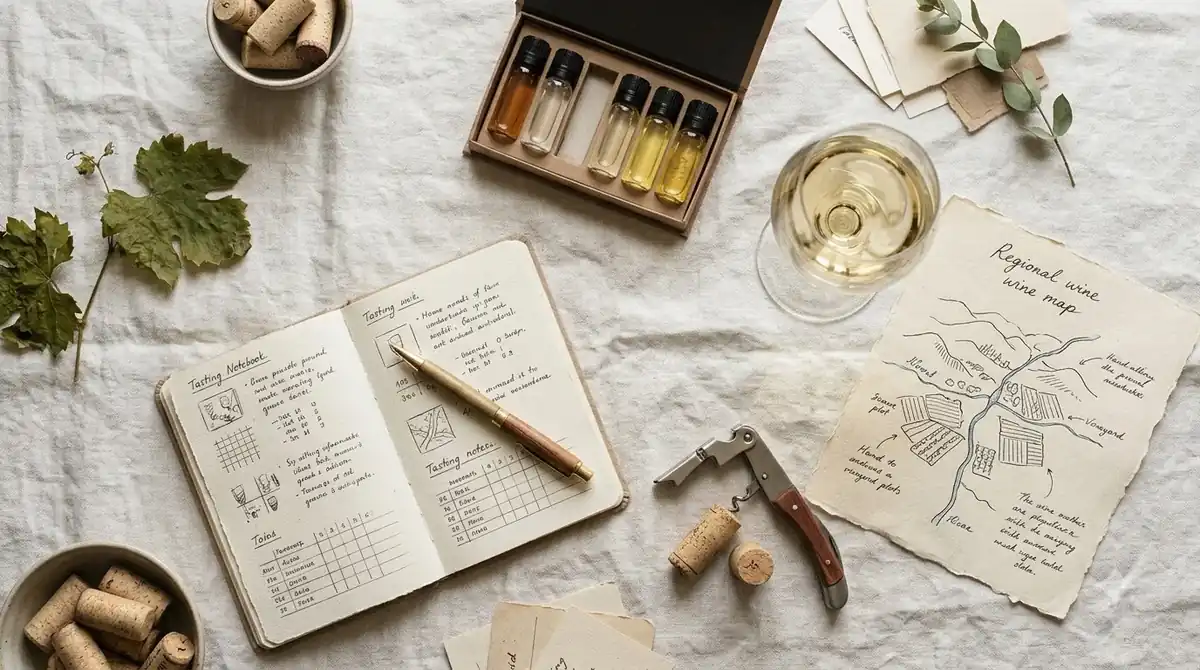
The term Auslese translates as selected harvest. In Germany’s Prädikat classification, it indicates a particular level of grape ripeness at harvest rather than a single guaranteed sweetness level in the finished wine. Winemakers can produce different expressions, although many familiar Auslese Rieslings have noticeable natural sweetness. The grapes are selected for their advanced ripeness, and harvesting may extend considerably later than the usual picking period.
Riesling is particularly well suited to this style because its naturally high acidity can balance substantial residual sugar. Instead of tasting simply sugary, a well-balanced Auslese can combine fresh citrus, ripe peach, apricot, honey, and mineral notes. Some wines also develop floral aromas, candied fruit, and more complex characteristics as they mature.
Regional differences influence the wine’s weight and aromatic profile. Mosel Auslese often has a lighter body, pronounced acidity, and delicate stone-fruit characteristics. Rheingau examples can offer a broader, more concentrated impression, while wines from Pfalz may show particularly ripe fruit. These are general tendencies rather than fixed rules.
Technical information helps explain why different bottles need different dishes. For example, Schmitt Söhne lists 33–41 grams per liter of residual sugar, 6.0–7.5 grams per liter of acidity, and 9–10% alcohol for its Auslese Riesling. These figures describe that particular wine rather than every bottle carrying the Auslese designation.
The Mosel’s steep south-facing slopes and slate soils are important parts of its Riesling identity. The regional winegrowers’ association, Der Ring Mosel’s explanation of Riesling, describes the grape’s ability to produce everything from dry wines to noble-sweet Auslese, with aromas ranging from citrus and stone fruit to flowers and honey.
For a broader explanation of wine classifications and grape styles, explore Wine by Type. Knowing whether a bottle is relatively delicate or intensely sweet is the first step toward choosing a successful meal.
The Best Cheeses for Auslese Riesling
Aged, salty, and aromatic cheeses are among the most dependable partners for Auslese. Their savory intensity contrasts with the wine’s honeyed fruit, while salt and creamy textures help make the combination feel balanced.
Start with mature Comté or Gruyère. These hard cheeses develop concentrated savory flavors as they age, sometimes including nutty, toasted, and crystalline mineral characteristics. Their saltiness creates a pleasing contrast with the sweetness of a Mosel Auslese. A mature cheese also has enough flavor intensity to stand alongside the wine without disappearing.
Goat cheese offers another useful direction. A fresh goat cheese has tangy acidity and a clean, creamy texture that can complement the citrus and floral aromas of a lighter Auslese. A more mature goat cheese provides greater intensity and a firmer texture. Both can work, although the wine should have enough concentration to match the cheese’s flavor.
Blue cheese is especially useful with sweeter, richer bottlings. Roquefort, Gorgonzola Dolce, and other strongly flavored blue cheeses provide salt, creaminess, and pungent aromas. The sweetness of Auslese softens the cheese’s sharp edges, while its acidity prevents the pairing from feeling excessively heavy.
Choose the cheese according to the wine’s concentration. A delicate Mosel bottle may be overwhelmed by an extremely pungent blue cheese, whereas a richer, more concentrated Auslese can handle it comfortably. A board containing several cheeses allows guests to compare different combinations rather than relying on one pairing.
Useful accompaniments include sliced green apples, toasted walnuts, plain crackers, and a little honey. Keep sweet additions restrained because the cheese already provides the salty contrast that makes the wine appealing. If serving several varieties, taste the milder cheeses first and finish with the strongest blue cheese.
For an alternative red-wine cheese pairing, Blaufränkisch food pairing offers a different approach based on acidity, fruit, and moderate tannin rather than the sweetness of Auslese.
Spicy Asian and Indian Dishes
Sweet Auslese Riesling can be an excellent partner for aromatic curries, Thai food, and moderately hot Asian dishes. Its residual sugar helps balance chili heat, while its acidity refreshes the palate between bites.
Red Thai curry is a particularly practical choice. Coconut milk contributes richness, red curry paste adds chili heat, and ingredients such as lemongrass, lime leaves, and galangal provide aromatic complexity. The wine’s peach, apricot, and citrus flavors complement these ingredients without requiring an excessively rich sauce. A lighter Mosel Auslese is especially attractive with a moderately spicy version of the dish.
Indian cuisine offers several possibilities. A creamy chicken korma, aromatic vegetable curry, or mildly spicy butter chicken can work with a fruit-forward Auslese. The combination of warm spices, creamy sauce, and gentle sweetness creates a satisfying contrast. For a more intense preparation, a concentrated bottle with substantial acidity is preferable.
Chinese dishes can also be successful. Sweet-and-spicy preparations, Sichuan-inspired chicken, and dishes with ginger, garlic, and chili provide several aromatic connections. However, extremely hot preparations can overwhelm a delicate wine. Start with moderate chili levels rather than choosing the hottest version of a dish.
Alcohol and tannin can amplify the sensation of chili heat, so Auslese’s relatively modest alcohol level in many examples is useful. Its sweetness also helps soften the impression of spice. This does not mean that every intensely hot dish will work: a dish with overwhelming chili, excessive sweetness, or heavy bitterness can still obscure the wine.
Pay attention to the sauce rather than just the main ingredient. A chicken dish with coconut milk and ginger may be a better match than a heavily grilled chicken preparation covered in smoky, bitter seasoning. Similarly, a vegetable curry with aromatic spices can be more successful than a very hot chili-based dish.
Seafood provides another interesting option. Crab risotto is specifically suggested by Schmitt Söhne as a pairing for its Auslese Riesling. The sweetness of crab, creamy rice, and aromatic seasoning can complement the wine’s ripe fruit and acidity. Keep the seasoning balanced and avoid excessively bitter greens or overpowering sauces.
For further ideas about matching German Riesling with food, Decanter’s Auslese pairing advice from sommelier Melanie Wagner highlights aged cheeses, fruit desserts, and intensely spiced Asian cuisine, particularly with mature bottles that have developed herbal and petrol aromas.
Fruit Desserts, Pastries, and Sweet Courses
Fruit-based desserts are natural partners for Auslese because they echo the wine’s apricot, peach, citrus, and apple flavors. The essential rule is that the dessert should be no sweeter than the wine itself.
Apple tart is one of the most reliable options. Thinly sliced apples, lightly sweetened pastry, and a crisp crust create a combination that works with both the fruit character and acidity of Riesling. Green apple versions are particularly appealing with lighter Auslese because their tartness reinforces the wine’s freshness.
Apricot tart and peach crumble offer richer alternatives. Their ripe fruit flavors complement the wine’s stone-fruit aromas, while buttery pastry and a restrained amount of sugar add texture. Avoid excessive caramel or very sweet frosting, particularly when serving a lighter Mosel bottling.
Citrus desserts can provide an excellent contrast. Lemon tart, orange segments, and grapefruit-based desserts offer freshness that helps balance the wine’s richness. A strawberry tart is another option, especially when the berries retain their natural acidity rather than being covered in heavy syrup.
Other possibilities include poached pears, baked apples, marinated pineapple, and coconut-based desserts. These combinations reflect the aromatic fruit and floral elements that can appear in Auslese Riesling. Coconut panna cotta with fresh pineapple, for example, offers creaminess, tropical fruit, and gentle sweetness without requiring an elaborate preparation.
Chocolate is more difficult. Dark chocolate’s bitterness and intense roasted flavors can compete with the delicate fruit and acidity of many Auslese wines. If chocolate is included, a small garnish is generally easier to accommodate than a dense chocolate cake or intensely bitter dessert.
The following guide provides a practical starting point for matching different wine expressions with dessert styles.
| Auslese style | Suggested dessert | Useful flavor connection |
|---|---|---|
| Light, fruity Mosel | Green apple tart | Fresh fruit and acidity |
| Medium-sweet Riesling | Strawberry tart | Berry fruit and freshness |
| Concentrated Auslese | Apricot crumble | Ripe stone fruit |
| Rich, honeyed Auslese | Poached pears | Honey and soft fruit |
| Intensely sweet Auslese | Coconut and pineapple dessert | Tropical fruit and richness |
| High-acidity Auslese | Lemon tart | Citrus and refreshing acidity |
These are suggested combinations rather than strict rules. A particularly sweet dessert can make the wine seem less expressive, while a dessert that is slightly less sweet allows the fruit and acidity to remain noticeable.
Tip: Taste the Auslese before serving dessert. If the wine tastes intensely sweet, choose tart green apples, citrus, or lightly sweetened fruit pastries. If it is relatively delicate, use a dessert with softer fruit flavors and less sugar.
Rich Savory Foods, Foie Gras, and Meat Dishes
Auslese can accompany rich savory foods when the dish has enough flavor intensity to match the wine. Foie gras, creamy seafood preparations, aromatic poultry, and carefully seasoned roasted dishes are useful options.
Foie gras is a classic partner for concentrated sweet Riesling. Its rich, buttery texture and savory character contrast with the wine’s sweetness, while acidity refreshes the palate. A small serving with toasted bread or lightly acidic fruit creates a balanced appetizer.
Crab risotto provides a less traditional but equally interesting direction. Sweet crab meat complements the ripe fruit character of Riesling, while the creamy rice gives the dish enough weight to stand beside the wine. Lemon zest, fresh herbs, and moderate seasoning can bring the different elements together.
Roasted poultry can work particularly well with mature Auslese. A lightly roasted duck breast with fruit-based sauce, for example, connects the wine’s developing honeyed and dried-fruit aromas with the richness of the meat. Chicken with apricot or peach seasoning is another possibility, provided the sauce does not become sweeter than the wine.
Older Auslese can be more interesting with savory preparations than younger examples. With bottle age, Riesling may develop petrol, dried fruit, honey, and herbal characteristics. These more complex aromas provide additional connections to roasted poultry, aromatic sauces, and some richly seasoned dishes.
However, avoid treating every Auslese as a general-purpose red-meat wine. A young, light-bodied, intensely fruity bottle may struggle with heavily charred steak, strongly smoked meat, or dishes dominated by bitter spices. A rich, mature bottle has a better chance of matching those more complex flavors, although preparation remains important.
Fat and salt can help create balance, but the dish should still retain enough acidity or aromatic freshness. A sauce containing citrus, fruit, or fresh herbs is often more successful than a very sweet glaze. Keep the seasoning moderate so the wine’s fruit and acidity remain recognizable.
For red-meat dishes with firmer structure, Carignan food pairing provides another useful direction. Carignan’s red fruit, acidity, and tannin suit different preparations than sweet German Riesling.
Serving Temperature, Glassware, and Food Preparation
Serve Auslese chilled, generally around 43–50°F, to preserve its freshness and prevent the sweetness from becoming heavy. The correct glass and a thoughtful serving order also help reveal its aromatic complexity.
A temperature around 45–48°F is a useful starting point for many sweet Auslese Rieslings. Lighter Mosel examples can be served toward the cooler end of this range, while more concentrated wines may benefit from slightly warmer service. Excessive cold can mute delicate apricot, floral, and honey aromas, so allow the wine to warm gradually in the glass if its character initially seems restrained.
A standard white wine glass is suitable. A slightly wider bowl gives the wine room to release its aromas, while a narrower opening helps direct those aromas toward the nose. There is no need for specialized dessert-wine equipment, although smaller glasses can be useful when serving several wines during one meal.
Pouring approximately 3–5 ounces gives guests enough wine to appreciate the flavors without making the sweet style feel excessive. A 750-milliliter bottle provides approximately five standard 5-ounce glasses, although smaller pours are often appropriate for a dessert course.
Consider the order of service carefully. If Auslese accompanies a cheese course, serve it after lighter wines and before particularly intense spirits or strongly flavored desserts. With a multi-course dinner, it can also appear as an aperitif or alongside a spicy main course.
Food preparation matters just as much as serving temperature. Use moderate seasoning, avoid excessive sugar, and include fresh acidity where possible. Lemon zest, green apple, fresh ginger, and aromatic herbs can connect the dish with the wine without making the pairing overly complicated.
When planning a menu, consider the intensity of every component. A delicate wine can disappear beside a heavily seasoned sauce, while a concentrated Auslese may overwhelm a simple preparation of lightly cooked fish. The aim is to create a balance in which neither the wine nor the food dominates every bite.
For another aromatic white-wine option, Grenache Blanc food pairing offers ideas for dishes featuring seafood, herbs, creamy textures, and fresh ingredients.
Choosing the Right Auslese for Different Occasions
The best bottle depends on the meal, the number of courses, and the intensity of the food. A lighter Mosel Auslese is versatile at the table, while a richer, more concentrated example is often better suited to cheese, foie gras, or dessert.
For a casual dinner, choose an approachable Riesling with moderate sweetness and bright acidity. Red Thai curry, lightly spiced chicken, and crab risotto are useful options. These dishes offer enough seasoning and richness to make the wine interesting without requiring a particularly powerful bottle.
For a cheese gathering, look for a wine with concentrated fruit and sufficient acidity. A selection of mature Gruyère, Comté, goat cheese, and blue cheese allows several combinations. Add green apples, walnuts, and plain crackers to provide additional textures without introducing too much sweetness.
For a formal dinner, a concentrated Rheingau or Mosel Auslese can accompany foie gras or a carefully prepared fruit dessert. A mature bottle may also provide a fascinating alternative to conventional dessert wines, especially when the meal features aromatic spices or savory richness.
Age is another consideration. Younger Auslese commonly emphasizes fresh fruit, citrus, peach, and apricot. Mature examples can show more honey, dried fruit, petrol, and herbal complexity. These changes affect the best food match, so a young and an older bottle from the same general style may work better with different dishes.
When comparing bottles, consider four practical details:
- Residual sugar: Higher sweetness generally calls for richer cheese, more concentrated desserts, or strongly seasoned savory food.
- Acidity: High acidity makes the wine more refreshing alongside creamy and fatty dishes.
- Alcohol: Lower alcohol can be useful with spicy preparations because alcohol may intensify the sensation of chili heat.
- Age: Mature bottles often have more developed aromas that can complement roasted poultry, complex sauces, and aged cheese.
It is also useful to consider the wine’s role in the meal. A sweet Auslese does not have to be reserved for dessert. It can be served as an aperitif, poured alongside a cheese course, or enjoyed as a small standalone glass after dinner. The most successful choice is the one whose sweetness and concentration suit the food and occasion.
Frequently Asked Questions
Is Auslese always made from Riesling grapes?
No. Although Riesling is one of the best-known grapes used for German Auslese, the Prädikat designation can apply to other permitted grape varieties. Depending on the variety and region, the resulting wines can have quite different aromatic profiles and textures.
What does the word Auslese mean in German wine terminology?
Auslese means selected harvest. The designation refers to the selection of ripe grape bunches during harvesting. It belongs to the German Prädikat classification system, which also includes Kabinett, Spätlese, Beerenauslese, and Trockenbeerenauslese.
Can Auslese be made from grapes affected by noble rot?
Yes. Botrytis cinerea, commonly called noble rot under suitable conditions, can concentrate grape sugars and contribute distinctive aromas. Some Auslese wines include botrytized grapes, although noble rot is not required for every bottle carrying the designation.
Can an opened bottle of Auslese be kept for several days?
Yes. Recork an opened bottle and refrigerate it promptly. Many sweet still wines remain enjoyable for approximately 3–5 days after opening, although aromatic freshness and flavor intensity can gradually decline.
Can Auslese Riesling develop additional complexity in the cellar?
Yes. Quality examples can develop over many years, with honey, dried fruit, and petrol characteristics becoming more prominent. The steep-slope Riesling vineyards of the Moselle, Saar, and Ruwer are associated with wines that can be suitable for extended cellaring.
Auslese offers much more than a conventional after-dinner pour. Its combination of ripe fruit, natural sweetness, and refreshing acidity makes it a distinctive companion for aged cheese, aromatic curries, rich savory dishes, and carefully chosen desserts. Start with the sweetness of the bottle, match the intensity of the food, and serve the wine properly chilled to enjoy its full range of flavors.
More in Wine Types & Grapes
 What Is Alicante Bouschet: The Rare Red-Fleshed Grape Behind Bold RedsUpdated Nov 21, 2026
 What Glass for Sparkling Wine Brings Out the Best Bubbles and AromaUpdated Nov 21, 2026
 What Glass for Sangria Works Best for Easy, Chilled ServingUpdated Nov 21, 2026
 What Does Vin Santo Taste Like? Flavor Profile, Styles, and Pairing GuideUpdated Nov 21, 2026
 What Glass for Sake Works Best to Unlock Every AromaUpdated Nov 21, 2026
 What Glass for Mulled Wine Keeps It Warm and Safe to HoldUpdated Nov 21, 2026