


We may earn a commission when you buy through links on this page, at no extra cost to you. Learn more.
Bedell wine comes from Bedell Cellars, a pioneering North Fork of Long Island winery known for expressive Merlot, Cabernet Franc, aromatic whites, and a naturally crisp, saline style. Its vineyards sit in Cutchogue, where sandy, well-drained soils and maritime breezes shape the fruit. The winery combines estate-grown grapes with small-batch fermentation and careful blending, making its portfolio a useful introduction to New York’s East End. The best bottle for you depends on whether you prefer structured reds, lively whites, or a dry coastal rosé.
Bedell is more than a familiar name on the North Fork wine trail. Its story connects the region’s early development, a distinctive island climate, and a modern approach to cellar work. This guide explains what gives Bedell its identity, which styles to look for, how to serve them, and what to know before visiting the winery.
Bedell Cellars and the North Fork Legacy
Bedell Cellars is one of the North Fork’s established wineries, with a history that reaches back to the beginning of Long Island’s modern wine industry. Its long record matters because the estate has helped define how Merlot, Cabernet Franc, and other classic European varieties can perform in this maritime corner of New York.
Kip and Susan Bedell planted the winery’s first grapevines in Cutchogue in 1980. The business changed hands around the turn of the century, when it passed to the Lynne family, and it continued to build a reputation for wines that expressed the local growing conditions rather than copying a warmer-climate style. The estate’s history is closely tied to the North Fork’s formal identity: longtime winemaker Richard Olsen-Harbich drafted the North Fork of Long Island American Viticultural Area proposal, which received approval in 1986. That appellation gives the area a recognized geographic identity.
Bedell’s influence reached beyond the tasting room. Its 2009 Merlot was served at President Barack Obama’s 2013 Inaugural Luncheon, an important national moment for New York wine. Olsen-Harbich guided the winery’s winemaking for more than four decades before Marin Brennan took over in 2024. Brennan had worked through the cellar and harvest seasons, developed the small-batch Corey Creek wines, and brought her own interest in experimentation to the role. For a wider introduction to the producers and labels that make up the category, see our overview of Wine Brands.
The result is a winery with continuity and a changing point of view: its identity remains rooted in Cutchogue and classic grapes, while the next generation can explore new techniques. Readers familiar with Bordeaux-inspired producers may recognize the emphasis on Merlot and Cabernet Franc; our overview of baron philippe de rothschild wine offers a wider point of comparison.
North Fork Terroir: Maritime Climate, Soil and Growing Season
Bedell’s house style begins with a cool-to-moderate maritime setting rather than a single cellar technique. The North Fork’s glacial soils, long season, and surrounding water help grapes ripen while retaining freshness, giving the wines a balance of fruit, acidity, and coastal character.
Bedell farms 75 acres across three vineyard sites, with sustainably grown grapes and soils described by the winery as gently rolling glacial plains of loam and sandy gravel. Those soils drain readily, an advantage in a growing area where rain can arrive during the season. The winery identifies three major bodies of water as climate influences: Peconic Bay, Long Island Sound, and the Atlantic Ocean. Together, they moderate temperature and help distinguish the East End from inland New York growing areas. The broader regional explanation from Long Island Sustainable Winegrowing’s climate overview describes how surrounding water moderates summer heat and extends the fall ripening window into October and November.
The regional growing season can accumulate roughly 2,800 to 3,500 growing degree days, using the UC Davis system with a 50-degree Fahrenheit base, depending on how exposed a site is to cooling ocean and Sound breezes. The same regional organization notes that many summers include a dry stretch lasting three to four weeks. Those figures help explain why Merlot, Chardonnay, Cabernet Franc, Sauvignon Blanc, and other vinifera grapes can ripen on the East End. They do not mean every year produces the same wine: vintage conditions affect harvest timing, fruit concentration, and the balance between ripe flavors and acidity.
Bedell’s location in Cutchogue is especially relevant. The regional organization identifies the hamlet as one of New York State’s sunniest locations, while the estate describes the water around its vineyards as a major temperature-moderating influence. The combination of sun, air movement, and well-drained ground supports a range of varieties rather than one narrow specialty. For drinkers, the practical expectation is freshness and moderate weight, with the precise texture and flavor changing by grape, vineyard parcel, and vintage.
How Bedell Makes Wine: Wild Fermentation and Small Batches
Bedell’s winemaking emphasizes small lots, naturally occurring yeast, and careful handling. The aim is to let individual vineyard parcels contribute their own character before the winemaking team blends them into a finished wine.
The winery says it ferments with naturally occurring wild yeasts and begins each vintage with a culture made from juice and locally foraged materials, including fruits, flowers, and beach stones. This approach differs from a standard inoculated fermentation using a selected commercial yeast strain. Natural fermentation can produce distinctive aromas and textures, but it requires close observation because yeast activity and fermentation speed can vary from tank to tank. The style is not simply “wild” for effect; the winery presents it as a way to connect the cellar with the surrounding landscape.
Bedell reports fermenting more than 50 small batches in each vintage. Keeping lots separate gives the winemaking team room to compare parcels and grape varieties before deciding how to assemble the final wines. The winery also highlights a gentle, gravity-oriented process and careful work during harvesting, handling, and sorting. Small-batch production is useful when a producer wants to preserve differences between blocks, but it makes blending decisions especially important: the finished wine needs harmony as well as a sense of place.
In the glass, Bedell describes its North Fork style as moderate in alcohol, naturally crisp, and marked by saline minerality. That description is a helpful starting point, not a guarantee that every bottling tastes identical. A Merlot will show a different balance of fruit and tannin from a Sauvignon Blanc, and a richer Chardonnay will feel broader than a bright aromatic white. The common thread is a preference for freshness and measured oak influence rather than heavy extraction or overt sweetness.
Bedell Wine Styles: Reds, Whites and Rosé
The portfolio gives drinkers several ways to explore the North Fork, from classic Bordeaux varieties to aromatic whites and dry rosé. Merlot and Cabernet Franc are natural starting points, while Chardonnay, Sauvignon Blanc, Pinot Gris, and other white grapes show the range of the estate’s maritime vineyards.
Merlot is central to Bedell’s history and remains a useful choice for someone who wants a medium-bodied red with supple fruit and moderate tannin. Cabernet Franc tends to show a more aromatic profile, often suggesting red berries, herbs, and a lively line of acidity. Cabernet Sauvignon, Malbec, Petit Verdot, and Syrah can bring firmer structure or deeper fruit, either as individual wines or as components in blends. These are not interchangeable styles: Merlot is often softer in texture, while Cabernet Sauvignon and Syrah generally bring more tannin and grip.
The white-wine range offers a different view of the estate. Sauvignon Blanc is a good direction for citrus, herbs, and crisp acidity; Chardonnay usually gives a rounder texture and can support a broader food pairing. Pinot Gris, Albariño, Viognier, Verdejo, and Melon de Bourgogne add further aromatic and textural options across the producer’s range. Pinot Gris is closely related to the style many American shoppers know as Pinot Grigio, although ripeness and winemaking can shift the wine’s weight. For a separate look at strength and labeling in a familiar commercial expression, see our guide to Black Box Pinot Grigio alcohol content.
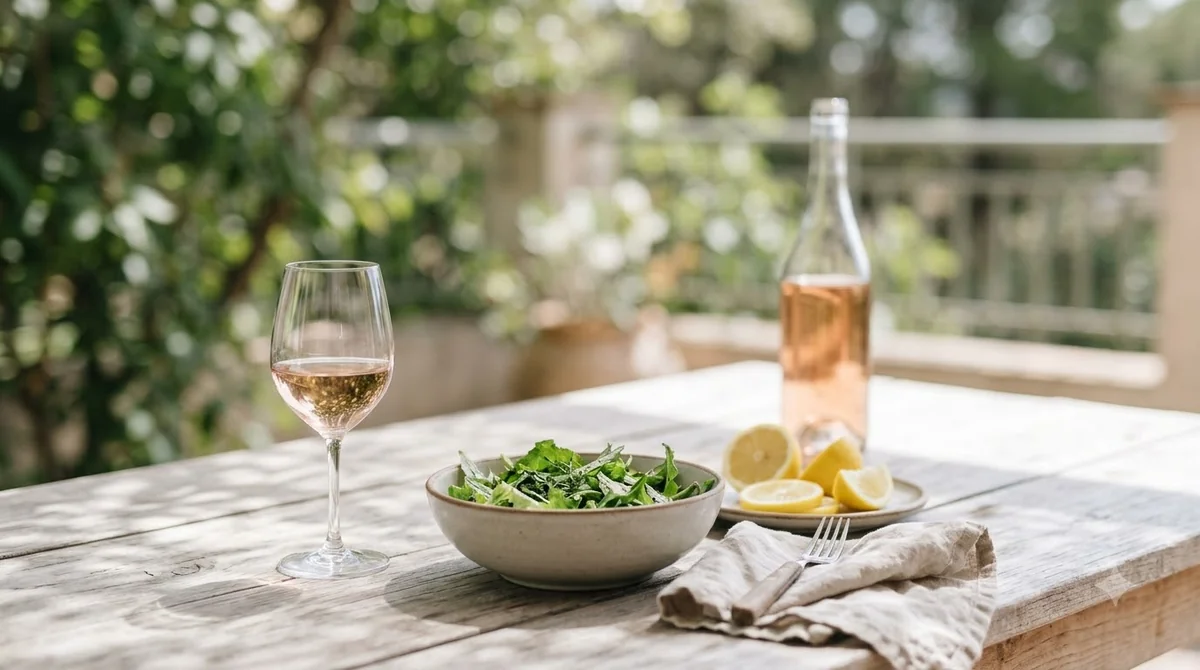
Bedell also makes rosé, a practical choice for warm-weather meals and mixed menus. A dry rosé can sit between a bright white and a light red: it has enough body for grilled vegetables, salmon, and charcuterie but usually keeps the refreshing acidity that makes it easy to serve before dinner. Small-batch bottlings are worth exploring when available because they provide a clearer look at individual grape varieties or experimental cellar choices. The exact selection can shift with vintage and release, so think in terms of the style you enjoy rather than assuming every wine appears every year.
Food Pairings and Serving Temperatures
Bedell’s fresh, moderate-weight style makes food pairing straightforward when the dish and wine have compatible intensity. Match a wine’s acidity to the food’s acidity, let salt and fat soften red-wine tannin, and avoid pairing a tannic red with delicate oily fish.
For reds, use the grape as a guide. Merlot’s softer tannins suit roast pork, grilled mushrooms, burgers, and braised dishes. Cabernet Franc can work with roast chicken, duck, lamb, tomato-based dishes, and grilled vegetables because its acidity and herbal notes can meet savory flavors. Cabernet Sauvignon or Syrah generally benefits from richer food, such as steak, lamb, or a slow-cooked beef dish. Salt and fat can make tannins feel less severe, while a very lean dish may make a structured red seem harder and more drying.
For whites and rosé, prioritize acidity and texture. Sauvignon Blanc works well with oysters, goat cheese, lemon-dressed seafood, and herb-forward salads. Chardonnay can pair with roast chicken, scallops, mushrooms, and dishes with cream or browned butter. Dry rosé is flexible with grilled shrimp, salmon, picnic dishes, and tomato salads. Very spicy food can make alcohol and tannin feel more pronounced, so an aromatic white or rosé is often a safer choice than a firm red when chili heat is prominent.
| Style | Typical serving temperature | Food pairing ideas |
|---|---|---|
| Merlot | 55–60°F for a lighter red | Roast pork, mushrooms, burgers |
| Cabernet Franc | 55–60°F | Duck, lamb, grilled vegetables |
| Fuller red blend or Cabernet Sauvignon | 60–65°F | Steak, braised beef, aged hard cheese |
| Sauvignon Blanc | 45–50°F | Oysters, goat cheese, citrus seafood |
| Chardonnay | 50–55°F | Roast chicken, scallops, creamy dishes |
| Dry rosé | 45–50°F | Salmon, shrimp, salads, charcuterie |
A standard 5-ounce pour is a useful serving size for a tasting flight at home, and a 750-milliliter bottle provides about five such glasses. Avoid serving every red at warm room temperature: a light or medium-bodied Merlot or Cabernet Franc can feel fresher at 55 to 60 degrees Fahrenheit, while fuller reds are generally more comfortable around 60 to 65 degrees. Light whites and rosé show best around 45 to 50 degrees, while fuller whites such as richer Chardonnay are usually better closer to 50 to 55 degrees.
Tip: Take a white wine or rosé out of the refrigerator for a few minutes before pouring if it seems muted or too cold. Chill a lighter red briefly before serving rather than letting it warm on the counter; a modest temperature adjustment can make the wine’s fruit and acidity easier to notice.
Visiting Bedell Cellars and Exploring the North Fork
A visit to Bedell can put the wines into their vineyard context, especially for drinkers who want to compare Merlot, Cabernet Franc, and aromatic whites side by side. The estate is in Cutchogue, in the heart of the North Fork, where tasting rooms, farm stands, and other vineyards make it easy to build a day around local food and wine.
Wine Enthusiast describes Bedell’s tasting room as bright and modern, and notes that its wines are clean, textural, and food-friendly. The same regional travel feature places Bedell among the North Fork’s established wineries and describes Corey Creek as its second label, with a separate taproom atmosphere and live music on the porch. Read the magazine’s overview of Long Island wineries for broader context on the area and neighboring producers.
The North Fork runs from Riverhead toward Orient Point, with vineyards and farm businesses spread along the peninsula. Pair a tasting with oysters, local seafood, farm-stand produce, or a seasonal meal. Crisp whites and rosé work naturally with local shellfish, while Merlot and Cabernet Franc suit heartier dishes. Confirm visitor details before setting out because hours, menus, and tasting formats can change.
Frequently Asked Questions
These answers cover the ownership, unusual bottlings, and vineyard practices that help explain Bedell beyond the main grape varieties.
Who owns Bedell Cellars?
Ninah Lynne is listed as the winery’s owner. Her husband, Michael Lynne, acquired Bedell around the turn of the century and remained closely associated with its development until his death in 2019.
Does Bedell make a white Cabernet Franc?
Yes. Winemaker Marin Brennan developed a white Cabernet Franc within the winery’s small-batch range, showing how a red-wine grape can be presented in a different style. It became one of the wines associated with her early creative work at Corey Creek.
What is Bedell’s Coquillage Chardonnay?
Coquillage is a distinctive Chardonnay associated with Brennan’s foraged, sea-shell-aging experiments. The winery’s team biography says it earned a 94-point score in 2023, which it describes as the highest score for a dry white wine from Long Island at that time.
Can a small group visit without making a reservation?
The winery’s visitor information says groups of up to 15 are accommodated without reservations. Groups larger than 15 are directed to contact the reservations team in advance, so larger parties should arrange the visit before arriving.
How often does Bedell tend its grapevines?
The winery says its vineyard crew works each vine eight times during the growing season. Across the estate, that adds up to roughly 1.2 million individual vine-care interactions in a year.
Bedell offers a focused way to understand what the North Fork does well: distinctive Merlot and Cabernet Franc, fresh whites, and a coastal sense of balance shaped by its vineyards. Start with the grape varieties you already enjoy, then compare a red, a white, and a rosé to discover how the same maritime landscape expresses itself across the range.
More in Wine Brands
 Underwood Wine Price: Compare Bottles, Cans, and Pack SizesUpdated Nov 21, 2026
 Zenato Wine Price: Compare Styles and Choose the Right BottleUpdated Nov 21, 2026
 Zuccardi Wine Price: Compare Bottles and Find the Right RangeUpdated Nov 21, 2026
 Yellow Tail Moscato Review: Taste, Sweetness and Serving TipsUpdated Nov 21, 2026
 Wolf Blass Yellow Label Review: Choose Your Best StyleUpdated Nov 21, 2026
 Wolffer Estate Rose Review: Choose the Right Bottle for Your TableUpdated Nov 21, 2026