

We may earn a commission when you buy through links on this page, at no extra cost to you. Learn more.
The North Fork wine trail is a roughly 30-mile coastal tasting route running east from Riverhead to Orient Point on Long Island, New York, linking nearly 50 wineries along Sound Avenue and Main Road (Route 25). Established as the North Fork of Long Island American Viticultural Area (AVA) in 1986, this maritime peninsula sits between Long Island Sound and Peconic Bay. Its sunny, ocean-moderated climate produces crisp, saline-driven white wines, dry rosés, traditional-method sparklers, and structured Bordeaux-style reds led by Merlot and Cabernet Franc.
Located about two hours east of Manhattan by car or Long Island Rail Road, the North Fork offers an approachable, farm-stand-lined alternative to the neighboring Hamptons. Unlike sprawling destinations where vineyards sit hours apart, most tasting rooms here cluster within a few miles of one another, allowing visitors to combine relaxed estate flights with local oysters, roadside produce stands, and harborfront dining in Greenport.
Overview of the North Fork Wine Trail
The North Fork wine trail spans a narrow peninsula on the northeastern tip of Long Island, encompassing approximately 65,000 total acres within the North Fork of Long Island AVA. Modern commercial winemaking began here in 1973 when Louisa and Alex Hargrave planted the region’s first Vitis vinifera vines in Cutchogue, proving that European grape varieties could thrive in New York’s maritime soil.
According to Wine Enthusiast’s North Fork regional profile, the AVA is home to 47 wineries situated at an average elevation of 138 feet across sandy loam and haven loam soils left behind by retreating glaciers. Because the peninsula is surrounded by deep water—Long Island Sound to the north and Peconic Bay to the south—seasonal temperature swings are far gentler than inland New York regions. This thermal buffer delays spring budbreak past late frosts and extends the autumn growing season well into October.
Two parallel east-west thoroughfares define the trail: Sound Avenue on the northern side and Main Road (New York State Route 25) along the southern bay side. Cross-roads connect the two corridors every couple of miles through historic hamlets such as Aquebogue, Jamesport, Laurel, Mattituck, Cutchogue, Peconic, Southold, and Greenport. Travelers exploring Wine Regions across the East Coast often find the North Fork uniquely easy to tour because estates, farm stands, and coastal villages sit right along these two main arteries.
Sub-Regions and Trail Corridors
While the entire peninsula falls under the single North Fork of Long Island AVA, local geography creates distinct tasting zones from west to east. Understanding how the trail divides helps visitors group nearby stops and minimize backtracking along two-lane country roads.
The western gateway begins in Riverhead and Aquebogue, where the peninsula is widest and the Long Island Expressway terminates. Wineries along this western stretch often feature larger tasting barns, expansive lawns, and easy access for day-trippers arriving from New York City or western Long Island. Moving east into Jamesport, Laurel, and Mattituck, the land narrows between the Sound and Peconic Bay, creating concentrated pockets of family-owned vineyards alongside orchards, pumpkin patches, and specialty food shops.
Farther east, Cutchogue, Peconic, and Southold form the historic viticultural heart of the peninsula. As noted by Wine Folly’s North Fork AVA guide, this central-to-eastern stretch receives abundant sunshine and slightly warmer daytime temperatures than the South Fork, allowing red grapes to achieve full phenolic ripeness without losing natural acidity. The trail culminates at the eastern end in Greenport—a walkable maritime village with harbor restaurants and tasting rooms—before reaching the ferry terminal at Orient Point.
Key Grapes and Wine Styles
Maritime breezes, roughly 2,600 hours of annual sunshine, and well-draining sandy loam soils allow North Fork winemakers to craft an unusually wide spectrum of styles. Rather than relying on a single flagship grape, the region excels with Bordeaux red varieties, crisp coastal whites, dry rosé, and bottle-fermented sparkling wine.
Merlot is the most widely planted red grape on Long Island and serves as the backbone of many North Fork red blends. Cool nights preserve bright acidity, yielding reds with black cherry, plum, cranberry, and savory herbal notes rather than heavy, jammy fruit. Cabernet Franc has earned equal acclaim from critics and sommeliers for its aromatic lift, medium body, and structured, fine-grained tannins, while Cabernet Sauvignon and Petit Verdot add depth to classic Meritage-style blends.
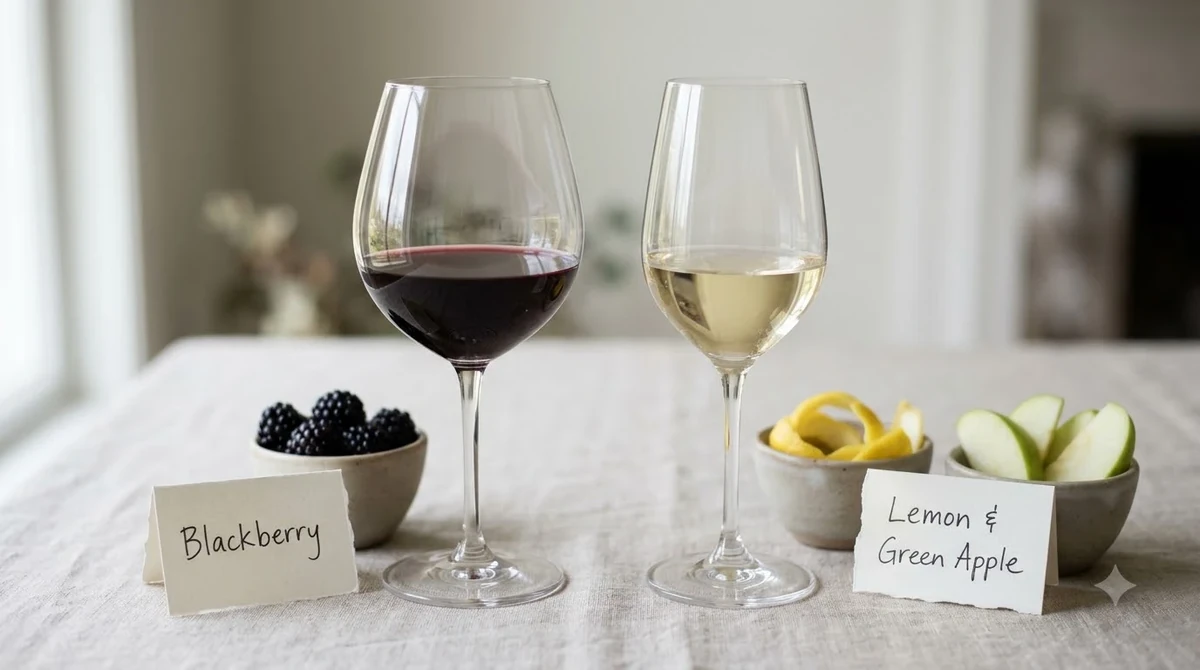
Among white and pink wines, Chardonnay and Sauvignon Blanc lead the way, often fermented in stainless steel or concrete to highlight citrus zest, green apple, and a signature saline minerality linked to the surrounding saltwater bays. Dry rosé—frequently crafted from Cabernet Franc or Merlot—is a warm-weather staple across tasting rooms, alongside traditional-method sparkling wines made from Chardonnay and Pinot Noir with notes of brioche and lemon curd.
| Grape or Style | Typical North Fork Profile | Common Winemaking Approach | Local Food Pairing |
|---|---|---|---|
| Merlot | Medium-to-full body, black cherry, beach plum, savory herbs, balanced acidity | French oak aging; bottled varietally or in Bordeaux-style blends | Roasted duck, grilled steak, herb-roasted eggplant |
| Cabernet Franc | Aromatic red currant, raspberry, white pepper, subtle graphite and grip | Stainless steel or neutral-to-moderate oak to preserve varietal lift | Charcuterie boards, roasted pork loin, aged cheddar |
| Chardonnay | Crisp green apple, Meyer lemon, wet stone, distinct coastal salinity | Stainless steel, concrete egg, or light French oak fermentation | Peconic Bay scallops, grilled sweet corn, lobster rolls |
| Sauvignon Blanc | Zesty grapefruit, lime peel, fresh herbs, vibrant mouthwatering acidity | Temperature-controlled stainless steel fermentation | Local raw oysters, goat cheese, roasted zucchini |
| Dry Rosé | Pale salmon hue, wild strawberry, red currant, crisp dry finish | Direct-press or brief skin contact on Cabernet Franc or Merlot | Heirloom tomato Caprese, steamed clams, fried calamari |
| Traditional-Method Sparkling | Fine mousse, lemon curd, green pear, toasted brioche | Méthode Champenoise secondary bottle fermentation on lees | Oysters on the half shell, brie cheese, fresh peaches |
Notable Producers Along the Trail
Nearly all of the North Fork’s vineyards remain family-owned or independently operated, ranging from pioneering 1970s estates to modern biodynamic and sparkling specialists. Sampling across a mix of historic and contemporary producers highlights the range of winemaking philosophies on the peninsula.
Castello di Borghese Vineyard in Cutchogue occupies the historic site originally planted by the Hargrave family in 1973, making it the birthplace of modern Long Island viticulture. Nearby in Aquebogue, Paumanok Vineyards has built a reputation for estate-grown Bordeaux blends and one of New York’s benchmark dry Chenin Blancs. In Peconic, The Lenz Winery—operating out of a converted potato barn—is widely recognized for age-worthy old-vine Merlot and traditional-method sparkling releases, while Bedell Cellars in Cutchogue is known for sustainable farming and Merlot-driven blends.
Other standout stops illustrate the region’s stylistic diversity. Macari Vineyards in Mattituck practices biodynamic farming and produces acclaimed Sauvignon Blanc and Bordeaux blends, while Sparkling Pointe in Southold focuses exclusively on Méthode Champenoise sparkling wines. Visitors looking for waterfront scenery can head to Kontokosta Winery in Greenport, which sits on bluffs overlooking Long Island Sound, or stop at Palmer Vineyards and RGNY in Riverhead at the western start of the trail.
Practical Visiting Tips
Planning ahead makes a noticeable difference on the North Fork, particularly between May and October when weekend traffic peaks. Because tasting rooms limit seating capacity and enforce strict group-size policies, spontaneous walk-in visits on Saturday afternoons often lead to long waits.
Most wineries recommend or require reservations for weekend flights, especially for parties of four to six guests; groups larger than six often need private appointments booked weeks in advance. Aim to visit two or three wineries in a single day, allowing roughly 90 minutes per stop plus driving time and a proper lunch break. Starting at 11:00 AM when doors open lets you enjoy quieter tasting bars and attentive pours before midday crowds arrive.
Tip: Designate a sober driver or hire a local car service before your trip—two-lane stretches of Sound Avenue and Route 25 see heavy seasonal traffic, and rideshare availability drops sharply on the eastern end of the peninsula.
Food policies vary considerably from estate to estate. While several vineyards offer wood-fired pizzas, cheese boards, or food trucks on-site, many prohibit outside picnics due to state licensing rules. Pairing a morning tasting with lunch at a village cafe in Mattituck’s Love Lane or along Greenport’s waterfront ensures a balanced pace—similar to planning a multi-stop afternoon along the fredericksburg wine trail or comparing regional tasting pass options on the indiana wine trail.
How to Buy North Fork Wines
Because the North Fork of Long Island AVA has a relatively small vineyard footprint compared to West Coast regions, many single-vineyard and reserve bottlings are produced in limited case lots. Purchasing directly at the winery tasting room—or joining an estate wine club—remains the most reliable way to access library vintages, small-batch Cabernet Franc, and sparkling cuvées.
Outside the peninsula, flagship bottles from larger North Fork producers such as Bedell Cellars, Palmer Vineyards, Macari Vineyards, Paumanok Vineyards, and Lieb Cellars are regularly stocked at independent wine shops and restaurant lists across New York City, Long Island, and neighboring Northeastern states. Most estates also ship directly to consumers in eligible states through their online stores, making it easy to reorder favorites after a visit. Just as travelers exploring the grapevine wine trail often ship mixed cases home rather than checking heavy luggage, arranging direct winery shipping keeps bottles protected from summer trunk heat.
Frequently Asked Questions
How many wineries are on the North Fork wine trail?
The North Fork of Long Island AVA is home to nearly 50 wineries, with Wine Enthusiast listing 47 active producers across the peninsula. Most sit along or just off Sound Avenue and Main Road (Route 25) between Riverhead and Greenport.
How many North Fork wineries can you visit in one day?
Two to three wineries is the ideal pace for a relaxed full-day trip. Spending about 90 minutes at each estate leaves plenty of time for guided flights, vineyard views, and lunch without palate fatigue or rushing between reservations.
What is the best time of year to visit the North Fork wine trail?
Late spring through autumn—specifically May through October—offers the warmest weather, outdoor vineyard seating, and peak farm-stand produce. September and October bring exciting harvest energy, though late spring and mid-autumn weekdays offer much calmer tasting rooms.
Can you visit the North Fork wine trail without a car?
Yes, visitors from New York City can ride the Long Island Rail Road (Ronkonkoma Branch) to Riverhead or Greenport, or take seasonal Hampton Jitney buses to North Fork stops. Because wineries are spread across 30 miles and rideshares are scarce, train travelers should book a local wine tour shuttle or private driver in advance.
Whether you come for crisp, saline-edged whites, dry summer rosé, or age-worthy Cabernet Franc and Merlot, the North Fork wine trail rewards a slow, well-paced itinerary. Grouping two or three reservations along Sound Avenue and Route 25 leaves room to savor both the maritime wines and the coastal farm culture that defines Long Island’s East End.
More in Wine Regions
 Willcox Wine Trail: Discover Arizona’s High-Elevation Wine CountryUpdated Nov 20, 2026
 Yakima Valley Wine Region: Find the Best Styles to TryUpdated Nov 20, 2026
 Vosne Romanee Wine Tasting: Identify Aromas and Choose Better PairingsUpdated Nov 20, 2026
 Yakima Valley Wine Festival: Find the Best Seasonal Wine EventsUpdated Nov 20, 2026
 Wales Vineyards: Discover Cool-Climate Wines and Where to VisitUpdated Nov 20, 2026
 Yountville Wine Festival: Discover Napa Wines and Local FoodUpdated Nov 20, 2026