

We may earn a commission when you buy through links on this page, at no extra cost to you. Learn more.
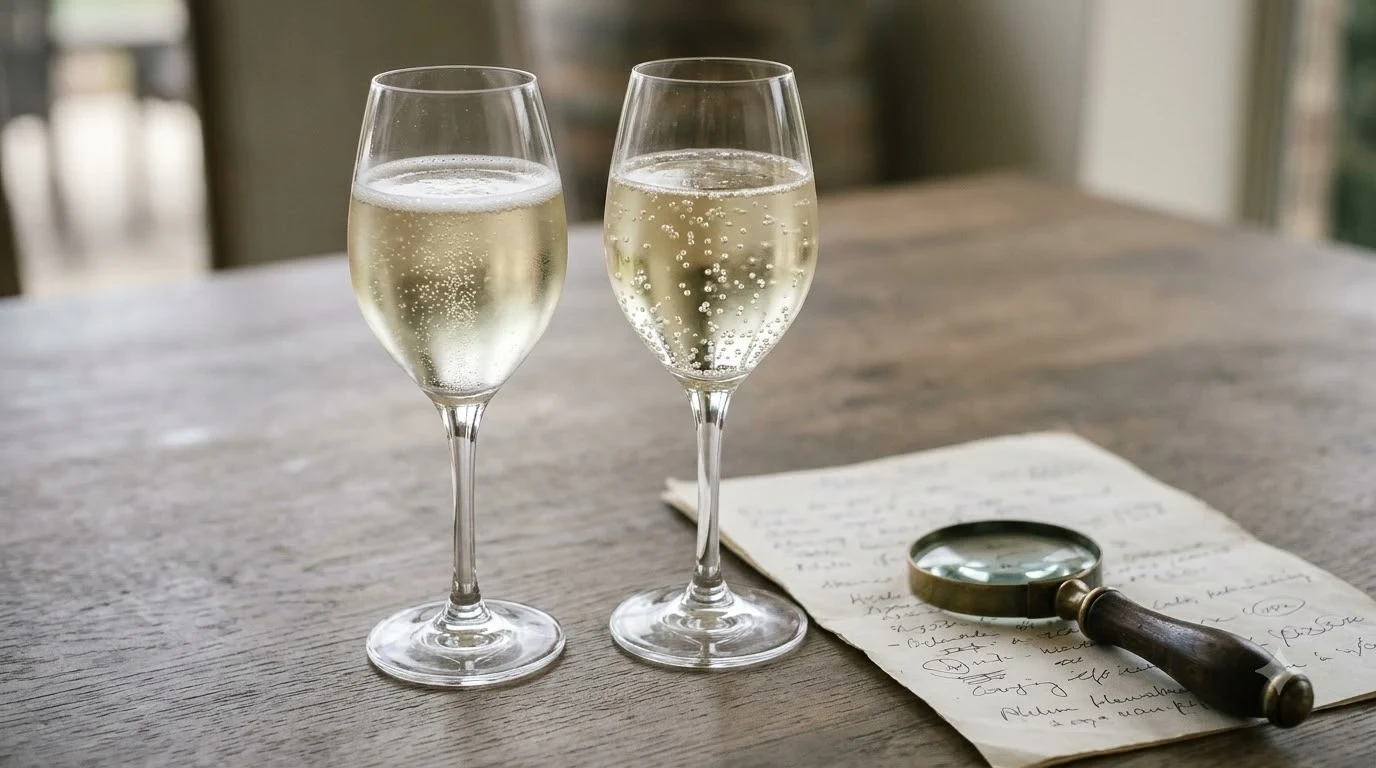
The Indiana wine trail refers both to a specific historic route of wineries along the southeastern Ohio River Valley and to a broader statewide network of eight regional wine trails across Indiana. Anchored by two federally recognized American Viticultural Areas—Indiana Uplands and the Ohio River Valley—these trails connect more than 100 wineries specializing in cold-hardy French-American hybrids, native labrusca varieties, and fruit wines. Whether travelers follow the original southeastern loop between Madison and Vevay or explore the rolling limestone hills of the Indiana Uplands Wine Trail, the routes showcase how Midwest winemakers turn continental growing conditions into distinctive dry, semi-sweet, and aromatic bottles.
For wine travelers accustomed to coastal valleys, Indiana often comes as a pleasant surprise. Viticulture in the Hoosier State dates back more than two centuries to Swiss settlers who planted vines along the Ohio River in Vevay during the early 1800s. Today, organized routes make it easy to explore that heritage one tasting room at a time, offering everything from dry, barrel-aged Chambourcin to crisp, floral pours of Traminette, Indiana’s official signature grape.
Overview of the Indiana Wine Trail
While travelers frequently use the phrase “Indiana wine trail” as a catch-all for touring the state’s vineyards, the name officially belongs to a heritage route in southeastern Indiana alongside seven other regional trails. Together, these corridors link family-owned estates, historic river-town cellars, and modern urban tasting rooms from the Lake Michigan shoreline down to the Kentucky border.
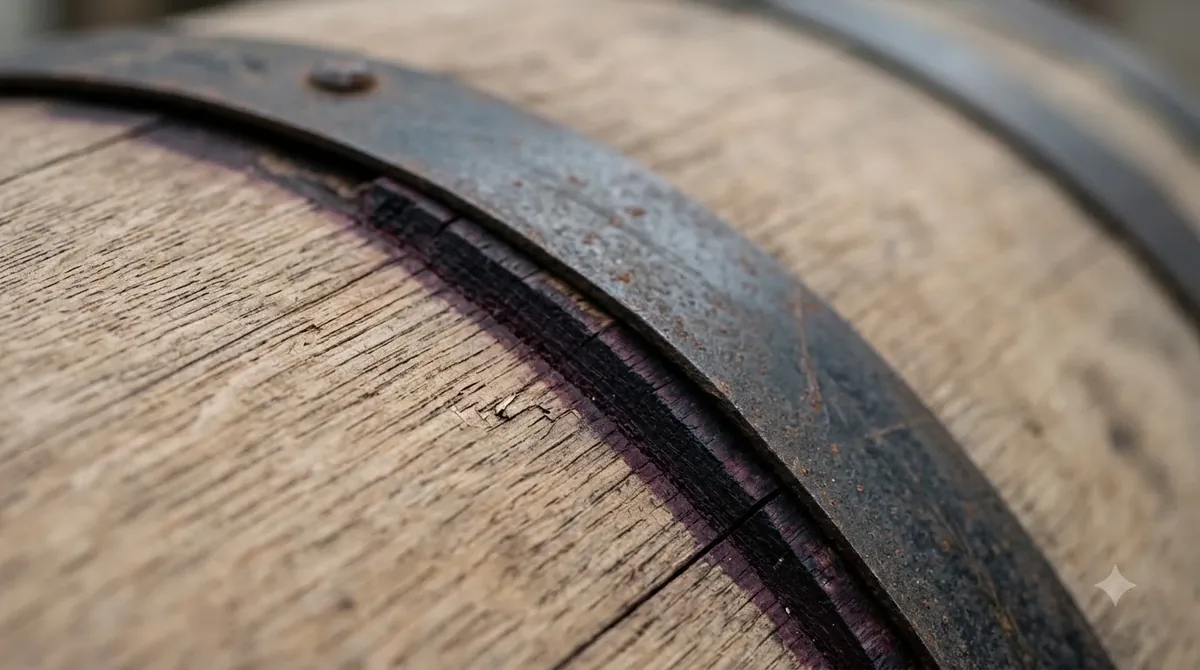
The original southeastern Indiana Wine Trail winds through scenic Ohio River towns such as Madison, Vevay, Commiskey, and Batesville. Founded by local vintners to highlight the region’s early nineteenth-century Swiss winemaking roots, this trail takes visitors past historic stone cellars, river bluffs, and countryside vineyards. Because the stops sit along winding two-lane highways and historic main streets, completing the full southeastern circuit comfortably takes a weekend rather than a single afternoon.
Beyond that original southeastern loop, statewide tourism and grape-growing groups coordinate seven additional trails, including the Indiana Uplands Wine Trail, the Indy Wine Trail, the South Shore Indiana Winery Trail, and the Hoosier Wine Trail. Much like exploring the north fork wine trail on Long Island or planning a weekend along the fredericksburg wine trail in Texas, picking a single Indiana sub-trail keeps driving distances manageable while giving visitors a clear sense of local terroir.
Key Wine Regions and Sub-Trails
Indiana’s wine trails are shaped by two official American Viticultural Areas—the Indiana Uplands AVA and the Ohio River Valley AVA—as well as distinct lake-effect microclimates in the north. Each corridor reflects the soils, elevation, and winter temperatures of its corner of the state.
| Trail Name | Primary Region | Signature Wine Styles | Key Towns & Hubs |
|---|---|---|---|
| Indiana Wine Trail (Original) | Southeast / Ohio River Valley AVA | Dry reds, traditional European-style table wines, fruit wines | Madison, Vevay, Batesville, Commiskey |
| Indiana Uplands Wine Trail | South-Central / Indiana Uplands AVA | Traminette, Chambourcin, Vidal Blanc, semi-sweet whites | Bloomington, Starlight, Nashville, French Lick |
| South Shore Indiana Winery Trail | Northwest / Lake Michigan Shore | Maréchal Foch, Vignoles, hard ciders, sweet fruit blends | Michigan City, Chesterton, Valparaiso |
| Indy Wine Trail | Central Indiana | Accessible blends, dry and semi-sweet varietals, sparkling wines | Indianapolis, Martinsville, Bargersville |
| Hoosier Wine Trail | Southern / Ohio River Corridor | Catawba, Concord, dry hybrids, sweet porch sippers | Corydon, New Albany, Rockport, Seymour |
According to Wine-Searcher’s regional profile of the Indiana Uplands, the Indiana Uplands AVA spans 4,800 square miles of unglaciated plateau between Bloomington and the Ohio River. Established as an AVA in 2013, this region features well-drained silt and clay loams over limestone, sandstone, and shale bedrock. Elevated ridges promote steady air circulation that reduces spring frost risk and allows grapes to ripen slowly through autumn, making the Indiana Uplands Wine Trail the state’s most concentrated destination for estate-grown hybrid wines.
In the southeastern and southern corners of the state, trails overlap with the sprawling Ohio River Valley AVA, established in 1983. River breezes moderate temperature swings along the bluffs near Vevay and Madison, where Swiss immigrants first established commercial American viticulture in the early 1800s. Meanwhile, trails in northern Indiana—such as the South Shore Indiana Winery Trail and the Northeast Wine Tour—rely on Lake Michigan’s moderating thermal influence and extra-hardy grape varieties to handle colder winters.
Signature Grapes and Wine Styles
Because Indiana experiences humid summers and sub-zero winter lows, European Vitis vinifera vines like Cabernet Sauvignon struggle in most vineyards. Instead, wineries along the Indiana wine trail excel with cold-hardy French-American hybrids and native North American grapes that thrive in continental conditions.
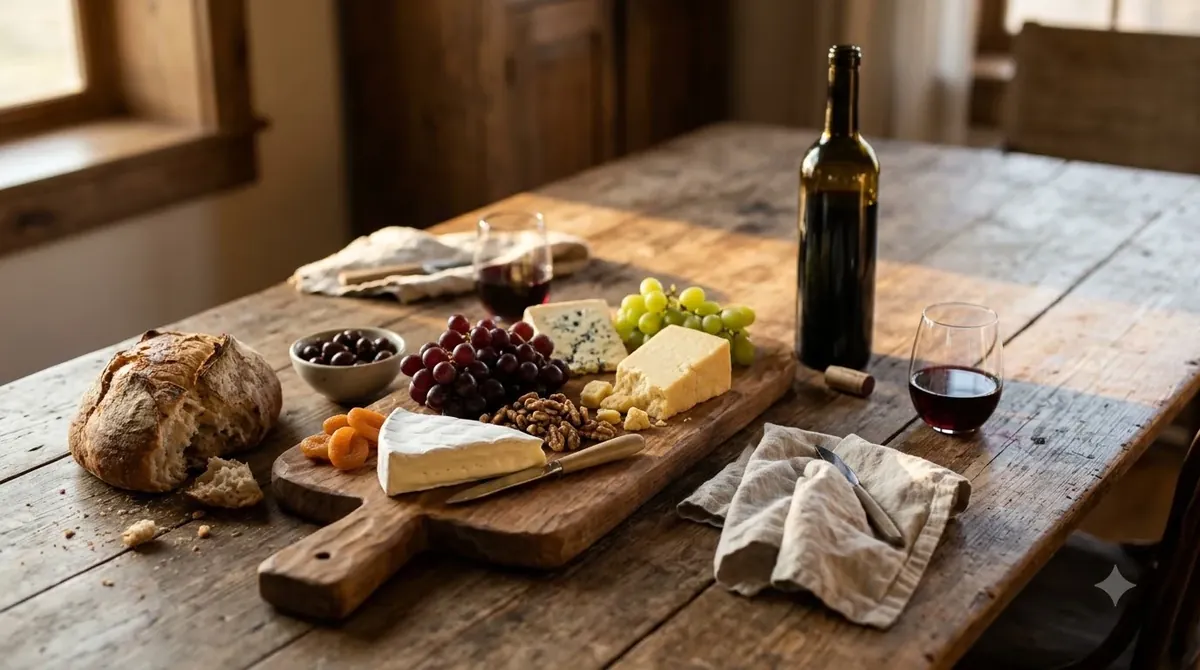
Traminette stands at the center of Indiana’s wine identity. Named the official signature grape of Indiana in 2009 and developed at Cornell University as a cross involving Gewürztraminer, Traminette produces aromatic white wines bursting with rose petal, jasmine, apricot, and baking spice notes. As WineAmerica notes in its Indiana state profile, the grape adapts exceptionally well to Hoosier soils, winning national competition medals and developing honeyed complexity after two to three years in bottle. Winemakers vinify it across the sweetness spectrum, from bone-dry and crisp to lush and off-dry.
Other white varieties frequently poured on trail tasting flights include Vidal Blanc, Seyval Blanc, Chardonel, and Vignoles. Vidal Blanc and Seyval Blanc deliver bright citrus, green apple, and melon flavors, while Chardonel—a cross of Seyval and Chardonnay—offers fuller body and takes well to oak barrel aging. On the red side, Chambourcin is the undisputed workhorse, yielding medium- to full-bodied wines with dark cherry, plum, and earthy notes, alongside lighter, berry-driven reds made from Maréchal Foch and rich, structured bottles from native Norton. Traditional sweet wines crafted from native Catawba, Niagara, and Concord grapes remain staples in nearly every tasting room.
Notable Wineries Along the Trails
Across the state’s network of trails, a handful of historic estates and pioneering producers define the Indiana wine experience. Visiting a mix of large-scale pioneers and small family farms gives travelers the clearest picture of what local cellars can achieve.
On the Indiana Uplands Wine Trail, Oliver Winery in Bloomington stands as the oldest and largest modern winery in Indiana. Founded in 1972, Oliver sources fruit from its Creekbend Vineyard and partner growers to produce everything from dry estate Chambourcin and Traminette to widely distributed fruit-forward blends. Further south in Starlight, Huber’s Orchard and Winery operates on a seventh-generation, 700-acre family farm whose earliest vineyards date back to the 1840s, pairing estate wines with farm-grown produce and orchard spirits. Butler Winery in Bloomington and French Lick Winery in West Baden Springs also anchor the Uplands route with deep lineups of regional hybrids.
Along the historic southeastern Indiana Wine Trail, Thomas Family Winery in downtown Madison occupies a restored nineteenth-century carriage house and livery stable, focusing on traditional dry and off-dry table wines, ciders, and artisan breads. Nearby Lanthier Winery showcases small-batch wines alongside vibrant gardens, while Ridge Winery Tasting Room near Vevay carries forward the Ohio River town’s Swiss winemaking legacy with scenic water views. Travelers exploring the central part of the state can also stop by Easley Winery in Indianapolis or Cedar Creek Winery in Martinsville on the Indy Wine Trail.
Practical Tips for Planning Your Visit
Planning a trip along an Indiana wine trail requires a slightly different rhythm than touring larger, more commercialized Wine Regions. Many Hoosier wineries are family-operated farms where the person pouring your flight may also manage the vineyard or cellar.
Tip: Download a trail passport or map from the regional trail association before you leave, and limit your daily itinerary to three or four wineries so you have time to talk with tasting room staff and enjoy unhurried countryside drives.
Peak touring season runs from May through October, when vineyards are lush and tasting rooms host weekend live music, food trucks, and outdoor patio service. September and October bring harvest energy and autumn foliage across southern Indiana’s rolling hills, though spring bud break in April and May offers quieter tasting bars. Winter visits are still rewarding—most tasting rooms remain open year-round—but smaller rural wineries sometimes switch to Thursday-through-Sunday hours between November and March, making a quick schedule check essential before driving out.
Unlike urban tasting districts such as the grapevine wine trail where stops sit within walking distance of one another, most Indiana wine trails span 30 to 90 miles of rural highways. Designating a sober driver or booking a local shuttle service from hubs like Bloomington, Madison, or Nashville ensures a safe, relaxed day. Packing a small cooler with ice packs in the trunk is also smart practice, especially during warm July and August afternoons when trunk temperatures can quickly damage newly purchased bottles.
How to Buy and Enjoy Indiana Wines
Because the vast majority of Indiana wineries produce in small batches, tasting room visits remain the best way to discover limited-release dry hybrids and single-vineyard bottlings. Most wineries offer build-your-own tasting flights of four to six pours, letting newcomers sample dry and sweet styles side by side before committing to full bottles.
If you are shopping from home or looking to restock favorites after a trip, larger Indiana producers distribute select labels—particularly Traminette, Chambourcin, and fruit wines—through regional grocery stores and independent wine shops across the Midwest. Many smaller trail members also ship direct-to-consumer within Indiana and to eligible states through their websites, and joining a winery’s seasonal wine club often unlocks access to small-lot reserves that never reach retail shelves.
At the table, Indiana’s signature bottles are remarkably versatile. Serve dry or off-dry Traminette chilled to around 45–50°F alongside spicy Thai curries, roast pork tenderloin, or aged sharp cheddar. Oak-aged Chambourcin shines at cool cellar temperature (around 60–65°F) with grilled burgers, smoked brisket, or mushroom pasta, while sweeter Catawba and Concord pours make effortless matches for spicy barbecue ribs or summer berry desserts.
Frequently Asked Questions
How many wine trails are in Indiana?
Indiana features eight recognized regional wine trails spread across the state. These include the historic Indiana Wine Trail in the southeast, the Indiana Uplands Wine Trail in south-central Indiana, the Indy Wine Trail, the South Shore Indiana Winery Trail, the Hoosier Wine Trail, the Harrison County Wine Trail, the Cardinal Flight Wine Trail, and the Northeast Indiana Wine Tour.
What is Indiana’s signature wine grape?
Traminette is Indiana’s official signature wine grape, named so in 2009. A winter-hardy hybrid descended from Gewürztraminer, it thrives in Indiana’s continental climate and produces expressive white wines with floral aromas of rose petal and jasmine alongside spicy, apricot-driven flavors.
What is the best time of year to visit an Indiana wine trail?
May through October is the prime window to explore an Indiana wine trail, offering warm patio weather, green vineyard views, and weekend festivals. September and October are especially popular for harvest activities and vibrant fall foliage across southern Indiana’s hills.
Do Indiana wineries only make sweet wines?
No—while sweet native grape wines like Concord and Catawba remain popular, Indiana wineries produce a wide range of dry and semi-dry wines. Dry barrel-aged Chambourcin, crisp Seyval Blanc, oaked Chardonel, and bone-dry Traminette are widely available across the state’s trails.
Exploring an Indiana wine trail offers a genuine look at American winemaking resilience, blending two centuries of Ohio River history with modern viticultural craft. Whether you spend an afternoon tasting aromatic Traminette in Bloomington or winding through the historic river towns of Madison and Vevay, Indiana’s trails reward curious wine lovers with welcoming tasting rooms and distinctly regional pours.
More in Wine Regions
 Willcox Wine Trail: Discover Arizona’s High-Elevation Wine CountryUpdated Nov 20, 2026
 Yakima Valley Wine Region: Find the Best Styles to TryUpdated Nov 20, 2026
 Vosne Romanee Wine Tasting: Identify Aromas and Choose Better PairingsUpdated Nov 20, 2026
 Yakima Valley Wine Festival: Find the Best Seasonal Wine EventsUpdated Nov 20, 2026
 Wales Vineyards: Discover Cool-Climate Wines and Where to VisitUpdated Nov 20, 2026
 Yountville Wine Festival: Discover Napa Wines and Local FoodUpdated Nov 20, 2026