

We may earn a commission when you buy through links on this page, at no extra cost to you. Learn more.
Prosecco vs rose comes down mainly to a defined Italian sparkling wine versus a broad category of pink wines that can be still or sparkling. Prosecco is usually made with Glera grapes and its familiar bubbles come from a second fermentation in a pressurized tank, while rosé gets its color from limited contact with dark grape skins or, less commonly, blending. Prosecco DOC Rosé combines both ideas in a sparkling pink wine.
The best choice depends on the occasion, the food on the table, how much fizz you want, and whether you prefer crisp orchard fruit or red-berry flavors. Compare the styles below to choose by taste rather than color or label alone.
The Core Difference Between Prosecco and Rosé
Prosecco is a wine with a protected Italian origin and a recognizable production identity; rosé describes a style whose color comes from red grape skins. A standard Prosecco is sparkling and pale straw-colored, while rosé is pink and may be still, gently sparkling, or fully sparkling.
Prosecco DOC comes from a defined area in northeastern Italy covering nine provinces across Veneto and Friuli-Venezia Giulia. Its primary grape is Glera, and the sparkling version gets its bubbles from a second fermentation in a sealed tank. That process captures carbon dioxide, creating a steady stream of bubbles and a lively texture.
Rosé has no single country, grape, or production method. A pale wine from Provence may use Grenache, Cinsault, and Mourvèdre; a Spanish rosado may use Tempranillo or Garnacha; and an American rosé may use Pinot Noir, Syrah, or Zinfandel. Styles range from bone-dry and light to rounded, fruit-forward, savory, and structured.
The categories can overlap. Prosecco DOC Rosé is an official sparkling style made with Glera and Pinot Nero, the Italian name for Pinot Noir. It keeps Prosecco’s tank-fermented bubbles while adding a pale pink hue and red-fruit character. For a wider framework, see this guide to wine vs wine comparisons.
Grapes and Winemaking Methods
Grape choice and cellar technique explain why these wines taste different. Prosecco DOC relies on Glera and tank fermentation, whereas rosé producers use several red grapes and control color through brief skin contact, direct pressing, or saignée.
For Prosecco DOC, Glera is the base grape, and standard wines may include up to 15% of certain other varieties. Prosecco DOC Rosé has a tighter formula: 85% to 90% Glera and 10% to 15% Pinot Nero, vinified as a red wine. Its sparkling phase must last at least 60 days; standard Prosecco DOC Spumante and Frizzante require at least 30 days for the second fermentation.
In the tank method, base wine undergoes a second fermentation in a sealed pressure vessel called an autoclave. Carbon dioxide stays dissolved instead of escaping, producing the bubbles. The method, also called Charmat or Martinotti, helps preserve fresh floral and fruit aromas. Prosecco DOC Spumante has an official minimum alcohol content of 11% by volume.
Rosé begins with dark-skinned grapes, but the juice usually receives much less skin contact than it would for red wine. Maceration can last from a few hours to a week; shorter contact generally produces a paler wine. Direct pressing separates juice from skins quickly for a delicate, pale style, while saignée removes some pink juice from a red-wine tank and ferments it separately. Blending red and white wines is unusual for still rosé in many European regions, but it is an established option for rosé Champagne. Wine Enthusiast’s guide to rosé winemaking methods explains how each approach changes the final style.
Prosecco DOC Rosé is therefore not simply any rosé with bubbles. The red-vinified Pinot Nero is combined with the Glera base, then the wine undergoes the longer sparkling process required for the pink designation. The official Prosecco DOC production rules specify the grape proportions and permitted wine types.
Flavor, Body, Acidity, and Bubbles
Standard Prosecco usually tastes crisp, bright, and fruit-led, with bubbles that lift the palate; rosé can range from delicate citrus and strawberry to deeper cherry, herbs, and savory notes. Neither category has one fixed flavor profile, but grape variety, skin contact, sweetness, and sparkling method provide useful clues.
Glera often produces aromas associated with green apple, pear, lemon, and white flowers. In a chilled glass, bubbles make the wine feel brisk and energetic, while refreshing acidity keeps the finish lively. Some bottles show peach or ripe melon, but Prosecco is generally made to emphasize fresh fruit rather than extended bottle-age complexity.
Rosé flavor depends on the grapes and skin contact. Grenache and Cinsault can give a Provence-style rosé notes of strawberry, watermelon, citrus, and subtle herbs. Pinot Noir rosé often leans toward raspberry, cranberry, and delicate floral aromas, while Syrah or Mourvèdre can create a darker, spicier wine with more body and structure.
Color is not a reliable sweetness scale. A very pale Provence rosé can be completely dry, while a darker rosé can also be dry or have noticeable residual sugar. Prosecco’s carbon dioxide creates a fizzy texture; still rosé has no bubbles, so acidity, fruit ripeness, and tannin are more apparent. Sparkling rosé combines pink-wine fruit with a lively bead of bubbles.
Sweetness and Alcohol: Read the Style, Not the Color
Prosecco sweetness is identified by regulated terms, while rosé sweetness varies by producer and region. A bottle marked Brut is usually a good starting point for a dry sparkling wine, but rosé can be dry, off-dry, or sweet regardless of how pale or dark it looks.
For Prosecco DOC Spumante, the official sweetness scale runs from Brut Nature through Demi-Sec. The figures below are grams of residual sugar per liter; the distinction between Extra Dry and Brut is especially useful because Extra Dry is sweeter.
| Prosecco DOC Spumante term | Residual sugar | General impression |
|---|---|---|
| Brut Nature | 0–3 g/L | Very dry |
| Extra Brut | 0–6 g/L | Very dry |
| Brut | Less than 12 g/L | Dry |
| Extra Dry | 12–17 g/L | Lightly rounded |
| Dry | 17–32 g/L | Noticeably softer |
| Demi-Sec | 32–50 g/L | Sweet |
Prosecco DOC Rosé is permitted only in the drier range from Brut Nature to Extra Dry, so a pink Prosecco DOC bottle will not use the Dry or Demi-Sec categories. For a first bottle with appetizers, Brut is a practical middle ground; choose Brut Nature or Extra Brut for a particularly dry finish.
Rosé has no matching universal sweetness ladder. Many Provence rosés and quality-focused European examples are fermented dry, while some mass-market rosés and white Zinfandel styles are noticeably sweeter. Compare the producer and region rather than judging by color; the comparison of rosé vs white Zinfandel is useful because white Zinfandel is often sweeter than dry rosé styles on wine lists. Alcohol level also varies: Prosecco DOC Spumante has a minimum of 11% ABV, and many familiar bottles fall around 11% to 12%, while rosé depends on grape ripeness and the producer’s choices.
Tip: Do not assume Extra Dry Prosecco is drier than Brut. In the Prosecco sweetness scale, Brut has less residual sugar than Extra Dry, so choose by the exact term rather than the everyday meaning of the words.
Serving Temperature, Glassware, and Storage
Serve both wines chilled, but not ice-cold. A useful starting point is 40–50°F for sparkling Prosecco and 45–50°F for light rosé; cooler service preserves freshness, while a few minutes in the glass can reveal more aroma.
Wine Enthusiast recommends sparkling wines such as Prosecco around 41–45°F and rosé around 48–53°F, with lighter rosés served cooler than fuller examples. These ranges overlap, so Prosecco DOC Rosé can be treated like a sparkling wine. A tulip-shaped glass is versatile for Prosecco; a narrow flute displays its bead, while a slightly wider white-wine glass makes it easier to smell pear, apple, and floral notes. Still rosé works well in a standard white-wine glass.
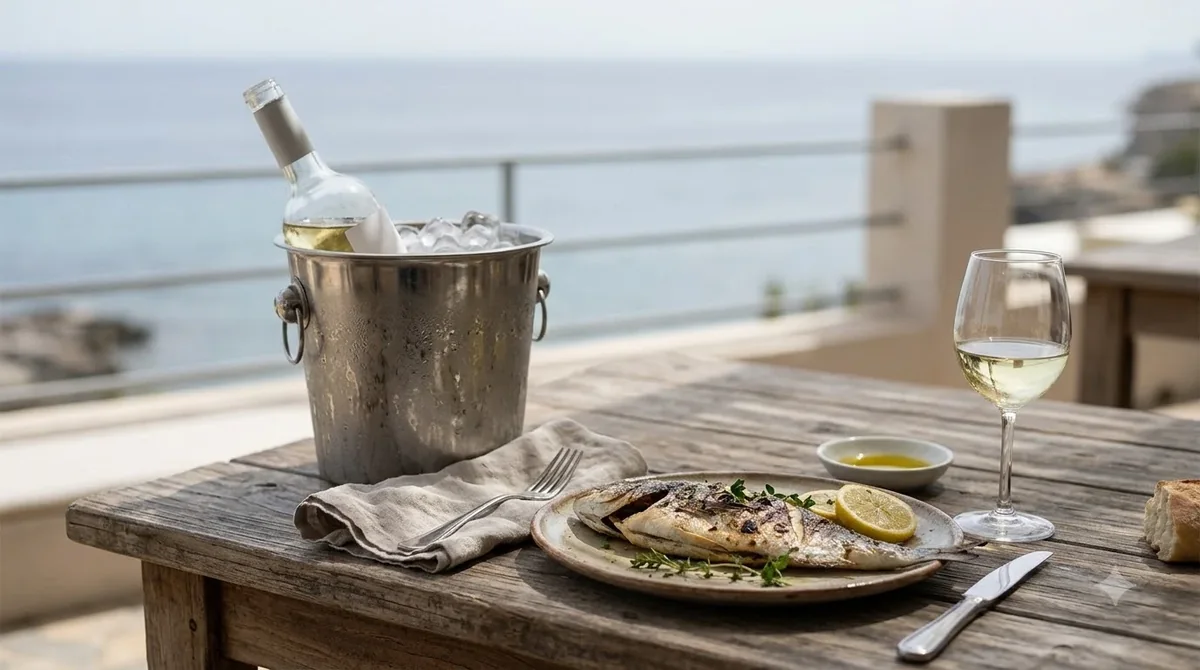
Chill a bottle in the refrigerator before serving, or use an ice bucket with water and ice for faster cooling. A 750-milliliter bottle gives about five standard 5-ounce pours. Once opened, keep wine cold; use a sparkling-wine stopper for Prosecco because carbonation fades faster than the freshness of still wine. Refrigerate opened still rosé and aim to finish it within three to five days. Before opening, keep bottles away from sunlight and temperature swings; a cool, stable place near 55°F is a sensible target, although everyday Prosecco and fresh rosé are generally bought for near-term drinking.
Food Pairings and Occasions
Prosecco is especially useful as an aperitif and with salty, fried, or lightly seasoned foods, while rosé adapts to a wide range of dishes depending on body and sweetness. Match the wine’s acidity to the food, and remember that a wine should be at least as sweet as the dessert served with it.
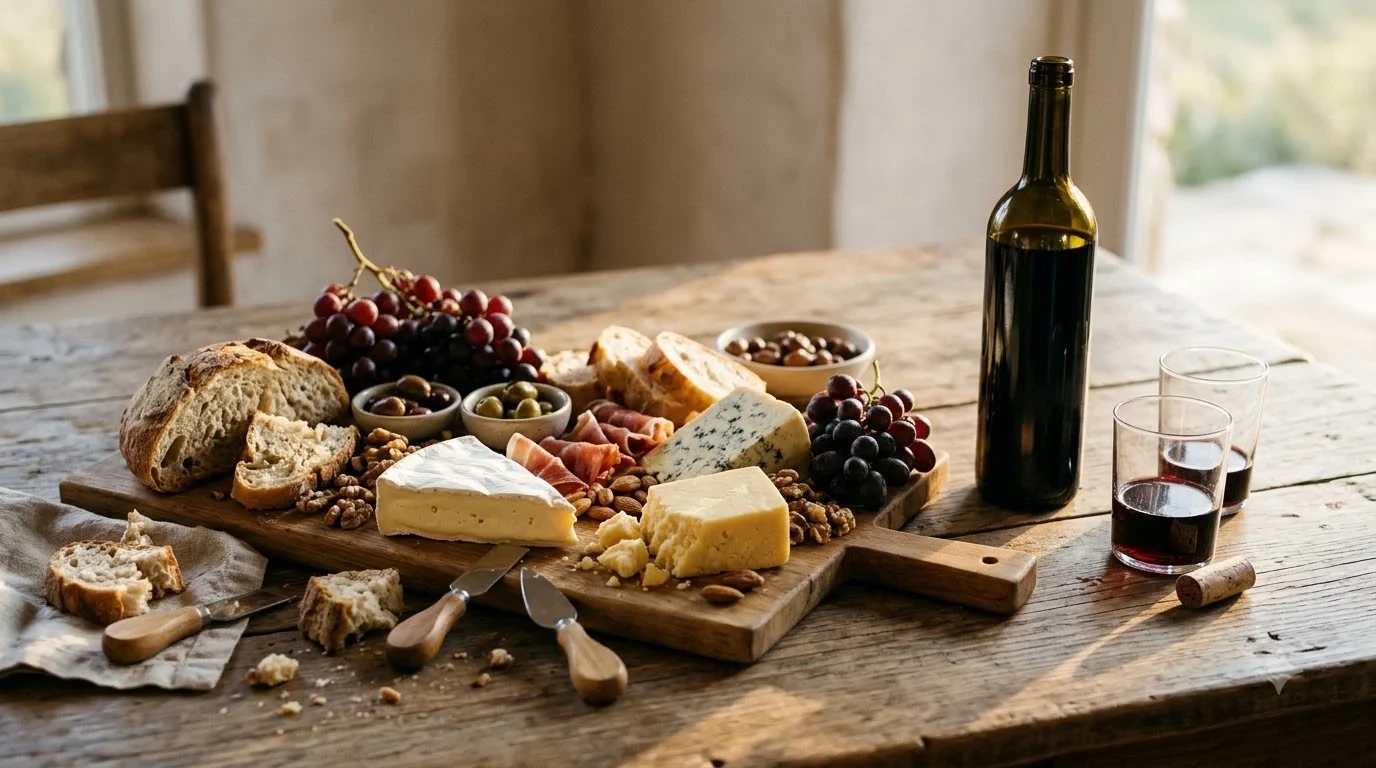
For Prosecco, try salty snacks, bruschetta, prosciutto, shrimp, calamari, fried zucchini, or mild cheeses. Bubbles refresh the palate after oil and salt, and fresh fruit flavors work with simple appetizers rather than competing with them. Brut Prosecco is a reliable partner for oysters, vegetable fritters, and young goat cheese or mozzarella.
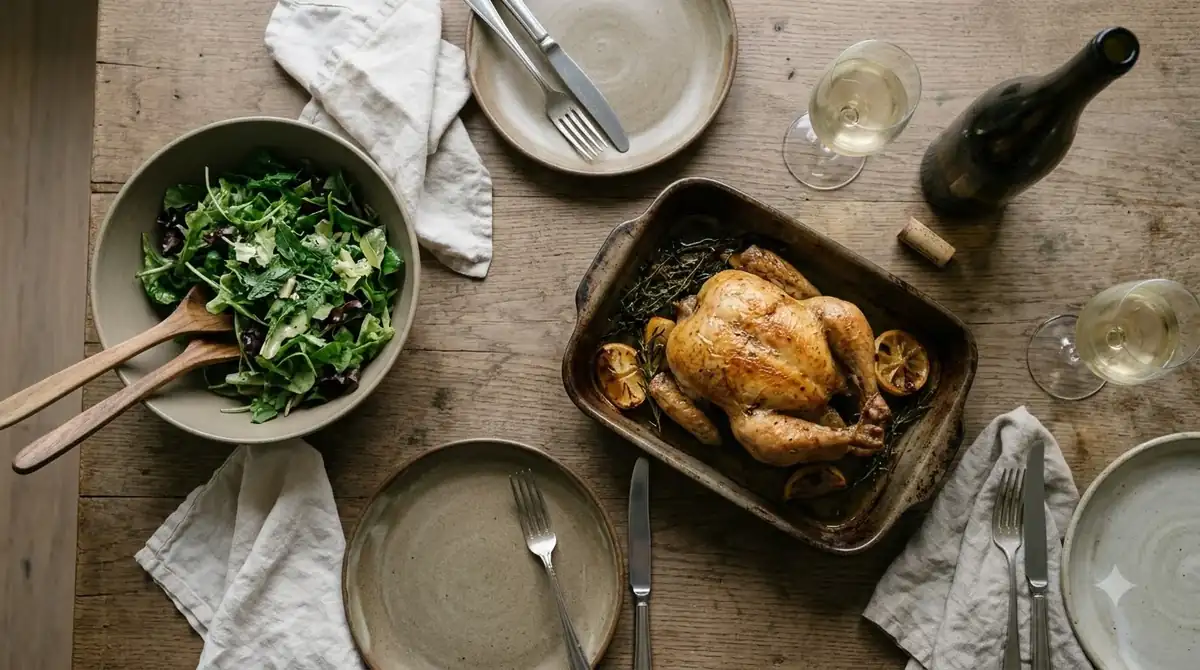
Light, dry rosé pairs with grilled shrimp, salmon, chicken, Niçoise salad, tomato dishes, and summer vegetables. Provence-style blends with Grenache and Cinsault fit Mediterranean food such as olives, herbed chicken, and grilled zucchini. A fuller rosé from Tavel or Bandol can handle grilled lamb, charcuterie, and roasted peppers because it has more fruit weight and structure.
For spicy food, alcohol and tannin can make chili heat feel more intense, so a lower-alcohol, fruit-forward rosé with a touch of sweetness may suit a spicy dish better than a structured, tannic wine. With acidic foods such as tomato salad or citrus dressing, choose a wine with equal or higher acidity. Salt and fat can soften tannin. At a brunch or reception, Prosecco is a natural fit; still rosé works well for lunch and grilled dishes, while sparkling rosé offers both pink-fruit character and fizz. For another sparkling comparison, Lambrusco vs Prosecco explains how a red sparkling wine differs from the Glera-based Italian style.
How to Choose the Right Bottle
Start with the occasion, then decide whether you want bubbles, a dry finish, and light or fuller body. The label can answer several questions quickly, but the grape, region, and production style provide more detail.
Choose standard Prosecco when you want a lively, pale sparkling wine for a toast, aperitif, or light appetizers. Prosecco DOC Spumante Brut suits drinkers who like crisp pear and apple notes; Extra Dry tastes rounder and a little sweeter, while Brut Nature or Extra Brut suits a very dry preference. Frizzante is a softer-bubbled option than Spumante.
Choose still rosé when the meal is varied or you want a wine that can move from seafood to salads and grilled poultry. Provence is a useful starting point for pale, dry citrus-and-berry flavors; Tavel offers a deeper and more structured style; Spanish rosado from Navarra can be fruitier and more generous. Pinot Noir rosé may be delicate, while Grenache, Syrah, and Mourvèdre can bring broader fruit and more body.
Choose Prosecco DOC Rosé when you want sparkling wine with pink color and a red-fruit edge. Its blend is specifically regulated at 85% to 90% Glera and 10% to 15% Pinot Nero, and its sweetness categories run from Brut Nature to Extra Dry. For a simple tasting at home, pour it beside a standard Brut Prosecco and a dry still rosé using the same 5-ounce pour; compare acidity, body, finish, and how each wine works with a bite of food. The best bottle is the one whose sweetness, acidity, texture, and bubbles fit the meal and the people sharing it.
Frequently Asked Questions
These answers cover label terms and regional details that are easy to overlook when choosing a bottle. They add useful context beyond the basic flavor and pairing differences.
What does DOC mean on a Prosecco label?
DOC stands for Denominazione di Origine Controllata, translated as Controlled Designation of Origin. The designation ties the wine to a defined production area and a set of rules governing grapes and winemaking.
What does Millesimato mean on Prosecco DOC Rosé?
Millesimato identifies a vintage-dated wine. For Prosecco DOC Rosé, the label must include the term followed by the reference year when at least 85% of the grapes come from that vintage.
How can rosé Champagne be made by blending?
For rosé Champagne made by assemblage, producers blend still white and red base wines before the second fermentation. Pinot Noir or Pinot Meunier can be added to Chardonnay to provide color and red-fruit character.
Can a Provence rosé include a white grape?
Yes. Some classic Provençal blends may include Vermentino, locally known as Rolle, alongside red grapes such as Grenache, Cinsault, Mourvèdre, and Syrah. The exact blend depends on the appellation and producer.
Can Bandol rosé have oak aging?
Yes. Although many rosés are fermented and bottled in stainless steel for freshness, Bandol producers sometimes age rosé in oak. Mourvèdre gives these wines a more savory, mineral, and structured profile than lighter, early-drinking styles.
Prosecco is the clearer choice for fresh bubbles and an easy aperitif, while still rosé offers a wider range of grapes, colors, and food-friendly styles. For a bottle that combines both ideas, Prosecco DOC Rosé brings pink-fruit character to a defined sparkling-wine category.
More in Wine vs Wine
 Nero d’Avola vs Pinot Noir: Taste, Body, and Pairing DifferencesUpdated Nov 21, 2026
 Chenin Blanc vs Pinot Blanc: Key Differences in Taste, Acidity, and PairingsUpdated Nov 21, 2026
 Chardonnay vs Shiraz: Key Differences in Taste, Serving, and PairingUpdated Nov 21, 2026
 Chardonnay vs Verdejo: How Spain’s Crisp White Compares to the World’s ChameleonUpdated Nov 21, 2026
 Chardonnay vs Sancerre: Key Differences in Taste, Grapes, and PairingUpdated Nov 21, 2026
 Chardonnay vs Malbec: Key Differences in Taste, Body, and PairingUpdated Nov 21, 2026