

We may earn a commission when you buy through links on this page, at no extra cost to you. Learn more.
For shoppers, tormaresca wine is a collection of red, white, and rosé wines from Puglia in southern Italy, produced under the Antinori family’s regional label. The range highlights local grapes such as Primitivo and Negroamaro while also including Chardonnay and other styles. The best bottle for you depends on whether you want a bold red, a fresher rosé, or a crisp southern Italian white.
Tormaresca is a useful name to know if you are exploring Puglian wine beyond the region’s best-known grape varieties. Its portfolio spans several appellations and winemaking approaches, so the label can indicate anything from stainless-steel-aged Chardonnay to oak-matured Primitivo. This guide explains where the wines come from, how the main bottlings differ, what to serve with them, and how to pour each style at its best.
Origins in Puglia: Two Estates, Distinct Landscapes
Tormaresca’s identity is rooted in Apulia, the heel of Italy’s boot, where the Adriatic and Ionian seas frame a long winegrowing region. The Antinori family began investing in Puglia in 1998, with a goal of making characterful wines from the area’s established grapes as well as selected international varieties.
The producer’s estate story connects two especially important areas. Masseria Maìme lies in Upper Salento, in the southern part of Puglia, while Tenuta Bocca di Lupo is in the Castel del Monte DOC area near Minervino Murge. The winery also identifies Tenuta Carrubo with the Manduria DOC, the appellation most closely associated with Primitivo. The three place names point to different growing areas and wine traditions. Puglia’s long coastline and warm growing conditions encourage generous fruit, but altitude and distance from the sea can change the balance of warmth, freshness, and structure from site to site.
That geographic spread explains why the range does not have one flavor profile. Salento is associated with Negroamaro and Primitivo, Castel del Monte gives the producer a home for Aglianico, and Manduria offers another expression of Primitivo. Begin with the grape and place name rather than assuming every bottle tastes alike. A Salento label points you toward the southern part of the region, while Primitivo di Manduria names a distinct appellation. Those words are useful clues before you even consider the producer’s tasting description.
For a northern Italian comparison, see Zenato wine; the contrast shows how regional grapes and climate shape style. Tormaresca’s Antinori estate profile outlines its Puglian settings.
The Grapes Behind the Tormaresca Range
Primitivo and Negroamaro are the two central red grapes to understand first, but they do not tell the whole story. Tormaresca also works with Aglianico, Fiano, and Chardonnay, giving the range both local character and styles that may be more familiar to drinkers who usually choose international varieties.
Primitivo is genetically related to California Zinfandel and is Puglia’s most planted grape, according to VinePair. It often produces deeply colored reds with ripe cherry, blackberry, and plum character. Alcohol can be relatively high, while tannins are generally medium. That balance suits grilled meat, tomato-based sauces, and aged cheeses.
Negroamaro is Puglia’s second most planted grape and is closely linked with Salento. It appears in Neprica Negroamaro and Masseria Maìme, with wines that can show red or dark fruit, herbs, flowers, spice, and savory notes. Compared with ripe Primitivo, Negroamaro often feels more earthy or herbal. VinePair’s Puglia red-grape overview adds regional context.
Aglianico adds a more structured red, with firmer tannin and savory depth. The white side includes Chardonnay Puglia IGT and the local Fiano grape. These five names—Primitivo, Negroamaro, Aglianico, Chardonnay, and Fiano—make the range easier to read. If you prefer a softer, fruit-forward red, start with Primitivo or a more approachable Negroamaro. If you prefer firmer structure, look for Aglianico; for a white, compare Chardonnay with Fiano rather than assuming every southern Italian white is rich or heavy.
Key Bottles: From Easygoing Reds to Serious Reds and Rosé
Compare Tormaresca bottlings by grape and style. Neprica is an approachable entry point, Torcicoda and Masseria Maìme show more developed red-wine character, and Calafuria is a fruit-led rosato.
Neprica: approachable Puglian character
Neprica Primitivo is a varietal Primitivo under the Puglia IGT designation, with black cherry, plum, red fruit, and licorice notes. It spends about eight months in stainless-steel tank and another four months in bottle, keeping fruit at the center rather than emphasizing new oak. Neprica Negroamaro highlights cherry, dog rose, violet, pepper, and tobacco, with supple tannins and freshness. It also spends about eight months in stainless steel. Choose it for savory and floral cues instead of the darker plum character often associated with Primitivo.
Torcicoda and Masseria Maìme: more depth and structure
Torcicoda is made from Primitivo del Salento, with black cherry and plum alongside licorice, vanilla, and tobacco. It receives about 13 days of skin maceration and 18 months of aging before bottling, making it a natural choice for a substantial meal. Masseria Maìme is the producer’s signature Negroamaro from Salento, with sour cherry, blackberry, dried rose, licorice, black tea, and clove. It matures in 300-liter French and Hungarian oak tonneaux, then spends another 15 months in bottle. Oak and bottle time add layers to the grape’s savory character.
Other styles in the portfolio
Carrubo is the Primitivo di Manduria DOC bottling, with ripe cherry, dried fruit, licorice, vanilla, chocolate, and amaretto notes. It ages in 500-liter French oak tonneaux and eight months in bottle. Calafuria is a Salento IGT rosato, while Chardonnay Puglia IGT offers a fresher white option. These bottles broaden the lineup for mixed menus and warmer-weather occasions, and make it easier to choose the producer even when a full-bodied red is not what the meal calls for.
How Winemaking Changes the Style
Tormaresca uses different cellar choices across the range. Stainless steel preserves fresh fruit and aromatic detail, while oak and longer bottle aging can build texture in selected reds.
The technical descriptions show those decisions in practice. Chardonnay is chilled at 10 °C (50 °F) for about 24 hours, fermented at 16 °C (61 °F), and aged in stainless steel. Calafuria rosato also ferments at 16 °C (61 °F) and spends a short period on its lees in stainless steel.
Red-wine programs vary: Neprica uses stainless steel and shorter aging, while Torcicoda and Masseria Maìme mature longer. The table compares the producer’s published cellar details, not wine quality.
| Wine | Key cellar detail | Time or temperature |
|---|---|---|
| Chardonnay Puglia IGT | Cold clarification; stainless-steel fermentation and aging | 24 hours at 10 °C; fermentation at 16 °C |
| Neprica Primitivo | Stainless-steel aging, followed by bottle aging | About 8 months in tank and 4 months in bottle |
| Torcicoda | Skin maceration; aging before bottling | About 13 days of maceration and 18 months of aging |
| Masseria Maìme | French and Hungarian oak tonneaux; bottle aging | 15–18 days of maceration; 15 months in bottle |
| Carrubo | 500-liter French oak tonneaux; bottle aging | 8 months in bottle |
These figures are not a universal formula for every vintage. Stainless-steel-aged reds can still have body, and oak does not automatically mean heavy toast. Grape variety, ripeness, appellation, and cellar program all shape the result.
What Tormaresca Wines Taste Like
Many reds show ripe fruit and southern warmth, but tannin, freshness, and oak vary by bottling. The whites and rosés are fresher, making the range broader than its red labels alone suggest.
Primitivo often emphasizes ripe cherry, blackberry, plum, licorice, and sweet spice. The fruit feels generous in bottlings such as Torcicoda and Carrubo, but the wines are dry: perceived sweetness comes from ripe aromas and texture, not necessarily sugar. Medium tannin gives structure without the firmness of Cabernet Sauvignon.
Negroamaro shifts the emphasis toward savory fruit, herbs, and flowers. Neprica shows cherry, dog rose, violet, pepper, and tobacco; Masseria Maìme adds dried rose, black tea, and clove. Aglianico is the firmer, more tannic option for drinkers who like structure. Tormaresca’s own wine notes show how the producer treats each grape differently: fruit-focused stainless-steel wines sit alongside red bottlings that gain spice, texture, and additional savory notes from oak and bottle aging.
Chardonnay Puglia IGT shows apple, pineapple, white-fleshed fruit, orange blossom, and jasmine, with balanced freshness. Stainless-steel fermentation and aging favor clean fruit over a buttery, heavily oaked style. Calafuria rosato is a refreshing choice for seafood and lighter meals. For a quick decision, choose Primitivo for fruit, Negroamaro for savory complexity, and Chardonnay or rosato for freshness. Neprica makes an easygoing choice for casual meals; the site’s Main and Vine wine profile offers another point of comparison. Browse the wider Wine Brands guide for more producers.
Food Pairings for Reds, Whites, and Rosato
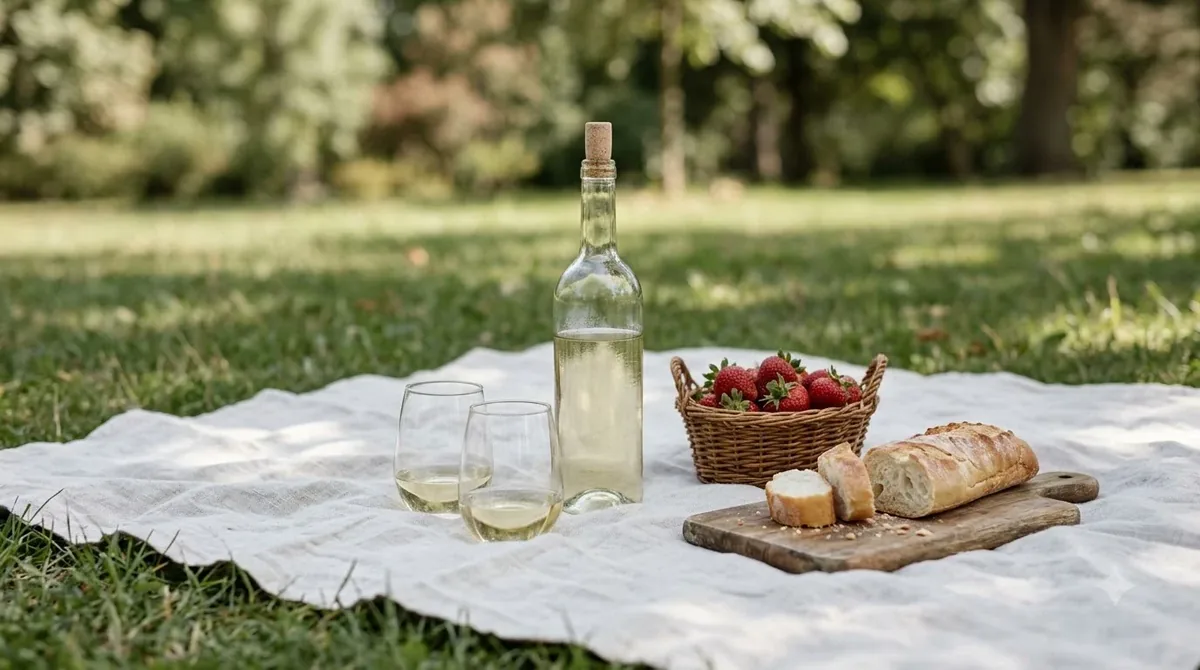
Match dish weight and flavor to the wine. Tormaresca’s ripe reds suit grilled or roasted foods, while Chardonnay and rosato work with poultry, vegetables, and seafood.
Primitivo pairs with grilled lamb, pork ribs, sausages, meatballs, and pasta with tomato-and-meat sauce. Its ripe fruit meets smoky flavors, while medium tannin works with protein and fat. Try Torcicoda with lamb chops or ragù, and Neprica Primitivo with sausage pizza; aged pecorino can soften the tannin.
Negroamaro suits tomato-based cooking, grilled vegetables, roast pork, and dishes seasoned with oregano, rosemary, or black pepper. Pair Masseria Maìme with braised short ribs, steak, lamb shoulder, or mushrooms with herbs. Avoid oily fish with tannic reds, which can taste metallic or harsh.
Chardonnay Puglia IGT works with roast chicken, grilled shrimp, baked white fish, mushroom risotto, and light cream pasta. Its medium acidity suits lemon and herbs, but very sharp vinaigrettes can overwhelm it. Calafuria rosato pairs with seafood salads, prawns, tomato bruschetta, vegetable antipasti, and charcuterie. Keep one rule in mind: wine should not be sweeter than the dish. Acidic food needs equal or higher wine acidity, while salt and fat soften tannin. Chili heat amplifies alcohol and tannin, so choose rosato or white with very spicy food rather than powerful Primitivo. For a table with several dishes, serve the rosato first, then move to Chardonnay or a lighter red before opening a structured bottle such as Torcicoda.
Serving Temperature, Glassware, and Storage
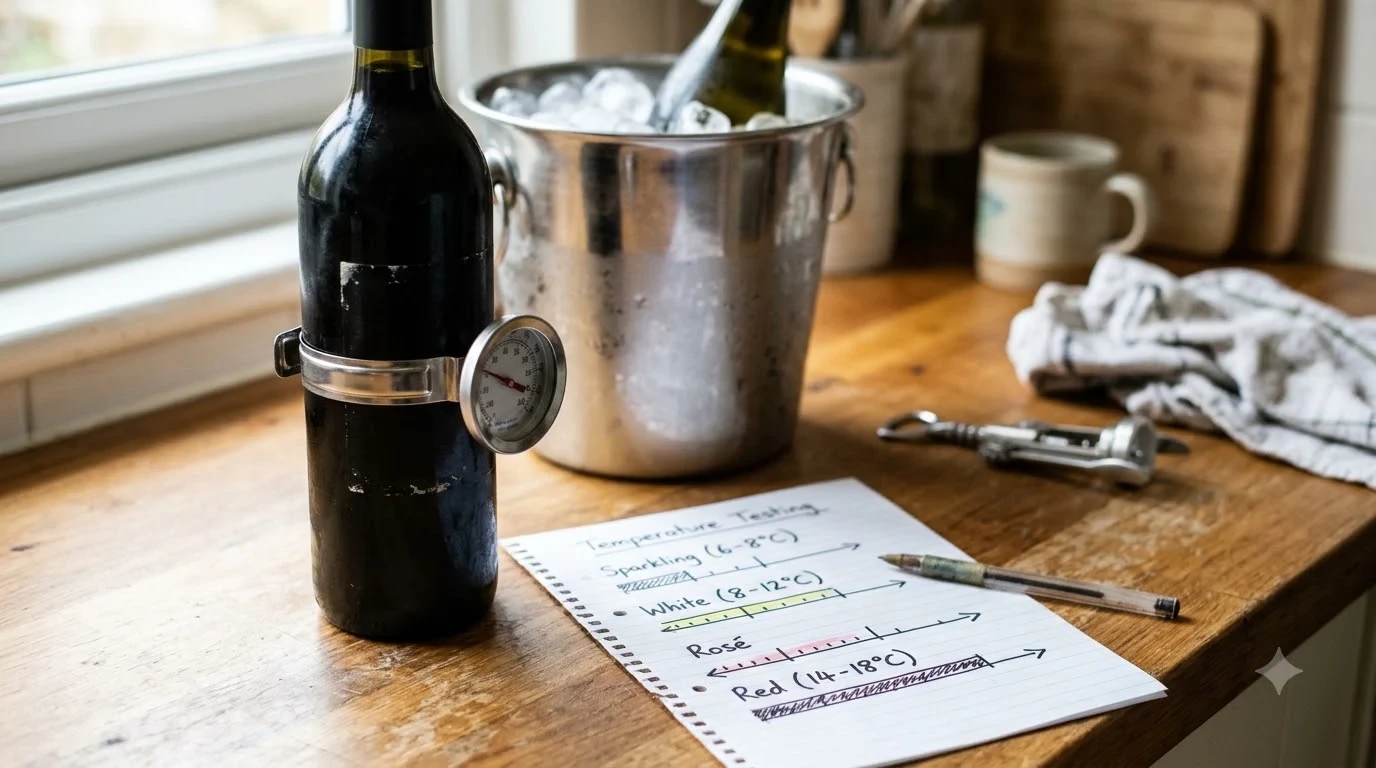
Serving temperature matters, especially for full-bodied Primitivo and fresh rosato. Chilling sharpens the white and pink wines, while a red served too warm can seem alcoholic and heavy.
Serve Chardonnay and Calafuria at 45–50 °F to keep fruit lively. Lighter reds suit 55–60 °F, while Torcicoda, Masseria Maìme, and Carrubo are better around 60–65 °F. When the room is warmer, a brief refrigerator chill can prevent ripe reds from seeming too hot.
Use a glass with room to swirl for reds and a medium white-wine glass for Chardonnay and rosato. Pour about 5 ounces; a 750 ml bottle yields roughly five glasses. Young, full-bodied reds may benefit from 30–60 minutes in a decanter, while older bottles need gentler aeration.
Tip: Chill Chardonnay and Calafuria in the refrigerator, then take them out shortly before serving. For a full-bodied red, aim for 60–65 °F rather than a warm room temperature; a brief chill is easier than trying to cool the wine after it is poured.
Store unopened bottles on their sides in a dark place near 55 °F, away from sunlight and temperature swings. Refrigerate opened still wines and finish them within about 3–5 days, resealing between pours; let red wine warm in the glass before serving. If you do not expect to finish a bottle quickly, transfer the remaining wine to a smaller airtight container to reduce the amount of air in contact with it.
Frequently Asked Questions
These answers cover a few details that are easy to miss when comparing Tormaresca labels. They also point to wines and cellar experiences beyond the best-known Primitivo and Negroamaro bottlings.
Does Tormaresca make a Fiano wine?
Yes. The producer lists Roycello as a Fiano IGT Salento and describes it as its Apulian interpretation of Fiano. It is a useful option for someone who wants to explore a local white grape rather than choosing Chardonnay.
Is there a Tormaresca red wine intended to be served chilled?
Yes. The winery describes Fichimori Rosso IGT Salento as the only red wine in its range meant to be chilled. That makes it distinct from the fuller reds, which are generally served closer to cool room temperature.
How is Calafuria rosato fermented?
The producer says the must is chilled in temperature-controlled stainless-steel vats at 12 °C (54 °F) to encourage natural clarification. Fermentation then takes place at 16 °C (61 °F), and the wine spends a short period aging on its lees in stainless steel before bottling.
Does Tormaresca make more than one rosé?
Yes. Its wine list includes Calafuria Rosato IGT Salento, Furia Rosato IGT Salento, and Neprica Rosé IGT Puglia. The labels represent different wines in the range, so rosé is not limited to Calafuria.
Can visitors book a visit at a Tormaresca estate?
The Tormaresca and Antinori websites provide a booking route for Tenuta Bocca di Lupo in the Castel del Monte area. Check the producer’s current visitor information before making travel plans, since access and tour arrangements can change.
Tormaresca is a strong introduction to Puglia because its wines show how much variety can come from one southern Italian region. Start with Neprica for an accessible red, Calafuria for a fresh rosato, or Chardonnay for a white, then move to Torcicoda or Masseria Maìme when you want a more structured bottle. Let the grape, appellation, food, and serving temperature guide the choice.
More in Wine Brands
 Underwood Wine Price: Compare Bottles, Cans, and Pack SizesUpdated Nov 21, 2026
 Zenato Wine Price: Compare Styles and Choose the Right BottleUpdated Nov 21, 2026
 Zuccardi Wine Price: Compare Bottles and Find the Right RangeUpdated Nov 21, 2026
 Yellow Tail Moscato Review: Taste, Sweetness and Serving TipsUpdated Nov 21, 2026
 Wolf Blass Yellow Label Review: Choose Your Best StyleUpdated Nov 21, 2026
 Wolffer Estate Rose Review: Choose the Right Bottle for Your TableUpdated Nov 21, 2026