

We may earn a commission when you buy through links on this page, at no extra cost to you. Learn more.
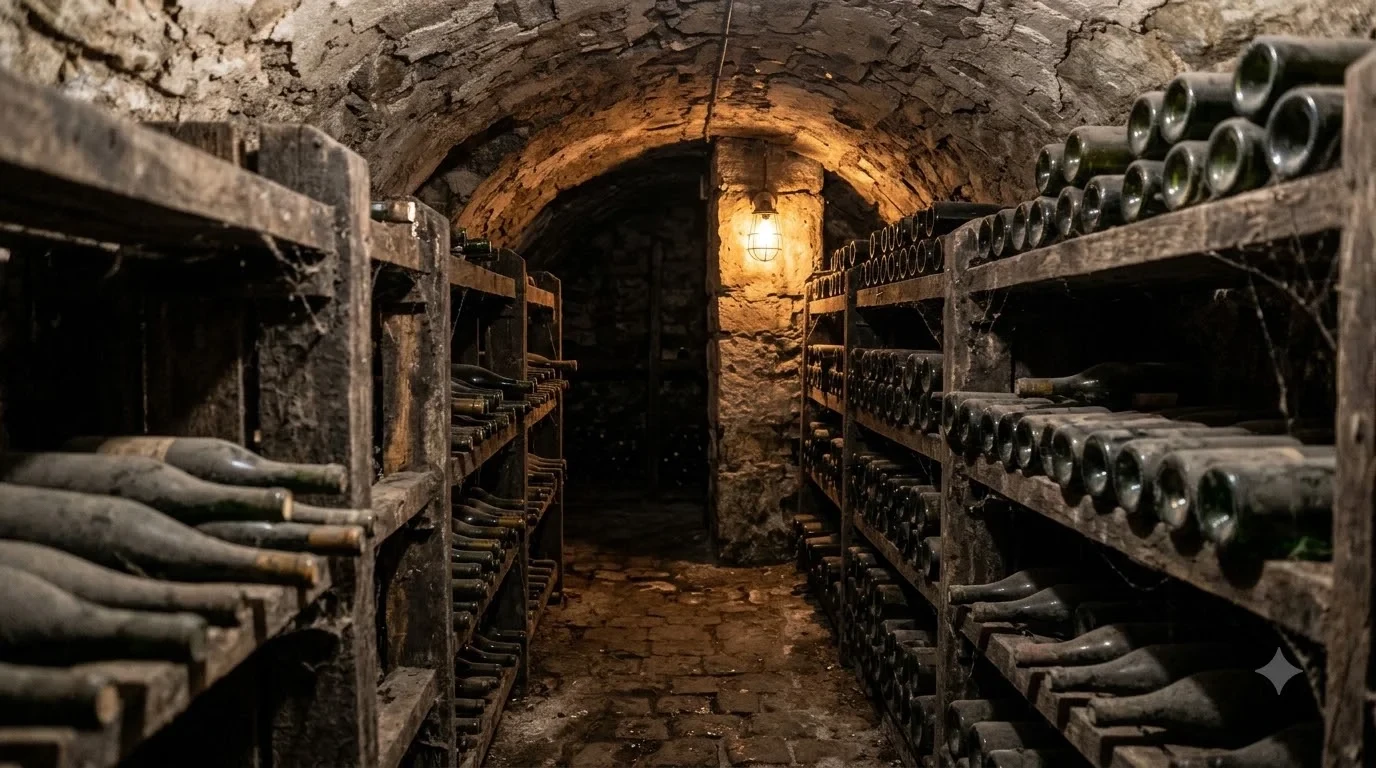
What is a wine cellar? It is a dedicated, climate-controlled storage room or underground space designed to protect wine from heat, light, vibration, and rapid temperature swings while it ages. For reliable short-term holding and long-term maturation, the ideal environment stays around 55°F (13°C) with 55% to 75% relative humidity in total darkness. Whether built passively below ground or cooled by an active refrigeration unit, a proper cellar keeps natural corks moist and allows complex red, white, and sparkling wines to develop smoothly over years or decades.
Wine is a perishable agricultural product that continues to evolve chemically inside the bottle long after harvest and fermentation. Understanding how a cellar regulates temperature, moisture, and light helps collectors preserve freshness, prevent premature oxidation, and decide whether a dedicated room, a compressor wine cabinet, or off-site storage fits their collection best.
What a Wine Cellar Does and Why Conditions Matter
A wine cellar functions as a protective buffer between bottled wine and the environmental fluctuations of a typical home. Left in a warm kitchen, sunny dining room, or uninsulated closet, wine ages prematurely and loses its vibrant fruit character.
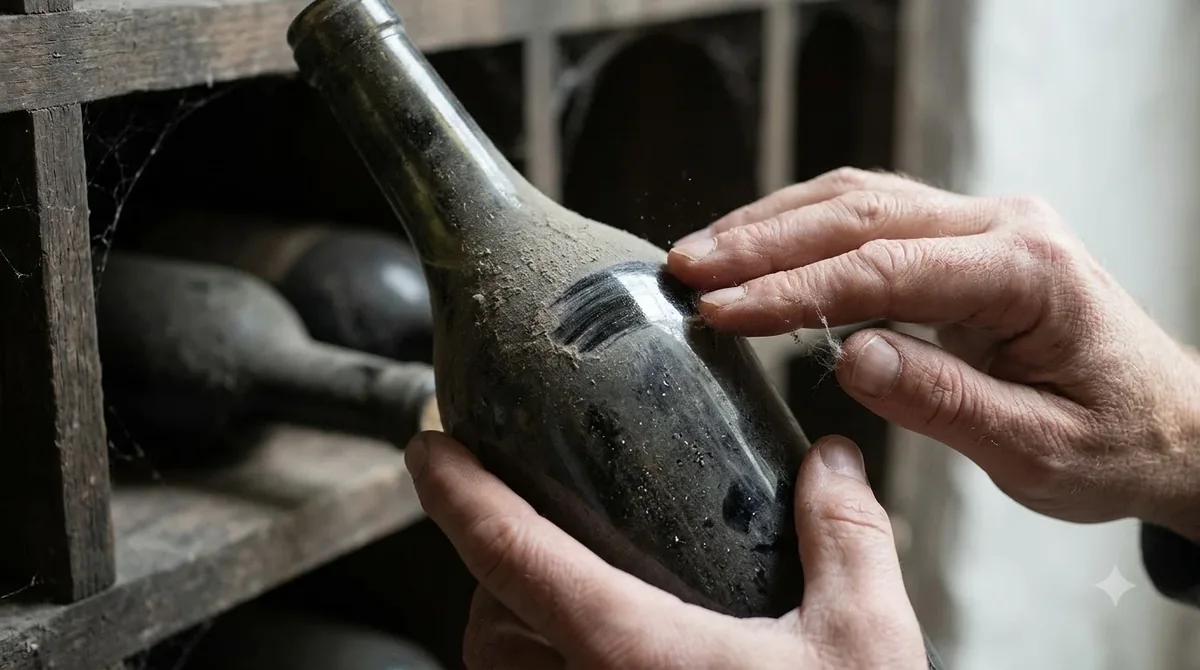
Temperature stability is the single most critical factor inside any storage space. According to Wine Folly’s storage temperature guide, research conducted in Northern Italy demonstrated that wine stored at standard room temperature ages roughly four times faster than bottles kept in cool cellar conditions, while also developing chemical markers linked to wine faults. When room temperatures climb above 70°F (21°C), subtle aromatics flatten out, and sustained heat near 80°F (27°C) can damage a bottle within months.
Rapid temperature swings are just as harmful as steady warmth. When a room warms up during the day and cools down at night, the liquid inside the bottle expands and contracts against the closure. Over repeated cycles, this mechanical pressure forces air past the cork, leading to oxidation that turns bright wines flat, brownish, and nutty. Maintaining a steady climate around 55°F (13°C) ensures that chemical maturation proceeds slowly and evenly, which is essential if you want to understand what vintage in wine means when tasting older releases.
Humidity, darkness, and stillness complete the protective environment. Relative humidity between 55% and 75% prevents natural corks from drying out and shrinking, whereas excessive dampness above that range encourages mold growth and loosens paper labels. Ultraviolet rays from sunlight and fluorescent bulbs can trigger light-strike, creating unpleasant sulfur-like aromas, while constant vibration from household appliances disturbs fine sediment in older bottles.
Active vs. Passive Wine Cellars
Wine cellars fall into two main categories depending on how they maintain their internal climate: passive cellars rely on natural earth insulation, while active cellars use mechanical cooling and vapor barriers. Choosing between them depends heavily on local climate, home construction, and budget.
| Feature | Passive Wine Cellar | Active Wine Cellar |
|---|---|---|
| Cooling Method | Natural underground earth insulation | Dedicated wine cellar cooling unit and insulation |
| Ideal Location | Deep basement or underground stone cave in temperate regions | Converted closet, spare room, garage, or modern basement |
| Temperature Control | Gradual seasonal drift within a safe range (roughly 50°F to 60°F) | Precise thermostat set around 55°F (13°C) year-round |
| Humidity Management | Naturally damp earth or gravel floor | Vapor barrier plus passive or active humidification |
| Operating Cost | Zero electricity required; unaffected by power outages | Ongoing electricity for cooling and periodic maintenance |
Passive wine cellars represent the traditional approach used for centuries in European wine regions. Built deep underground into limestone, chalk, or soil, these spaces draw on the thermal mass of the earth to stay naturally cool and damp throughout the year. Historical records show that large underground wine storage rooms date back more than 3,700 years, and historic estates still rely on subterranean caves because thick stone walls buffer seasonal extremes without mechanical intervention.
In modern North American homes, however, true passive cellars are rare. Heated basements, concrete foundations, and wide seasonal swings between summer heat and winter cold usually push indoor spaces outside the safe 50°F to 57°F (10°C to 14°C) aging zone. An active wine cellar solves this problem by sealing an insulated room with a vapor barrier, exterior-grade weather-stripped doors, and a specialized refrigeration unit built specifically to hold cellar temperatures without stripping moisture from the air.
Core Standards for Proper Wine Storage
Every functional cellar—from a converted hall closet to a custom subterranean room—relies on the same five environmental benchmarks. Hitting these targets protects both everyday bottles and age-worthy collectibles.
First, aim for a consistent temperature between 52°F and 59°F (11°C to 15°C), with 55°F (13°C) serving as the widely accepted benchmark for red, white, rosé, and sparkling wines alike. Note that storage temperature differs from serving temperature: white and sparkling wines stored at 55°F will still need time in an ice bucket or kitchen refrigerator before pouring, while full-bodied reds benefit from warming slightly in the glass.
Second, keep relative humidity centered around 65% to 70%, and store all cork-finished bottles horizontally on their sides. Horizontal racking keeps liquid in constant contact with the interior face of the cork so it stays swollen and airtight. Bottles sealed with screw caps or glass stoppers do not require horizontal contact to stay sealed, though laying them flat remains the most space-efficient way to stack cases and racks. If you are exploring broader cellar habits alongside Wine Q&A topics, checking a digital hygrometer once a week is one of the easiest ways to catch drift early.
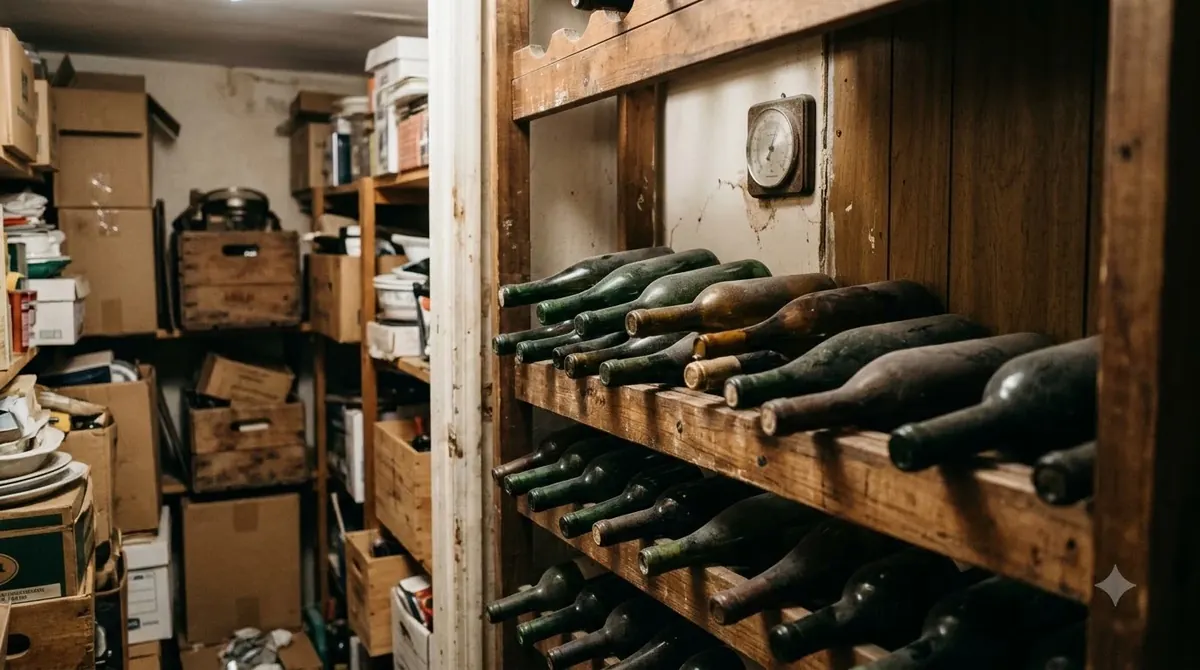
Third, eliminate direct UV exposure and mechanical vibration. Recessed LED lighting emits negligible heat and zero ultraviolet radiation, making it far safer than incandescent or fluorescent fixtures. Finally, keep strong-smelling items—such as paint cans, cleaning solvents, cardboard boxes, or root vegetables—out of the cellar, because volatile odors can slowly permeate natural corks over multi-year storage.
Tip: Never use a standard kitchen refrigerator for long-term wine aging. Kitchen fridges run too cold (around 37°F to 40°F) and actively remove moisture from the air, which dries out corks over time and transfers food odors into your bottles.
What Wines Actually Benefit from Cellaring?
Most wine sold in the United States is crafted for immediate enjoyment within one to two years of release, and extended cellaring will actually flatten its fresh fruit flavors. Only a small percentage of wines possess the structural balance required to improve over five, ten, or twenty years.
Four structural components determine whether a bottle can age gracefully: acidity, tannins, residual sugar, and balanced alcohol. High natural acidity acts as a preservative that keeps white and red wines crisp and lively over time, which is why top German Riesling, white Burgundy, Champagne, and Chianti Classico age so reliably. In red wines such as Cabernet Sauvignon, Nebbiolo, Syrah, and Bordeaux blends, polyphenolic tannins bind together over time, softening astringency while unlocking savory notes of leather, dried fruit, and earth.
Sweet and fortified wines rank among the longest-lived bottles in any cellar because high sugar and alcohol levels naturally resist microbial spoilage and oxidation. Vintage Port, Madeira, Sauternes, and Tokaji Aszú can evolve for decades—and in the case of Madeira, more than a century—without losing vitality. Conversely, light-bodied whites, simple rosés, and low-tannin everyday reds are best enjoyed young rather than tucked away in the back of a rack, even when you are mindful of serving sizes or checking how many carbs in a glass of wine fit into your evening.
Alternatives to Building a Full Wine Cellar
You do not need a dedicated basement room to store wine properly. Collectors with modest spaces or smaller bottle counts have several reliable alternatives that replicate cellar conditions at a fraction of the footprint.
Compressor-driven wine refrigerators, often called wine cabinets, are the most popular residential alternative. Unlike thermoelectric coolers—which struggle when ambient room temperatures rise and tend to fluctuate too much for multi-year aging—compressor wine cabinets maintain steady temperatures near 55°F and hold dozens to several hundred bottles behind UV-tinted glass doors. Dual-zone cabinets even allow you to keep one section at cellar temperature for aging and another chilled for immediate white wine service.
Off-site professional wine storage facilities offer another strong option for serious collectors or apartment dwellers. These commercial warehouses maintain strict climate control, backup generators, inventory management, and insurance coverage, while also establishing documented provenance if you ever decide to auction or sell rare bottles later. As outlined in Wine Folly’s guide to organizing a wine cellar, pairing any storage setup with a simple grid numbering system—assigning letters to columns and numbers to rows—or a cellar tracking app makes it easy to locate bottles without disturbing neighboring racks.
Frequently Asked Questions
What is the ideal temperature and humidity for a wine cellar?
The ideal temperature for a wine cellar is 55°F (13°C), with a safe overall range between 52°F and 59°F (11°C to 15°C) as long as fluctuations remain minimal. Relative humidity should stay between 55% and 75%, with roughly 65% to 70% serving as the sweet spot to keep corks moist without encouraging mold on labels.
Do red and white wines need different wine cellar temperatures?
No, red, white, rosé, and sparkling wines all age best at the same storage temperature of around 55°F (13°C). Serving temperature is separate from storage temperature, so white and sparkling wines simply need to be chilled in an ice bucket or refrigerator shortly before opening.
Why do wine bottles have to be stored on their sides in a cellar?
Storing cork-sealed bottles horizontally keeps the wine pressed against the bottom of the cork so it stays moist and swollen against the glass neck. If a natural cork dries out and shrinks, oxygen enters the bottle and spoils the wine through premature oxidation, whereas screw-cap bottles can stand upright or lie flat.
Can I store wine in a regular basement or closet without cooling?
An uncooled basement or interior closet works for short-term storage of up to a year if it stays dark, quiet, and well below 70°F (21°C). However, if the space experiences seasonal temperature swings or warms up during summer, a compressor wine fridge or insulated active cellar is necessary for multi-year aging.
Whether you convert an underground basement, invest in a compressor wine cabinet, or rent space at a climate-controlled facility, a wine cellar protects every bottle from heat, light, and oxygen. By keeping temperatures steady near 55°F and organizing your racks by drinking window, you can enjoy every wine at its peak expression.
More in Wine Basics
 Which Rose Is Best for Your Taste, Budget, and Food PairingsUpdated Nov 21, 2026
 Is Cheap Wine Bad? How to Find Bottles Worth DrinkingUpdated Nov 21, 2026
 What To Write On A Wine Gift Tag: Thoughtful Messages For Every OccasionUpdated Nov 21, 2026
 Which Wine Is Best For Weight Loss? Compare Lower-Calorie ChoicesUpdated Nov 21, 2026
 What Is The Best Wine For Mimosas? Choose Bubbly That Balances Orange JuiceUpdated Nov 20, 2026
 Which Prosecco Is Best for Your Taste and OccasionUpdated Nov 20, 2026