

We may earn a commission when you buy through links on this page, at no extra cost to you. Learn more.
What is vintage in wine? It is the year the grapes were harvested, and that year is usually printed on the bottle. A bottle labeled with a 2019 vintage was made mostly from grapes picked in 2019. That single year tells you when the fruit ripened, which shapes flavor, structure and how long the wine may age.
Knowing what is vintage in wine helps you read a label with confidence, even if you are buying your first bottle. This guide explains what the date means, why the harvest year matters, and how to use vintage information when you shop. You do not need to be an expert, but a few simple rules make the number far more useful.
What Does Vintage Mean on a Wine Label?
The vintage is the year printed on the bottle that matches the harvest. Federal labeling rules in the United States treat the vintage date as the year the grapes were picked, not the year the bottle was filled or sold. Winemakers often bottle a wine one or two years after harvest, so the date on the label can be older than the bottle on the shelf.
According to the federal Anatomy of a Wine Label tool from the TTB, a vintage date can only appear on grape wines, and the label must also show an appellation of origin on the brand label. That rule helps you connect the year with a specific place. If you do not see a year, the wine is usually a non-vintage blend.
The year on the label is a promise about the harvest, not a promise about quality. Two wines with the same year can differ widely because of the producer, the vineyard site and the winemaking choices. Read the year together with the region, the grape and the producer name to get the full picture.
Why the Harvest Year Matters for Taste
The weather in a given year shapes how ripe the grapes become. Ripe fruit usually gives riper flavors, softer tannins and a fuller body. Cooler or wetter years can produce wines with more acidity and lighter fruit. Two bottles from the same producer can taste noticeably different if they come from different harvests.
Vintage also affects aging. Wines with strong structure, such as firm tannins and good acidity, often change more slowly and may improve for years. Wines made to be drunk young usually show their best character soon after release. Checking the vintage tells you whether a bottle is likely to be at its peak or still developing.
For a beginner, the easiest way to think about it is this: the year tells you the season, and the season tells you something about the grapes. A warm, sunny year often means ripe fruit and rounder flavors. A cooler year may produce a leaner, brighter style. You will learn these differences faster by tasting several years of the same wine side by side.
How Weather Shapes a Vintage
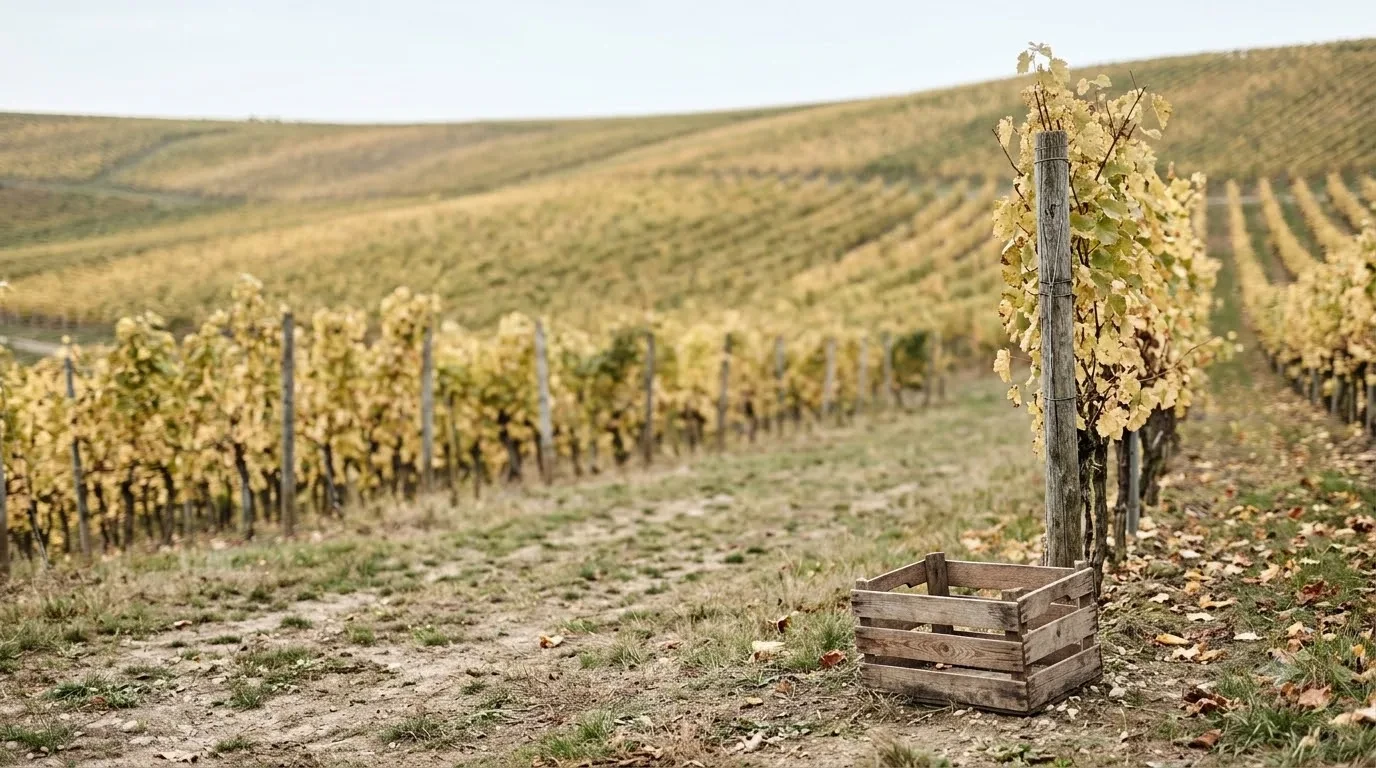
Weather during the growing season has a large effect on a vintage. Warmth helps grapes ripen, while rain at harvest can dilute juice or encourage rot. Growers manage vines with pruning, canopy work and irrigation, but the season itself still sets the baseline.
Wine references describe the vintage as especially important in cooler regions, where a warm season can make the difference between ripe and underripe fruit. In warmer, more uniform regions, growers often use irrigation and careful farming to keep quality consistent, so the vintage matters less. Remember that a good year does not guarantee a good bottle, and a difficult year can still produce a pleasant wine.
Growers also watch the weather in the weeks before picking. Sudden rain, heat spikes or early frost can change the timing of the harvest. Picking early or late is a decision that winemakers make to balance sugar, acidity and flavor. That is one reason two growers in the same region can end up with different results from the same season.
Vintage vs. Non-Vintage Wine
A vintage wine comes from grapes grown and harvested in one specified year. A non-vintage wine, often marked NV on wine lists, is usually a blend of grapes from more than one year. Winemakers use blending to keep the same house style from year to year, which is common with many sparkling wines and budget bottles.
Neither category is automatically better. A non-vintage wine can be fresh, consistent and very enjoyable. A vintage wine gives you a clearer picture of one season, which is why collectors and enthusiasts often pay attention to it. For everyday drinking, the vintage date is simply one more detail to read.
Consistency is the main advantage of non-vintage wine. If you like a particular bottle, a non-vintage version from the same house will usually taste similar next year. A vintage wine can surprise you, for better or worse, because each harvest has its own character.
Which Wines Are Best Judged by Vintage?
Some wines reward attention to the vintage more than others. Fine red wines from cool or variable regions, and wines designed to age, show the biggest differences between years. Vintage port is a clear example: producers declare a vintage only in their best years, and that year is printed on the bottle.
Wines made to be drunk young are less dependent on the year. Light, fruity styles are usually best within a short window after release, so a recent vintage is generally the better choice. Check the producer’s notes or the label for drinking suggestions before you decide whether the year matters for your bottle.
Beaujolais nouveau is a good example of a wine that is meant to be consumed soon after bottling. Checking the vintage protects you from buying an older bottle of a style that is not expected to improve. For wines like that, a fresh vintage is the sensible choice.
How to Read Vintage Charts
A vintage chart is a table that rates the quality of each year for a region or style. Charts are popular with collectors, but they are not a guarantee. Critics have argued for decades about how useful they are. Blind tasting studies have found that tasters often could not reliably tell good years from weaker ones, except in some Bordeaux wines.
Use a chart as a rough guide. Look for the region and year on the chart, then read the notes about the style. A weaker year can still offer good value, since prices often reflect reputation more than what is in the glass. Check the label, the producer and reviews from trusted critics before you spend a lot on one vintage.
Charts also differ from one source to another. One critic may rate a year highly while another rates it lower, so compare at least two sources. Treat the chart as a starting point for questions, such as whether a producer had a strong year, rather than as a final verdict.
Storing and Aging Vintage Bottles
Storage matters most for wines meant to age. Keep bottles in a cool, dark place with a steady temperature. Avoid heat, strong light and large temperature swings, since these can age a wine too quickly. Lay bottles on their sides if they have natural corks, so the cork stays moist.
Most everyday wines do not need long storage. Buy them, store them in a cool spot, and drink them within a reasonable time. For bottles you plan to keep, read the producer’s guidance or the back label, and check a trusted reference before opening. Wines can decline after their peak, so timing matters.
A simple home setup is often enough for short-term storage. Keep bottles away from appliances that give off heat, such as the top of a refrigerator, and avoid garages or sunny windows. If you plan to keep wine for years, a dedicated wine fridge or cellar gives you more control over temperature.
Tip: When you buy your first bottle, look at the vintage and the appellation together. The year tells you the season, and the region tells you where the grapes grew.
Frequently Asked Questions
Does the vintage year mean the wine is old?
Not necessarily. The vintage is the harvest year, and wine is often bottled and released one or two years later. A 2023 vintage may be sold in 2024 or 2025, and many wines are meant to be enjoyed soon after release.
Is a vintage wine always better than a non-vintage wine?
No. Vintage wines reflect one growing season, while non-vintage wines are blends designed for consistency. Quality depends on the producer, the style and your taste. Either type can be a good choice for everyday drinking.
Where do I find the vintage on a bottle?
The vintage is usually printed on the front label, often near the producer name or the wine type. If you do not see a year, the wine is probably non-vintage. Check the label carefully before you buy.
Should I avoid wines from a weak vintage?
Not always. A weak year can mean lower prices for a good producer, and many wines are made to drink young. Use a vintage chart as a guide, but also consider the producer, the style and your own preferences.
Understanding vintage gives you a useful starting point when you read a wine label. For more background on wine terms, browse the Wine Glossary, and if you want to know how a single year relates to the grape itself, see what is a vintage. Enjoy the process of comparing years as you build your collection.
More in Wine Basics
 Which Rose Is Best for Your Taste, Budget, and Food PairingsUpdated Nov 21, 2026
 Is Cheap Wine Bad? How to Find Bottles Worth DrinkingUpdated Nov 21, 2026
 What To Write On A Wine Gift Tag: Thoughtful Messages For Every OccasionUpdated Nov 21, 2026
 Which Wine Is Best For Weight Loss? Compare Lower-Calorie ChoicesUpdated Nov 21, 2026
 What Is The Best Wine For Mimosas? Choose Bubbly That Balances Orange JuiceUpdated Nov 20, 2026
 Which Prosecco Is Best for Your Taste and OccasionUpdated Nov 20, 2026