

We may earn a commission when you buy through links on this page, at no extra cost to you. Learn more.
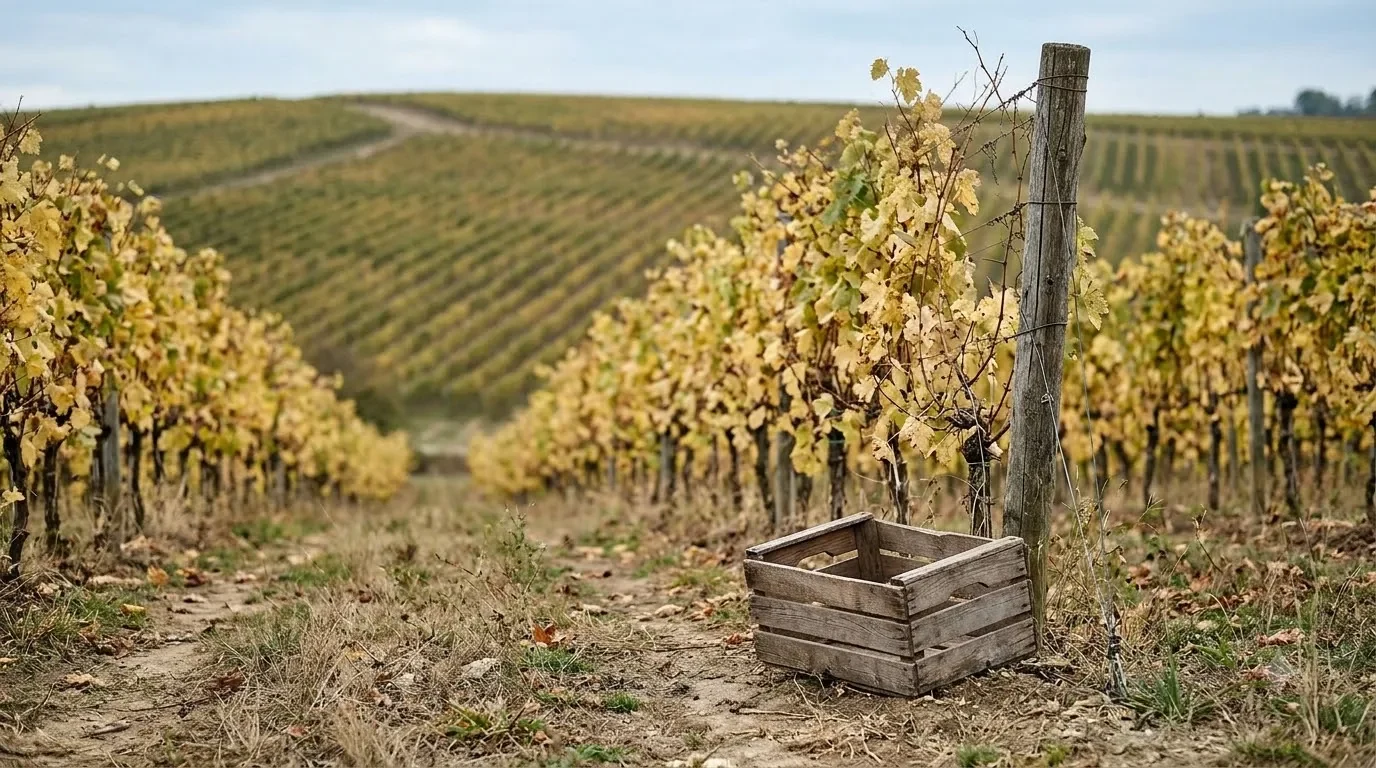
When you ask what is a vintage, the short answer is the year the grapes used to make a wine were harvested. When a bottle says 2019 on the label, that date tells you when the fruit was picked, not when the wine was bottled. Rules in the United States require most of the grapes to come from that single harvest year.
This guide explains what a vintage means, where you will find it on a bottle, and why the harvest year can shape flavor. You will also learn when the year matters, when it matters less, and how to use it when you pick a bottle.
What Is a Vintage in Wine?
A vintage is the calendar year in which grapes were picked for a wine. Winemaking is seasonal, so the harvest happens once a year in most regions. A vintage wine is one made mainly from grapes gathered in that specified year. The word comes from an old French term for the wine harvest, which shows how closely the idea is tied to the fall picking season.
Be aware that people use the word loosely. Many shoppers call any older or premium bottle a vintage wine, but that is not the strict meaning. In the technical sense, the word simply points to the harvest year printed on the label.
Where the Vintage Year Appears on a Label
The vintage year usually sits on the front label, often near the brand name or the wine type. Look for a four-digit year. If you see a year and no vintage statement, check the back label or the producer’s website for more detail.
In the United States, the Alcohol and Tobacco Tax and Trade Bureau explains that a vintage date must be accompanied by an appellation of origin on the brand label. The appellation names the place the grapes came from, such as a state, a county, or a named American Viticultural Area. For a detailed walk through each label element, the TTB guide to the anatomy of a wine label shows where each required item should appear.
Why the Harvest Year Affects Taste
Weather during the growing season shapes how grapes ripen. Sugar, acid, and flavor compounds build up at different rates depending on sunshine, temperature, and rainfall. Two bottles from the same vineyard can taste noticeably different when the harvest years differ.
The Wikipedia article on vintage notes that in cooler wine regions, a warm season can produce riper grapes and better wine. A poor season can leave grapes with higher acid and lower sugar, which affects the finished wine. Use this as a general pattern, and expect exceptions from skilled winemakers who adjust their methods each year.
Weather, Growing Seasons, and Good vs. Bad Years
Some regions produce wines that vary a lot from year to year, while others are very consistent. Cool climates near the limits of wine production often show the biggest swings. Warm, dry regions that use controlled irrigation tend to produce more uniform harvests.
Vintage charts rate years as good or poor for a region. These charts are popular, but experts disagree on how much they matter. The same Wikipedia source reports that some critics argue even average years can produce excellent wine. Treat a chart as one clue, not a final verdict.
| Region type | How much the vintage tends to vary | What it means for you |
|---|---|---|
| Cool-climate regions near the limits of grape growing | Often large swings between seasons | Check the year more carefully |
| Warm, irrigated regions | Usually more uniform seasons | The year matters less for most bottles |
| Regions with traditional vintage charts | Years are rated by quality | Use the chart as a guide, not a rule |
Tip: If you are unsure about a region’s weather history, a local wine shop or the producer’s tasting notes can explain how a specific year turned out.
Vintage vs. Non-Vintage Wines
A non-vintage wine does not carry a harvest year. Producers often blend grapes from two or more years to keep the same style from bottle to bottle. You may see these listed as NV on wine lists. Many popular everyday wines, and most sparkling wines, are made this way.
Vintage-dated wines are usually made to show the character of one specific season. Neither type is better by default. A non-vintage bottle can be more consistent, while a vintage bottle can give you a window into one particular year.
Does an Older Vintage Mean Better Wine?
An older vintage is not automatically a better wine. Most wines are made to be drunk young and fresh. Only some wines improve with bottle age, and those are usually structured reds and certain premium whites. A young, fruity wine can lose its appeal after many years in the cellar.
Vintage matters most when a wine is built to age. Ask the seller or check the producer’s notes about how long a bottle should rest. A recent vintage of a light, fresh wine is often the better choice if you plan to drink it soon.
How to Choose a Wine by Vintage
Start with your plans. If you want a bottle for tonight, choose a recent vintage that the producer describes as ready to drink. If you are buying for a special occasion or a cellar, research how the style ages before you pay attention to the year.
- Decide whether you want a wine to drink now or to keep.
- Check the style. Light whites and rosés are usually best young.
- Look up the region’s reputation for the year if the wine is meant to age.
- Compare two or three vintages of the same producer if you want to see how the year changed the taste.
If you are still learning the basics, the what is vintage in wine guide adds more background on how the term is used by producers.
Storing Wines by Vintage
Storage affects older vintages more than younger ones. Heat, light, and vibration can damage a wine over time. Keep bottles in a cool, dark place with steady temperature, and store them on their sides if they have corks so the cork stays moist.
Keep a simple record of the vintage, producer, and the date you bought each bottle. That habit helps you drink wines at their best window and avoid opening a bottle that has passed its peak. Check the producer’s guidance for any bottle you plan to keep for many years.
Frequently Asked Questions
What does the vintage year on a wine label mean?
The vintage year is the year the grapes were harvested. It does not tell you when the wine was bottled. A wine with a vintage date should have most of its grapes from that single year.
Does a wine need a vintage date to be good?
No. Many good wines are non-vintage and blend grapes from several years for a consistent style. Vintage dates are useful information, but they do not guarantee quality on their own.
Is a newer vintage always fresher?
Usually a newer vintage is fresher, especially for light, fruity wines meant to be drunk young. Some wines need years of bottle age before they taste their best, so check the style first.
Where can I find the vintage on a bottle?
Look on the front label, often near the brand name or wine type. If the year is missing, check the back label or the producer’s website. Remember that the year refers to the harvest, not the bottling date.
Knowing what a vintage means helps you read a label with confidence. Use the harvest year as one clue alongside the style and the producer’s guidance. For more background, browse the Wine Q&A section, or read about whether you can mix red and white wine when you are planning a tasting or a meal.
More in Wine Basics
 Which Rose Is Best for Your Taste, Budget, and Food PairingsUpdated Nov 21, 2026
 Is Cheap Wine Bad? How to Find Bottles Worth DrinkingUpdated Nov 21, 2026
 What To Write On A Wine Gift Tag: Thoughtful Messages For Every OccasionUpdated Nov 21, 2026
 Which Wine Is Best For Weight Loss? Compare Lower-Calorie ChoicesUpdated Nov 21, 2026
 What Is The Best Wine For Mimosas? Choose Bubbly That Balances Orange JuiceUpdated Nov 20, 2026
 Which Prosecco Is Best for Your Taste and OccasionUpdated Nov 20, 2026