

We may earn a commission when you buy through links on this page, at no extra cost to you. Learn more.
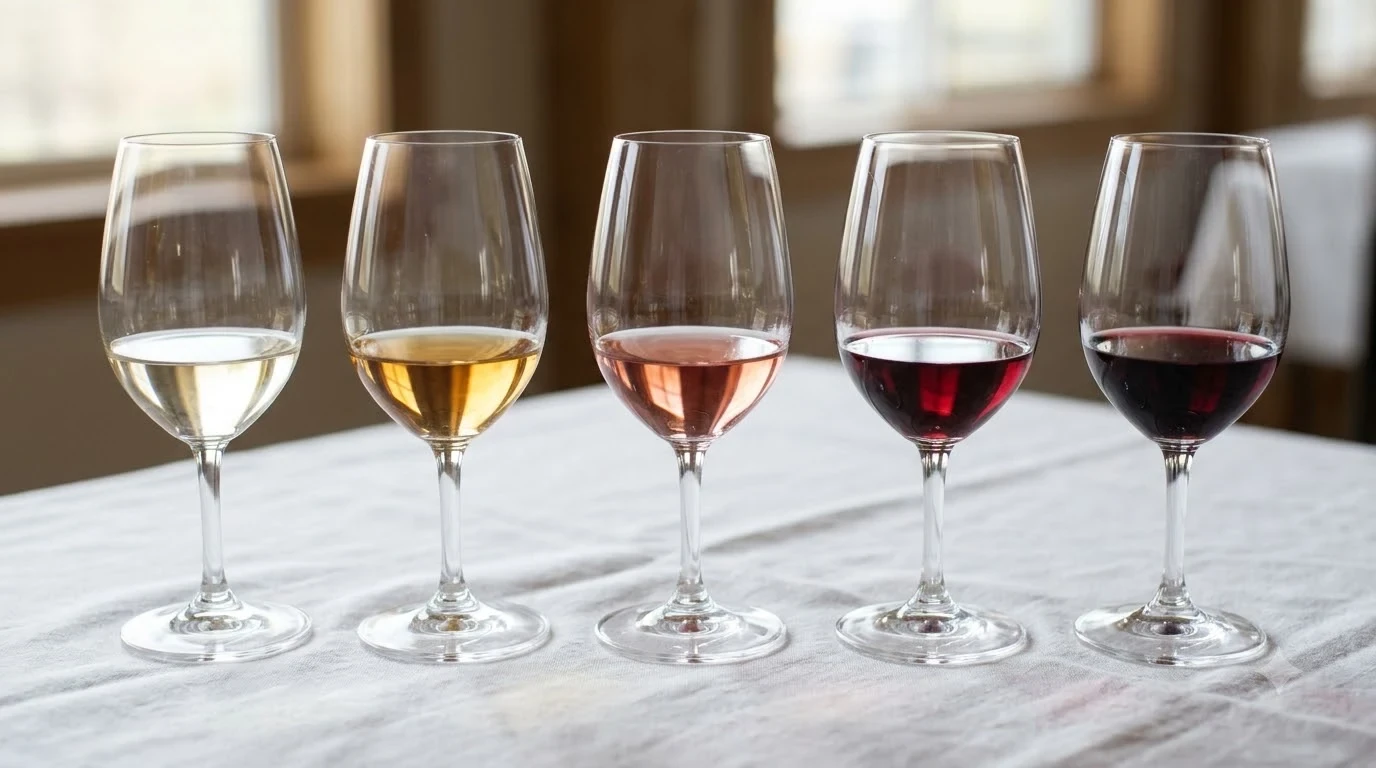
What is acidity in wine? It is the fresh, mouthwatering quality that gives wine lift, crispness, and structure. It comes mainly from natural grape acids and is shaped by climate, harvest timing, and winemaking. In the glass, acidity can make a wine feel zesty and energetic or, when too low, soft and flat.
Acidity is one of the main elements that determines whether a wine feels balanced. Learning to recognize it makes wine descriptions easier to understand, helps explain why a Sauvignon Blanc tastes different from an oak-aged Chardonnay, and gives you a practical starting point for pairing wine with food.
How Acidity Feels and Works in Wine
Acidity gives wine its crisp, mouthwatering sensation and keeps fruit, sweetness, alcohol, and tannin in balance. A high-acid Riesling can feel lively and refreshing, while a lower-acid Chardonnay may seem rounder and broader, even when both wines have ripe fruit flavors.
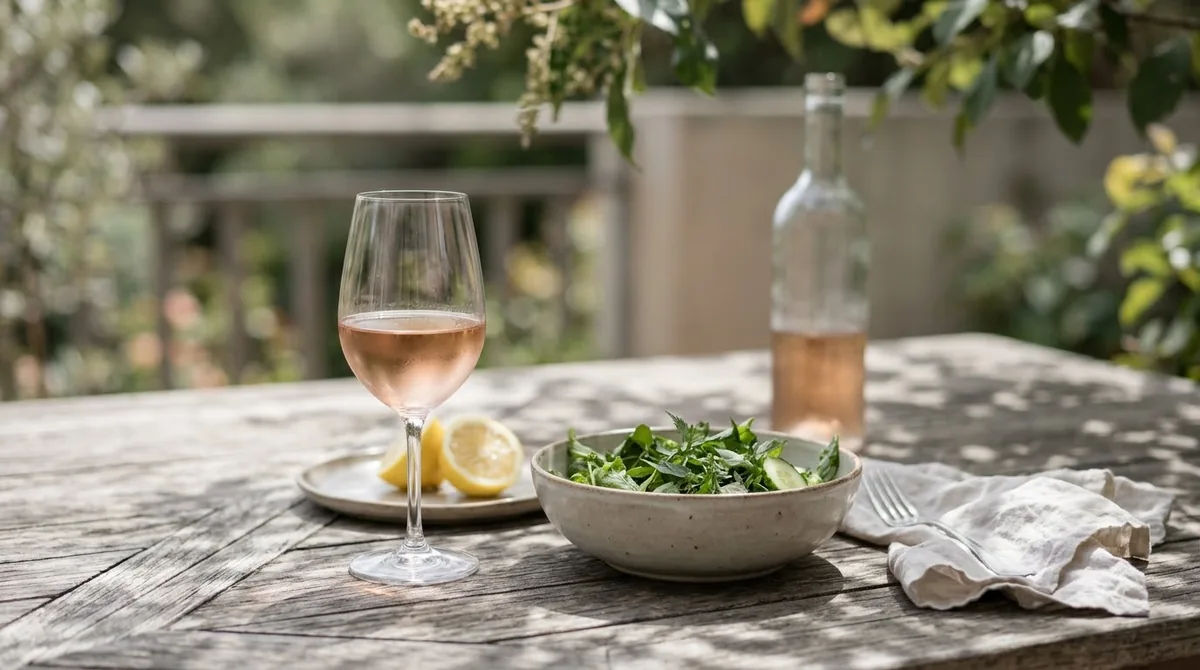
The simplest way to recognize acidity is to notice what happens after a sip. A wine with pronounced acidity usually makes saliva collect quickly, sometimes with a tingling or tart sensation along the sides of the tongue. The effect can linger after swallowing. WSET’s explanation of acidity in wine describes salivation as a useful tasting clue. A wine with lower acidity generally creates less salivation and can feel softer or rounder; this is a style distinction, not a quality score.
Acidity also shapes the way fruit tastes. Lemon, lime, grapefruit, green apple, and tart cherry are common flavor associations in wines with a bright acid profile. Those flavors are not acid measurements in themselves, because aroma and ripeness contribute to what you notice, but they can help you form a first impression. A crisp Albariño may suggest lime and citrus peel, for example, while a cool-climate Pinot Noir can show red cherry with a mouthwatering finish.
Acid is important beyond the first impression. It helps prevent sweetness from feeling heavy, gives sparkling wine a lively backbone, and contributes to freshness as some wines develop over time. Without enough acidity, a wine can seem broad or flabby; with too much for its fruit and sweetness, sourness can dominate. Acidity is not the same as bitterness, astringency, or alcoholic heat: tannin can dry the gums and cheeks, alcohol can warm the throat, and acidity is more likely to make the mouth water.
The Main Acids and the Difference Between pH and TA
Wine acidity begins with natural grape acids, especially tartaric and malic acid, while fermentation can create or transform other acids. Winemakers use two different measurements—pH and titratable acidity (TA)—because each describes a different part of the wine’s chemistry.
Tartaric acid is a major grape acid and a central part of wine’s structure. Malic acid is associated with firm, green-apple-like tartness. During malolactic fermentation, bacteria convert much of this sharper malic acid into softer lactic acid; smaller amounts of citric and succinic acid can also contribute.
TA measures the amount of acid that can be neutralized during a laboratory titration and is more closely connected to perceived sourness than pH. It is commonly reported in grams per liter as tartaric-acid equivalents, but sugar, alcohol, and fruit concentration also shape the impression in the glass.
What pH tells you
pH describes the strength of the free hydrogen ions in a solution, rather than the total amount of acid present. Wine Enthusiast’s acidity explainer gives a typical wine pH range of 3 to 4. A lower pH generally accompanies higher acidity, but the relationship is not exact: the Australian Wine Research Institute explains that two wines can have similar TA readings and different pH values because acids behave differently in each wine’s chemical environment.
| Liquid | Typical pH | How to read the number |
|---|---|---|
| Wine | 3–4 | Common range cited by Wine Enthusiast |
| White vinegar | About 2.5 | More acidic than typical wine |
| Milk | About 6.5 | Less acidic than wine |
| Pure water | 7 | Neutral on the pH scale |
The pH scale is logarithmic: a one-unit change represents a tenfold difference in hydrogen-ion concentration. This matters in the cellar because pH affects microbial stability, oxidation, wine color, and the effectiveness of sulfur dioxide. Neither pH nor TA ranks wines by quality; a lean dry white may need bright acidity, while sweetness can balance a rich dessert wine with substantial acid.
How Grapes, Climate, and Terroir Shape Acidity
Grape variety, growing conditions, and harvest decisions influence how much natural acidity remains in the fruit. Cool areas such as Chablis and Germany’s Mosel often produce wines with pronounced freshness, while warmer sites can retain acidity through altitude, cool nights, and careful picking.
As grapes ripen, sugar generally rises while malic acid declines. Warm temperatures accelerate the loss of malic acid, so grapes that hang through a long, hot ripening period can produce wines with softer acidity and higher alcohol potential. In cooler growing seasons, slower ripening often helps fruit retain more tartaric and malic acid. Harvest timing is therefore a balancing decision: picking earlier can preserve freshness, but picking too early may leave the fruit without the ripeness and flavor concentration the winemaker wants.
Variety offers useful clues, but no grape has one fixed acid level everywhere. Sauvignon Blanc, Riesling, Chenin Blanc, and Albariño are commonly high-acid whites; Chardonnay is usually medium in acidity and can feel sharper or creamier depending on climate and cellar choices. Among reds, Pinot Noir typically combines high acidity with low-to-medium tannin, while Sangiovese, Nebbiolo, and Gamay can also show vivid freshness.
Terroir includes local climate, site conditions, and human choices. Two wines from the same grape can differ if one vineyard has cooler nights, a longer growing season, or a different harvest date; this helps explain why Chablis Chardonnay can taste tauter than a ripe, warm-climate Chardonnay. For more on place and wine character, see what is terroir in wine. Climate is a guide, not a guarantee: high elevation and cool nights can preserve freshness in warm areas, while very ripe fruit can soften a wine from a cool region.
How Winemaking and Sweetness Change the Impression
Winemaking can preserve, soften, or adjust a wine’s natural acidity. Malolactic fermentation, acid additions, residual sugar, and alcohol all influence whether the finished wine tastes taut, creamy, sweet, or broad.
Malolactic fermentation changes the type of acid rather than simply removing all acidity. It converts sharper malic acid into softer lactic acid, often giving a wine a rounder texture. Many red wines undergo this process, and some Chardonnay producers use it to create a creamy style with buttery notes. Other Chardonnay makers limit or block it to retain a fresher, more citrus-led profile. The same grape can therefore produce markedly different sensations depending on the decisions made in the cellar.
In warmer growing areas, winemakers may add tartaric acid to grape juice or must if natural acidity has fallen too far. In a very cool season, they may use cellar techniques to reduce excess sharpness. The aim is balance among acidity, fruit, alcohol, tannin, and any remaining sugar, not a uniform taste across every bottle.
Sweetness can soften the impression of high acidity without removing the acid. A sweet Riesling can have enough freshness to keep its sugar from tasting sticky, while a dry Riesling with a similar acid profile feels more direct. Sauternes offers the same contrast. For dessert, choose a wine at least as sweet as the dish or the wine may taste thin and sour; high alcohol, by contrast, creates warmth rather than salivation, and serving a wine too warm can make it seem less fresh.
How to Pair Wine Acidity With Food
A useful pairing rule is to match the acidity of the wine to the acidity of the dish. Food with lemon, vinegar, or tomato can make a lower-acid wine seem dull, while a wine with equal or higher acidity is more likely to stay lively beside the meal.
Think about a plate of grilled fish finished with lemon. A crisp Sauvignon Blanc, Albariño, or dry Riesling can meet the citrus and keep its freshness, whereas a soft, low-acid white may seem flat after the first bite. Tomato sauce creates a similar challenge because its acidity can overwhelm a wine that lacks enough freshness. With tomato pasta, a bright Sangiovese or another lively red is often a more natural partner than a plush, low-acid wine.
Acidity also balances richness. The sharp line in sparkling wine or a high-acid white refreshes the palate between bites of butter, cream, and fried food. Champagne-style sparkling wine with fried chicken is one example; the bubbles and acidity contrast with the crisp, rich coating, much like lemon on fried seafood.
Do not confuse acidity with tannin when pairing red wine. Salt and fat soften tannin’s drying impression, which helps Cabernet Sauvignon work with fatty steak. Cabernet Sauvignon is typically high in tannin, Merlot is softer and medium in tannin, and Pinot Noir is usually lower in tannin with higher acidity. Oily fish can clash with strongly tannic reds, so a lighter white is often easier with salmon or sardines. Chili heat is a separate challenge: alcohol and tannin can amplify the burn, while a lower-alcohol wine with some sweetness and acidity can be more comfortable. The guide to how long does mulled wine last covers storage after preparation for a seasonal spiced-wine example.
How to Recognize and Choose the Right Level of Acidity
You can assess acidity with a small, repeatable tasting routine rather than a technical instrument. Compare a few familiar grapes, pay attention to salivation, and taste each wine at a suitable temperature to understand how freshness fits into its style.
Start with a sip of water, then taste a Sauvignon Blanc or Riesling and notice how quickly your mouth waters. Follow with Chardonnay and compare the intensity and length of that sensation; Pinot Noir shows how acidity works in a red, where fruit, alcohol, and tannin add complexity. Side-by-side tasting is more useful than assigning a number from memory after one bottle.
Serving temperature helps each style show its intended balance. Sparkling wine is generally served at 40–50°F, light whites and rosé at 45–50°F, and fuller-bodied whites at 50–55°F. Light reds often show well at 55–60°F, while fuller reds are commonly served at 60–65°F. Sweet whites are usually served at 43–50°F. These ranges are starting points rather than rigid rules; a very cold wine can hide aromas, while a warm one can lose its crisp impression.
Tip: Taste the wine before food, then take a bite of something acidic such as tomato or lemon-dressed greens and taste again. If the wine suddenly seems flat, choose a bottle with more acidity next time; if the wine still tastes fresh, the pairing is likely well matched.
When shopping, use grape and region as clues, not guarantees. Cool-site Sauvignon Blanc, Mosel Riesling, Chablis, and Albariño are useful starting points for more lift; ripe Chardonnay or wines that undergo malolactic fermentation can feel softer. The Wine Glossary can help decode terms such as “crisp,” “round,” “tart,” and “malolactic.” Remember that sweetness, body, and acidity are separate qualities: a wine can be sweet and high-acid, dry and full-bodied, or light-bodied with a tart finish.
Frequently Asked Questions
Are small crystals in a wine bottle a fault?
Usually not. The clear crystals are often tartrates, sometimes nicknamed “wine diamonds,” formed when tartaric acid combines with potassium and crystallizes in cold conditions. They are harmless and can dissolve again as the wine warms, although they may be caught by a decanter or left at the bottom of the bottle.
Is pH 3 twice as acidic as pH 4?
No. Because the pH scale is logarithmic, a one-unit drop represents a tenfold increase in hydrogen-ion concentration, not a twofold change. That is why small-looking pH differences matter in winemaking, even though pH alone cannot tell you exactly how sour a wine will taste.
Can you smell acidity in wine?
The acids themselves are odorless, so acidity is assessed mainly through taste and the mouth’s salivation response. Citrus or green-apple aromas may suggest a fresh style, but those aromas come from aromatic compounds rather than from the acid itself. Smell and palate work together, but they are not interchangeable measurements.
Do red wines contain lactic acid?
Yes. All wines contain tartaric acid from the grape juice, and all red wines plus many white wines also contain lactic acid formed from malic acid. The conversion commonly occurs during malolactic fermentation, which is one reason many reds feel softer than a sharply acidic white.
Why should a winery measure wine and juice at a consistent temperature?
Temperature can affect pH-meter readings, so the sample should be at the same temperature used when the instrument was calibrated. The Australian Wine Research Institute notes that measuring a sample at 10°C with a meter calibrated at 20°C can introduce an error. This is a cellar measurement issue rather than something a drinker needs to calculate at the table.
Acidity is the structure behind wine’s freshness: it shapes the finish, balances sweetness, and helps a bottle work with food. Once you learn to recognize mouthwatering freshness in Riesling, Sauvignon Blanc, Pinot Noir, and other styles, choosing a wine becomes a more informed decision rather than a guess. For a useful tasting exercise, compare a Mosel Riesling with a ripe Chardonnay and note how their finishes differ.
More in Wine Basics
 Which Rose Is Best for Your Taste, Budget, and Food PairingsUpdated Nov 21, 2026
 Is Cheap Wine Bad? How to Find Bottles Worth DrinkingUpdated Nov 21, 2026
 What To Write On A Wine Gift Tag: Thoughtful Messages For Every OccasionUpdated Nov 21, 2026
 Which Wine Is Best For Weight Loss? Compare Lower-Calorie ChoicesUpdated Nov 21, 2026
 What Is The Best Wine For Mimosas? Choose Bubbly That Balances Orange JuiceUpdated Nov 20, 2026
 Which Prosecco Is Best for Your Taste and OccasionUpdated Nov 20, 2026