

We may earn a commission when you buy through links on this page, at no extra cost to you. Learn more.
When comparing madeira vs sherry, the primary difference lies in how each fortified wine is aged: Madeira is deliberately heated and oxidized to create a virtually indestructible, high-acid wine with caramelized fruit and nut notes, while Sherry is aged in a fractional solera system using either biological yeast protection or controlled oxidation. Both Iberian classics span the full sweetness spectrum from bone-dry to intensely sweet, yet Madeira originates on a volcanic Portuguese island in the Atlantic while Sherry comes from the chalky coastal plains of southern Spain. Their distinct climates, grape varieties, and cellar methods produce dramatically different textures, shelf lives, and food pairings.
Shoppers browsing the fortified wine aisle often group these two bottles together, assuming both are heavy, sweet after-dinner drinks meant strictly for holiday baking or sipping by a fireplace. In reality, comparing classic wine styles reveals that both Madeira and Sherry have rich histories rooted in maritime trade, and both offer crisp, dry bottlings that shine alongside savory appetizers as much as their richer counterparts shine with dessert.
What It Is: Origins and Winemaking
Both Madeira and Sherry are fortified wines—meaning a neutral grape spirit is added during or after fermentation—but their geographic origins and cellar aging techniques could hardly be more different. Understanding how each wine is stabilized explains why one can sit open on a kitchen counter for months while the other behaves more like a delicate white table wine.
Madeira is produced on the mountainous, volcanic Portuguese island of Madeira, located in the Atlantic Ocean off the coast of northwest Africa. During the Age of Exploration, barrels of local wine loaded onto ships as ballast repeatedly crossed the equator, baking in the tropical heat and rolling with the ocean swells. Merchants discovered that instead of spoiling, the wine developed concentrated flavors of roasted nuts, caramel, and dried citrus peel. Today, producers replicate that transformation intentionally using two methods: estufagem, which gently heats younger wines in temperature-controlled tanks for three months, and canteiro, where higher-grade casks age naturally in warm attic lofts over many years.
Sherry comes from the Sherry Triangle in Andalusia, southern Spain—bounded by the towns of Jerez de la Frontera, Sanlúcar de Barrameda, and El Puerto de Santa María. Rather than relying on heat, Spanish winemakers use a dynamic fractional blending method known as the solera system, where rows of barrels hold wines of progressively older ages and younger wine is periodically blended into older casks to maintain a consistent house style. Depending on the alcohol strength at fortification, Sherry either develops under a protective layer of indigenous yeast called flor (biological aging) or matures in direct contact with oxygen inside wooden butts (oxidative aging).
Flavor and Styles
Although both wines range from bone-dry to lusciously sweet, Madeira is defined by piercing natural acidity and cooked-sugar complexity, whereas Sherry spans from salty, almond-driven crispness to velvety, fig-scented richness. Neither category can be reduced to a single flavor profile, as grape selection and aging regimens dictate the final taste in the glass.
Madeira styles are traditionally named after the four noble white grape varieties used to make them, arranged from driest to sweetest. Sercial is the palest, driest, and most high-toned style, offering tart lemon oil, green almond, and brisk volcanic acidity. Verdelho sits just off-dry with smoky, honeyed citrus notes, while Boal (or Bual) delivers medium-sweet layers of roasted coffee, salted caramel, golden raisins, and bitter cacao. At the top of the sweetness scale sits Malmsey, made from Malvasia grapes, which balances dark toffee, molasses, and dried figs against an electric backbone of acidity that keeps the wine from feeling cloying. Entry-level blends like Rainwater rely largely on the red-skinned Tinta Negra grape.
Sherry is made primarily from the neutral white Palomino grape, with Moscatel and Pedro Ximénez reserved for naturally sweet styles. On the dry end, Fino and coastal Manzanilla age entirely under flor, producing pale, bone-dry wines bursting with sea spray, green olives, toasted almonds, and fresh bread dough. Amontillado begins under flor before losing its yeast cap and finishing oxidatively, bridging crisp salinity with hazelnut and dried orange peel. Oloroso skips flor altogether through higher initial fortification, yielding a dark, full-bodied dry wine packed with walnut, leather, and warm spice. For sweet styles, sun-dried Pedro Ximénez (PX) produces an opaque, syrupy elixir tasting of dark chocolate, dates, and treacle, while Cream Sherry blends dry Oloroso with sweet PX.
| Attribute | Madeira | Sherry |
|---|---|---|
| Country & Region | Portugal (Island of Madeira) | Spain (Andalucía / Jerez) |
| Primary Grapes | Sercial, Verdelho, Boal, Malvasia, Tinta Negra | Palomino, Pedro Ximénez, Moscatel |
| Key Aging Method | Intentional heating (estufagem or canteiro) plus oxidation | Solera fractional blending under flor yeast or oxidation |
| Typical ABV | Around 17% to 20% ABV | 15% to 22% ABV (15%–16% for Fino; higher for Oloroso) |
| Sweetness Range | Dry (Sercial) to very sweet (Malmsey) | Bone-dry (Fino, Oloroso) to ultra-sweet (Pedro Ximénez) |
| Shelf Life Once Opened | Months to over a year without spoiling | 1 to 2 weeks for Fino; 1 to 2 months for Oloroso/PX |
Where It Grows
Terroir plays a decisive role in separating these two wines: Madeira’s steep basalt slopes and humid Atlantic breezes preserve razor-sharp acidity, while Sherry’s bright white chalk soils and hot Andalusian summers produce low-acid grapes suited to biological yeast aging. Both regions are shaped by their proximity to the sea, yet their soils and microclimates could scarcely be more contrasting.
On Madeira, vineyards cling to dramatic, terraced volcanic hillsides that rise steeply from the ocean, often trained on low trellises called latadas to keep grape clusters above the damp ground. Because the island sits in a subtropical Atlantic climate with frequent mist and rainfall, grapes struggle to achieve extreme ripeness, retaining remarkably high natural acidity even in warm vintages. This volcanic acidity is the secret weapon that prevents aged Malmsey or Boal from ever tasting heavy or syrupy, much like the brisk coastal freshness found when comparing Albariño and Sauvignon Blanc.
In southern Spain, the Sherry Triangle relies on albariza, a brilliant white, chalk-rich soil composed of fossilized marine microorganisms. During Andalusia’s scorching, dry summers, albariza forms a hard crust that prevents moisture evaporation while storing winter rainwater deep underground for vine roots. Meanwhile, cooling humid winds blowing off the Atlantic Ocean—known locally as the Poniente—moderate vineyard temperatures and create the exact humidity and temperature conditions inside coastal bodegas required for delicate flor yeast to thrive on the surface of aging barrels.
How to Serve and Store
Because fortified wines carry higher alcohol levels than standard table wines, both Madeira and Sherry are best served in smaller three- to four-ounce pours in tulip-shaped glasses, though their serving temperatures and post-opening lifespans differ dramatically. Treating a delicate Fino Sherry like a bottle of Madeira is one of the fastest ways to ruin a great bottle.
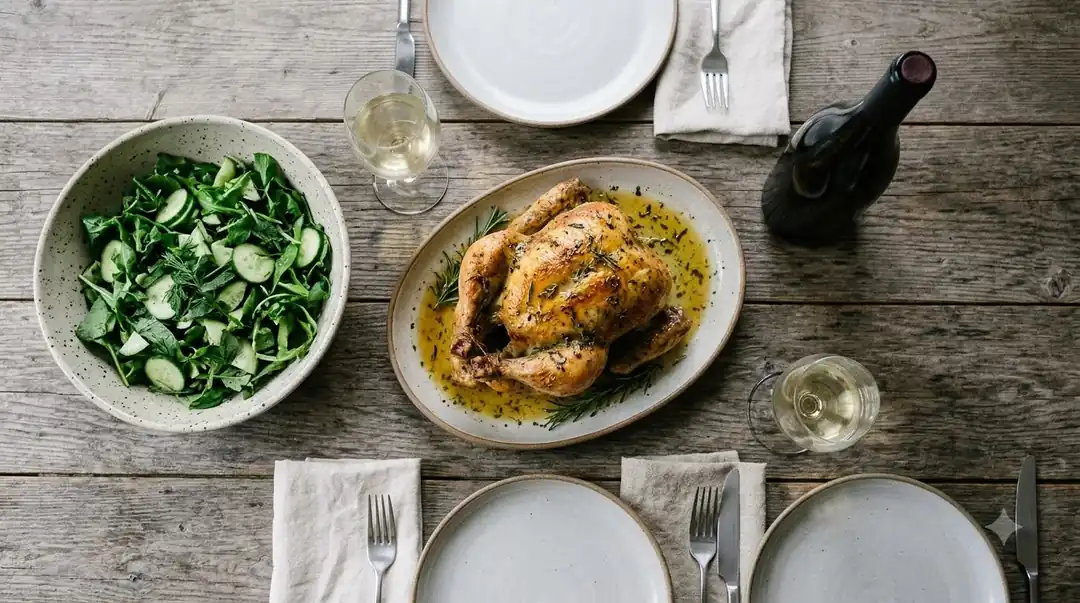
Serving temperature depends heavily on the specific style in your glass. Dry Sercial and Verdelho Madeiras shine when lightly chilled to around 55°F to 58°F, while sweeter Boal and Malmsey show best slightly cooler than room temperature at roughly 60°F to 66°F, as noted in Wine Enthusiast’s guide to fortified wine. For Sherry, crisp Fino and Manzanilla should be served cold straight from the refrigerator at 45°F to 50°F, whereas Amontillado, Oloroso, and sweet Pedro Ximénez open up best between 55°F and 62°F. Always store bottles upright so the high-alcohol wine does not degrade the cork over time.
Storage after pulling the cork is where Madeira earns its reputation as the ultimate low-maintenance bottle. Because Madeira has already been subjected to heat and oxygen during production, an opened bottle stored upright away from direct sunlight will stay fresh for many months—and often more than a year. By contrast, biologically aged Sherries like Fino and Manzanilla are unoxidized and fragile; once opened, they should be recorked, kept in the refrigerator, and finished within one to two weeks before their fresh, bready aromatics fade. Oxidatively aged Oloroso and sweet PX Sherry sit in the middle, lasting roughly one to two months in the fridge.
Tip: Treat Fino and Manzanilla Sherry just like a bottle of crisp white wine—buy smaller half-bottles when available, keep them refrigerated, and finish them within a week or two of opening.
Food Pairing
Both Madeira and Sherry are remarkably versatile at the dinner table, with dry bottlings excelling alongside salty appetizers and rich broths while medium and sweet styles complement aged cheeses, nuts, and desserts. Their higher alcohol and savory complexity allow them to handle foods that overwhelm ordinary table wines.
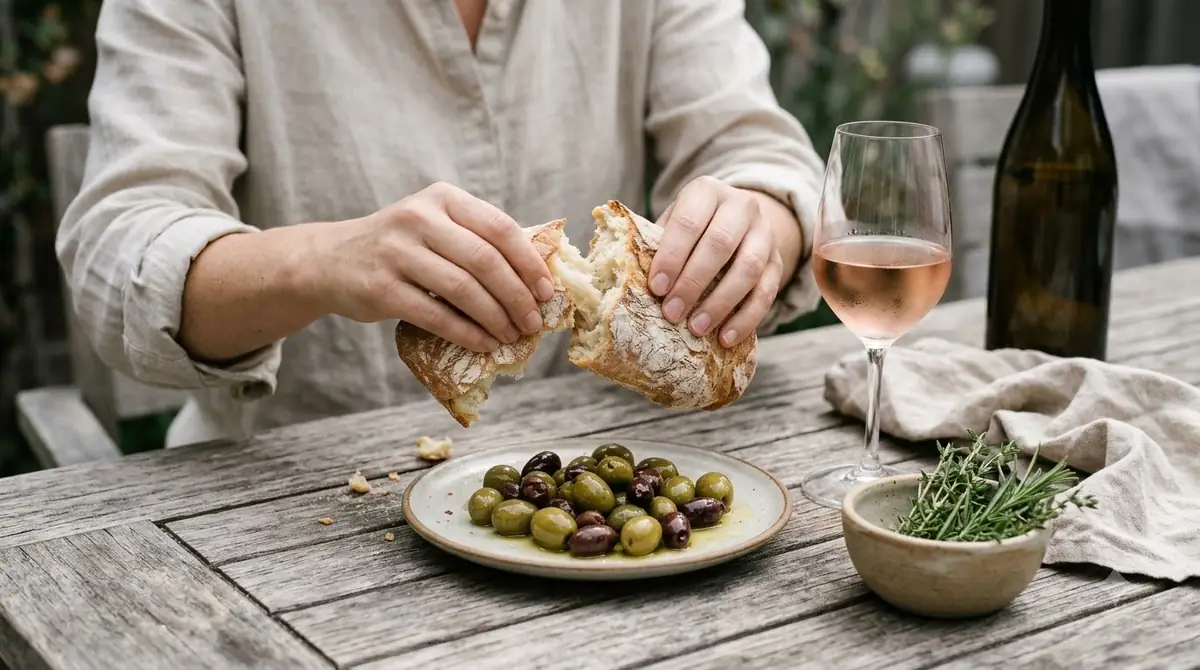
Chilled Fino and Manzanilla Sherry are classic aperitif companions in Spain, pairing effortlessly with briny green olives, salted Marcona almonds, thinly sliced jamón ibérico, and fresh oysters. Stepping up to nutty Amontillado and Oloroso unlocks pairings with roasted mushrooms, consommés, cured cheeses like aged Manchego, and braised meats—dishes that normally call for medium-bodied reds like those featured in Chianti vs. Malbec or Chianti vs. Merlot. Ultra-sweet Pedro Ximénez is traditionally drizzled over vanilla ice cream or paired with blue cheese and dark chocolate tarts.
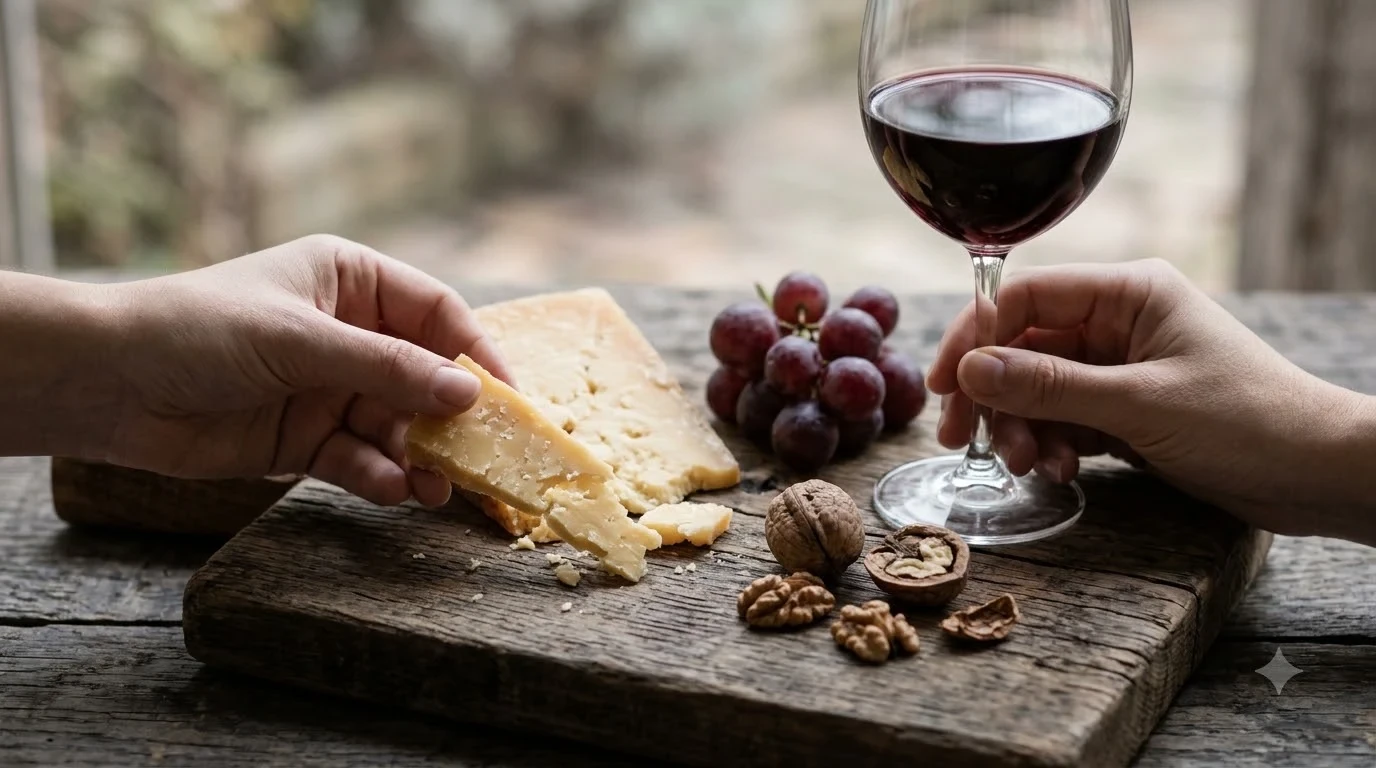
Madeira’s signature combination of smoky caramel and electric acidity makes it an equally adaptable partner from starter to dessert. Dry Sercial cuts cleanly through smoked salmon, raw shellfish, and rich mushroom soups, while off-dry Verdelho pairs wonderfully with roasted pork, duck pâté, and spiced winter squash. Medium-sweet Boal is tailor-made for washed-rind cheeses, toasted walnuts, and caramel tarts, while rich Malmsey stands up to dark chocolate desserts, sticky toffee pudding, and roasted chestnuts without tasting heavy.
How to Choose a Bottle
Choosing between Madeira and Sherry comes down to whether you want brisk, savory salinity for immediate table service or concentrated, tangy caramel complexity that you can sip slowly over several months. Paying close attention to age designations and style names on the label ensures you bring home a bottle that matches your occasion.
If you are shopping for Madeira, check the label for both the grape variety and the age statement, as Wine Folly’s overview of Madeira styles explains. Three-year-old blends labeled Finest or Rainwater are affordable, reliable choices for pan sauces, mushroom gravies, and classic cocktails like the Madeira Flip. For sipping neat, look for 5-year, 10-year, or 15-year age-dated bottlings labeled Sercial or Verdelho if you prefer dry, citrusy profiles, or Boal and Malmsey if you want sweeter, more unctuous complexity. Vintage-dated Colheita (aged at least five years in cask) and Frasqueira (aged at least twenty years in cask) represent the pinnacle of collectible Madeira.
When buying Sherry, skip generic supermarket bottles labeled simply “cooking sherry,” which typically contain added salt and artificial caramel coloring. Instead, look for authentic Spanish Denominación de Origen Jerez-Xérès-Sherry bottlings from established bodegas. Start with a crisp Fino or Manzanilla if you enjoy dry, mineral-driven white wines, reach for an Amontillado or Oloroso if you appreciate the toasted nuttiness of aged bourbon or single malt whisky, or pick up a bottle of Pedro Ximénez when you want an unforgettable dessert pour.
Frequently Asked Questions
Is Madeira sweeter than Sherry?
Not necessarily, because both Madeira and Sherry are produced in styles ranging from completely dry to intensely sweet. Dry Sercial Madeira and dry Fino or Oloroso Sherry contain very little residual sugar, while Malmsey Madeira and Pedro Ximénez Sherry are rich dessert wines, with PX Sherry actually reaching higher sugar concentrations than any style of Madeira.
Can you substitute Sherry for Madeira in cooking?
Yes, dry Amontillado or Oloroso Sherry is the closest culinary substitute for dry or medium-dry Madeira in pan sauces, gravies, and braised mushroom dishes. Both share a warm, nutty, oxidized character, though adding a tiny squeeze of lemon juice or a pinch of brown sugar helps mimic Madeira’s signature high acidity and caramelized fruit notes.
Why does Madeira last so long after opening compared to Sherry?
Madeira is intentionally heated and exposed to oxygen in barrels for years before bottling, which stabilizes the wine and makes it virtually immune to further oxidation once opened. Biologically aged Sherries like Fino and Manzanilla are shielded from oxygen by a layer of flor yeast during aging, so exposure to air after opening causes them to lose freshness within one to two weeks.
Which is stronger in alcohol, Madeira or Sherry?
Both wines fall into a similar fortified alcohol range, typically between 15% and 22% ABV depending on the specific style. Light, biologically aged Fino and Manzanilla Sherries usually sit around 15% to 16% ABV, whereas most Madeiras and oxidatively aged Oloroso Sherries are fortified to roughly 17% to 20% ABV.
Whether you gravitate toward the salty, almond-laced snap of a chilled Fino Sherry or the tangy, caramelized depth of a ten-year-old Boal Madeira, both wines reward curious drinkers with centuries of winemaking craft. Keep a bottle of each on hand—a dry Sherry in the fridge for weeknight appetizers and a bottle of Madeira on the bar cart for effortless sipping—and you will always have the right fortified pour ready for any meal.
More in Wine vs Wine
 Nero d’Avola vs Pinot Noir: Taste, Body, and Pairing DifferencesUpdated Nov 21, 2026
 Chenin Blanc vs Pinot Blanc: Key Differences in Taste, Acidity, and PairingsUpdated Nov 21, 2026
 Chardonnay vs Shiraz: Key Differences in Taste, Serving, and PairingUpdated Nov 21, 2026
 Chardonnay vs Verdejo: How Spain’s Crisp White Compares to the World’s ChameleonUpdated Nov 21, 2026
 Chardonnay vs Sancerre: Key Differences in Taste, Grapes, and PairingUpdated Nov 21, 2026
 Chardonnay vs Malbec: Key Differences in Taste, Body, and PairingUpdated Nov 21, 2026