

We may earn a commission when you buy through links on this page, at no extra cost to you. Learn more.
The malvasia grape is an ancient family of aromatic wine grapes—mostly white-skinned with a few red-skinned members—grown across the Mediterranean and Atlantic islands to make everything from crisp dry whites to rich, sweet Madeira. Rather than a single uniform vine, Malvasia encompasses dozens of distinct varieties such as Malvasia Bianca, Malvasia Istriana, Malvasia Fina, and Malvasia delle Lipari. Depending on where it is planted and how it is vinified, the grape yields fragrant still table wines, sparkling bottlings, skin-contact orange wines, sweet passito dessert wines, and age-worthy fortified classics.
Walking down a wine shop aisle, seeing the name Malvasia on a bottle can feel like stepping into a choose-your-own-adventure story. One label might hold a bone-dry coastal white from northern Italy, while another bottles a caramel-laced fortified wine from Portugal that can outlive a century. Understanding how the varieties differ—and what each region does best—makes picking the right bottle effortless.
What It Is
The malvasia grape refers to an ancient Mediterranean group of wine grape varieties whose name is historically linked to the Greek port town of Monemvasia, a major medieval trading hub for sweet wines. Over centuries, Venetian merchants and maritime traders carried cuttings across the Mediterranean basin and out into the Atlantic archipelagos, allowing the vines to adapt to local soils and diverge into distinct sub-varieties.
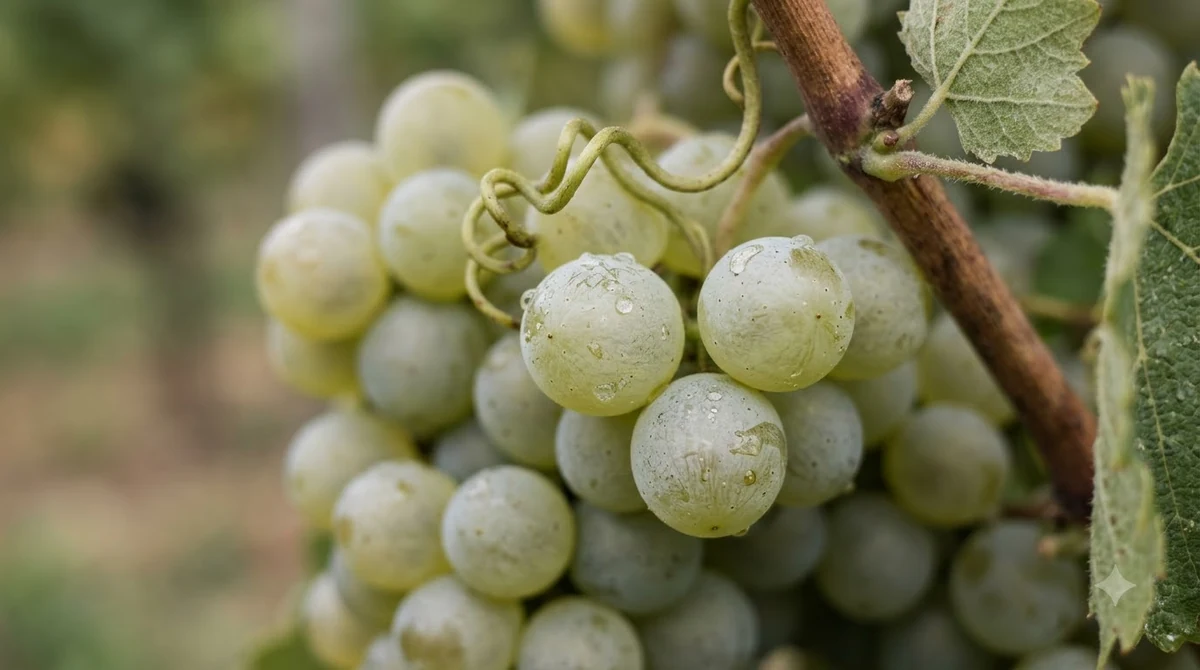
Ampelographers and winemakers recognize dozens of members within this extended family, though they do not all share identical genetics. Most are white-skinned cultivars—such as Malvasia Bianca di Candia, Malvasia Istriana, Malvasia Fina, and Malvasia de Sitges—while red-skinned members include Malvasia Nera and Malvasia di Schierano. Across the board, the vines favor dry climates and well-drained hillside or coastal sites, where warmth develops their signature perfume without sacrificing balance.
In the cellar, winemakers prize Malvasia for its expressive aromatics and generous texture on the mid-palate. While some versions have naturally moderate to low acidity and benefit from blending with crisper local partners like Trebbiano or Viura, coastal and high-elevation clones retain bright, refreshing tension. Readers exploring regional European whites on our Wine by Type hub often discover that Malvasia bridges the gap between floral aromatics like Muscat and fuller-bodied Mediterranean whites.
Flavor and Styles
Because Malvasia spans multiple sub-varieties and climates, its flavor profile stretches from zesty orchard fruit and white blossoms to dried figs, roasted nuts, and browned butter. Across almost every style, however, the wines share an unmistakable floral lift and plush, round mouthfeel.
In dry table wines, Malvasia typically opens with aromas of white peach, apricot, ripe pear, honeysuckle, and sweet almond. Dry bottlings from cooler coastal sites or limestone soils carry a subtle saline edge and herbal notes of basil or chamomile, finishing clean rather than heavy. According to Wine Folly, dry expressions of Malvasia Fina generally show medium-light body, no tannins, medium-low acidity, and alcohol levels ranging from 13.5% to 15% ABV, though lighter European table styles often sit between 12% and 13.5% ABV.
Winemakers also turn Malvasia into several distinct specialty styles that highlight different facets of the fruit:
- Skin-Contact (Orange) Wines: Fermenting white Malvasia on its grape skins extracts amber color, gentle grip, and complex notes of dried orange peel, ginger, tea leaf, and warm spice.
- Sparkling and Frizzante: Lightly effervescent and traditional-method sparkling bottlings capture the grape’s jasmine, lychee, and citrus blossom aromatics in a crisp, aperitif-friendly frame.
- Passito and Vin Santo: Drying harvested clusters on mats concentrates natural sugars, yielding luscious dessert wines layered with dried apricot, honey, and toasted hazelnut.
- Fortified Madeira (Malmsey): On the island of Madeira, Malvasia—historically called Malmsey—produces the richest, sweetest style of fortified Madeira, balancing brown sugar, caramel, and dried fruit flavors against razor-sharp volcanic acidity.
| Malvasia Style | Sweetness | Key Tasting Notes | Typical Alcohol |
|---|---|---|---|
| Dry Coastal White (e.g., Malvasia Istriana) | Dry | White peach, wild flowers, green almond, sea salt, dried herbs | 12% to 13.5% ABV |
| Aromatic Table White (e.g., Malvasia Bianca) | Dry to Off-Dry | Apricot, ripe pear, honeysuckle, orange blossom, ginger | 12% to 15% ABV |
| Skin-Contact Orange Malvasia | Dry | Dried citrus peel, jasmine, chamomile, beeswax, subtle grip | 12.5% to 14% ABV |
| Passito / Vin Santo Dessert Style | Sweet | Golden raisin, fig, honey, roasted almond, sweet spice | 12% to 15% ABV |
| Malmsey Madeira (Fortified) | Sweet / Rich | Caramel, browned butter, bitter chocolate, citrus oil, nutmeg | 19% to 20% ABV |
Where It Grows
Malvasia thrives across sun-drenched Mediterranean coastlines, volcanic islands, and select New World pockets in California and Texas. Its broad geographic footprint means regional terroir plays just as big a role in the glass as the specific sub-variety planted.
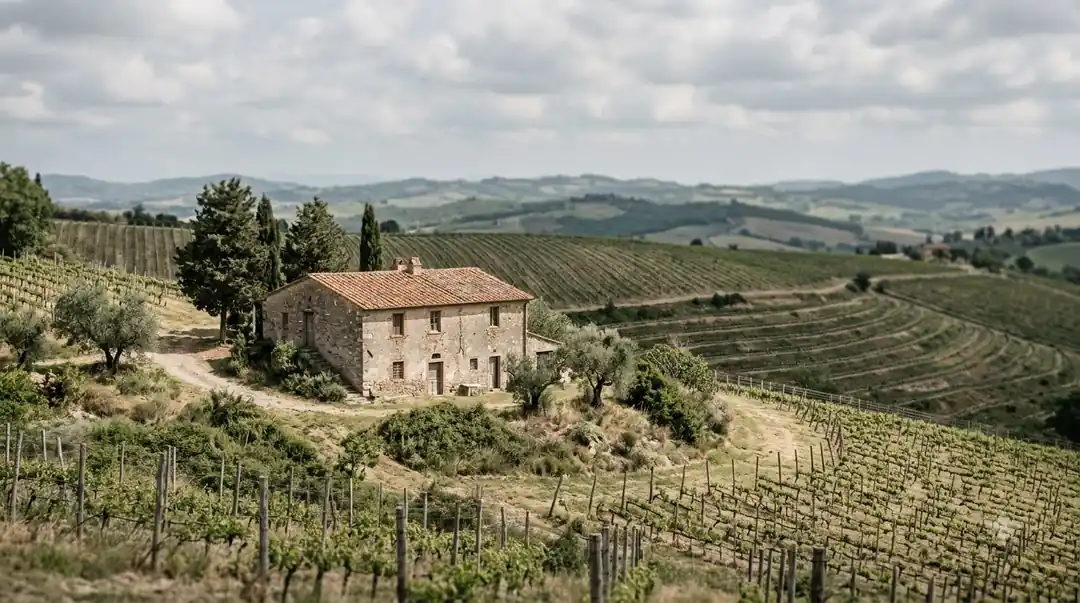
Italy holds the widest array of Malvasia plantings, stretching from the northern Adriatic down to Sicily. In Friuli-Venezia Giulia and neighboring Croatian Istria, Malvasia Istriana produces structured, savory whites prized for mineral tension and lees-aged texture. Further south in Lazio, Malvasia Bianca di Candia and Malvasia Puntinata anchor classic Roman blends such as Frascati and Est! Est!! Est!!! di Montefiascone. In Tuscany, Malvasia Bianca Lunga joins Trebbiano Toscano to create traditional Vin Santo, while Sicily’s Aeolian Islands craft rare, amber-hued Malvasia delle Lipari.
Across the Iberian Peninsula and Atlantic islands, the grape takes on dramatic forms. Portugal cultivates Malvasia Fina across the Douro, Dão, and coastal Colares, while Madeira relies on Malvasia for its flagship sweet Malmsey wines. In Spain, Rioja uses Malvasia to add weight and aroma to white blends alongside Viura, Catalonia preserves the coastal heirloom Malvasia de Sitges, and the Canary Islands grow volcanic Malvasía de Lanzarote. Meanwhile, in Greece’s Peloponnese peninsula, producers in PDO Monemvasia-Malvasia have revived the historic sweet wines that gave the grape family its name. If you enjoy exploring distinctive coastal or volcanic European varieties like the carricante grape from Mount Etna or the godello grape from northwestern Spain, regional Malvasias offer a similarly vivid sense of place.
How to Serve
Serving Malvasia at the right temperature and in the proper glassware keeps its floral aromatics vibrant without dulling its palate texture. Because the grape spans crisp dry whites, structured skin-contact bottles, and rich fortified wines, one temperature does not fit every bottle.
Chill dry, aromatic white and sparkling Malvasias to roughly 45°F to 50°F—about 30 to 45 minutes in the refrigerator after pulling from a cool cellar, or slightly warmer than standard fridge cold. Serving dry Malvasia too cold mutes its delicate peach, almond, and blossom notes, while letting it warm past 55°F can make lower-acid versions feel overly soft. Pour dry and off-dry bottlings into a standard medium-bowled white wine glass to funnel the bouquet toward the nose.
Skin-contact orange Malvasia and rich passito dessert wines show best at slightly warmer cellar temperatures, around 52°F to 58°F, where their spicy, nutty layers can open up. Fortified Malmsey Madeira is typically served at cool cellar temperature—around 57°F to 60°F—in a small tulip-shaped dessert or fortified wine glass. Unlike delicate dry whites that fade within two or three days of opening, fortified Malvasia has already undergone controlled oxidation and will stay fresh in a recorked bottle for months.
Tip: Check the back label for the specific sub-variety and sweetness level before chilling—a bone-dry Malvasia Istriana shines as a crisp dinner white, whereas a Malvasia delle Lipari or Malmsey belongs at the dessert course.
Food Pairing
Malvasia’s combination of fragrant fruit, floral lift, and rounded texture makes it an adaptable partner at the table, especially with dishes featuring herbs, gentle spice, or seafood. Matching the weight and sweetness of the bottle to the intensity of the dish is the easiest way to build a memorable pairing.
Dry coastal bottlings such as Malvasia Istriana or Malvasia Fina pair naturally with grilled sea bass, garlic shrimp, scallops, salt cod, and fried calamari. Their subtle almond and herbal undertones also complement spring vegetable risottos, pesto pasta, roast chicken with lemon and thyme, and semi-soft sheep’s milk cheeses. Off-dry aromatic Malvasia Bianca excels alongside dishes with complex aromatics and moderate heat—think ginger-scallion poached chicken, Thai coconut curries, pork chops glazed with stone fruit, or spiced shrimp dishes where a touch of fruit sweetness cools the palate.
Richer styles call for bolder companions. Skin-contact orange Malvasia handles roasted root vegetables, cured charcuterie, Moroccan-spiced tagines, and aged hard cheeses with ease. Sweet passito bottlings and fortified Malmsey Madeira pair classicly with toasted almond biscotti, blue-veined cheeses like Gorgonzola or Stilton, dark chocolate tarts, pecan pie, and dried fruit platters.
How to Choose a Bottle
Shopping for Malvasia becomes straightforward once you know how regional labels signal the style inside the bottle. Because producers rarely use a single uniform label term, looking at the origin and sub-variety name gives you the clearest clue to sweetness and body.
For a crisp, food-friendly dry white, look for bottles labeled Malvasia Istriana from Friuli-Venezia Giulia in Italy or Istria in Croatia, or seek out Malvasia de Sitges from Catalonia. If you want a lush, aromatic white with ripe orchard fruit and floral perfume, search for single-varietal Malvasia Bianca from California, Texas, or southern Italy.
When browsing for dessert or after-dinner bottles, look for regional classifications that guarantee richness: Malvasia delle Lipari from Sicily, Tuscan Vin Santo, PDO Monemvasia-Malvasia from Greece, or a 10-year-old Malmsey Madeira from Portugal. If you enjoy discovering characterful Mediterranean and Atlantic heritage grapes—from aromatic white Malvasia to structured Iberian reds like the baga grape—exploring different regional expressions of Malvasia is one of the most rewarding ways to expand your palate. For further background on Madeira’s traditional grape styles, VinePair’s Madeira guide breaks down how Malvasia compares with drier island varieties.
Frequently Asked Questions
Is Malvasia wine sweet or dry?
Malvasia is made in both completely dry and richly sweet styles depending on the region and winemaking method. Dry table whites like Malvasia Istriana are crisp and savory, while late-harvest passito wines and fortified Malmsey Madeira are intensely sweet. Checking the alcohol level and regional appellation on the label will tell you which style is inside.
What does Malvasia taste like?
Most Malvasia wines are aromatic and plush, showing core flavors of ripe apricot, white peach, pear, honey, and white flowers. Dry coastal versions add green almond, fresh herbs, and subtle salinity, while aged or fortified bottles develop notes of caramel, dried fruit, and roasted nuts.
Is Malvasia the same as Malmsey?
Yes—Malmsey is the traditional English and Portuguese trade name for sweet fortified Madeira produced from the Malvasia grape. It represents the richest, sweetest category of Madeira, balancing caramel and dried fruit flavors with lively natural acidity.
Are there red Malvasia grapes?
Yes, while the majority of Malvasia varieties are white-skinned, several red-skinned members exist within the family. Notable examples include Malvasia Nera in southern Italy’s Puglia region and Malvasia di Schierano in Piedmont, which produce fragrant, berry-driven red wines.
From breezy coastal whites in the northern Adriatic to centuries-worthy fortified wines from Madeira, the malvasia grape offers remarkable range under a single historic name. Paying attention to the regional sub-variety on the label lets you match the exact bottle—dry, off-dry, skin-contact, or sweet—to whatever is on your table.
More in Wine Types & Grapes
 Zinfandel Sugar Content: Dry Red vs. White Zinfandel GramsUpdated Nov 21, 2026
 Best Zinfandel Substitute Options for Sipping and CookingUpdated Nov 21, 2026
 Zweigelt Food Pairing: Best Dishes, Cheeses, and Serving TipsUpdated Nov 21, 2026
 Zinfandel Tannins Explained: How Structure Shapes Every BottleUpdated Nov 21, 2026
 Zinfandel Sweetness Level: Dry Red vs. Sweet White Zin ExplainedUpdated Nov 21, 2026
 Xinomavro Food Pairing: Best Dishes, Styles, and Serving TipsUpdated Nov 21, 2026