

We may earn a commission when you buy through links on this page, at no extra cost to you. Learn more.
The baga grape is a small, dark-skinned red wine grape native to Portugal, most closely associated with the coastal Bairrada region. It produces wines with high natural acidity, firm tannins, and flavors of tart red berries, blackberry, dried herbs, and earthy minerality. While historically blended into mass-market rosé, single-varietal bottlings of baga have earned recognition among wine drinkers for their aging potential and versatility across sparkling, rosé, and structured red styles.
For decades, the baga grape lived a quiet double life in central Portugal. Growers harvested vast quantities of it to supply simple, off-dry rosés, while local winemakers turned older, low-yielding vines into deeply tannic reds that required years in the cellar before opening up. Today, a new generation of Portuguese producers has reshaped how the grape is farmed and vinified, bringing clarity and precision to a variety that rewards patience both in the vineyard and at the dinner table.
What Is the Baga Grape?
Baga is an indigenous Portuguese red variety whose name translates literally to “berry,” a nod to its small, tight clusters of thick-skinned fruit. Late-ripening and sensitive to autumn rain, the variety demands careful vineyard management to reach full phenolic maturity without losing its signature brisk acidity.
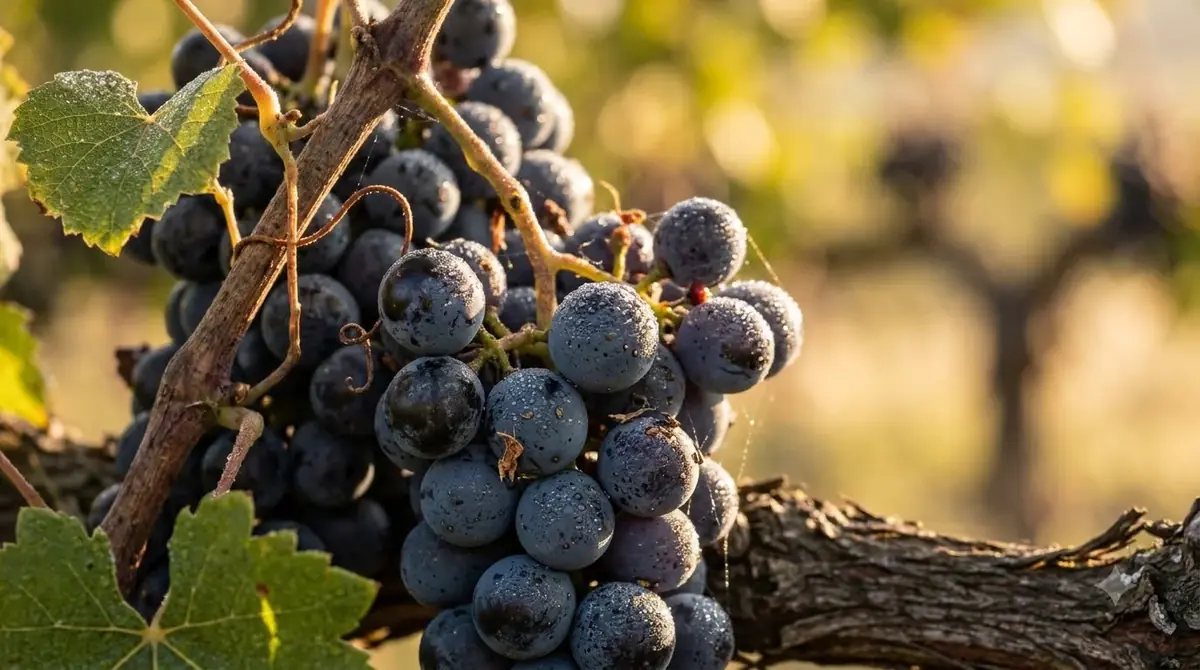
Genetically, baga is native to central Portugal, with historical roots stretching between the Dão highlands and the Atlantic lowlands of Bairrada. Because its berries are small and packed closely together, the skin-to-juice ratio is unusually high. That physical structure explains why baga reds carry such pronounced grip and color, even when grown in a cool, maritime climate where grapes rarely reach extreme sugar levels.
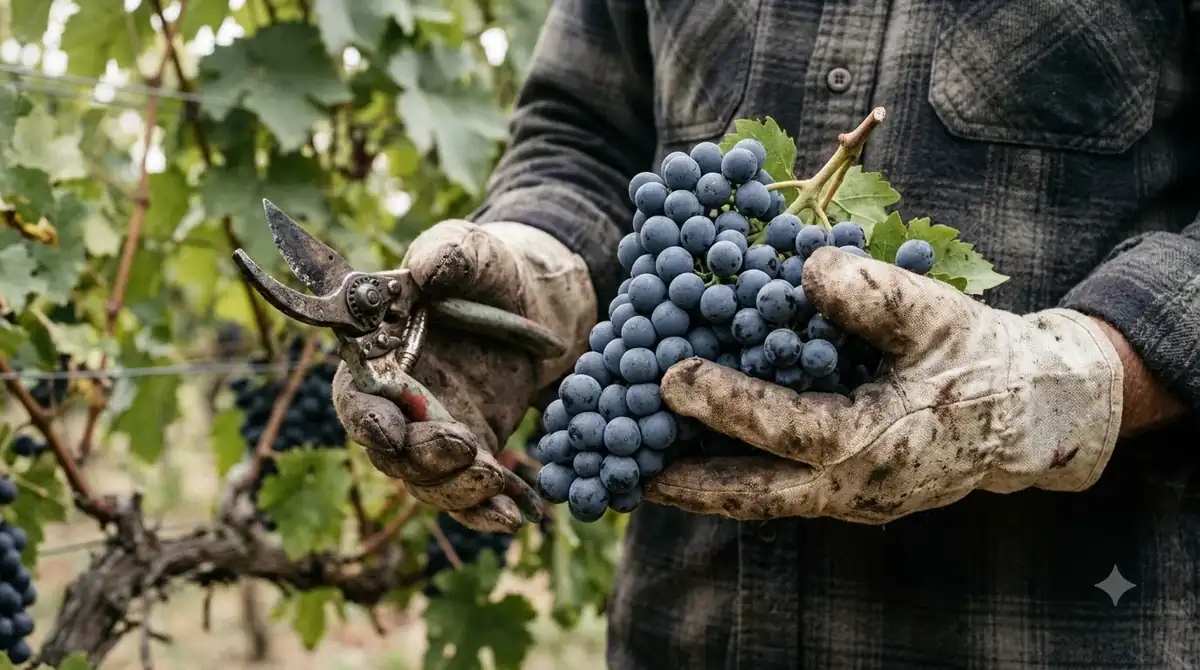
For much of the twentieth century, high-volume farming gave baga a reputation for harshness. When cropped heavily or harvested before the autumn rains arrived, the grape produced thin, astringent wines with green tannins. Since Bairrada earned its Denominação de Origem Controlada (DOC) status in 1979, quality-minded estates have reversed that reputation through lower yields, selective hand-harvesting, and gentler extraction in the cellar, positioning baga alongside serious European Wine by Type categories.
Flavor Profile and Wine Styles
Depending on vineyard site and winemaking approach, the baga grape yields everything from crisp traditional-method sparkling wine to cellar-worthy reds that invite comparisons to Nebbiolo and Pinot Noir. Across all styles, piercing natural acidity and a subtle saline, earthy undertone act as the unifying thread.
In its classic, structured red form, young baga delivers concentrated aromas of blackberry, black currant, sour cherry, and dried plum, layered with notes of cocoa, smoke, and tar. As Wine Folly’s guide to Baga notes, those gravelly, dark-fruited flavors soften considerably with bottle age, evolving into savory notes of leather, dried rose petals, forest floor, and balsamic spice over a decade or more.
Winemakers also craft lighter, more aromatic expressions using whole-cluster fermentation, shorter macerations, or aging in neutral oak casks and clay amphorae. These modern bottlings emphasize bright cranberry, wild strawberry, and crushed herbs with finer, chalky tannins and moderate alcohol levels—often under 13 percent ABV. Outside of still reds, baga is the backbone of traditional-method Bairrada Espumante—both blanc de noirs and rosé sparkling wines—and remains a key component in Portugal’s famous Mateus Rosé.
| Style of Baga | Primary Flavors | Structure & Body | Aging Window |
|---|---|---|---|
| Traditional Structured Red | Blackberry, black currant, tar, cocoa, dried herbs | Medium-plus to full body; high acidity, firm tannins | 10 to 20+ years |
| Modern Lighter / Amphora Red | Sour cherry, cranberry, wild strawberry, wet stone | Light to medium body; high acidity, fine chalky tannins | 3 to 10 years |
| Bairrada Espumante (Sparkling) | Red currant, lemon zest, brioche, rose petal | Crisp, dry, creamy mousse with brisk acidity | 2 to 8 years |
| Still Rosé | Strawberry, pomegranate, red grapefruit, sea spray | Light body; refreshing, dry to off-dry finish | 1 to 3 years |
Where the Baga Grape Grows
While small plantings exist in neighboring Dão and other parts of the Beiras region, the undisputed heartland of the baga grape is Bairrada, a narrow strip of coastal land tucked between the Atlantic Ocean and the inland mountains of central Portugal.
Bairrada’s maritime climate brings mild, wet winters, warm summer days, and cool ocean breezes that drop nighttime temperatures significantly during harvest. Annual rainfall ranges between 800 and 1,200 millimeters, creating constant pressure from humidity and late-season storms. Because baga ripens late in the season, growers rely on well-drained slopes and careful canopy management to keep air circulating around the tight clusters.
Soil composition is equally decisive in Bairrada. The region’s top vineyard parcels sit on calcareous clay and Lower Jurassic limestone rich in marine fossils. This chalky clay retains enough moisture through dry summer spells while forcing vine roots deep into the limestone subsoil. Reviewers at Decanter have long pointed out that this specific combination of Atlantic cooling and limestone-clay soils gives Bairrada baga its unmistakable tension and mineral cut, setting it apart from warmer inland regions like the Douro.
How to Serve Baga Wines
Serving baga at the right temperature and giving structured bottles adequate air makes a dramatic difference in how the wine’s tannins and aromatics show in the glass. Treat still reds much like you would Barolo or traditional Pinot Noir rather than a heavy, warm-climate red.
For structured red baga, aim for a serving temperature between 55°F and 60°F (12°C to 15°C). Serving the wine slightly below room temperature keeps its natural acidity crisp and prevents the tannins from feeling overly dry on the finish. Lighter, whole-cluster or amphora-aged reds can be served toward the cooler end of that range, while sparkling Bairrada Espumante and still rosés show best well chilled between 43°F and 48°F (6°C to 9°C).
Decanting is especially helpful for young red bottles under five years old. Pouring the wine into a decanter one to two hours before dinner allows oxygen to soften the tight tannic grip and open up floral and earthy aromatics. For mature bottles ten years or older, stand the bottle upright for several hours before opening so fine sediment settles to the bottom, then pour gently into a wide-bowled universal or Burgundy-style glass without aggressive decanting.
Tip: If a young red baga feels overly grippy right after opening, place the open bottle in the refrigerator for 20 minutes before pouring—cooling it slightly tames the tannins and brings forward the bright red fruit.
Food Pairing Ideas
Thanks to its vibrant acidity and firm tannic structure, the baga grape is built for rich, savory, and fatty dishes that would overwhelm softer red wines. In Bairrada, the classic local pairing is leitão à Bairrada—whole suckling pig roasted over eucalyptus wood with crisp skin, black pepper, and garlic—where the wine’s acidity cuts straight through the richness of the pork.
Beyond traditional Portuguese fare, baga pairs naturally with slow-roasted duck, braised lamb shanks, grilled pork chops, and seared mushrooms dressed with thyme and olive oil. The wine’s savory, earthy undertones also match cured charcuterie, aged sheep’s milk cheeses like Serra da Estrela or Manchego, and dishes seasoned with smoked paprika or black pepper. If you are exploring other vibrant, food-friendly Iberian and Mediterranean varieties alongside baga, white grapes such as the godello grape from northwestern Spain, Sicily’s volcanic carricante grape, and the aromatic malvasia grape offer compelling warm-weather counterpoints to baga’s red-fruited depth.
How to Choose a Bottle of Baga
Shopping for baga becomes straightforward once you know which cues on the label signal the style inside the bottle. Because producers work across a wide stylistic spectrum, checking a few details helps match the bottle to your palate and timeline.
- Look for Bairrada DOC on the label: This appellation guarantees the wine comes from baga’s benchmark coastal terroir, where limestone-clay soils bring the clearest expression of acidity and minerality.
- Check the alcohol by volume (ABV): Bottles listed between 11.5 percent and 13 percent ABV generally signal a fresher, more restrained style picked earlier for elegance, while bottles closer to 13.5 or 14 percent lean riper and fuller-bodied.
- Note aging designations and vine age: Terms like Vinhas Velhas (old vines), Reserva, or Garrafeira indicate concentrated fruit from mature vineyards and extended aging before release—ideal if you want complexity right away or plan to cellar the bottle.
- Explore sparkling options for immediate enjoyment: Labels marked Espumante with Bruto Natural or Extra Brut offer bone-dry, Champagne-method sparkling wines made partly or wholly from baga that require no cellaring at all.
Frequently Asked Questions
What does the baga grape taste like?
Red wines made from the baga grape taste of tart red berries, blackberry, black currant, and dried cherry, backed by savory notes of cocoa, smoke, dried herbs, and earthy minerality. They are known for high natural acidity and firm tannins that soften into leather and floral notes with bottle age.
Is baga wine similar to Nebbiolo or Pinot Noir?
Yes, wine drinkers often compare baga to both varieties depending on how it is made. Traditional, long-macerated baga shares Nebbiolo’s high acidity, grippy tannins, and ability to age for decades, while lighter, gentler vinifications echo the bright red fruit and earthy finesse of cool-climate Pinot Noir.
Does baga wine need to be aged before drinking?
Structured single-varietal red baga benefits greatly from five to ten years in the cellar, and top bottlings can evolve for twenty years or more. However, modern lighter reds, still rosés, and traditional-method Bairrada sparkling wines are crafted to be enjoyed young upon release.
What is the difference between Baga and Bairrada?
Baga is the name of the red grape variety, while Bairrada is the coastal wine region in central Portugal where it reaches its finest expression. While baga is Bairrada’s signature red grape, the region also produces white wines and sparkling wines from local varieties like Bical and Maria Gomes.
Whether poured as a crisp sparkling aperitif or decanted alongside a slow-roasted Sunday dinner, the baga grape offers a distinctly coastal take on classic European structure. Understanding its balance of brisk acidity, fine tannins, and limestone-driven minerality makes it easy to pick the right bottle for any table.
More in Wine Types & Grapes
 Zinfandel Sugar Content: Dry Red vs. White Zinfandel GramsUpdated Nov 21, 2026
 Best Zinfandel Substitute Options for Sipping and CookingUpdated Nov 21, 2026
 Zweigelt Food Pairing: Best Dishes, Cheeses, and Serving TipsUpdated Nov 21, 2026
 Zinfandel Tannins Explained: How Structure Shapes Every BottleUpdated Nov 21, 2026
 Zinfandel Sweetness Level: Dry Red vs. Sweet White Zin ExplainedUpdated Nov 21, 2026
 Xinomavro Food Pairing: Best Dishes, Styles, and Serving TipsUpdated Nov 21, 2026