

We may earn a commission when you buy through links on this page, at no extra cost to you. Learn more.
What is sparkling wine? It is any wine that holds carbon dioxide dissolved in it, which creates bubbles when the bottle is opened. The bubbles come from a second fermentation that happens in a closed container, so the carbon dioxide has nowhere to escape. Champagne, Prosecco, Cava and Crémant are all sparkling wines, and each is made with a method that shapes its texture, flavor and sweetness.
Sparkling wine is one of the most versatile categories on the wine shelf. It appears at celebrations, brunches and casual dinners, and it comes in styles that range from bone-dry to clearly sweet. If you have ever wondered how the bubbles get into the bottle, why some sparkling wines taste yeasty and others taste fresh and fruity, or how to choose a bottle, this guide explains the basics. The sections below cover how the wine is made, the main styles, how to serve it and which foods suit it.
How sparkling wine gets its bubbles
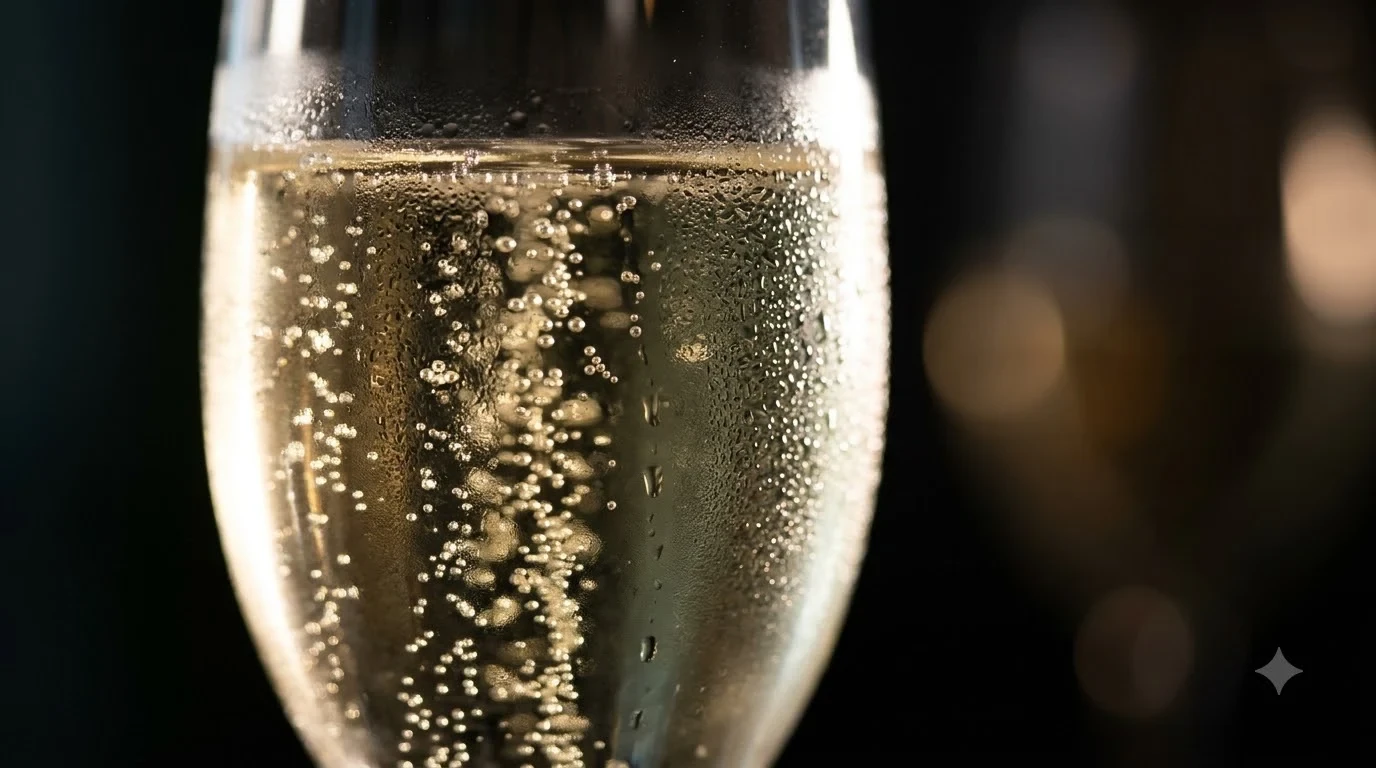
Sparkling wine gets its bubbles from a secondary fermentation in a closed container. Winemakers add yeast, sugar and wine, often called the liqueur de tirage, to a still base wine. The yeast consumes the sugar and produces alcohol and carbon dioxide. Because the container is sealed, the carbon dioxide stays in the liquid and forms the fine bubbles you see when you pour.
The method matters as much as the chemistry. Method and lees aging, which is the time the wine spends resting on spent yeast cells, shape the final style. A short period on lees produces a fresh, light wine, while a longer rest adds texture, complexity and a toasty or bready note. The choice of method is one of the most important differences between sparkling wines at the same price point.
The main methods used to make sparkling wine
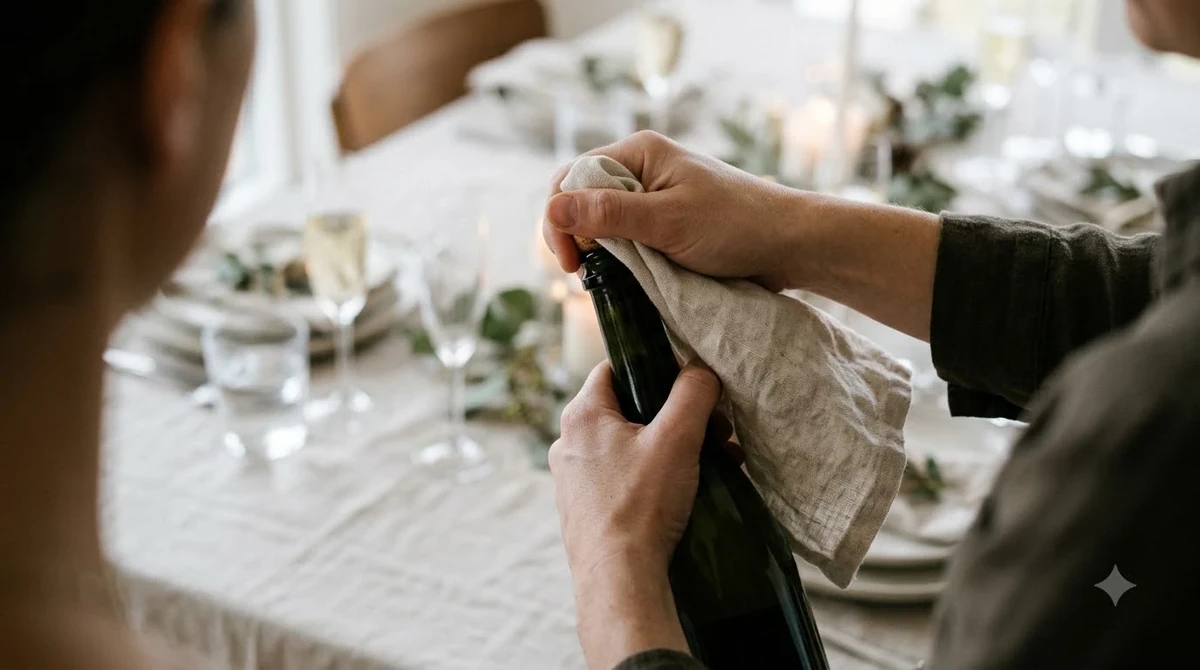
The traditional method, also called the méthode champenoise or Champagne method, is the most labor-intensive and is generally considered the highest-quality approach. The second fermentation happens inside the bottle. The wine then ages on lees, which add texture and complexity. Bottles are riddled, which collects the sediment in the neck so it can be removed. The bottle is then given a dosage, a mixture of sugar and wine, before it is corked. Champagne is the best-known example of this method.
The Charmat method, also called the tank method, carries out the second fermentation in a pressurized tank instead of the bottle. The wine is bottled without extended contact with lees, so the result is usually fresher and fruitier. Prosecco is the best-known example of this approach. It is a good choice for drinkers who want a light, lively sparkling wine for everyday drinking.
VinePair’s wine 101 guide to sparkling wine gives a clear overview of how these methods differ.
Other methods exist as well. The transfer method ferments the wine in the bottle and then moves it to a tank for filtering and bottling. The continuous method pumps wine through a series of tanks, and it can include some oak. The ancestral method finishes fermentation in the bottle and often produces an unfiltered wine, as is common with pét-nat. Simple carbonation, which injects carbon dioxide into the wine much like soda, is considered inferior because the bubbles fade quickly.
| Method | Where the second fermentation happens | Typical result | Common example |
|---|---|---|---|
| Traditional | Inside the bottle | Complex, textured, with lees character | Champagne |
| Charmat | Pressurized tank | Fresh, fruity, lively | Prosecco |
| Transfer | Inside the bottle, then tank | Clean and approachable | Various |
| Ancestral | Inside the bottle, finished | Often unfiltered, rustic | Pét-nat |
Popular sparkling wine styles
Champagne comes from the Champagne region of France and is made by the traditional method. Its style ranges from crisp and lean to rich and toasty, depending on the producer and the age of the wine. Prosecco is an Italian sparkling wine made mostly by the Charmat method and is known for its fresh, fruity character.
Cava is a Spanish sparkling wine made by the traditional method, and it offers a good value for drinkers who like the Champagne style. Franciacorta is an Italian sparkling wine that also uses the traditional method and is often compared to Champagne. Crémant is a term used for traditional-method sparkling wines from several regions of France outside Champagne. Each of these styles gives you a different way to enjoy the category.
Sweetness levels in sparkling wine
Sweetness in sparkling wine is controlled through the dosage, the small addition of sugar and wine given to the bottle after the sediment is removed. A wine with little or no dosage tastes very dry and crisp, while a wine with more dosage tastes softer and sweeter. Sweetness is an important part of choosing a bottle, because it changes how the wine pairs with food.
Many sparkling wines on store shelves are dry or off-dry, but the label may not always make the sweetness obvious. Reading the label or asking a shop staff member can help you find the level you prefer. If you are unsure, pick a bottle described as dry or brut for a crisp style, and choose a sweeter wine when you want a softer, more fruity glass.

How to serve sparkling wine
Serve sparkling wine well chilled. A cold bottle keeps the bubbles fine and the flavors fresh, and it is easier to open safely. Pour gently down the side of the glass to limit foaming, and fill the glass only partway so the aromas can gather. Flute glasses help preserve the bubbles, while a wider wine glass lets you smell more of the wine’s character.
Sparkling wine is more versatile than many people expect. It works as an aperitif before a meal, and it can be a refreshing partner for brunch dishes, fried foods and salty snacks. Once opened, a sparkling wine can be kept with a sparkling wine stopper for a day or two, although the bubbles will gradually fade. For a lighter party drink, you can use the wine in a sparkling wine cocktail, which adds fruit and bubbles in a simple format.
Food pairings that suit sparkling wine
Dry sparkling wines pair well with a wide range of foods. Their acidity and bubbles cut through rich or fried dishes, and they refresh the palate between bites. Oysters, shellfish, fresh cheeses, salads and fried chicken are all classic partners. The toasty, bready notes of traditional-method wines also suit roasted nuts and buttery pastries.
Sweeter sparkling wines suit desserts and fruit-based dishes. A softer, slightly sweet glass can balance spicy foods as well, since the sugar tames heat and the bubbles clear the palate. Matching the sweetness of the wine to the sweetness of the food is a useful rule, so the wine does not taste thin next to a sugary dessert.
Who sparkling wine suits and who might skip it
Sparkling wine suits almost anyone who wants a celebratory or refreshing glass. It is a good choice for people who like crisp, lively wines and for those who want a wine that pairs well with many different dishes. Dry styles suit drinkers who prefer savory flavors, while sweeter styles suit people who enjoy softer, fruity wines.
It may not appeal to everyone. Drinkers who prefer big, tannic reds or heavy, oaky whites may find sparkling wine too light. Some traditional-method wines have a yeasty, bready character that is not to every taste. If you are new to the category, start with a dry style from a producer you trust and compare it with a sweeter option to see what you enjoy.
Frequently Asked Questions
What makes sparkling wine fizzy?
A second fermentation in a closed container traps carbon dioxide in the wine. When the bottle is opened, the gas escapes as bubbles. Champagne uses the traditional method, while Prosecco is usually made in tanks.
What is the difference between Champagne and other sparkling wine?
Champagne is made in the Champagne region of France and usually by the traditional method. Other sparkling wines can be made by different methods and come from other regions, which gives them different styles and price points.
Is sparkling wine sweet or dry?
It can be either. Sweetness is set by the dosage added after the second fermentation. Brut and dry labels indicate a crisper style, while sweeter labels indicate a softer, fruitier wine.
How should I serve sparkling wine?
Serve it well chilled and pour gently down the side of the glass. Flute or wide wine glasses both work well. Once opened, keep the bottle sealed with a stopper and drink it within a day or two.
Sparkling wine is one of the easiest categories to enjoy once you know what to look for. Try a dry traditional-method bottle with a simple snack, then compare a Charmat-style wine to see how the method changes the flavor. To keep exploring wine styles, read the Wine by Type guide, or try an assyrtiko grape white for a dry, mineral alternative.
More in Wine Types & Grapes
 Zinfandel Sugar Content: Dry Red vs. White Zinfandel GramsUpdated Nov 21, 2026
 Best Zinfandel Substitute Options for Sipping and CookingUpdated Nov 21, 2026
 Zweigelt Food Pairing: Best Dishes, Cheeses, and Serving TipsUpdated Nov 21, 2026
 Zinfandel Tannins Explained: How Structure Shapes Every BottleUpdated Nov 21, 2026
 Zinfandel Sweetness Level: Dry Red vs. Sweet White Zin ExplainedUpdated Nov 21, 2026
 Xinomavro Food Pairing: Best Dishes, Styles, and Serving TipsUpdated Nov 21, 2026