

We may earn a commission when you buy through links on this page, at no extra cost to you. Learn more.
The core difference in chianti vs merlot comes down to structure, acidity, and flavor: Chianti is a high-acid, savory Italian red wine built on Sangiovese grapes with tart cherry and dried herb notes, while Merlot is a plush, medium- to full-bodied grape-varietal wine known for velvety tannins and ripe plum and chocolate flavors. Chianti comes exclusively from Tuscany, Italy, and brings mouthwatering tartness and powdery tannins designed for tomato-driven dishes. Merlot grows across the globe—from Bordeaux to California and Washington—offering a rounder, smoother texture that is easy to sip on its own or alongside roasted meats.
Standing in the red wine aisle, both bottles look like reliable, classic dinner companions, yet pouring them side by side reveals two completely distinct personalities. One is an Old World regional blend anchored by high-strung acidity and earthy spice; the other is an international grape prized for its supple, fruit-forward generosity. Understanding how their grapes, growing regions, and winemaking rules shape what lands in your glass makes choosing the right bottle effortless.
What They Are
Chianti and Merlot are categorized differently in the wine world: Chianti is a legally protected Italian wine region in Tuscany, whereas Merlot is a single red wine grape variety grown worldwide. When you buy a bottle labeled Chianti, you are drinking a regional blend anchored by Sangiovese, while a bottle of Merlot is named directly after the grape inside.
Under Italian DOCG (Denominazione di Origine Controllata e Garantita) regulations, Chianti must be produced in central Tuscany from at least 70 percent Sangiovese grapes, though the stricter Chianti Classico zone requires a minimum of 80 percent Sangiovese. According to Wine Enthusiast, winemakers in Chianti Classico can blend up to 20 percent of other red grapes—including Canaiolo Nero, Colorino, Cabernet Sauvignon, and even Merlot itself—while white grapes have been banned in Chianti Classico since 2006. Historically, Tuscan producers wrapped these bottles in straw baskets called fiaschi, though modern quality producers rely on standard Bordeaux-style glass bottles.
Merlot, whose name translates to “little blackbird” in an old regional French dialect, is a single dark-skinned grape variety originating in southwestern France. Genetically, Merlot is the offspring of Cabernet Franc and Magdeleine Noire des Charentes, making it a half-sibling to Cabernet Sauvignon. Because Merlot has thinner skins and fewer seeds than Cabernet Sauvignon, less tannin is extracted during fermentation, giving the finished wine its famously soft, approachable texture. While Merlot plays a starring role in Bordeaux blends, in the United States and other New World regions it is bottled primarily as a single-varietal wine.
Flavor and Styles
In the glass, Chianti delivers bright, high-acid tartness and savory herbal complexity, whereas Merlot offers plush, medium-bodied fruitiness with softer tannins and subtle cocoa notes. Both wines are fermented bone dry, yet their contrasting acid-to-tannin balance creates two entirely different sensory experiences.
Pouring a glass of Chianti reveals a translucent ruby color that shifts toward brick-orange at the rim as it ages. The nose leans distinctly savory: preserved sour cherries, crushed tomato leaf, dried oregano, balsamic reduction, espresso, and sweet pipe tobacco. On the palate, Chianti is unapologetically brisk. Reviewers at Wine Folly note that a touch of rustic coarseness and snappy tartness are classic hallmarks of Sangiovese rather than flaws, supported by dry, powdery tannins and moderate alcohol that typically falls between 12 and 14 percent ABV.
Merlot presents a deeper, more opaque ruby-purple hue and a noticeably rounder mouthfeel. Its flavor spectrum shifts from tart red berries to lush black cherry, ripe plum, bay leaf, vanilla, and dark chocolate, often accompanied by clove or cedar from oak aging. Cool-climate Merlots—such as those from Bordeaux—show firmer structure, graphite, and earthy nuances, while warm-climate versions from California or Washington push riper blackberry fruit and higher alcohol, generally ranging from 13.5 to 15 percent ABV. Across styles, Merlot remains medium in acidity with velvety, medium-level tannins that coat the palate smoothly.
| Feature | Chianti | Merlot |
|---|---|---|
| Primary Grape | Sangiovese (70–100 percent) | Merlot (usually 75–100 percent varietal) |
| Origin | Tuscany, Italy | Bordeaux, France (grown globally) |
| Body | Medium | Medium to Full |
| Acidity | High | Medium |
| Tannins | Medium-High, powdery | Medium, velvety |
| Core Flavors | Sour cherry, dried oregano, balsamic, leather | Plum, black cherry, cocoa, vanilla |
| Typical ABV | 12–14 percent | 13.5–15 percent |
| Serving Temp | 60–68°F (15–20°C) | 60–68°F (15–20°C) |
Where They Grow
Chianti comes strictly from designated hillside zones in central Tuscany, Italy, while Merlot is the second-most planted wine grape in the world, thriving from France to California, Washington, Chile, and Italy. Geography dictates why Chianti maintains a tightly defined regional identity while Merlot acts as a global chameleon.
Within Tuscany, the historic heartland is Chianti Classico DOCG, situated between Florence and Siena and identifiable by the black rooster (Gallo Nero) emblem on the bottle neck. Here, rolling hills of Galestro marl and Alberese sandstone encourage Sangiovese to ripen slowly, preserving its signature acidity while building concentrated structure. Surrounding the Classico core are seven broader sub-zones—including Chianti Rufina, Colli Senesi, and Colli Fiorentini—where altitudes and microclimates produce everything from light, everyday table reds to age-worthy cellar bottles.
Merlot adapts easily to diverse terroirs, though clay and limestone soils bring out its finest expression. In its ancestral home of Bordeaux, Merlot is the most widely planted grape, dominating Right Bank appellations like Pomerol and Saint-Émilion, where cool clay yields structured, earthy wines capable of aging for decades. Outside France, Merlot flourishes in northeastern Italy’s Friuli-Venezia Giulia region and even appears in Tuscan Super Tuscan blends. In the United States, California’s Napa and Sonoma valleys and Washington’s Columbia Valley produce sun-drenched, fruit-driven Merlots that showcase plush texture and ripe berry depth.
How to Serve
Both Chianti and Merlot show their best aromatics and balanced structure when served slightly below room temperature at 60 to 68°F (15 to 20°C) in a large-bowled glass. Serving either wine at a warm 72°F living-room temperature exaggerates alcohol heat and dulls their fresh fruit character.
To hit the sweet spot before pouring, place a room-temperature bottle in the refrigerator for 15 to 20 minutes. A brief chill keeps Chianti’s high acidity crisp and prevents Merlot’s higher alcohol from feeling heavy on the nose. Use a universal red wine glass or a wide-bowled Bordeaux glass for both styles; the generous surface area allows oxygen to soften Chianti’s powdery tannins and opens up Merlot’s layered plum and spice aromas.
Decanting benefits both wines, particularly younger, tannic bottles or aged reserve releases. Giving Chianti Classico Riserva or a structured Right Bank Bordeaux Merlot 30 minutes in a decanter smooths out rough edges and releases secondary notes of leather, cedar, and dried herbs. Everyday, fruit-forward Merlots and young entry-level Chiantis can be poured straight from the bottle, as they will continue opening up naturally in your glass over the course of dinner. If you are exploring how serving temperature and glass shape affect other classic bottles, our Wine vs Wine guide breaks down the fundamentals across styles.
Tip: Put your bottle of Chianti or Merlot in the fridge 15 minutes before dinner—serving red wine slightly cool sharpens the fruit and keeps alcohol from overpowering the aroma.
Food Pairing
Chianti is built for high-acid, tomato-based, and olive-oil-rich Italian dishes, while Merlot’s velvety tannins and plush fruit pair naturally with roasted meats, mushrooms, and creamy sauces. Matching the wine’s structural weight to the dominant ingredients on your plate makes both bottles shine.
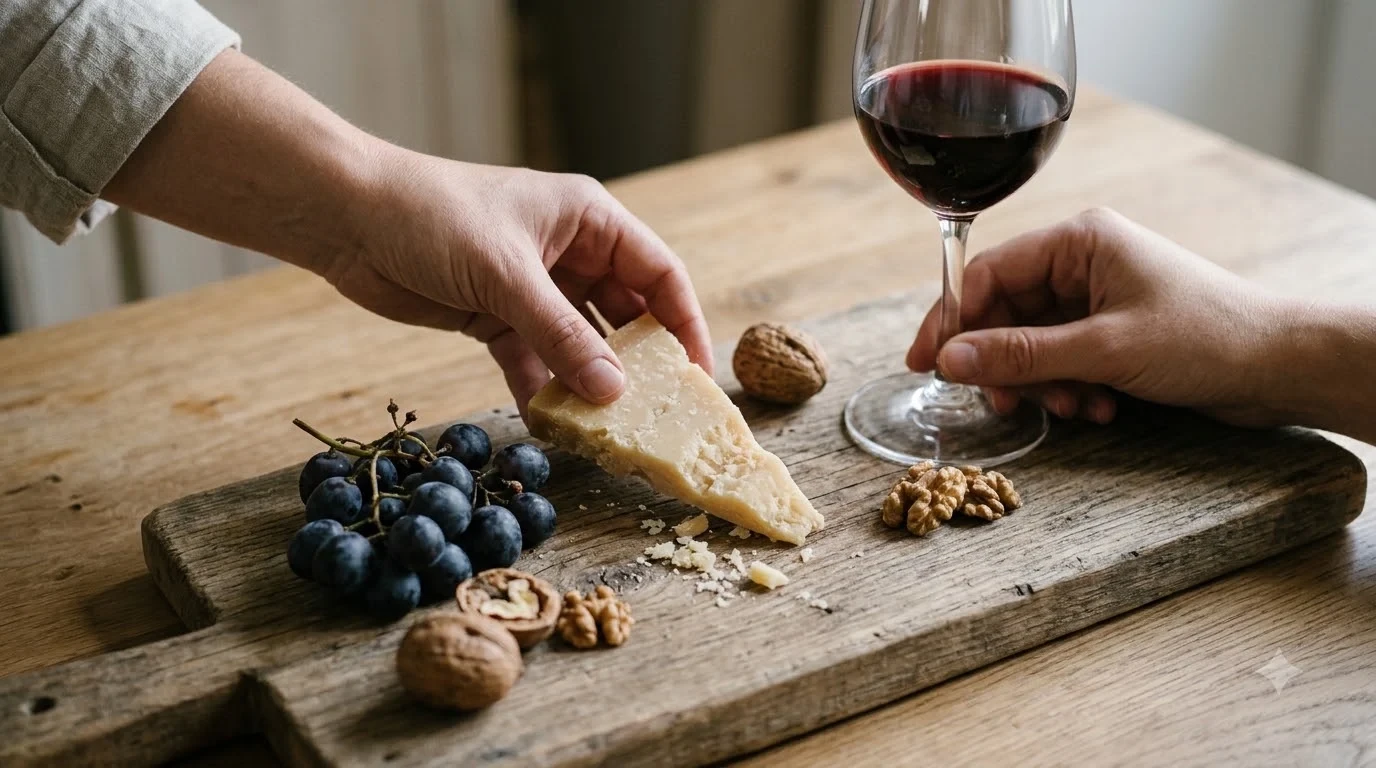
When dinner involves tomatoes, vinegar, or bright herbs, Chianti is nearly impossible to beat. Because high-acid foods can make low-acid red wines taste flat or metallic, Chianti’s naturally snappy acidity acts as a palate cleanser alongside pasta al pomodoro, Margherita pizza, lasagna, and eggplant Parmesan. Its dry, powdery tannins also cut effortlessly through rich fats, making Chianti Classico the traditional partner for Bistecca alla Fiorentina, cured prosciutto, dry salami, and aged Pecorino cheese.
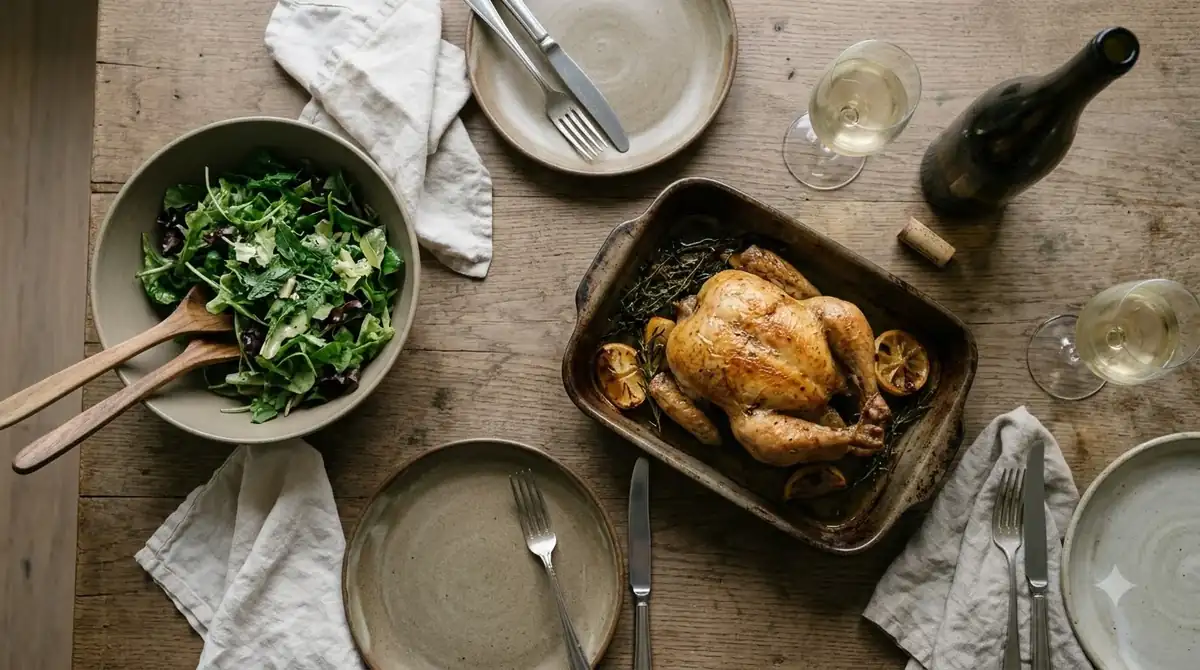
Merlot’s lower acidity and plush texture make it far more forgiving with mild, savory, or richly sauced dishes that might overwhelm a tart Sangiovese. Pair a medium-bodied Merlot with herb-roasted chicken, pork tenderloin, beef burgers, or mushroom risotto, where the wine’s earthy undertones echo roasted umami flavors. Fuller-bodied, oak-aged Merlots from Napa Valley or Pomerol stand up cleanly to filet mignon, braised short ribs, and Beef Bourguignon. If you enjoy pairing bold, fruit-driven reds with grilled meats, comparing chianti vs malbec highlights another high-impact option for steak night.
How to Choose a Bottle
Pick Chianti when you want a bright, savory red to cut through acidic or rich Italian food, and choose Merlot when you want a smooth, fruit-driven crowd-pleaser that drinks easily with or without a meal. Label terms and regional designations on both bottles tell you exactly what style to expect before pulling the cork.
On a Chianti label, pay close attention to aging tiers and the word “Classico.” Standard Chianti DOCG ages for roughly six months and offers fresh, simple tart cherry fruit meant for casual weeknight pizza. Stepping up to Chianti Classico Annata guarantees fruit from the historic Tuscan core and at least 12 months of aging, while Chianti Classico Riserva requires 24 months of aging for deeper spice and oak complexity. At the top tier, Gran Selezione must age at least 30 months from estate-grown fruit, delivering intense tannins and dried cherry, leather, and balsamic depth.
Shopping for Merlot relies heavily on regional climate cues on the label. If you prefer softer, juicier blackberry and vanilla flavors with minimal tannic grip, look for bottles from California’s Napa or Sonoma valleys or Washington’s Columbia Valley. If you want firmer structure, earthy minerality, and greater aging potential, seek out French bottles labeled Pomerol or Saint-Émilion, where Merlot is blended with Cabernet Franc. For readers branching out beyond red blends into crisp whites or fortified classics, exploring albarino vs sauvignon blanc or madeira vs sherry applies the same region-versus-grape logic to other corners of the wine shop.
Frequently Asked Questions
Is Chianti sweeter or drier than Merlot?
Both Chianti and Merlot are bone-dry wines with virtually no residual sugar remaining after fermentation. However, Merlot often tastes slightly sweeter on the palate because its ripe plum, black cherry, and vanilla notes are softer and less acidic, whereas Chianti’s high acidity and tart sour-cherry profile taste distinctly crisp and savory.
Does Chianti contain Merlot grapes?
Yes, many modern Chianti and Chianti Classico wines include a small percentage of Merlot. While Chianti Classico must be at least 80 percent Sangiovese, Italian wine laws permit winemakers to blend up to 20 percent of other approved red grapes, and producers frequently use Merlot to soften Sangiovese’s sharp acidity and add rounder mid-palate fruit.
Which wine has more tannins, Chianti or Merlot?
Chianti generally feels more tannic and structured than Merlot. Sangiovese imparts noticeable, powdery tannins paired with bracing acidity that creates a drying sensation on your gums, while Merlot’s thinner grape skins produce rounder, velvety tannins that feel smoother right out of the bottle.
Which is better for beginners, Chianti or Merlot?
Merlot is usually the easier starting point for red wine beginners because its plush fruit flavors and soft tannins are approachable even without food. Chianti can taste sharp or austere if sipped entirely on its own, though beginners quickly appreciate its bright character once paired with pizza, pasta, or aged cheese.
Ultimately, the choice between Chianti and Merlot comes down to what is on your table and how much structure you enjoy in your glass. Keep Chianti on hand for tomato sauces, cured meats, and lively, food-first acidity, and reach for Merlot whenever you want velvety texture, dark fruit richness, and effortless versatility.
More in Wine vs Wine
 Nero d’Avola vs Pinot Noir: Taste, Body, and Pairing DifferencesUpdated Nov 21, 2026
 Chenin Blanc vs Pinot Blanc: Key Differences in Taste, Acidity, and PairingsUpdated Nov 21, 2026
 Chardonnay vs Shiraz: Key Differences in Taste, Serving, and PairingUpdated Nov 21, 2026
 Chardonnay vs Verdejo: How Spain’s Crisp White Compares to the World’s ChameleonUpdated Nov 21, 2026
 Chardonnay vs Sancerre: Key Differences in Taste, Grapes, and PairingUpdated Nov 21, 2026
 Chardonnay vs Malbec: Key Differences in Taste, Body, and PairingUpdated Nov 21, 2026