

We may earn a commission when you buy through links on this page, at no extra cost to you. Learn more.
Red wine for beginners starts with understanding three things: body, grape style, and how climate shapes the glass in your hand. Once you know whether you like light, medium or full-bodied reds, the wine shop becomes far less intimidating. Most first-time buyers can find a bottle they enjoy by focusing on a few clear traits rather than memorizing hundreds of names.
This guide explains how red wine gets its color and structure, how to sort reds by body, which easy-drinking grapes to try first, and how to read a label without guessing. It also covers simple food pairings, serving habits and storage basics so your first bottles taste their best.
What Makes a Red Wine Red
Red wine gets its color mainly from the grape skins, which stay in contact with the juice during fermentation. The longer that contact and the thicker the skin, the deeper the color and the firmer the structure usually become. Seeds and skins also supply tannins, the drying sensation you feel on your gums and tongue.
Wine grapes are not the same as table grapes. They are smaller, carry more sugar, and have thicker skins and seeds than the fruit you snack on. Those traits give red wine its tannins, acidity and layered flavors, which is why two reds can taste so different even when they look almost identical in the glass. Wine Folly’s beginner guide to starting with confidence describes these grape traits as the foundation for understanding any bottle.
Climate matters as much as the grape. Warm regions tend to produce riper fruit and bolder reds, while cooler regions often yield lighter, brighter wines with more tart fruit. Learning this one pattern helps you predict whether a bottle will feel rich and fruity or lean and zippy before you open it.
Light, Medium, and Full-Bodied Reds Explained
Body describes how heavy a wine feels in your mouth, somewhere between skim milk and cream. For beginners, body is the most useful way to sort reds, because it predicts how much tannin and fruit you will taste. According to Wine Folly’s 2017 buying guide, full-bodied reds come from sunny, dry regions, while light-bodied reds come from cooler growing areas.
| Body style | Typical flavors | Common grapes to look for | Good first choice when |
|---|---|---|---|
| Light-bodied | Red berries, floral notes, lower tannin | Pinot Noir, Gamay | You prefer a fresh, easy sip |
| Medium-bodied | Cherry, plum, brighter acidity | Sangiovese, Garnacha, Cabernet Franc | You want a versatile wine for dinner |
| Full-bodied | Blackberry, vanilla, firmer tannin | Cabernet Sauvignon, Malbec, Syrah, Zinfandel | You like rich, bold flavors |
Light-bodied reds are the gentlest starting point. Pinot Noir is a classic example, and it often shows red fruit, floral notes and soft tannin. Gamay is another light option that many beginners find approachable. These wines usually pair with a wide range of foods and are easy to drink without a meal.
Medium-bodied reds sit in the middle and are often the most versatile choice. Wine Folly notes that their higher acidity makes them well suited to a range of dishes. Many Old World regions produce medium reds with less new oak, which can give them an elegant, balanced feel that suits a weeknight table.
Full-bodied reds deliver more fruit, more alcohol and more structure. If you enjoy bold flavors, Malbec and Syrah are approachable entry points. Cabernet Sauvignon is the most widely planted grape in the world, according to Wine Folly, and it is a useful benchmark for learning what a full-bodied red tastes like.
Easy-Drinking Red Grapes for Beginners
You do not need to learn every grape to find a red you like. A handful of varieties cover most of the styles on store shelves, and each one has a recognizable profile. Start with one or two grapes, compare several producers, and note what you enjoy before moving on.
Pinot Noir is often the first red beginners fall for. It is light in body, with red fruit, gentle tannin and a silky texture. Because it shows its character clearly, it is a good training grape for noticing differences between regions and vintages. Gamay offers a similar lightness with juicy fruit and very little harshness.
Sangiovese is a medium-bodied grape with bright acidity and cherry or plum flavors. Garnacha, sometimes called Grenache, tends to be fruit-forward and easygoing. Malbec gives you dark fruit and a plush texture, and Zinfandel often brings jammy berry notes. Each of these is a good stepping stone between lighter and bolder styles.
Blends are also beginner-friendly. Many Côtes-du-Rhône style blends sit in the medium-bodied range and combine several grapes into a balanced wine. Look for a blend when you want a mix of fruit and structure without committing to a single variety.
How to Read a Red Wine Label
Most labels give you more clues than they seem to. The producer name, the region, the grape variety and the vintage year each tell you something about the wine. Reading them in that order helps you turn an unfamiliar bottle into a reasonable guess about its style.
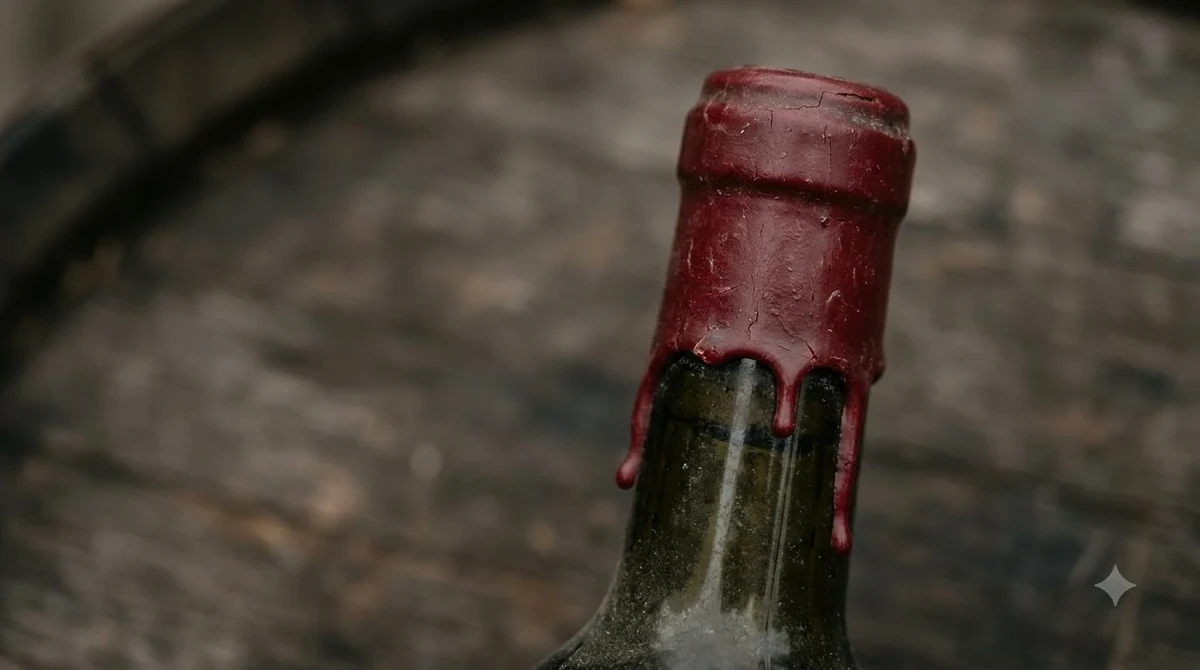
The vintage is the year printed on the label, and it shows when the grapes were harvested. Weather during that growing season shapes the wine. Warmer, sunnier years tend to produce riper, richer reds, while cooler, wetter years often yield lighter, fresher wines with higher acidity. Wine Folly also points out that the same producer can taste noticeably different from one vintage to the next.
Region tells you about climate. A bottle from a warm region usually leans bolder and fruitier, while a cool-climate region usually points to a leaner style. If the label names only a country, the broader climate of that country still gives you a clue. When you are unsure, check the back label or the producer’s website for tasting notes.
Grape variety is often the easiest clue for beginners. If the bottle lists Pinot Noir, you can expect a light, silky red. If it lists Cabernet Sauvignon, expect something fuller. Some European labels name the place instead of the grape, so a quick search on the region can reveal the usual grapes used there.
Red Wine and Food Pairing Basics
Food pairing is easier than most beginners expect. The core idea is to balance weight and intensity, so a light wine suits light food and a bold wine can stand up to richer dishes. Acidity and tannin also play a role, since they cut through fat and interact with protein.
Light-bodied reds like Pinot Noir and Gamay pair well with chicken, salmon, mushrooms and tomato-based dishes. Their brightness keeps them lively with herbs and roasted vegetables. Medium-bodied reds such as Sangiovese go well with pasta, pizza and grilled sausage, since their acidity matches tomato sauces naturally.
Full-bodied reds suit grilled red meat, hearty stews and aged cheeses. Tannin in these wines softens when it meets fat, which is why a bold red can feel smoother alongside a steak. Syrah also works with smoky barbecue, and Malbec is a popular match for grilled dishes.
When you are unsure, match the wine to the sauce rather than the main protein. Tomato, mushroom, cream and smoke each point toward a different style of red. For more ideas on everyday pairings, the Wine Buying Guides section covers how styles and foods work together.
Serving Temperature, Glassware, and Storage Tips
Serving habits change how a red tastes. Warm wine can taste flat and heavy with alcohol showing, while a slightly cooler glass can bring out fruit and freshness. Check the producer’s serving suggestion on the label or website, since recommendations vary by style.
Glassware matters, but not in a fancy way. Wine Folly says a good glass leaves enough space above the wine to trap aromas, which is the main reason the shape matters. A standard red wine glass with a generous bowl works for almost every red you will buy as a beginner.
Pour a modest amount. A proper pour is about 5 ounces (150 ml), according to Wine Folly. That amount leaves room to swirl the wine, release aromas and enjoy the flavors. Smell the wine before the first sip, because much of what you taste comes from aroma. The Wine 101 course outline lists serving and storage as its own chapter, which is a useful next step if you want more detail.
Storage is simpler than many guides suggest. Keep most everyday reds in a cool, dark place away from heat and strong light. Once opened, a wine lasts a shorter time, so recork it and drink it within a few days. Light-bodied reds often keep their fruit longer after opening than heavy, tannic bottles do.
Tip: Pour a smaller glass and sip slowly while you learn. Tasting several styles over a few evenings tells you more than finishing one bottle.
Frequently Asked Questions
What is the easiest red wine for beginners?
Many beginners start with a light-bodied red such as Pinot Noir or Gamay. These wines have soft tannin, bright red fruit and a gentle texture. They are easy to sip on their own and pair well with a wide range of everyday foods.
Is a full-bodied red too strong for a first wine?
Not necessarily, but it can feel intense at first. Full-bodied reds have more tannin and richer fruit. If you want to try one, Malbec is often a softer entry point than a firm Cabernet Sauvignon.
Do I need to memorize grape names?
No. Wine Folly suggests focusing on a few styles rather than memorizing every grape. Learn the body categories and a handful of common varieties, and you can make confident choices in most shops.
Should I drink red wine every night?
Drink wine in moderation and make your own decisions about alcohol based on your health and circumstances. If you have questions about your personal drinking habits, a healthcare professional can offer guidance that fits your situation.
Red wine for beginners is far easier once you sort bottles by body, learn a few easy grapes and read the label with purpose. Try one light and one medium-bodied red side by side to see which style you prefer. For more structured guidance, the organic pinot noir page covers a light red many newcomers enjoy, and the dry lambrusco guide shows a lively red that suits casual meals.
More in Wine Buying Guides
 Riesling Gift: Choose a Bottle They’ll LoveUpdated Nov 21, 2026
 Sweet Red Wine Gift: Choose a Bottle They’ll LoveUpdated Nov 21, 2026
 Malbec Gift: How to Choose a Memorable Bottle for Any OccasionUpdated Nov 21, 2026
 Sherry Gift Ideas That Match Every Wine LoverUpdated Nov 21, 2026
 Moscato Gift: How to Choose a Sweet Wine They’ll LoveUpdated Nov 21, 2026
 Merlot Gift: How to Choose a Bottle They’ll AppreciateUpdated Nov 21, 2026