

We may earn a commission when you buy through links on this page, at no extra cost to you. Learn more.
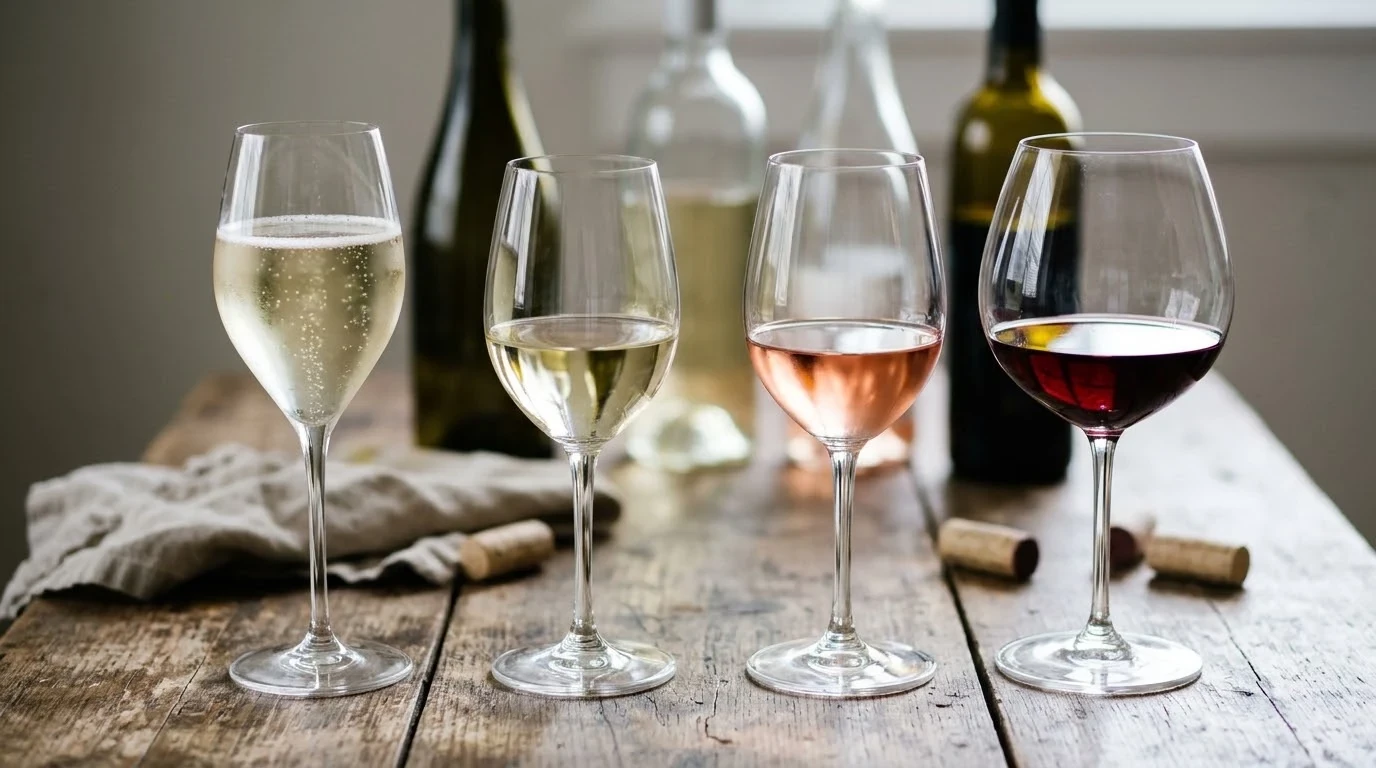
The best wine for beginners is usually a light, fruit-forward bottle with soft tannins and clear acidity, such as an off-dry Riesling, a Pinot Noir or a Malbec. These styles are approachable because they show obvious fruit, moderate alcohol and gentle structure, so they teach you what you like without overwhelming the palate. This guide explains which grapes to start with, how to serve them and how to choose a bottle on your first shopping trip.
Many new wine drinkers feel pressured to pick a bottle by the name on the label, but the grape and style tell you far more about the taste. Start with one or two categories, serve them at the right temperature and compare them side by side. Within a few tastings you will know whether you prefer sweeter whites, lighter reds or something bolder.
Quick Comparison
The table below compares common beginner-friendly styles. Read it as a starting map rather than a ranking, because every palate responds differently.
| Style | Body | Sweetness and tannin | Typical flavors | Serving temperature |
|---|---|---|---|---|
| Off-dry Riesling | Light | Off-dry, no tannins | Lime, green apple, jasmine | 38 to 45 F (3 to 7 C) |
| Pinot Noir | Light to medium | Dry, low tannin | Ripe cherry, raspberry, tea leaves | 55 to 60 F (12 to 15 C) |
| Malbec | Full | Dry, medium tannin | Red plum, blackberry, vanilla | 60 to 68 F (15 to 20 C) |
| Sparkling (Prosecco Extra Dry) | Light | Soft sweetness, lively bubbles | Green apple, pear, citrus | Chilled, about 6 to 8 C |
Best for Easy-Drinking Off-Dry Whites
Riesling is one of the most useful grapes for beginners because it can range from bone-dry to very sweet, and many bottles sit in the off-dry middle. According to Wine Folly’s Riesling profile, the wine is light and carries high acidity with no tannins, and it usually stays under 10 percent alcohol by volume. That combination gives a fresh, clean glass with a noticeable fruit sweetness that most new drinkers recognize quickly.
Serve Riesling cold, between about 38 and 45 degrees Fahrenheit, in a standard white wine glass. Off-dry styles also pair well with spicy dishes, pork and shellfish, which makes them a practical choice for a weeknight dinner.
Best for Light, Silky Reds
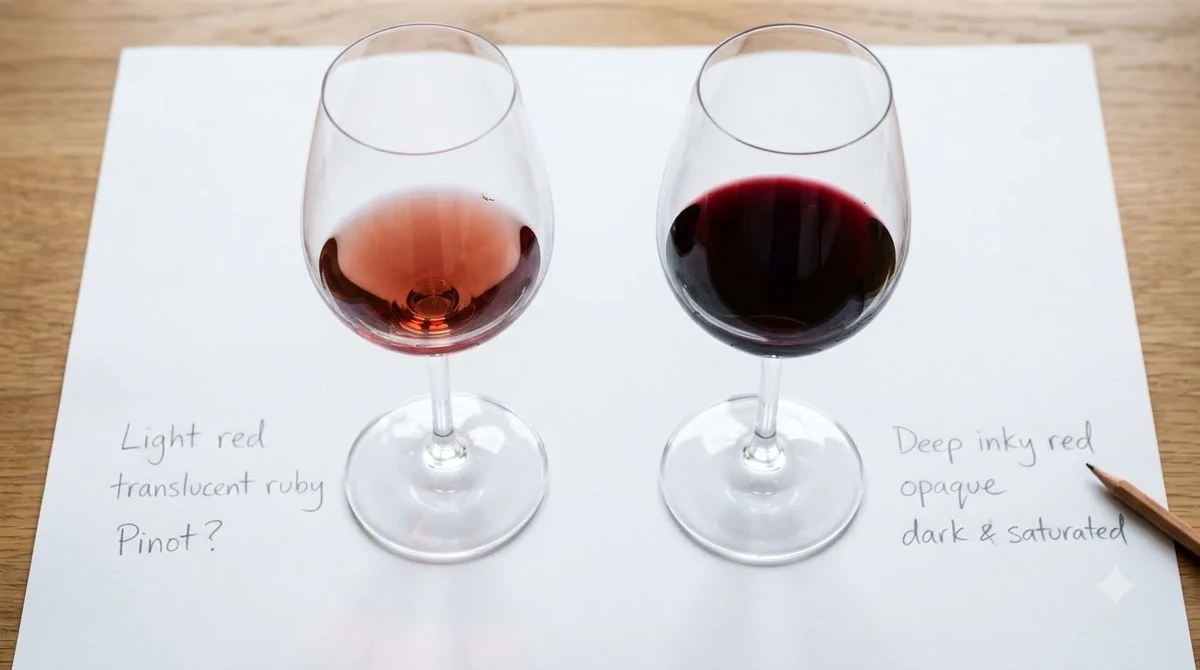
Pinot Noir is the red many beginners find easiest to enjoy because it is light to medium in body and has low tannin. Wine Folly describes its typical flavors as ripe cherry, raspberry and red berries, with earthy notes such as forest floor and tea leaves in some bottles. Oak-aged versions can add vanilla and smoke, so the taste changes depending on the winemaking.
Pinot Noir is also a practical food wine. Its lively acidity and red-berry fruit suit roasted chicken, salmon and mushroom dishes, so you can use one bottle across several meals. Because it is less intense than many reds, it is also a good choice when you are not sure what your palate prefers.
Serve Pinot Noir slightly cooler than room temperature, around 55 to 60 degrees Fahrenheit. A slight chill keeps the fruit bright and makes the wine feel smoother, which helps new drinkers avoid the bitter edge that some reds can show when served too warm.
Best for Soft, Fruit-Forward Reds
Malbec is a good next step for guests who want a fuller red without harsh tannins. Wine Folly lists its body as full, its tannin as medium and its flavors as red plum, blackberry, vanilla, cocoa and sweet tobacco. The grape comes from southwest France, where it is also called Cot, and it has become one of the most important grapes in Argentina.
Malbec pairs well with grilled meats and hearty dishes. Serve it at about 60 to 68 degrees Fahrenheit so the fruit stays expressive and the alcohol does not feel too prominent.
If the bottle tastes heavy at first, let it sit in the glass for ten minutes. The aromas open up as the wine warms slightly, and many beginners find the second glass easier to enjoy than the first.
Best for Sparkling Wine Starters
Sparkling wine is often a gentle entry point because the bubbles make the glass feel lively and the sweetness level is easy to read on the label. The Consorzio Prosecco DOC describes the Extra Dry style as the most common in the category, with residual sugar between 12 and 17 grams per liter. A chilled Extra Dry bottle is light, fruity and forgiving, so it works well for brunch or a casual evening.
Because the bubbles fade over time, open the bottle when you are ready to drink and finish it within a day or two. Keep it chilled between pours to hold the freshness.
Best for Winery Visits and Tastings
A tasting room is a useful way to learn without buying a full bottle. Many wineries offer flights of three to five pours, which lets you compare several styles in one visit. If you plan a trip, the regional guides on Temecula wineries and Paso Robles wineries are good places to find tasting rooms that welcome first-time visitors.
Ask the staff to describe each pour in simple terms, such as light and crisp or soft and fruity. Their answers often give you a vocabulary you can reuse when you shop.
Visiting at a quieter time of day helps. Staff have more time to explain the wines, and you can taste at a slower pace. Write down the names of the pours you liked, because the list becomes a useful shopping reference when you return to a wine shop or grocery store.
How to Choose Your First Bottle
Choosing a first bottle is easier when you match the style to the meal and your comfort level. The table below lists the questions that matter most before you reach the shelf.
| Question | If yes | If no |
|---|---|---|
| Do you prefer sweeter drinks? | Try off-dry Riesling | Try Pinot Noir or Malbec |
| Do you want something light? | Choose Pinot Noir or Prosecco | Choose Malbec for a fuller glass |
| Are you cooking a hearty dinner? | Malbec pairs well with grilled dishes | Riesling suits spicy or lighter dishes |
| Do you want bubbles? | Choose a chilled Extra Dry sparkling wine | Stay with still wines |
Tip: Buy two bottles of different styles rather than four of the same. Comparing them at home teaches you more than a single bottle, and it is cheaper if you find you dislike one of them.
Frequently Asked Questions
What is the easiest wine to start with?
Many beginners find off-dry Riesling or Pinot Noir the easiest starting points. Both have soft textures and clear fruit, and they are served at a temperature that keeps the flavors balanced.
Should a beginner choose red or white wine?
Either works. Whites like Riesling tend to feel crisp and easy to sip, while Pinot Noir is a light red with low tannin. Try one of each and note which one you return to.
Does serving temperature really matter?
Yes. Serving white wine too warm can make it taste flat, and serving red too warm can make the alcohol feel strong. Chilling whites and lightly cooling reds shows the fruit and structure more clearly.
Is it better to buy a sweet or dry wine first?
There is no single right answer. Off-dry styles can be a comfortable start, and dry styles such as Pinot Noir or Malbec teach you more about tannin and structure. Choose the style that sounds appealing and adjust from there. Drink responsibly and pace your glasses.
The best first wine is the one you enjoy enough to finish and remember. Begin with a light white, a light red and one fuller bottle, then note what you like. For more regional ideas, read our wine buying guides, which explain how to read labels and compare styles across price points.
For grape profiles used in this guide, see the Wine Folly Riesling profile and the Wine Folly Pinot Noir profile.
More in Wine Buying Guides
 Riesling Gift: Choose a Bottle They’ll LoveUpdated Nov 21, 2026
 Sweet Red Wine Gift: Choose a Bottle They’ll LoveUpdated Nov 21, 2026
 Malbec Gift: How to Choose a Memorable Bottle for Any OccasionUpdated Nov 21, 2026
 Sherry Gift Ideas That Match Every Wine LoverUpdated Nov 21, 2026
 Moscato Gift: How to Choose a Sweet Wine They’ll LoveUpdated Nov 21, 2026
 Merlot Gift: How to Choose a Bottle They’ll AppreciateUpdated Nov 21, 2026