

We may earn a commission when you buy through links on this page, at no extra cost to you. Learn more.
When comparing chianti vs malbec, the core difference comes down to bright, savory Italian acidity versus plush, dark-fruited South American richness. Chianti is a medium- to full-bodied Tuscan red made primarily from Sangiovese, characterized by tart red cherry, dried herbs, high acidity, and firm tannins. Malbec is a full-bodied red most famously grown in Argentina, offering ripe blackberry, red plum, cocoa notes, medium-low acidity, and softer, rounder tannins.
Both wines rank among the most approachable, food-friendly reds on retail shelves, yet they occupy opposite ends of the red wine spectrum in texture and aroma. Understanding how each wine is made, where it thrives, and how its structure interacts with a meal makes choosing the right bottle straightforward for any dinner table.
What It Is
Chianti is a classic Italian red wine appellation centered in Tuscany, while Malbec is a single-varietal red wine named after the dark-skinned grape that defines it. One label tells you where the wine was grown, and the other tells you the exact grape variety inside the bottle.
In Italian wine law, Chianti is a geographic designation rather than a grape name. According to Wine Folly’s guide to Chianti, the wine is built on Sangiovese, which must account for at least 70% to 80% of the blend depending on the specific sub-zone, with the remainder rounded out by native grapes like Canaiolo and Colorino or international varieties such as Merlot and Cabernet Sauvignon. If you enjoy comparing Italian structure against softer international grapes, exploring chianti vs merlot highlights how Sangiovese’s natural tang differs from plush blending partners.
Malbec, originally known as Côt in southwest France, is bottled primarily as a single-varietal wine in the New World. Thick-skinned and small-berried, the grape packs dense anthocyanin pigment that gives the wine an opaque purple core and a signature bright magenta rim in the glass. While French producers historically used it as a minor blending component in Bordeaux or a rustic red in Cahors, modern drinkers know it best as Argentina’s flagship red.
Flavor and Styles
Chianti leans savory, bright, and herbal with pronounced red fruit, whereas Malbec delivers plush, jammy dark fruit layered with sweet spice and chocolate. Their contrast in acidity and tannin shapes how each wine feels from the first sip through the finish.
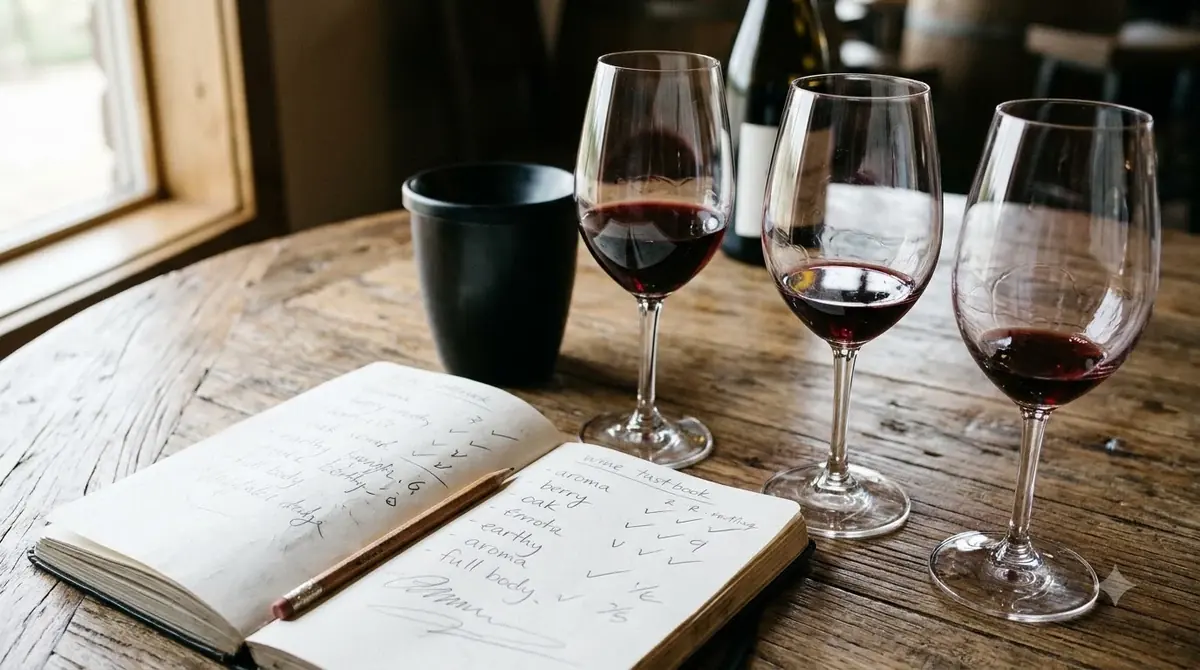
A glass of Chianti typically opens with aromas of tart red cherry, roasted tomato, dried oregano, violet, and sweet balsamic. Reviewers at Wine Folly note that Sangiovese-driven wines carry medium-high acidity and medium-high tannins, giving the palate a brisk, mouthwatering grip that refreshes rather than coats the tongue. Young Chianti Annata bottlings stay lively and fruit-forward with minimal oak influence, while aged Riserva and Gran Selezione tiers introduce cedar, leather, espresso, and clove.
Malbec moves in a darker, rounder direction. According to Wine Folly’s comprehensive Malbec profile, primary flavors center on red plum, blackberry, black cherry, vanilla, sweet tobacco, and cocoa. Because Malbec naturally holds medium-low acidity and medium tannins, its texture feels velvety and generous rather than crisp. Entry-level bottles often see only four to six months in oak to preserve fresh berry juiciness, while reserve bottlings spend up to 18 or 20 months in barrel for deeper mocha and spice complexity—a contrast you can also see when looking at malbec vs tempranillo.
| Attribute | Chianti (Sangiovese) | Malbec (Mendoza Style) |
|---|---|---|
| Primary Grape | Sangiovese (minimum 70%–80%) | Malbec (typically 85%–100%) |
| Body | Medium to Medium-Full | Full |
| Acidity | Medium-High | Medium-Low |
| Tannins | Medium-High (firm, grippy) | Medium (soft, velvety) |
| Core Flavors | Red cherry, dried oregano, roasted tomato, leather | Blackberry, red plum, cocoa, sweet tobacco |
| Typical ABV | 12.5%–14% | 13.5%–15% |
| Serving Temperature | 60°F–68°F (15°C–20°C) | 60°F–68°F (15°C–20°C) |
Where It Grows
Chianti comes exclusively from the rolling hills of central Tuscany in Italy, while Malbec achieves its signature style in the high-altitude desert vineyards of Argentina. Climate and elevation drive the stark stylistic gap between the two wines.
Within Tuscany, Chianti is divided between the broader Chianti DOCG zone—spanning provinces like Florence, Siena, Pisa, and Arezzo—and the historic heartland of Chianti Classico DOCG. Here, warm Mediterranean days are tempered by hillside breezes and limestone-clay soils known locally as galestro and alberese. These conditions allow late-ripening Sangiovese to develop aromatic complexity while keeping its brisk natural acidity intact.
Malbec thrives under intense sunshine paired with dramatic day-to-night temperature swings. French botanist Michel Pouget introduced the grape to Mendoza in 1868, where high-elevation vineyards in the Uco Valley and Luján de Cuyo sit against the foothills of the Andes. Warm, sunny afternoons ripen Malbec’s thick skins completely, while cold mountain nights prevent the grape from losing freshness. Outside Argentina, cooler-climate Cahors in France produces a firmer, earthier interpretation, and regions like Walla Walla in the Pacific Northwest turn out structured, dark-fruited examples.
How to Serve
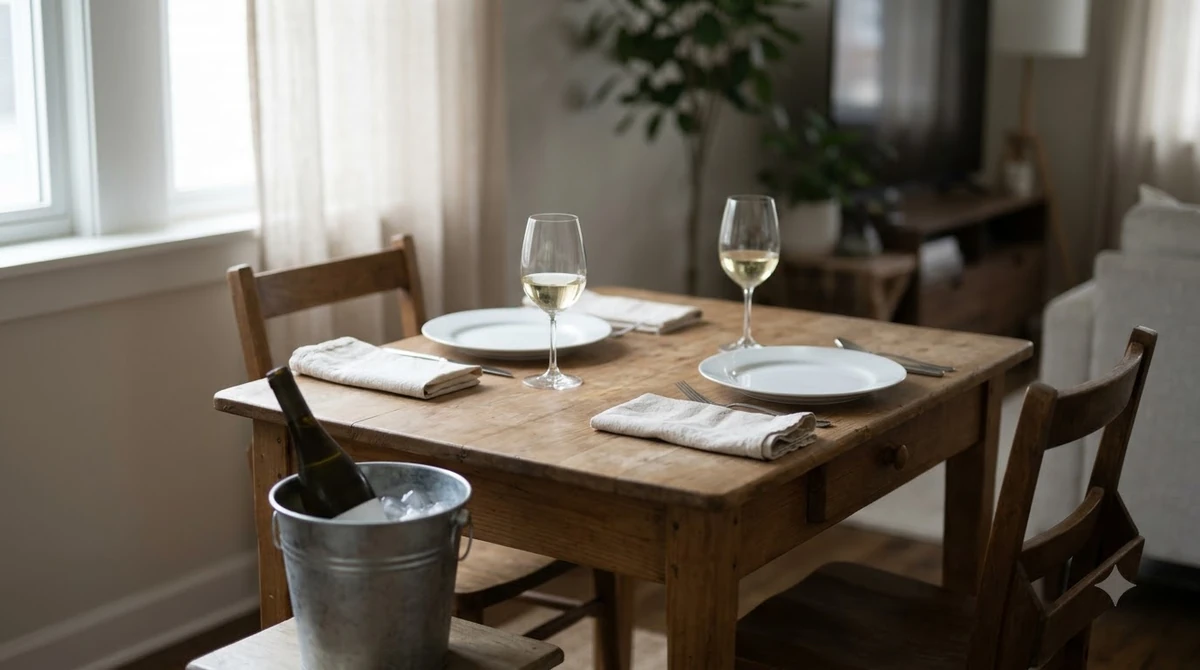
Both Chianti and Malbec taste best slightly below typical room temperature at 60°F to 68°F (15°C to 20°C), and both benefit from a short decant before pouring. Managing temperature and aeration prevents alcohol heat and softens structural edges.
Serving either red too warm—above 70°F—flattens the fruit and exaggerates alcohol, especially in Malbecs that reach 14.5% or 15% ABV. Putting a bottle in the refrigerator for 30 to 40 minutes before dinner brings it right into the ideal cellar window. Standard universal red wine glasses with a moderately wide bowl give both wines enough surface area to release their aromatics without concentrating alcohol fumes.
Decanting plays a slightly different role for each bottle. Because young Chianti carries firm, mouth-drying tannins, pouring it into a decanter for at least 30 minutes helps smooth out the astringency and opens up subtle herbal and floral notes. Fruit-forward, unoaked Malbec can be poured straight from the bottle, though giving reserve or aged Malbecs 30 minutes of air allows dense oak spice and cocoa aromas to integrate cleanly.
Tip: If you are opening both bottles at the same dinner, pour the Chianti first alongside lighter starters or tomato dishes, then move to the fuller, higher-alcohol Malbec for the main course so the Malbec does not overwhelm Chianti’s delicate red fruit.
Food Pairing
Chianti is built for high-acid, tomato-driven, and herb-seasoned Italian cooking, whereas Malbec shines alongside charred red meats, smoky barbecue, and rich, savory glazes. Matching the wine’s acid and tannin profile to the weight of your plate is the easiest path to a great pairing.
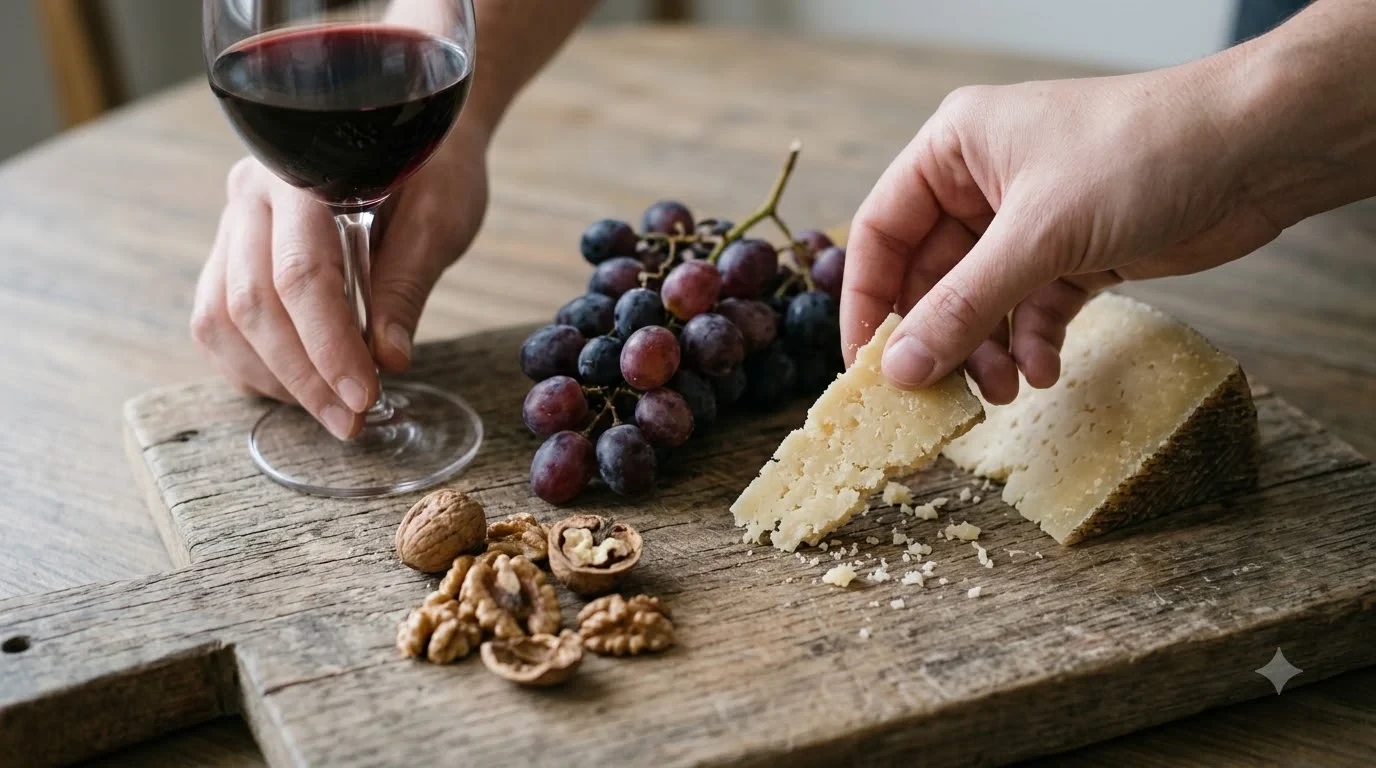
In food pairing, high-acid wines crave high-acid foods. Chianti’s brisk acidity cuts effortlessly through rich marinara, puttanesca, wood-fired Margherita pizza, and baked lasagna without tasting sour or metallic. Its savory dried-herb character and firm tannins also lock onto roasted pork loin, grilled sausages, mushroom risotto, and aged Pecorino or Parmigiano-Reggiano cheese.
Malbec’s plush dark fruit, lower acidity, and rounded tannins make it a natural partner for grilled steak, especially skirt or flank steak topped with bright green chimichurri sauce. Because Malbec lacks harsh, aggressive tannins, it also handles leaner meats and sweet-savory flavors better than Cabernet Sauvignon—working well with roasted turkey, pulled pork, barbecued ribs, blue cheese burgers, and black bean dishes. For even broader side-by-side pairing ideas across grapes, browse our Wine vs Wine hub, or compare crisp white pairing strategies in albarino vs sauvignon blanc.
How to Choose a Bottle
Choosing between Chianti and Malbec starts with the mood of your meal, followed by checking key regional and aging terms printed on the front label. A quick scan of classification cues tells you whether a bottle will taste bright and snappy or deep and oak-aged.
When shopping for Chianti, look first at the regional designation. Standard Chianti DOCG offers light, crisp, everyday cherry fruit meant for immediate drinking. Stepping up to Chianti Classico—identifiable by the iconic Black Rooster (Gallo Nero) emblem on the neck or label—guarantees fruit from the historic Tuscan core with greater concentration. Within Chianti Classico, Annata bottles are aged at least 12 months for fresh vibrancy, Riserva requires 24 months for deeper spice and leather complexity, and Gran Selezione requires 30 months from estate-grown fruit.
When selecting Malbec, pay attention to sub-region and oak aging indicators. Bottles labeled simply Mendoza tend to highlight juicy plum and blackberry with minimal oak, making them versatile crowd-pleasers. Labels naming higher-altitude sub-regions such as the Uco Valley or Luján de Cuyo—or carrying terms like Reserva—signal greater structure, floral violet lift, and richer cocoa notes from extended barrel aging. If you prefer a drier, more savory profile over plush New World fruit, look for a bottle from Cahors in France.
Frequently Asked Questions
Is Chianti or Malbec drier?
Both Chianti and Malbec are fermented completely dry, typically containing less than one gram of residual sugar per liter. However, Chianti often tastes drier on the palate because its high acidity and firm tannins create a crisp, mouth-watering sensation, whereas Malbec’s ripe blackberry and plum fruit gives an impression of soft richness.
Which wine has higher alcohol, Chianti or Malbec?
Malbec generally carries higher alcohol, usually landing between 13.5% and 15% ABV due to the sunny, warm growing conditions in Argentina. Chianti typically sits slightly lower at 12.5% to 14% ABV, giving it a lighter, more refreshing feel over a multi-course dinner.
What does the Black Rooster symbol on a Chianti bottle mean?
The Black Rooster, or Gallo Nero, is the official trademark of the Chianti Classico Wine Consortium. Seeing it on the bottle confirms that the wine was produced strictly within the historic Chianti Classico zone in Tuscany and meets higher Sangiovese percentage and aging standards than standard Chianti DOCG.
Can you age Chianti and Malbec in a home cellar?
Entry-level Chianti Annata and young, unoaked Malbecs are crafted to be enjoyed within three to five years of vintage while their fresh fruit is brightest. However, structured Chianti Classico Riserva, Gran Selezione, and high-altitude Reserva Malbecs can evolve gracefully for 10 to 20 years in cool, dark storage.
Ultimately, the choice between Chianti and Malbec comes down to whether your table calls for brisk, savory lift or plush, dark-fruited weight. Keep Chianti on hand for tomato sauces, herbs, and lively weeknight pasta, and reach for Malbec whenever grilled meats, smoky spices, or rich comfort dishes are on the menu.
More in Wine vs Wine
 Nero d’Avola vs Pinot Noir: Taste, Body, and Pairing DifferencesUpdated Nov 21, 2026
 Chenin Blanc vs Pinot Blanc: Key Differences in Taste, Acidity, and PairingsUpdated Nov 21, 2026
 Chardonnay vs Shiraz: Key Differences in Taste, Serving, and PairingUpdated Nov 21, 2026
 Chardonnay vs Verdejo: How Spain’s Crisp White Compares to the World’s ChameleonUpdated Nov 21, 2026
 Chardonnay vs Sancerre: Key Differences in Taste, Grapes, and PairingUpdated Nov 21, 2026
 Chardonnay vs Malbec: Key Differences in Taste, Body, and PairingUpdated Nov 21, 2026