

We may earn a commission when you buy through links on this page, at no extra cost to you. Learn more.
Ca del bosco wine is a benchmark portfolio of Italian traditional-method sparkling and still wines produced in Lombardy’s Franciacorta DOCG zone. Founded in the late 1960s by Annamaria Clementi and her son Maurizio Zanella, the Erbusco-based winery is internationally recognized for organic viticulture, extended lees aging, and its signature oxygen-free disgorgement process. Its flagship Cuvée Prestige Extra Brut and long-aged Annamaria Clementi Riserva showcase Chardonnay, Pinot Noir, and Pinot Blanc with fine bubbles and crisp mineral tension.
While Prosecco relies on tank fermentation for light, fruity immediacy, Franciacorta follows the same second-fermentation-in-bottle discipline as Champagne. Among the houses that defined this northern Italian appellation, Ca’ del Bosco stands out for combining certified organic farming across more than 250 hectares with custom cellar engineering designed to preserve fruit purity and minimize added sulfites.
Who Makes Ca’ del Bosco Wine
Ca’ del Bosco is a pioneering Italian wine estate located in Erbusco, within the Franciacorta appellation of Lombardy, founded in 1968 by Maurizio Zanella after his mother Annamaria Clementi purchased a hillside property there in 1965. Originally named for the “house in the wood” surrounded by chestnut trees, the estate grew from a small five-hectare plot into one of Italy’s most influential sparkling wine producers.
During the early 1970s, a formative trip to Champagne inspired Zanella to apply French bottle-fermentation rigor to Lombardy’s glacial moraine soils. Rather than copying French models outright, he invested heavily in vineyard mapping, high-density planting, and cellar technology tailored to northern Italy’s warmer alpine foothills. Reviewers at Wine Enthusiast recognized this half-century trajectory by naming Ca’ del Bosco its 2023 European Winery of the Year.
Today, the winery farms 253 hectares of vineyards and achieved full certified organic viticulture in 2014. On the Ca’ del Bosco official website, the team outlines what it calls the Ca’ del Bosco Method, a sequence that begins with hand-harvesting into small crates and cooling the fruit before sorting. Clusters pass through a proprietary “berry spa”—a triple-soak washing and air-drying system that removes dust and vineyard residues without damaging grape skins—followed by gravity-flow pressing and disgorgement in a completely oxygen-free chamber.
Because oxygen exposure is eliminated during disgorgement, the winery avoids oxidative shock and keeps total sulfur dioxide levels dramatically lower than legal maximums. Every sparkling bottle is also wrapped in a clear, UV-filtering golden cellophane sleeve to protect the wine from light strike while displaying its pale straw or salmon hue inside clear glass.
The Ca’ del Bosco Lineup
The Ca’ del Bosco portfolio centers on Franciacorta DOCG sparkling wines—spanning multi-vintage Cuvée Prestige bottlings, vintage-dated Vintage Collection expressions, and long-aged Riserva cuvées—alongside still red and white Sebino IGT wines. Each tier reflects different vineyard selections, oak fermentation regimes, and aging periods on the spent yeast lees.
Cuvée Prestige Edizione serves as the estate’s signature introduction, blending Chardonnay (roughly 75 to 84 percent depending on the edition) with Pinot Noir and a touch of Pinot Blanc from dozens of organic parcels. Aged on the lees for at least 25 months and finished at Extra Brut dryness with around 1.5 grams per liter of residual sugar, it balances orchard fruit with subtle brioche depth. A companion Cuvée Prestige Rosé brings Pinot Noir skin maceration into the blend for wild strawberry and blood orange character.
Above the non-vintage tier sits the Vintage Collection, produced only in harvests that show strong structural definition. This trio comprises Dosage Zéro (no added sugar at disgorgement), Extra Brut, and Satèn—a blanc de blancs style made exclusively from Chardonnay and Pinot Blanc fermented partially in small oak barrels and bottled at slightly lower atmospheric pressure for a creamier mousse. At the pinnacle, Cuvée Annamaria Clementi Riserva and Annamaria Clementi Rosé spend an average of eight years aging on their lees before release.
| Bottling | Primary Grapes | Minimum Lees Aging | Style & Sweetness | Typical ABV |
|---|---|---|---|---|
| Cuvée Prestige Edizione | Chardonnay, Pinot Noir, Pinot Blanc | 25 months | Extra Brut sparkling | 12.5% |
| Cuvée Prestige Rosé | Pinot Noir, Chardonnay | 25–30 months | Extra Brut rosé sparkling | 12.5% |
| Vintage Collection Satèn | Chardonnay (85%), Pinot Blanc (15%) | 48 months | Brut silky blanc de blancs | 12.5% |
| Vintage Collection Dosage Zéro | Chardonnay, Pinot Noir, Pinot Blanc | 48 months | Pas Dosé (no added dosage) | 12.5% |
| Annamaria Clementi Riserva | Chardonnay, Pinot Noir, Pinot Blanc | 8 years (average) | Extra Brut / Pas Dosé Riserva | 12.5%–13% |
Beyond sparkling bottlings, Ca’ del Bosco produces still wines under the Sebino IGT designation, including Corte del Lupo Bianco and Rosso, Maurizio Zanella (a Bordeaux-style blend of Cabernet Sauvignon, Merlot, and Cabernet Franc), and single-varietal bottlings like Pinéro and Ilmerlot. Exploring these still wines alongside northern Italian neighbors like Zenato wine from neighboring Veneto highlights how Lombardy’s alpine foothills support both crisp whites and structured reds.
Taste Profile and Winemaking Style
Ca’ del Bosco sparkling wines are defined by pinpoint effervescence, brisk natural acidity, and a dry, mineral-driven finish layered over subtle pastry and citrus notes. Rather than relying on heavy dosage to mask greenness, the house harvests ripe, healthy organic fruit in August and lets extended lees contact build mid-palate texture.
In younger releases such as Cuvée Prestige Edizione, aromas open with white peach, Golden Delicious apple, lemon zest, and freshly baked bread dough. The bead is persistent and energetic without feeling aggressive, carrying flavors of toasted almond and crushed chalk across a clean, bone-dry finish. Rosé bottlings add notes of crushed raspberry, pomegranate, and rosehip backed by firm Pinot Noir grip.
With extended cellar aging in the Vintage Collection and Annamaria Clementi tiers, primary orchard fruit evolves into caramelized hazelnut, candied quince, honeycomb, and savory spice. Partial fermentation in seasoned small oak casks lends breadth and silkiness, while malolactic fermentation softens sharp edges without sacrificing Franciacorta’s signature freshness.
How to Serve and Pair Ca’ del Bosco
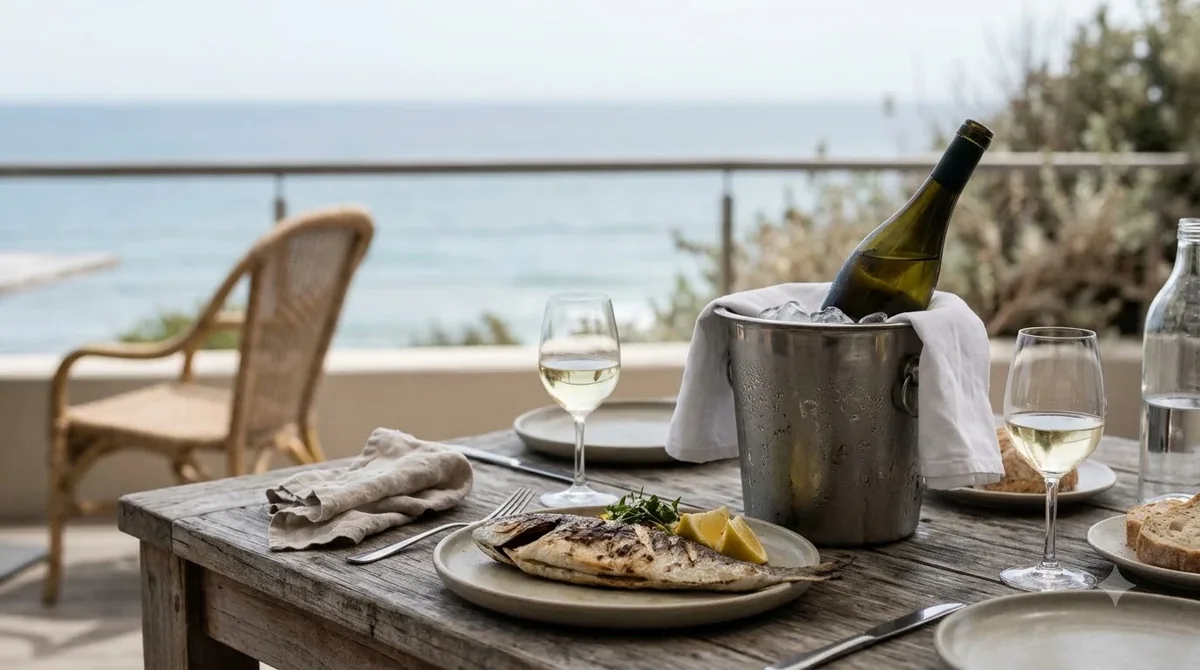
Serve Ca’ del Bosco sparkling wines chilled between 43°F and 46°F (6°C to 8°C) in a tulip-shaped sparkling wine glass rather than a narrow flute. A tulip bowl tapers slightly at the rim to concentrate delicate yeast and citrus aromatics while giving the wine enough surface area to open up as it warms slightly in the glass.
Tip: Keep the UV-protective golden wrapper on the bottle until you are ready to chill and pour, especially if storing clear-glass Franciacorta bottles under bright kitchen or dining room lights.
Chill the bottle gradually in the refrigerator for three to four hours, or submerge it in an ice-and-water bucket for 25 to 30 minutes before service. Avoid freezing temperatures, which mute subtle brioche and mineral nuances and flatten the mousse. For long-aged Riserva bottlings like Annamaria Clementi, serving closer to 48°F (9°C) in a standard white wine glass unlocks deeper savory and nutty layers.
At the table, the Extra Brut dryness and brisk acidity of Cuvée Prestige make it a versatile partner for fried seafood, prosciutto di Parma, aged Parmigiano-Reggiano, and mushroom risotto. Vintage Collection Satèn’s velvety texture pairs naturally with raw shellfish, sea bass crudo, or butter-poached lobster, while Annamaria Clementi Riserva stands up to roasted poultry, veal, and truffle dishes.
Who Ca’ del Bosco Wine Suits
Ca’ del Bosco suits wine drinkers who appreciate the complexity and dry precision of grower Champagne but want a distinct northern Italian expression shaped by warmer sunshine and glacial soils. Anyone comparing traditional-method sparklers across major wine brands will find its Extra Brut profile noticeably drier and more yeast-complex than standard Prosecco or entry-level Cava.
The lineup also appeals to diners seeking food-friendly sparkling wines that carry an entire meal rather than serving solely as a celebratory toast. While casual, fruit-forward bottles like Main and Vine wine or creative hybrids such as Apothic Brew fit relaxed weeknight occasions, Ca’ del Bosco is built for multi-course dinners, milestone gatherings, and cellar aging.
Collectors who enjoy tracking vintage variation and extended lees development gravitate toward the Vintage Collection and Annamaria Clementi Riserva releases, which reward five to fifteen years of cool cellar storage. Meanwhile, wine lovers sensitive to heavy sulfites often appreciate the estate’s oxygen-free disgorgement protocol, which keeps total sulfur dioxide well below conventional sparkling wine thresholds.
Frequently Asked Questions
Is Ca’ del Bosco wine Champagne or Prosecco?
Ca’ del Bosco is neither Champagne nor Prosecco; it is Franciacorta DOCG, a traditional-method sparkling wine from Lombardy in northern Italy. Like Champagne, it undergoes its second fermentation inside the bottle and ages for years on its lees, whereas Prosecco is typically fermented in pressurized stainless-steel tanks.
What grapes are used in Ca’ del Bosco Franciacorta?
The estate relies primarily on Chardonnay, Pinot Noir (Pinot Nero), and Pinot Blanc (Pinot Bianco) grown in certified organic vineyards around Erbusco. Cuvée Prestige is predominantly Chardonnay with smaller proportions of Pinot Noir and Pinot Blanc, while Satèn uses exclusively white grapes (Chardonnay and Pinot Blanc).
How dry is Ca’ del Bosco Cuvée Prestige?
Cuvée Prestige is bottled as an Extra Brut with roughly 1.5 grams per liter of residual sugar, placing it well into the bone-dry category. Despite the minimal dosage, ripe August fruit and at least 25 months of lees aging give the wine a rounded, balanced mid-palate rather than an austere finish.
Does Ca’ del Bosco make still wines as well as sparkling wines?
Yes, the winery produces several still white and red wines classified under the Sebino IGT appellation alongside its Franciacorta sparkling range. Notable examples include Corte del Lupo Bianco, Corte del Lupo Rosso, and the Cabernet-Merlot blend Maurizio Zanella.
By pairing certified organic farming with patented oxygen-free cellar techniques, Ca’ del Bosco helped establish Franciacorta as Italy’s premier traditional-method sparkling wine region. Understanding its grape blends, lees-aging tiers, and serving temperatures makes it easy to match the right cuvée to both everyday seafood dishes and celebratory tables.
More in Wine Brands
 Underwood Wine Price: Compare Bottles, Cans, and Pack SizesUpdated Nov 21, 2026
 Zenato Wine Price: Compare Styles and Choose the Right BottleUpdated Nov 21, 2026
 Zuccardi Wine Price: Compare Bottles and Find the Right RangeUpdated Nov 21, 2026
 Yellow Tail Moscato Review: Taste, Sweetness and Serving TipsUpdated Nov 21, 2026
 Wolf Blass Yellow Label Review: Choose Your Best StyleUpdated Nov 21, 2026
 Wolffer Estate Rose Review: Choose the Right Bottle for Your TableUpdated Nov 21, 2026