

We may earn a commission when you buy through links on this page, at no extra cost to you. Learn more.
If you are wondering what is pinot blanc, it is a dry, light-to-medium-bodied white wine grape that originated as a natural genetic color mutation of Pinot Noir. Known as Pinot Bianco in Italy and Weissburgunder in Germany and Austria, it produces refreshing wines with orchard fruit flavors, subtle almond notes, and medium acidity. While it shares DNA with Pinot Gris, Pinot Blanc offers a rounder texture and gentler citrus profile that bridges the gap between crisp Pinot Grigio and fuller-bodied Chardonnay.
Because it rarely dominates grocery store endcaps the way Sauvignon Blanc or Chardonnay do, Pinot Blanc often flies under the radar for everyday American wine drinkers. Yet sommeliers and seasoned diners regularly reach for it because of its adaptability at the dinner table and its range of styles, from unoaked patio sippers to barrel-aged bottles with serious structure. Understanding how this grape behaves in the vineyard and the cellar makes it much easier to spot a great bottle on any wine list or retail shelf.
What Is Pinot Blanc
Pinot Blanc is a white-berried mutation of the ancient red grape Pinot Noir, belonging to the broader Pinot family alongside Pinot Gris and Pinot Meunier. Even though the berries produce white wine, the skins can still show a faint rosy or golden-green tint in the vineyard before harvest.
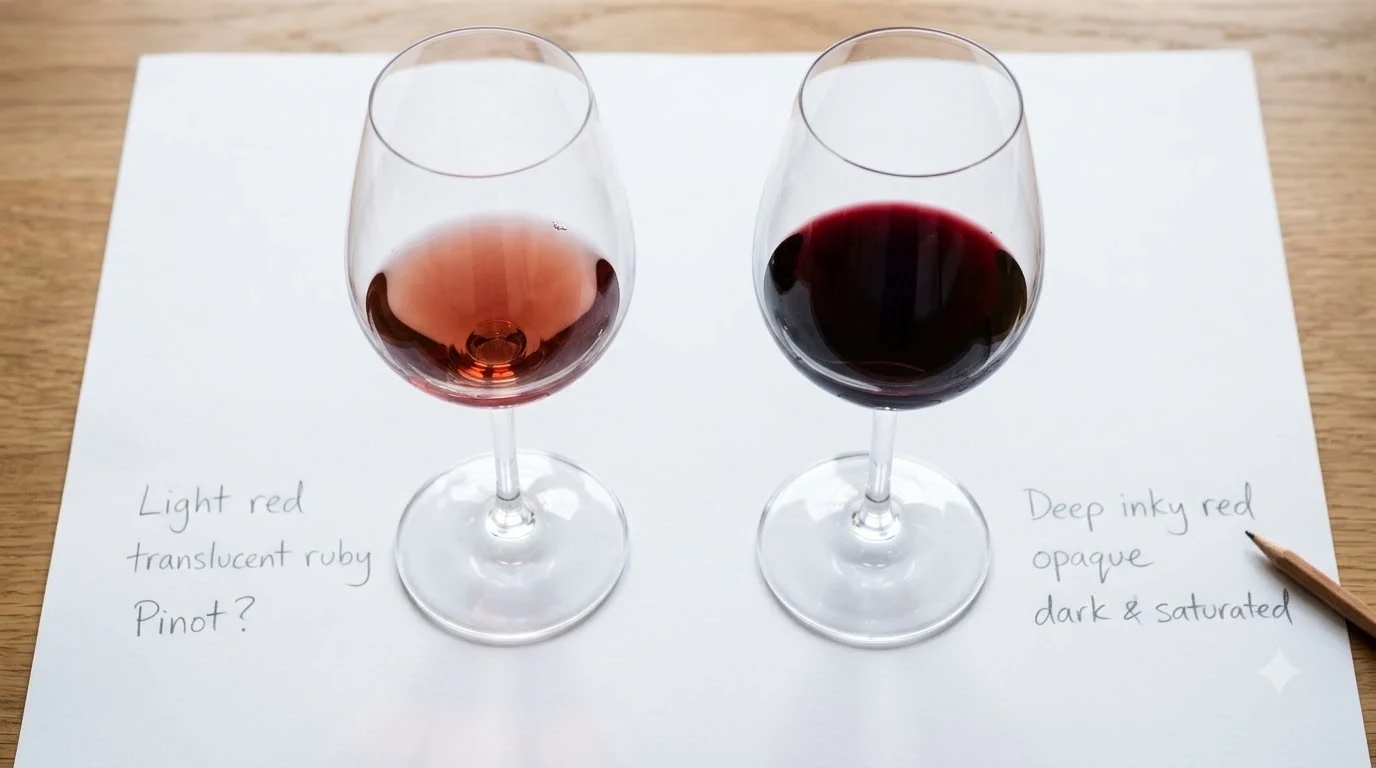
To understand the grape’s origin, it helps to look at how anthocyanins—the natural pigments responsible for red and purple grape skins—function inside the Pinot family. As VinePair explains in its breakdown of the Pinot family, Pinot Noir holds the highest concentration of active anthocyanins, Pinot Gris sits in the middle with grayish-pink skins, and Pinot Blanc carries the least active pigment of the three. Despite these visual differences on the vine, genetic research shows that all three grapes are virtually identical at the DNA level, differing only in the specific gene expressions that govern skin color.
In the vineyard, Pinot Blanc is generally more obliging and productive than its notoriously finicky parent, Pinot Noir. It buds relatively early and ripens reliably in cool-to-moderate climates, allowing growers to harvest healthy fruit with balanced natural acidity. In the cellar, winemakers treat it as a flexible canvas that responds well to both stainless steel fermentation and oak aging, which explains why two bottles labeled Pinot Blanc can taste remarkably different depending on where and how they were made.
If you are exploring different Wine by Type, it is also helpful to clear up a common point of label confusion. In France’s Alsace region, a bottle labeled “Pinot Blanc” is legally allowed to be a blend that includes Auxerrois Blanc—a closely related but distinct grape variety that adds extra body and floral aromatics. Outside Alsace, however, bottles labeled Pinot Blanc, Pinot Bianco, or Weissburgunder are typically made from 100 percent Pinot Blanc grapes.
Flavor Profile and Winemaking Styles
On the palate, Pinot Blanc is typically dry, light-to-medium-bodied, and defined by orchard fruits like crisp pear, green apple, and white peach alongside a signature hint of raw almond. Its acidity sits comfortably in the medium range, giving the wine a clean, refreshing finish without the sharp, mouth-puckering zing of Sauvignon Blanc.
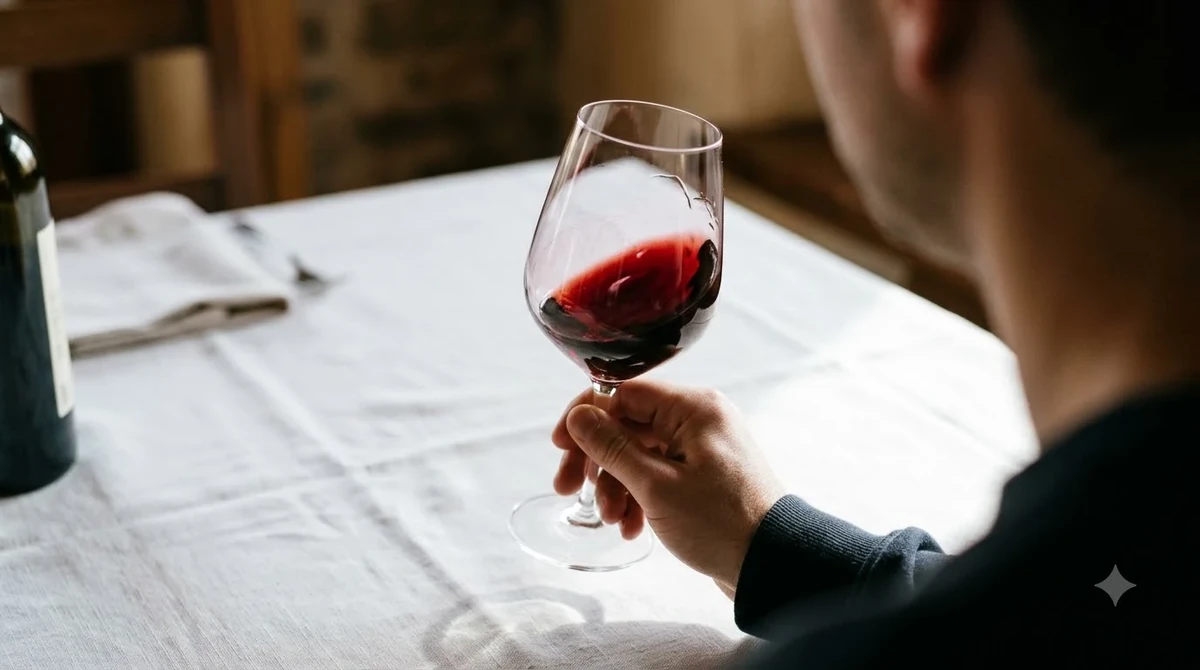
According to Wine Folly’s comprehensive guide to Pinot Blanc, classic examples commonly showcase primary flavors of pear, peach, raw almond, lemon zest, and crushed gravel, with alcohol levels frequently landing between 13.5 percent and 15 percent ABV depending on ripeness and regional style. Because the grape lacks the aggressive aromatic compounds found in varieties like Gewürztraminer or Muscat, its charm lies in subtle texture, gentle stone fruit, and mineral grip rather than loud perfume.
Winemakers generally steer Pinot Blanc into one of three distinct styles:
- Unoaked and Crisp: Fermented in stainless steel with no oak contact, these wines prioritize pure green apple, pear, lemon zest, and stony minerality. They are bottled young to preserve freshness and snap.
- Barrel-Aged and Textural: Aged in neutral oak, large wooden casks, or acacia barrels—sometimes with extended lees contact—these versions develop rounder weight, subtle wood spice, biscuit notes, and a creamy mid-palate reminiscent of lightly oaked Chardonnay.
- Traditional Method Sparkling: Because of its clean fruit profile and supportive acidity, Pinot Blanc is a key blending grape in traditional-method sparkling wines such as France’s Crémant d’Alsace and Northern Italy’s Franciacorta.
| Attribute | Pinot Blanc | Pinot Grigio / Pinot Gris | Chardonnay |
|---|---|---|---|
| Body | Light to medium | Light (Italian) to full (Alsatian) | Medium to full |
| Acidity | Medium | Medium-high to high | Medium |
| Core Flavors | Pear, peach, green apple, raw almond | Lemon, lime, green pear, white nectarine | Yellow apple, citrus, melon, butter/vanilla (if oaked) |
| Oak Influence | Usually unoaked; occasionally neutral or large cask | Rarely oaked in Italy; occasionally oaked in Alsace | Frequently fermented or aged in oak barrels |
| Overall Impression | Round, balanced, and quietly mineral | Zesty and citrus-driven (or spicy and rich in Alsace) | Plush, structured, and versatile |
Where Pinot Blanc Grows Best
Pinot Blanc thrives in cool-to-moderate wine regions where warm daytime sun ripens its stone fruit flavors while chilly nights lock in natural acidity. Its spiritual home is Alsace in northeastern France, though it plays an equally prominent role across Germany, Austria, Northern Italy, and select coastal or high-elevation pockets of North America.
In Alsace, Pinot Blanc serves as the region’s go-to everyday dry white wine and forms the backbone of Crémant d’Alsace sparkling wines. Across the border in Germany—where the grape is labeled Weissburgunder—growers in regions like Baden, Pfalz, and Rheinhessen craft dry, precise styles ranging from crisp, steel-fermented bottles to serious, barrel-matured single-vineyard wines. Austria’s Styria and Niederösterreich regions produce similarly focused Weissburgunder with vibrant mineral drive and orchard fruit clarity.
In Northern Italy, particularly in Alto Adige (Südtirol) and Friuli-Venezia Giulia, the grape goes by Pinot Bianco. High-altitude Alpine vineyards in Alto Adige give Pinot Bianco remarkable freshness, herbal lift, and longevity, while producers in Lombardy’s Franciacorta zone blend it into traditional-method sparkling wines.
In the United States, plantings remain relatively small compared to mainstream white varieties, making domestic bottles rewarding finds. Oregon’s Willamette Valley produces bright, aromatic Pinot Blanc alongside its famous Pinot Noir, while California’s Monterey County, Santa Barbara County, and Chalone AVA yield fuller, sun-kissed expressions. Cooler East Coast and Great Lakes appellations—including New York’s North Fork of Long Island and Michigan’s Old Mission Peninsula—also turn out crisp, saline-inflected examples.
How to Serve Pinot Blanc
Serve unoaked, crisp Pinot Blanc well chilled at 45 to 50 degrees Fahrenheit (7 to 10 degrees Celsius), while richer, barrel-aged bottles show best slightly warmer at 50 to 55 degrees Fahrenheit (10 to 13 degrees Celsius). Serving it straight out of an ice-cold kitchen refrigerator around 38 degrees Fahrenheit mutes its delicate pear and almond aromas, so letting the bottle sit on the counter for 15 to 20 minutes before pouring makes a noticeable difference.
A standard medium-sized white wine glass with a tulip-shaped bowl works well for almost every style of Pinot Blanc. The narrower rim concentrates subtle orchard fruit and white blossom notes while directing the wine cleanly across the palate. If you open a fuller-bodied, barrel-aged Pinot Bianco from Alto Adige or an older Alsatian bottle, pouring it into a slightly wider Chardonnay-style glass gives those nutty, lees-driven layers extra room to open up.
Tip: Most unoaked Pinot Blanc is crafted for youthful freshness within one to three years of the vintage date, though top barrel-fermented examples from Alsace, Germany, and Alto Adige can develop appealing honeyed and toasted-almond complexity over five to eight years in a cool cellar.
Food Pairing with Pinot Blanc
Pinot Blanc is one of the most food-friendly white wines on the table because its medium acidity refreshes the palate without clashing with delicate sauces, herbs, or mild cheeses. Rather than overpowering subtle ingredients, it acts like a squeeze of fresh lemon paired with a touch of texture.
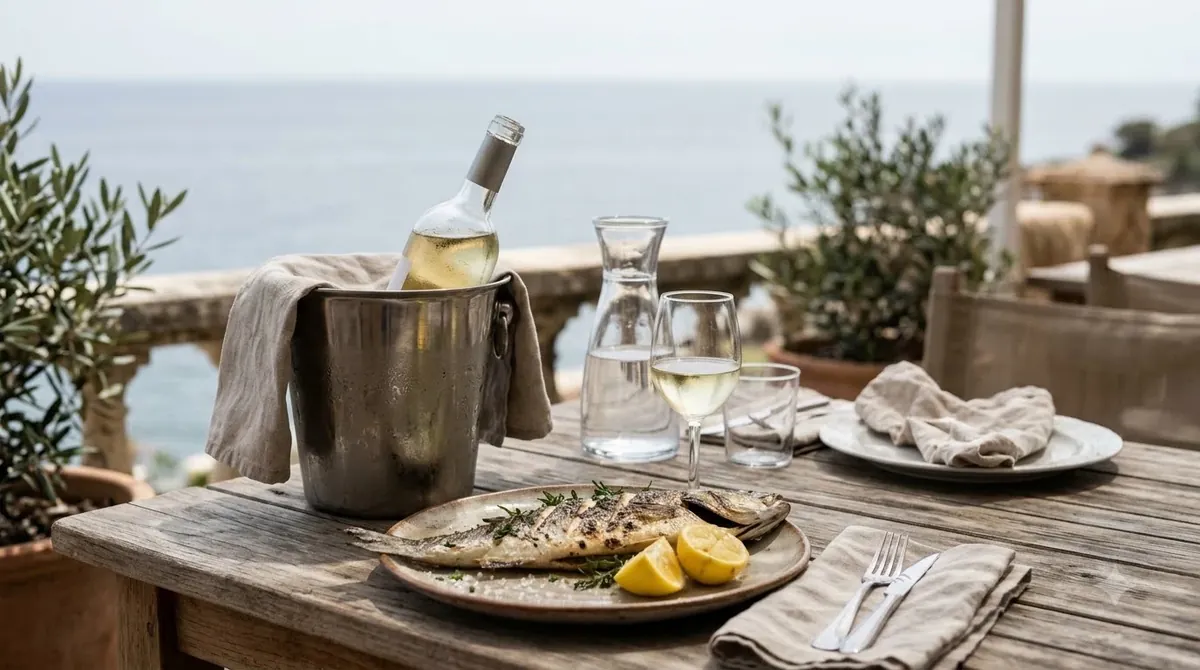
For seafood and light fare, unoaked Pinot Blanc excels alongside raw oysters, seared sea scallops, steamed mussels, flaky white fish with lemon and herbs, and classic lobster rolls. Its clean orchard fruit and mineral edge also complement green salads dressed with creamy vinaigrettes, vegetable crudités, and fresh goat cheese or triple-cream Brie.
When you move toward heartier poultry, pork, or pasta dishes, a slightly rounder or lightly oaked Pinot Blanc steps up easily. Roast chicken with herbs, pork tenderloin with apples, mushroom risotto, pasta in light cream or pesto sauces, and savory onion or leek tarts (like Alsace’s classic tarte flambée) all play right into the wine’s balanced weight. If you enjoy tracking macros while planning dinner parties, you can also compare how dry whites stack up against reds in our breakdown of pinot noir carbs or check out sauvignon blanc carbs for another crisp white benchmark.
How to Choose a Great Bottle
Because Pinot Blanc goes by several regional names, knowing what to scan for on the front and back labels helps you match the bottle to your palate before you buy. First, look for regional synonyms: “Pinot Blanc” on bottles from France, Oregon, California, and New York; “Pinot Bianco” on bottles from Italy; and “Weissburgunder” on bottles from Germany and Austria.
Second, check the back label or tech notes for clues about oak and alcohol. If you want something bright, zesty, and refreshing for warm weather or raw seafood, look for words like “stainless steel,” “unoaked,” or “crisp,” along with an ABV closer to 12.5 to 13.5 percent. If you prefer a richer, broader white wine to pair with roast chicken or creamy pasta, seek out producers mentioning “oak cask,” “barrel-fermented,” “lees aging,” or older-vine bottlings, which often sit closer to 13.5 to 14.5 percent ABV.
Finally, pay attention to vintage freshness on entry-level bottles. Since most everyday Pinot Blanc is built around vibrant orchard fruit rather than heavy oak tannins, choosing one of the two or three most recent vintages on the shelf ensures you get the crispest, liveliest expression in the glass.
Frequently Asked Questions
Is Pinot Blanc a dry or sweet wine?
Pinot Blanc is almost always made as a dry wine, meaning virtually all of the grape sugars are fermented into alcohol. Its ripe pear, peach, and apple flavors can give an impression of fruitiness on the mid-palate, but the finish is clean and crisp rather than sugary. Rare late-harvest sweet versions exist in Alsace and Germany, though these are clearly labeled as dessert wines.
How is Pinot Blanc different from Pinot Grigio?
Both grapes are genetic color mutations of Pinot Noir, so they belong to the same family, but they express different flavor profiles. Pinot Grigio typically leans toward sharper lemon, lime, and green-apple citrus notes with brisk acidity, whereas Pinot Blanc feels slightly rounder in texture and emphasizes white peach, pear, and subtle raw almond.
Is Pinot Blanc similar to Chardonnay?
Pinot Blanc is often described as a lighter, more restrained cousin to Chardonnay. Unoaked Pinot Blanc resembles crisp, unoaked Chablis-style Chardonnay with green apple and mineral notes, while barrel-aged Pinot Blanc develops a creamy texture and subtle nuttiness without feeling overly heavy or buttery.
Can you use Pinot Blanc in sangria or wine cocktails?
Yes, unoaked Pinot Blanc makes a great base for white wine sangria, spritzers, and seasonal punches because its neutral orchard fruit blends smoothly with stone fruits, citrus, and fresh herbs without turning bitter. If you prefer darker berry-driven sangria recipes, you can compare flavor profiles with our guide to pinot noir sangria.
Whether you encounter it on a label as Pinot Blanc, Pinot Bianco, or Weissburgunder, this understated member of the Pinot family rewards anyone looking for a versatile, food-friendly white wine. Keep a chilled bottle on hand for weeknight seafood, roast chicken, or warm-weather sipping, and you will quickly see why sommeliers consider it one of the most reliable values in the white wine aisle.
More in Wine Types & Grapes
 Zinfandel Sugar Content: Dry Red vs. White Zinfandel GramsUpdated Nov 21, 2026
 Best Zinfandel Substitute Options for Sipping and CookingUpdated Nov 21, 2026
 Zweigelt Food Pairing: Best Dishes, Cheeses, and Serving TipsUpdated Nov 21, 2026
 Zinfandel Tannins Explained: How Structure Shapes Every BottleUpdated Nov 21, 2026
 Zinfandel Sweetness Level: Dry Red vs. Sweet White Zin ExplainedUpdated Nov 21, 2026
 Xinomavro Food Pairing: Best Dishes, Styles, and Serving TipsUpdated Nov 21, 2026