

We may earn a commission when you buy through links on this page, at no extra cost to you. Learn more.
The Pinot Blanc grape is a white wine grape that is a mutation of Pinot Noir, producing dry whites with medium acidity and a light body. Its wines typically show pear, peach, lemon zest, and a faint nutty note, with no tannin to speak of. Because the grape is delicate and easygoing, it suits a wide range of light meals and everyday drinking.
Pinot Blanc is often overlooked next to Chardonnay or Sauvignon Blanc, yet it has a loyal following among people who want a fresh, food-friendly white. This guide covers where the grape comes from, what it tastes like, where it grows, and how to serve and pair it. It is written for anyone who sees the name on a wine list and wants to know what to expect.
Where Pinot Blanc Comes From
Pinot Blanc is a white-berried grape that arose as a mutation of Pinot Noir. Wine Folly describes it as the white grape mutation of Pinot Noir, which explains the family resemblance (Wine Folly’s Pinot Blanc grape guide). Pinot Noir and Pinot Blanc share the same ancestry, but the white-skinned version makes a very different style of wine, with lighter color, softer aromas, and less structure.
That relationship matters when you shop. A bottle labeled Pinot Blanc is usually a clean, refreshing white, not a delicate version of a red. If you already like Pinot Noir for its fruit and elegance, Pinot Blanc may appeal to you for the same reasons but in a lighter, brighter form.
What Pinot Blanc Tastes Like
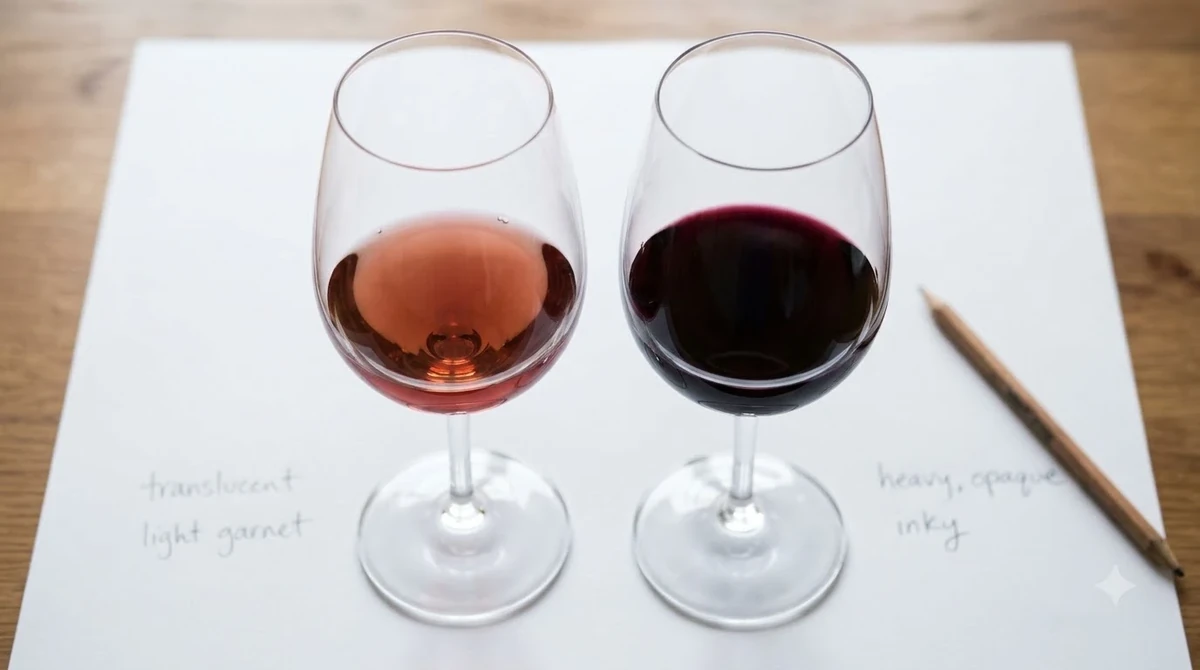
Pinot Blanc is known for fruit that is clear and fresh rather than heavy. Common flavors include pear, peach, and lemon zest, with a subtle note of raw almond. Some wines also show a mineral character that some tasters describe as crushed gravel, which adds interest to the finish.
The structure is light to medium. The wine has medium acidity, which gives it a clean, lively feel, and it carries no tannin. That combination makes Pinot Blanc easy to drink and easy to pair with food, because it does not compete with delicate flavors. Its alcohol is usually around 13.5 to 15 percent by volume.
| Feature | Typical Pinot Blanc | What it means at the table |
|---|---|---|
| Body | Light | Works with light, simple dishes |
| Acidity | Medium | Keeps the wine fresh with creamy foods |
| Tannin | None | Does not need heavy food to balance it |
| Flavor | Pear, peach, lemon zest | Pairs with gentle herbs and fresh fruit |
| Serving temperature | 45 to 55 F (7 to 12 C) | Chilled, but not ice cold |
Where Pinot Blanc Grows
Pinot Blanc is grown in cool and temperate wine regions, where its acidity can stay bright. Wine Folly names Germany and Northern Italy as important homes for the grape, where wines are often described as refreshing, peachy, and dry. Growers in these areas have made the grape a reliable choice for everyday white wine.
The grape also appears in other wine regions around the world, including parts of France and the United States. Its adaptability is one reason it shows up in such different styles, from simple table whites to more polished bottlings with extra time on the lees.
How to Serve Pinot Blanc
Serve Pinot Blanc chilled, around 45 to 55 F (7 to 12 C). At that range the fruit stays crisp and the acidity feels bright. Use a standard white wine glass, and avoid decanting, since the wine is meant to be enjoyed fresh. Most bottles are ready to drink on release, though some well-made examples can improve with one to three years of cellaring.
If the wine is served too cold, the aromas can go quiet. If it is served too warm, the alcohol may feel more noticeable. Pour a small glass first and let it warm slightly in the glass to see which temperature suits your taste.
Tip: Keep an open bottle in the refrigerator and drink it within a few days, since the fresh fruit fades as the wine ages after opening.
Food Pairings for Pinot Blanc
Pinot Blanc works well with foods that have subtle flavors. Soft cheeses such as fresh goat cheese or brie, salads with cream dressings, and flaky white fish all suit the wine’s gentle fruit and clean finish. Roasted chicken with lemon and herbs is another natural match.
The wine can also handle light pasta dishes, risotto with peas, and vegetable plates with mild seasoning. Avoid pairing it with very spicy or heavily smoked foods, which tend to overpower its delicate fruit.
How Pinot Blanc Compares With Other White Grapes
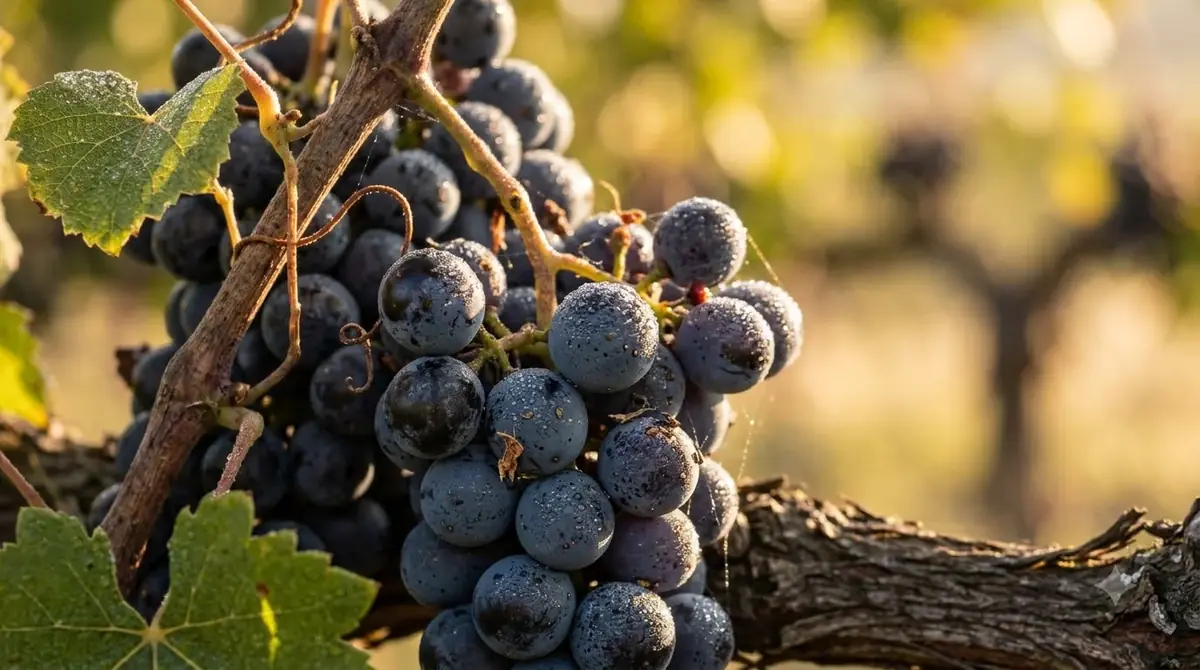
Compared with Chardonnay, Pinot Blanc usually feels lighter and less rich, with less oak and more focus on fresh fruit. Compared with Sauvignon Blanc, it tends to be softer and rounder, with less herbaceous aroma. Pinot Blanc sits between these two styles for many drinkers, which makes it a good middle ground.
If you want a grape with a similar fresh profile and a different origin, the assyrtiko grape from Greece offers a crisp, mineral-led alternative. For a closer relative in the same family, pinot meunier grape shares the Pinot history, though it is a different grape with its own style. The grenache blanc grape is another white worth comparing.
Think about the occasion as well as the bottle. Pinot Blanc is a good choice for a relaxed lunch, an early dinner, or a gathering where you want a white that will not overwhelm the food. It is also a practical wine for people who find heavily oaked whites too rich, since its fresh fruit and clean finish keep the glass easy to finish.
How to Choose a Pinot Blanc
Read the label for the region and the producer. Wines from cooler regions often show brighter acidity and fresher fruit, while warmer regions can produce riper, more generous styles. Because the wine is light, a bottle that is only a year or two old is often at its best.
When you are not sure which bottle to choose, look for a clear description of the fruit and the style. A short tasting note with pear or peach and a mention of medium acidity is a good sign that the wine will suit a simple, bright meal.
Frequently Asked Questions
Is Pinot Blanc the same as Pinot Gris?
No. Pinot Blanc and Pinot Gris are separate members of the Pinot family, with different flavors and styles. Pinot Blanc is generally lighter and fresher in character.
Is Pinot Blanc dry or sweet?
Pinot Blanc is usually dry, with bright acidity and fruit that reads as fresh rather than sugary.
What does Pinot Blanc taste like?
Expect pear, peach, and lemon zest, sometimes with a light almond note. The wine is light-bodied and has no tannin.
How should I serve Pinot Blanc?
Serve it chilled, around 45 to 55 F (7 to 12 C), in a standard white wine glass. Decanting is not needed.
Pinot Blanc also rewards a little curiosity about its winemaking. Some producers keep the wine fresh and simple in stainless steel, while others age it briefly on the lees, the spent yeast left after fermentation. The second approach adds weight and a creamier texture, so the same grape can taste quite different depending on how the wine was made.
Pinot Blanc is a practical, food-friendly white grape with a family connection to Pinot Noir. Choose a bottle from a cool region if you want freshness, serve it chilled, and pair it with light, savory dishes. For more on how white grapes differ from one another, visit the Wine by Type section and compare a few styles side by side.
More in Wine Types & Grapes
 Zinfandel Sugar Content: Dry Red vs. White Zinfandel GramsUpdated Nov 21, 2026
 Best Zinfandel Substitute Options for Sipping and CookingUpdated Nov 21, 2026
 Zweigelt Food Pairing: Best Dishes, Cheeses, and Serving TipsUpdated Nov 21, 2026
 Zinfandel Tannins Explained: How Structure Shapes Every BottleUpdated Nov 21, 2026
 Zinfandel Sweetness Level: Dry Red vs. Sweet White Zin ExplainedUpdated Nov 21, 2026
 Xinomavro Food Pairing: Best Dishes, Styles, and Serving TipsUpdated Nov 21, 2026