

We may earn a commission when you buy through links on this page, at no extra cost to you. Learn more.
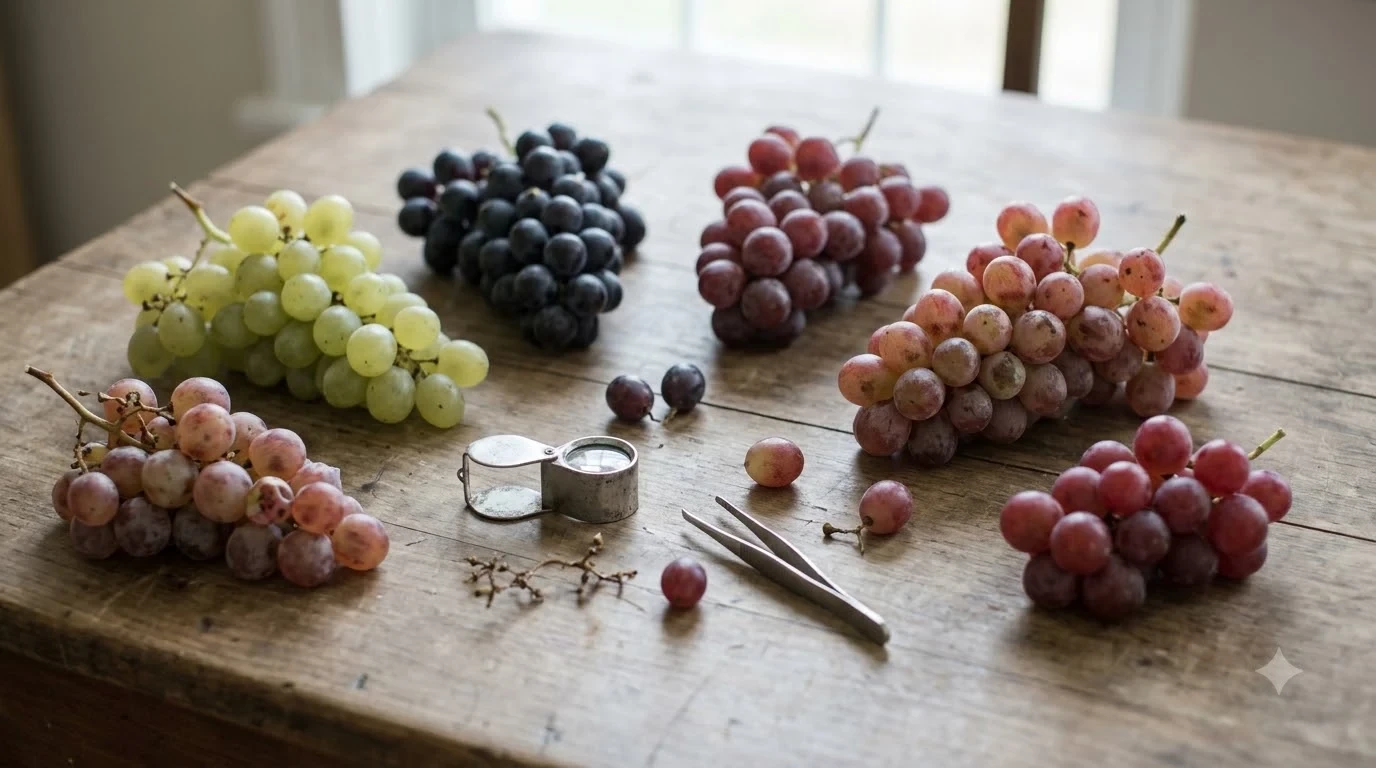
The pinot meunier grape is a dark-skinned variety, pronounced “pee-no moon-nee-yay,” that is best known as one of the three main grapes in Champagne. It is closely related to pinot noir and shares many of its food pairings, but it usually gives a fruitier, softer, and slightly earthier character. Winemakers value it for freshness, medium body, and balance rather than for deep structure.
If you have spent time reading about Champagne or pinot noir, you have probably run into the name pinot meunier and wondered how it fits in. The grape is less famous than its relatives, yet it plays a real role in the wines people drink. This guide explains what the grape is, where it appears, how it tastes, and how it compares with pinot noir.
What Pinot Meunier Is
Pinot meunier is a dark-skinned grape used in red and sparkling wines. Its name is French and is often translated as “miller’s pinot,” a reference to the pale, powdery down on its young leaves, which looks as if it has been dusted with flour. The leaf detail is a traditional explanation rather than a strict botanical fact, but it is a useful way to remember the name.
In German-speaking regions the grape is often known as Schwarzriesling. Winemakers in those areas use it for still reds and for lighter rosé styles. Across the wine world, the grape shows up in small quantities, which is one reason many wine drinkers have not tasted a varietal bottle from it.
Where Pinot Meunier Grows
The grape is most famous in Champagne, the northeastern French region where sparkling wine is made under strict rules. According to the Wine Folly pinot meunier guide, it is mostly seen as a chief blending partner in Champagne, which is the world’s most popular sparkling wine. The same guide notes that it appears alongside pinot noir and chardonnay in the region’s blends.
Champagne’s rules allow several grape varieties, and pinot noir is one of the three most commonly planted, according to the VinePair pinot noir guide. Pinot meunier is grown in the same vineyards, and winemakers often blend it with the other two grapes to balance fruit, structure, and freshness. Outside Champagne, the grape is grown in parts of Germany, Switzerland, and other cool regions, though it is seldom the star of a bottle.
How Pinot Meunier Tastes
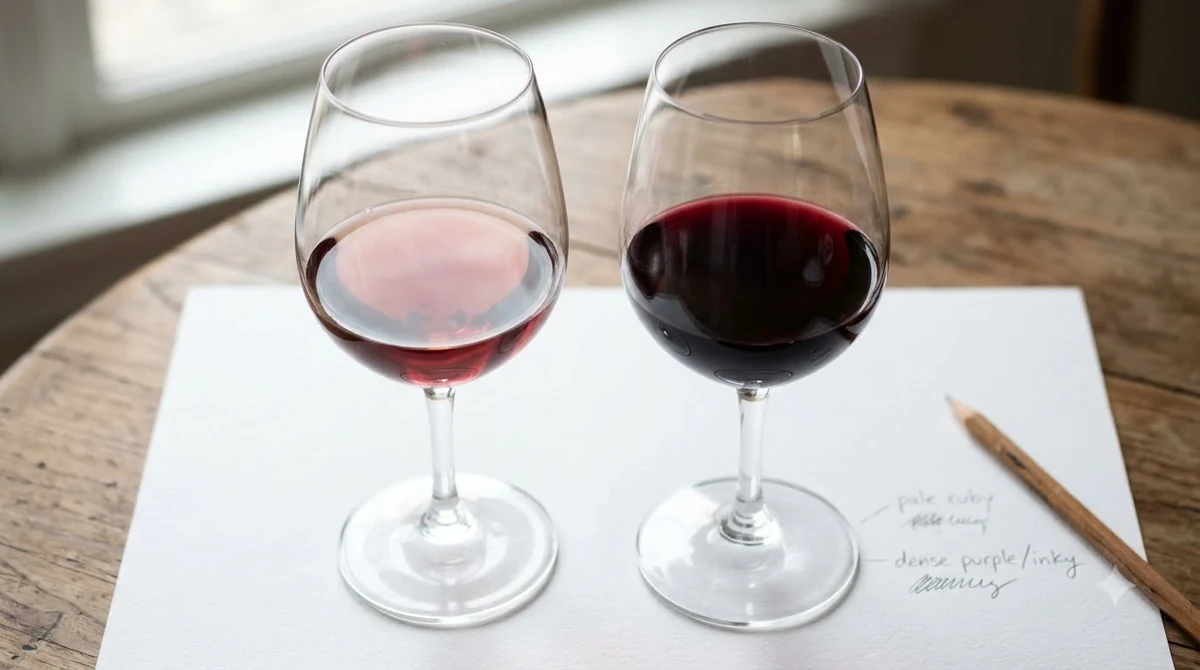
The wine’s flavor is usually bright and fruity. Tart cherry and pomegranate are common notes, and many examples add a savory edge that suggests mushroom, potting soil, or dried herbs. The Wine Folly guide lists flavors such as tart cherry, pomegranate, potting soil, mushroom, and rose, which gives a good sense of the range.
The body is medium-light, and the acidity is medium-high. That combination gives the wine a lively feel without the heavier tannins that some red grapes carry. Because the tannins are softer than those in a bold cabernet, pinot meunier can be easier to drink on a weeknight or with a casual meal.
| Trait | Pinot meunier | Pinot noir (for comparison) |
|---|---|---|
| Body | Medium-light | Light to medium |
| Acidity | Medium-high | Medium-high |
| Typical fruit | Tart cherry, pomegranate | Red cherry, raspberry, strawberry |
| Savory notes | Mushroom, potting soil, herbs | Forest floor, earth, spice |
| Main role | Blending partner in Champagne | Red and sparkling wines |
Tip: When you see a sparkling wine labeled with pinot meunier on the bottle, expect soft red fruit and a rounder mouthfeel than a crisp, lean blanc de blancs.
How Pinot Meunier Compares to Pinot Noir
Pinot meunier and pinot noir are close relatives, and they share the same general flavor family. Both bring red fruit, earthy notes, and good acidity. The main difference is in the feel of the wine. Pinot meunier tends to feel lighter and more approachable, with less structure, which is why winemakers often add it to Champagne blends rather than using it alone.
Pinot noir usually gives more depth and a longer finish when grown in the right place. Pinot meunier is valued for a different reason: it ripens early and adds fruit and softness to blends. If you enjoy pinot noir, you may find pinot meunier a gentle step into the same style, especially with lighter meals.
How to Serve Pinot Meunier
According to the Wine Folly guide, pinot meunier is best served between 55 and 60 degrees Fahrenheit, which is a little cooler than many red wines. That temperature keeps the fruit fresh and prevents the alcohol from feeling heavy. You can chill a bottle for about fifteen minutes before pouring if it has been sitting in a warm room.
A medium-bodied red glass works well, since its shape keeps the aroma focused. Decanting is rarely needed for a typical pinot meunier, because the wine is light and fruity. For sparkling examples from Champagne, serve in a flute or a tulip glass so the bubbles and aroma stay concentrated.
Food Pairings for Pinot Meunier
The Wine Folly guide suggests pairing pinot meunier with pork, roast duck, mushrooms, or grilled vegetables, since it resembles the foods that work with pinot noir. Its savory notes and bright acidity make it a natural match for mushroom dishes, roasted chicken, and herbs such as thyme and rosemary.
In Champagne, the sparkling blends are excellent with fried foods, soft cheeses, and salty snacks. The bubbles clean the palate, and the red fruit complements dishes with a little richness. A rosé or lighter red style works with charcuterie, grilled sausages, or a simple tomato-based pasta.
If you want to explore related grapes after this one, the pinot blanc grape guide covers the white relative in the same family, and the Wine by Type section lists other grape varieties with similar food matches.
Where to Find Pinot Meunier
Varietal bottles of pinot meunier are less common than pinot noir or chardonnay, so you may need to look harder. Many shops file the wine under German or Swiss red wines, or under the Schwarzriesling name. Champagne blends, by contrast, are easy to find, and the grape is often listed on the back label or in the producer’s notes.
When you buy, read the back label for the grape list. A sparkling wine from Champagne will usually name the varieties used in the blend, while a still red will say whether it is a single-varietal bottle. Both styles can give you a good sense of the grape’s character.
Frequently Asked Questions
Is pinot meunier the same as pinot noir?
No, but they are closely related. Pinot meunier is a separate grape variety with its own name and growing history. It shares many flavors with pinot noir and is often paired with the same foods.
Why is pinot meunier used in Champagne?
Pinot meunier adds soft fruit and a rounder texture to Champagne blends. It ripens early and helps balance the more structured pinot noir and the crisp chardonnay used in the same wines.
Is pinot meunier a sweet wine?
Typical pinot meunier is dry. Its fruit can taste ripe and round, which some people mistake for sweetness, but most examples are not sugary. Check the label or ask a shop employee if you prefer a sweeter style.
How do I know if a bottle is pinot meunier?
The grape name appears on the label for many varietal wines and on the back label for Champagne blends. If the bottle does not list the grapes, the producer’s website or the shop staff can usually confirm the varieties used.
Pinot meunier may never be the headline grape on a wine list, but it shapes many of the bottles people already enjoy. Try a Champagne blend or a German red to taste the grape for yourself and see how its fruit and softness fit your table.
More in Wine Types & Grapes
 Zinfandel Sugar Content: Dry Red vs. White Zinfandel GramsUpdated Nov 21, 2026
 Best Zinfandel Substitute Options for Sipping and CookingUpdated Nov 21, 2026
 Zweigelt Food Pairing: Best Dishes, Cheeses, and Serving TipsUpdated Nov 21, 2026
 Zinfandel Tannins Explained: How Structure Shapes Every BottleUpdated Nov 21, 2026
 Zinfandel Sweetness Level: Dry Red vs. Sweet White Zin ExplainedUpdated Nov 21, 2026
 Xinomavro Food Pairing: Best Dishes, Styles, and Serving TipsUpdated Nov 21, 2026