

We may earn a commission when you buy through links on this page, at no extra cost to you. Learn more.
Grenache blanc grape is a white wine grape from the Grenache family, known for bone-dry white wines with flavors of green plum, pear, lemon zest and honeysuckle. It is a color mutation of red Grenache, so it grows in many of the same warm vineyards. Its wines are full bodied for a white, with low to medium acidity, and they can take a little oak without losing their fruit.
If you have seen grenache blanc on a bottle from southern France or Spain and wondered how it differs from the red Grenache that people know better, this guide covers the basics. It explains what the grape tastes like, how the wines are usually made, how to serve them, and which foods work well with them. It also links to other white grapes you may want to compare.
What Grenache Blanc Is
Grenache blanc is a white-skinned variant of Grenache, the red grape that makes many of the Rhône and Languedoc blends. The change in skin color is the reason the two grapes share a name, but the wines they make are very different. Red Grenache is usually fruity and soft, while grenache blanc is dry, savory and built around texture.
Because it is a white grape, it is often blended with other white varieties such as Roussanne, Marsanne and Viognier in southern France. On its own, it is most often bottled as a varietal wine, and it is one of the more serious white grapes of the Mediterranean coast. The wines tend to be sold young, but many producers say they can improve for several years in the cellar.
Flavor Profile and Body
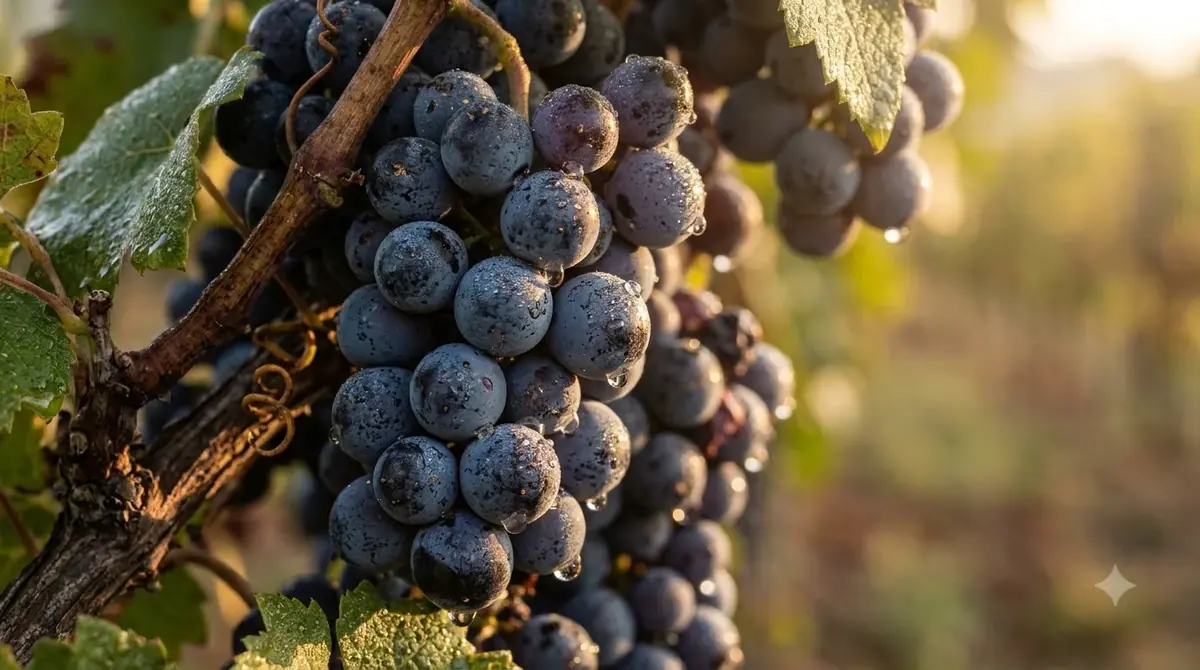
The typical grenache blanc wine is bone dry, with no perceptible sweetness. The Wine Folly grape profile for grenache blanc describes its main flavors as green plum, pear, lemon zest and honeysuckle, with a toasty note that often shows up when the wine sees oak. The grape has no tannins, which means the feel in the mouth comes from body and texture rather than grip.
The body is medium to full for a white wine, and the acidity sits at the lower end of the range. That combination gives the wine a rounded, almost creamy mouthfeel, which is why it appeals to people who find crisp Sauvignon Blanc too sharp. Alcohol usually falls between 13.5 and 15 percent by volume, similar to many white wines from warm regions.
Styles vary with the winemaker. Some bottles are fermented and kept in stainless steel, which keeps the fruit bright and the texture lean. Others are aged in oak, where the wine picks up notes of toast, cream and dill. Oak-aged versions tend to be richer and suit heavier food, while unoaked versions are lighter and more like a summer glass.
Where Grenache Blanc Grows
The grape also tells you something about the climate of the glass. Warm sites tend to give riper fruit and a richer body, while cooler spots keep the acidity higher and the flavors more lemony. That is why two bottles from neighboring villages can taste quite different even when both carry the same grape name.
Grenache blanc does best in warm, dry places where the grapes can ripen fully without losing too much acidity. Its most important home is southern France, especially the Rhône Valley and the Languedoc, where it is grown as a blending grape and as a varietal. Spain also grows the grape, usually under the Garnacha Blanca name, in vineyards that share the same hot, dry conditions.
The vines are sensitive to very high heat and to late frost, so growers often plant them on sites with good air movement or cooling sea breezes. Because the grape is grown in many small plots rather than large blocks, the quality of individual bottles can depend a lot on the vineyard and the producer. When you buy, the label is a better guide than the grape name alone.
How to Serve Grenache Blanc
Serving temperature makes a real difference here, and it is one of the easiest things to get right at home. According to Wine Folly, grenache blanc is best served between 45 and 55 degrees Fahrenheit, which is about 7 to 12 degrees Celsius. That is cooler than a typical room, but warmer than a bottle straight from the back of the fridge. At this range the fruit is clear and the body feels balanced rather than heavy.
The same source suggests a standard white wine glass and says there is no need to decant. A glass with a moderate bowl lets the honeysuckle and pear aromas gather, while keeping the wine from warming too fast. For oak-aged bottles, a slightly larger glass can help show the toasty notes.
Tip: Take the bottle out of the fridge about 10 minutes before pouring. That small wait is often enough to bring an oaked grenache blanc into the right range.
Food Pairings That Work Well
Grenache blanc has enough body to stand up to firm, meaty fish. Wine Folly lists tuna steaks, swordfish, grilled snapper and mahi mahi as good matches, since the wine’s texture works well with the fish’s own firmness. The lemon-zest note also brightens grilled dishes and anything finished with citrus.
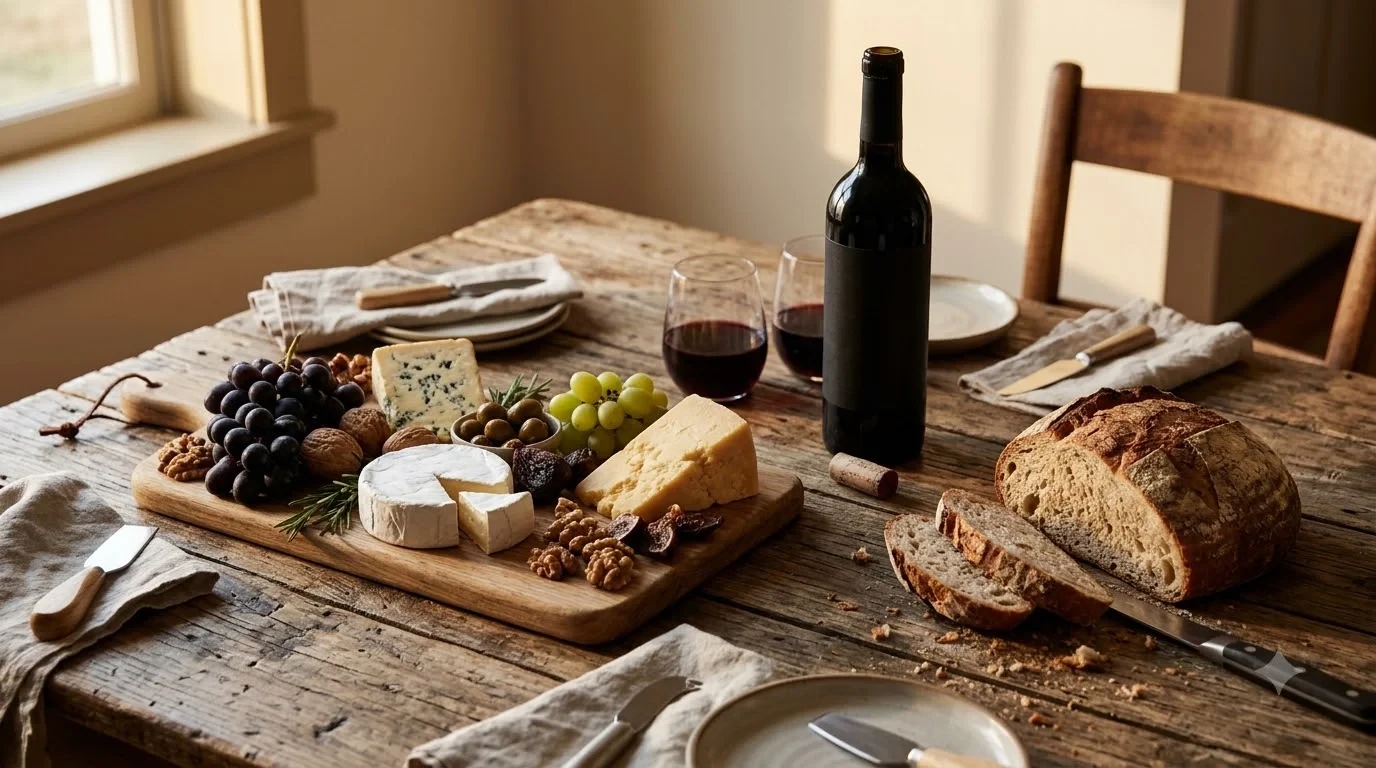
Cheese is a useful test for the wine’s texture. A soft, mild goat cheese or a young Brie lets the pear and honeysuckle come forward, while a sharp aged cheese can overpower the fruit. Cured meats are a mixed case, since salty flavors can make the wine taste thinner. When in doubt, serve the wine with the dish rather than a rich appetizer, so the balance stays clear.
Herbs and vegetables are another good fit. Dishes with fennel, olives, capers or tomato-based sauces tend to echo the wine’s savory side. Oaked versions can handle roast chicken, creamy pasta and mild cheeses, where the toast and dill notes make a good match. For light salads or raw seafood, an unoaked bottle is usually the better choice.
How to Choose a Bottle
The table below sums up the main choices you will see on shelves. The style you pick should depend on what you plan to eat and whether you like oak in your white wine.
| Style | What to expect | Best with |
|---|---|---|
| Unoaked, stainless steel | Bright pear and lemon zest, lighter body | Salads, raw seafood, summer lunches |
| Lightly oaked | Pear with a hint of toast, rounder texture | Grilled fish, mild cheeses |
| Full oaked | Toast, cream and dill, fuller body | Roast chicken, creamy pasta |
| Blend (with Roussanne or Marsanne) | Layered, aromatic, medium body | Mediterranean dishes, shellfish |
Blends deserve a look too. A grenache blanc with Roussanne or Marsanne tends to show more aroma and a slightly waxy texture, which can suit shellfish and creamy sauces. These wines are often labeled with the grape names in the order of their share in the blend, so the first name on the label is usually the dominant grape. Varietal bottles are the best way to learn what the grape itself tastes like.
Look for the producer’s notes on oak treatment and the vintage. Younger bottles show the fruit most clearly, while a few years in the cellar can soften the acidity and build richness. If you are new to the grape, start with an unoaked bottle and move to an oaked one once you know your preference.
Frequently Asked Questions
Is grenache blanc sweet?
Usually not. Most grenache blanc wines are made dry, with no sweetness on the palate. Their fruit flavors, such as pear and honeysuckle, can read as soft or round, which some people mistake for sweetness.
Is grenache blanc the same as Grenache?
No. Grenache blanc is a white-skinned mutation of the red Grenache grape. The two grapes are closely related, but the wines they make are very different in color, flavor and body.
How long can grenache blanc age?
Wine Folly suggests cellaring grenache blanc for three to five years. Many bottles are meant to be drunk young, so check the producer’s notes before you hold a wine for longer.
What glass should I use for grenache blanc?
A standard white wine glass works well. It keeps the wine at a steady temperature and lets the aromas build without overwhelming the palate.
Grenache blanc rewards curious drinkers who like white wines with texture and a savory edge. Start with a bottle at the right temperature, pair it with firm fish or herbs, and compare an oaked version with an unoaked one. If you want to keep exploring, the pinot blanc grape guide covers another soft, food-friendly white, and the Wine by Type section groups the main styles together.
More in Wine Types & Grapes
 Zinfandel Sugar Content: Dry Red vs. White Zinfandel GramsUpdated Nov 21, 2026
 Best Zinfandel Substitute Options for Sipping and CookingUpdated Nov 21, 2026
 Zweigelt Food Pairing: Best Dishes, Cheeses, and Serving TipsUpdated Nov 21, 2026
 Zinfandel Tannins Explained: How Structure Shapes Every BottleUpdated Nov 21, 2026
 Zinfandel Sweetness Level: Dry Red vs. Sweet White Zin ExplainedUpdated Nov 21, 2026
 Xinomavro Food Pairing: Best Dishes, Styles, and Serving TipsUpdated Nov 21, 2026