

We may earn a commission when you buy through links on this page, at no extra cost to you. Learn more.
Miraval white wine is a dry, crisp French white produced in Provence by Château Miraval in partnership with the winemaking family Famille Perrin, crafted primarily from the Mediterranean grape Rolle (also known as Vermentino). Best known for its celebrity-backed rosé, the estate actually makes distinct white cuvées—including Miraval Côtes de Provence Blanc, Miraval Coteaux Varois en Provence Blanc, and the coastal-influenced Studio Blanc by Miraval—that balance bright citrus and white peach fruit with a distinctly saline, mineral finish.
While pink bottles dominate summer headlines around Château Miraval, the white wines coming out of the estate’s high-elevation valley in Correns carry serious Provençal pedigree. Guided by the Rhône-based Perrin family since 2012, these whites rely on low-temperature fermentation, lees aging, and limestone-rich soils to deliver texture and tension alongside refreshing coastal acidity.
Who Makes It
Château Miraval is a historic estate in the village of Correns in Provence, France, where winemaking operations are managed as a joint venture between the estate’s ownership and Famille Perrin. The Perrin family—famous for their stewardship of Château de Beaucastel in Châteauneuf-du-Pape—took over vineyard management, winemaking, and distribution starting with the 2012 vintage.
The estate spans more than 600 hectares in a private valley roughly 40 kilometers north of the Mediterranean coast, tucked between limestone hills at an average elevation of around 350 meters above sea level. Correns is recognized as the first village in France to convert entirely to organic farming, and Château Miraval’s own estate vineyards are certified organic. However, because the estate blends estate fruit with selected grapes from partner growers across Provence to maintain consistent volume and stylistic balance, the finished bottles do not carry an organic certification label.
Beyond its agricultural roots, the property holds a famous place in music history thanks to Miraval Studios, the recording facility built on-site in 1977 where acts such as Pink Floyd, Sade, AC/DC, and Muse recorded albums. That creative heritage directly inspired the Studio by Miraval label, while the technical side of production benefits from modern cellar upgrades—including tulip-shaped concrete fermentation vats and a custom bottling line at the Famille Perrin facility designed to minimize dissolved oxygen. Among well-known Wine Brands, Miraval stands out for pairing Hollywood visibility with established French cellar craft.
The Lineup
Miraval produces two main tiers of still white wine across three southern French designations: estate-tier Côtes de Provence Blanc, estate-tier Coteaux Varois en Provence Blanc, and the entry-level Studio Blanc by Miraval. Every bottle centers on Rolle, the signature white grape of Provence and the broader Mediterranean coast.

The flagship white releases—Miraval Côtes de Provence Blanc and Miraval Coteaux Varois en Provence Blanc—come from gentle slopes with 5% to 9% gradients rooted in clay, limestone, and Keuper marl subsoils. Because the estate straddles the border between two appellations, parcels on the northwest side fall under AOP Coteaux Varois en Provence, while eastern plots fall under AOP Côtes de Provence. Grapes for these bottlings are hand-picked into 35-kilogram crates, carefully sorted, gently pressed, and fermented at low temperatures. Roughly half of the cuvée ages in 600-liter demi-muids and 225-liter barriques with regular bâtonnage (lees stirring), giving the wine extra mid-palate weight.
Studio Blanc by Miraval—bottled under the IGP Méditerranée designation—takes a brighter, coastal-inspired approach. Sourced from parcels influenced by Mediterranean sea breezes and salty soils, Studio Blanc is vinified in rounded, tulip-shaped concrete vats rather than oak barrels. The ovoid shape of those concrete tanks generates natural convection currents that keep the fine lees suspended, building creamy texture without imparting any wood flavor. Depending on the vintage and specific cuvée, Miraval whites typically sit around 12.5% to 13% ABV, keeping the style crisp and food-friendly.
| Wine | Appellation | Primary Grape | Vinification & Aging | Style Profile |
|---|---|---|---|---|
| Miraval Côtes de Provence Blanc | AOP Côtes de Provence | 100% Rolle (Vermentino) | Low-temp fermentation; 50% aged in 600L demi-muids and 225L barriques with lees stirring | Fleshy, floral, white peach, lemon zest, and a long saline finish |
| Miraval Coteaux Varois en Provence Blanc | AOP Coteaux Varois en Provence | Rolle (historically with minor Grenache Blanc) | Cool fermentation on clay-limestone and Keuper marl soils | Fresh, stony minerality with white flowers, almond, and citrus |
| Studio Blanc by Miraval | IGP Méditerranée | 100% Rolle (Vermentino) | Tulip-shaped concrete vats with natural convection lees suspension | Zesty lime, pear, white blossom, and an airy, coastal-saline snap |
Taste Profile
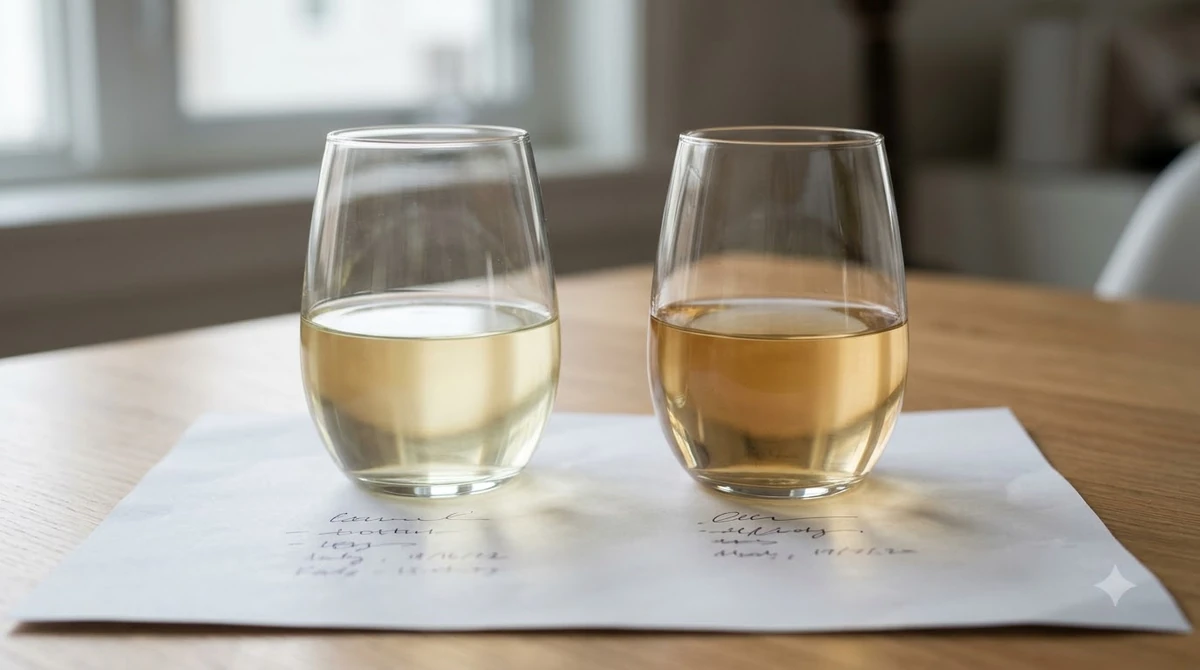
In the glass, Miraval white wine pours a pale, luminous straw-yellow with subtle green or golden highlights. Across all cuvées, the defining signature is a tension between ripe Mediterranean orchard fruit, aromatic white blossoms, and a mouthwatering, salty-mineral finish.
On the nose, the flagship Côtes de Provence Blanc opens with delicate aromas of white meadow flowers, acacia, white peach, and fresh green almonds, followed by lifted notes of lemon zest and pink grapefruit. Because half of the wine spends time in oak demi-muids and barriques with lees stirring, the palate feels ample, round, and gently creamy rather than razor-thin. Reviewers at Wine Spectator have highlighted this balance, describing the 2023 vintage as an unadorned, energetic white marked by white peach, green plum, flintiness, and a savory beam of acidity.
Studio Blanc leans even more toward crispness and immediate refreshment. According to Decanter, Studio Blanc delivers an outpouring of ripe peaches, pears, citrus, white blossom, and a hint of reductive flint on the nose, supported by a textured palate of crisp apple and lime. Whether oak-kissed or concrete-aged, the wines finish completely dry with a clean, slightly briny snap that reflects Provence’s limestone hills and proximity to the sea.
How to Serve and Pair
Miraval white wine performs best when served well chilled—around 46°F to 50°F (8°C to 10°C)—in a standard medium-bowled white wine glass. Serving it straight from an ice bucket at near-freezing temperatures mutes the delicate acacia, almond, and stone-fruit aromatics, so letting the bottle sit out for 10 to 15 minutes before pouring allows the floral bouquet to open up.
Thanks to its combination of zesty citrus acidity, saline minerality, and round lees-derived texture, Miraval Blanc is built for coastal and Provençal cooking. Official producer pairing notes recommend serving it alongside grilled Mediterranean sea bass or dorade with lemon, lobster, sautéed prawns, mussels, and classic Provençal bouillabaisse. The wine’s subtle weight also handles richer poultry and vegetable dishes, including herb-roasted chicken, veal blanquette, warm goat cheese salads, fresh burrata with heirloom tomatoes and basil, and grilled zucchini or eggplant.
For lighter aperitif occasions, Studio Blanc pairs effortlessly with raw oysters, sea bass carpaccio, sushi, sashimi, and mild sheep’s milk cheeses like young tomme. Because the wine relies on fresh acidity and delicate aromatics rather than heavy oak tannins, it is meant to be enjoyed young—ideally within one to three years of the vintage date printed on the label.
Tip: If you are serving Miraval Côtes de Provence Blanc alongside a richer seafood dish like lobster or butter-basted fish, pour it closer to 50°F (10°C) in a slightly wider glass so the oak-aged texture and almond notes shine through.
Who It Suits
Miraval white wine is an ideal match for drinkers who love crisp, mineral-driven European whites—such as Sancerre, Chablis, or Italian Vermentino—but want a slightly rounder, sun-ripened Mediterranean fruit profile. If you already enjoy dry Provence rosé for its pale color, refreshing acidity, and food versatility, Miraval’s Rolle-based whites offer a natural step into still white wine with noticeably more mid-palate depth.
On the other hand, drinkers looking for heavily oaked, buttery California Chardonnay or intensely sweet aromatic whites will find Miraval far leaner and more savory. Even the barrel-aged portions of Côtes de Provence Blanc use large 600-liter demi-muids and restrained lees contact to emphasize texture and salinity rather than vanilla or toast. Fans of crisp Italian whites like zenato wine or straightforward everyday table bottles such as main and vine wine will appreciate how easily Miraval transitions from casual patio sipping to a multi-course seafood dinner—and it sits at the exact opposite end of the spectrum from novelty blends like apothic brew.
Frequently Asked Questions
What grape is used in Miraval white wine?
Miraval white wine is made from 100% Rolle, the traditional Provençal name for the Vermentino grape. Known for thriving in warm coastal climates and limestone soils, Rolle naturally combines stone-fruit richness with bright citrus acidity and a signature herbal-saline finish.
Is Miraval white wine sweet or dry?
Miraval white wine is completely dry, fermented so that virtually no residual sugar remains in the finished bottle. While ripe white peach, pear, and floral aromas give the wine a lush first impression on the nose, the palate finishes crisp, savory, and mineral-driven.
What is the difference between Miraval Blanc and Studio Blanc by Miraval?
Miraval Côtes de Provence Blanc is the estate’s flagship white, sourced from clay-limestone slopes around Correns and partially aged in oak demi-muids and barriques with lees stirring for added body. Studio Blanc by Miraval is a brighter, coastal-influenced bottling under the IGP Méditerranée designation that ages exclusively in tulip-shaped concrete vats without oak.
How long can you age Miraval white wine?
Both Miraval Côtes de Provence Blanc and Studio Blanc are crafted for freshness and are best enjoyed within one to three years of their vintage date. Store unopened bottles on their side in a cool, dark place away from heat and direct sunlight to preserve their delicate citrus and floral aromas.
From its organic limestone vineyards in Correns to the Famille Perrin cellar techniques behind every cuvée, Miraval white wine proves there is far more to Château Miraval than its famous pink bottle. Whether you choose the concrete-aged brightness of Studio Blanc or the lees-stirred depth of Côtes de Provence Blanc, both offer an expressive, food-friendly taste of southern France.
More in Wine Brands
 Underwood Wine Price: Compare Bottles, Cans, and Pack SizesUpdated Nov 21, 2026
 Zenato Wine Price: Compare Styles and Choose the Right BottleUpdated Nov 21, 2026
 Zuccardi Wine Price: Compare Bottles and Find the Right RangeUpdated Nov 21, 2026
 Yellow Tail Moscato Review: Taste, Sweetness and Serving TipsUpdated Nov 21, 2026
 Wolf Blass Yellow Label Review: Choose Your Best StyleUpdated Nov 21, 2026
 Wolffer Estate Rose Review: Choose the Right Bottle for Your TableUpdated Nov 21, 2026