

We may earn a commission when you buy through links on this page, at no extra cost to you. Learn more.
Chablis vs Sancerre comes down to grape and place: Chablis is Chardonnay from northern Burgundy, while Sancerre is Sauvignon Blanc from the central Loire Valley. Both are dry, mineral-driven white wines that many people enjoy with seafood and light meals. The difference shows in aroma, texture and the way each wine pairs with food.
This comparison explains how the two wines differ in grape, winemaking, taste and soil. It also offers practical advice on food pairing, buying and serving, so you can choose the right bottle for your meal.
What Chablis and Sancerre Are
Chablis and Sancerre are both classic French white wines, but they come from different regions and different grapes. Chablis is made from Chardonnay in the northernmost part of Burgundy. Sancerre is made from Sauvignon Blanc in the Loire Valley, roughly a few hundred kilometers west of Burgundy. Each name also tells you something about the wine, since in Sancerre the region name is closely tied to the grape.
According to Decanter writer Andrew Jefford, Chablis is best understood as a distinct wine kingdom rather than a simple part of Burgundy. His column describes how the region drains toward the Seine and sits farther north than most of Burgundy’s famous slopes. Andrew Jefford’s column on how Chablis differs from Burgundy is a useful read if you want the regional background before you open a bottle.
Grape Varieties and Winemaking Styles
The grape is the biggest difference between these two wines. Chablis is Chardonnay, and it is often fermented and aged without oak, which keeps the focus on the vineyard. Sancerre is Sauvignon Blanc, a grape known for aromatic lift and high natural acidity. The two grapes produce very different aromas even when both wines are dry and crisp.
Chablis winemakers often rely on stainless steel tanks, and many bottles show little or no oak. Decanter reports that Chablis is frequently unoaked, a style that puts terroir character forward. Sancerre winemakers also favor clean, fresh whites, with many producers keeping the wine in steel to preserve bright fruit and acidity.
If you enjoy Sauvignon Blanc from the Loire, you may want to compare Sancerre with other examples of the grape. Our guide to sancerre vs sauvignon blanc looks at how the regional style differs from the grape in general. That context helps when you read labels from different producers.
Taste Profile: Chablis vs Sancerre
Both wines are dry and high in acidity, but their flavors point in different directions. Chablis tends to show citrus, green apple and a saline, stony character. Sancerre usually shows grapefruit, gooseberry, herbal notes and, in many examples, a smoky or flinty edge. The table below summarizes the usual differences.
| Feature | Chablis | Sancerre |
|---|---|---|
| Main grape | Chardonnay | Sauvignon Blanc |
| Typical aromas | Lemon, lime, white flowers | Grapefruit, gooseberry, fresh herbs |
| Texture | Taut, textured, often lean | Crisp, zesty, lively |
| Mineral character | Wet stone, chalk, salty notes | Flint or smoke in many bottles |
| Oak use | Often unoaked or lightly oaked | Usually fermented and aged in steel |
| Acidity | Firm and mouthwatering | High and bright |
The styles can overlap, especially between a simple Chablis and a cool-climate Sancerre. Still, the grape usually shows first. Chardonnay gives Chablis a rounder core, while Sauvignon Blanc gives Sancerre its sharper aromatic lift. Reading the label for the producer and vintage will tell you more about the specific bottle than any general rule.
Terroir and Soil: Kimmeridgian Limestone vs Silex
Soil plays a major role in both wines. Chablis is strongly associated with Kimmeridgian marl and limestone, a soil type from the Jurassic period that contains marine fossils. Decanter notes that the soils of Chablis are similar in some respects to those of Sancerre, which helps explain why the two wines can seem alike to some drinkers.
Sancerre’s soils are more varied. Roughly 40 percent of its vineyards sit on white chalky limestone-clay soils called terres blanches, while about 20 percent lie on flinty silex soils. Decanter links the silex to the smoky note and firm minerality found in many Sancerre wines. Limestone pebbles, known as caillottes, make up much of the rest.
Chablis also has a distinctive geography. Its vineyards face in several directions, and the slopes along the Serein river create what Jefford describes as left-bank and right-bank sites with different character. The practical lesson is simple: a Chablis from a cooler, stonier site often tastes leaner, while a bottle from a warmer slope can taste softer and rounder.
Food Pairing Guide
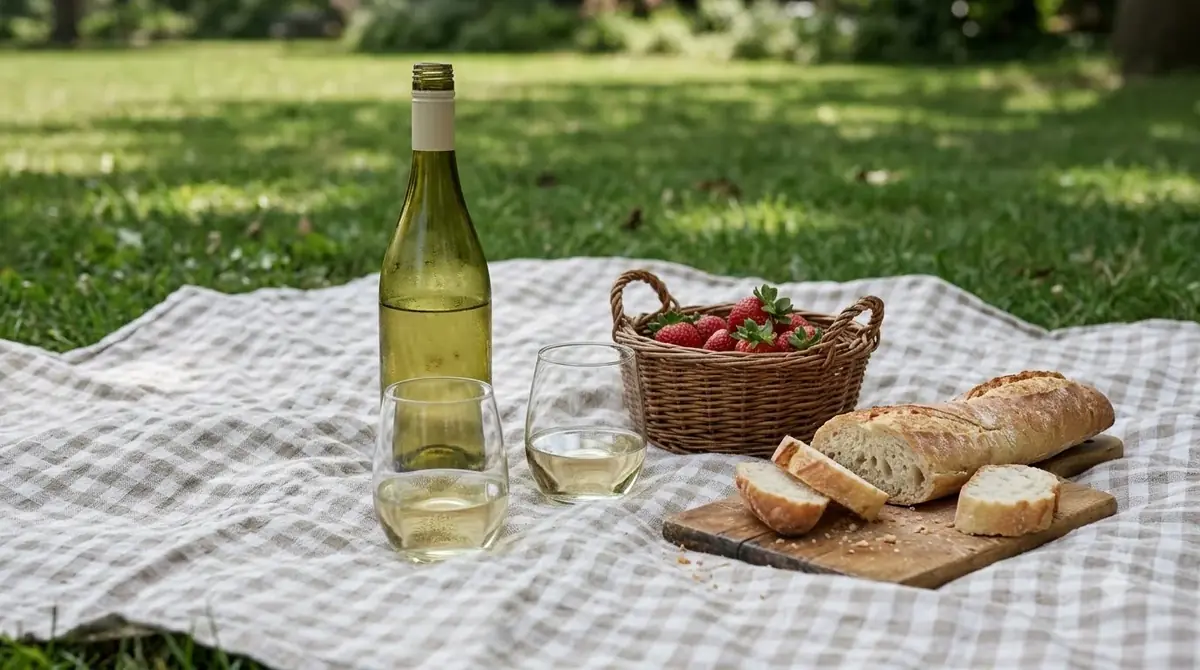
Both wines work well with food because their acidity cuts through rich or salty dishes. Chablis is often the better match for dishes with butter, cream or delicate poultry, because its Chardonnay body can handle more texture. Sancerre is usually the lighter, brighter choice for fresh salads, goat cheese and herbal vegetable dishes.
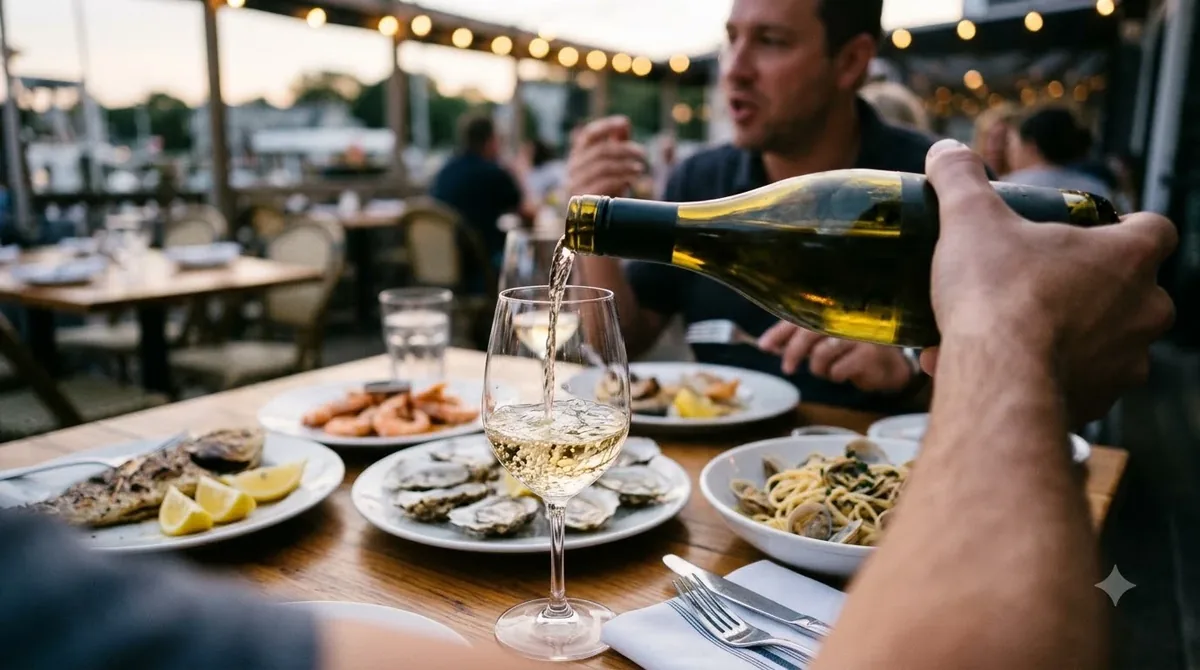
For seafood, both wines are good options, but the match depends on the dish. Oysters, raw shellfish and lemon-dressed fish often suit the sharp edge of Sancerre. Grilled fish with a creamy sauce, or roast chicken with herbs, tends to suit Chablis. A simple rule is to choose Chablis for richer, savory food and Sancerre for fresh, herbal or tangy dishes.
- Oysters, clams and ceviche: usually Sancerre
- Roast chicken, pork loin or creamy pasta: often Chablis
- Goat cheese salad or herb-heavy vegetable plates: often Sancerre
- Sole, halibut or poached white fish with butter: often Chablis
Serving temperature also changes the pairing. Both wines show best when chilled but not icy, since very cold temperatures can mute aroma. Many people find that a short rest out of the fridge brings out more fruit and texture in either glass.
Price, Buying Tips and Serving
Prices for Chablis and Sancerre vary widely by producer, vintage and shop, so compare labels rather than assuming one is always the bargain. Look for the appellation name on the label. Chablis may appear as Chablis, Petit Chablis, Premier Cru or Grand Cru. Sancerre appears as a single appellation name, and producer details help you understand the style.
For the best value, check the vintage and producer before you buy. Some Chablis bottles offer strong terroir expression at approachable levels, and many Sancerre bottles deliver consistent quality. Retailer staff and wine shop websites often list tasting notes that help you compare options side by side.
Tip: Buy one bottle of each and taste them with the same simple meal. The difference between the grapes and soils becomes obvious quickly.
Store both wines in a cool, dark place and drink them young for the brightest fruit. Premier Cru and Grand Cru Chablis can age for years, according to Decanter, while most everyday Sancerre is best enjoyed within a few years of release. Once opened, keep the bottle sealed in the refrigerator and drink it within a few days.
Frequently Asked Questions
Is Chablis the same as Sancerre?
No. Chablis is made from Chardonnay in northern Burgundy, while Sancerre is made from Sauvignon Blanc in the central Loire Valley. Both are dry white wines, but they differ in aroma, texture and soil.
Which is better for seafood, Chablis or Sancerre?
Both suit seafood. Sancerre often pairs well with oysters and raw or lightly dressed shellfish. Chablis tends to suit richer fish dishes and seafood with butter or cream sauces.
Is Sancerre sweeter than Chablis?
Most Chablis and Sancerre wines are dry, so neither is typically sweet. Sancerre often tastes brighter and more aromatic, while Chablis often feels rounder and more textured.
Should I serve Chablis or Sancerre chilled?
Serve both chilled but not very cold. Lightly chilled wine shows more aroma and flavor. Check the producer’s suggested serving guidance on the label or website for specific bottles.
Choosing between Chablis and Sancerre depends on your meal and taste. Chablis suits richer dishes and textured styles, while Sancerre suits fresh, herbal and briny foods. For more background on wine style and regions, visit Wine vs Wine and compare the next pair on your list.
More in Wine vs Wine
 Nero d’Avola vs Pinot Noir: Taste, Body, and Pairing DifferencesUpdated Nov 21, 2026
 Chenin Blanc vs Pinot Blanc: Key Differences in Taste, Acidity, and PairingsUpdated Nov 21, 2026
 Chardonnay vs Shiraz: Key Differences in Taste, Serving, and PairingUpdated Nov 21, 2026
 Chardonnay vs Verdejo: How Spain’s Crisp White Compares to the World’s ChameleonUpdated Nov 21, 2026
 Chardonnay vs Sancerre: Key Differences in Taste, Grapes, and PairingUpdated Nov 21, 2026
 Chardonnay vs Malbec: Key Differences in Taste, Body, and PairingUpdated Nov 21, 2026