

We may earn a commission when you buy through links on this page, at no extra cost to you. Learn more.
Learning how to pour wine properly comes down to pouring a standard 5-ounce (150-milliliter) serving by gripping the bottle near its base, aiming for the center of the glass, and giving your wrist a slight upward twist at the finish to prevent drips. A standard 750-milliliter bottle holds just over 25 ounces, yielding exactly five even servings. Leaving ample headspace in the bowl allows aromas to collect, while keeping a folded napkin nearby protects tablecloths and labels from stray droplets.
Whether you are opening an everyday weeknight bottle or hosting a multi-course dinner party, controlled pouring makes a noticeable difference in both presentation and flavor. Overfilling a glass dulls a wine’s aromatic complexity and increases the risk of spills, whereas a measured, steady pour lets the liquid breathe and keeps your table spotless from the first toast to the last glass.
Standard Pour Sizes and Glass Fill Levels
A standard serving of still wine is 5 fluid ounces (about 150 milliliters), which divides a standard 750-milliliter bottle into five equal glasses. Because wine glasses vary dramatically in capacity—with typical red wine bowls holding 17 to 25 ounces—judging by volume rather than filling the glass to the rim ensures proper aeration.
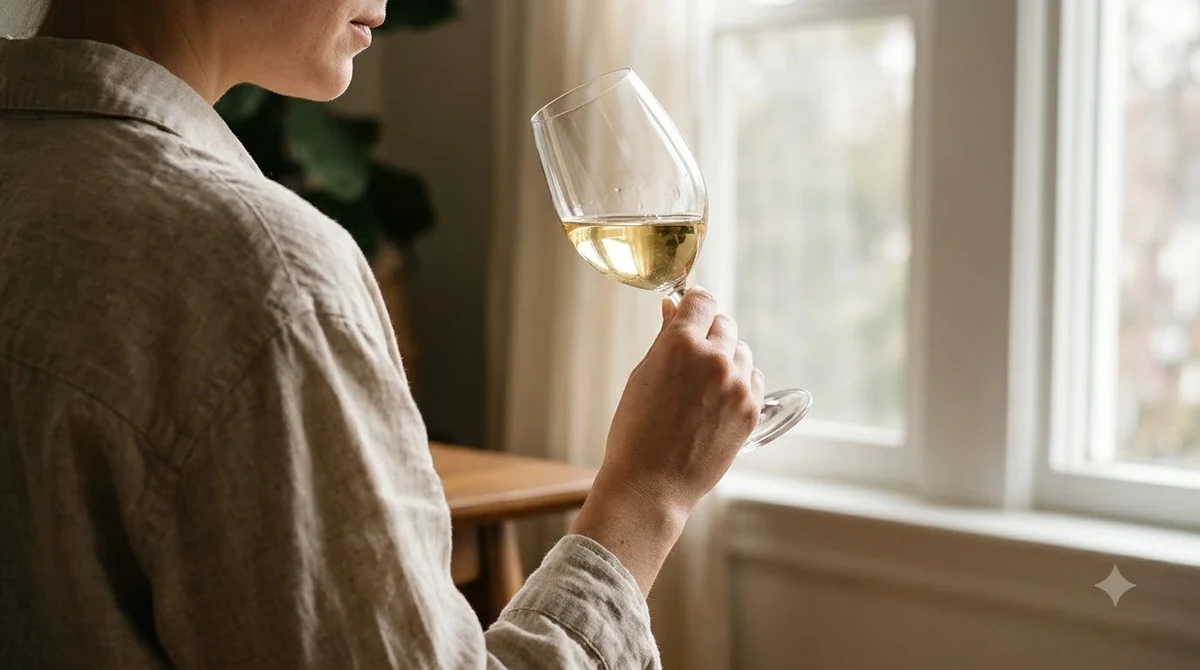
Filling a large red wine glass halfway can easily double or triple a standard serving, leaving no room to swirl without sloshing wine over the edge. Instead of eyeing the rim, look at the widest point of the bowl. For full-bodied reds like Cabernet Sauvignon or Syrah, stopping right around the widest curve of the glass usually lands right at 5 ounces and leaves generous headspace for volatile aromatics to gather.
Different styles of wine require slightly different pour volumes based on alcohol content, sweetness, and carbonation. Sparkling wines go into narrower flutes or tulip glasses to preserve effervescence, while high-alcohol fortified wines and sweet dessert styles are served in smaller 2- to 3-ounce portions so their richness does not overwhelm the palate. If you want to train your eye at home, measure 5 ounces of water into your favorite stemware once, note where the waterline hits, and use that visual landmark every time you pour.
| Wine Style | Standard Serving Size | Servings per 750 ml Bottle | Visual Fill Guide |
|---|---|---|---|
| Full-Bodied Red | 5 oz (150 ml) | 5 glasses | About one-third full (just below the widest point) |
| Light-Bodied Red | 5 oz (150 ml) | 5 glasses | Just over one-third full |
| Crisp White or Rosé | 5 oz (150 ml) | 5 glasses | About halfway full |
| Sparkling Wine | 4 to 5 oz (120–150 ml) | 5 to 6 glasses | Half to two-thirds full in a flute or tulip |
| Dessert or Fortified Wine | 2 to 3 oz (60–90 ml) | 8 to 12 glasses | About one-third of a small dessert glass |
| Tasting Flight Pour | 2 to 2.5 oz (60–75 ml) | 10 to 12 pours | Barely covering the bottom curve of the bowl |
Step-by-Step Technique for a Drip-Free Pour
Holding the bottle near its base gives you maximum leverage and control, while a quick inward wrist twist as you lift the neck cuts off the stream cleanly without dripping. According to Wine Enthusiast, the Court of Master Sommeliers actually evaluates pouring technique on its Level 2 certification exam because balance and drip control are foundational service skills.
Before you tilt the bottle, make sure the foil capsule has been cut cleanly below the lip and wipe the mouth of the glass neck with a clean cloth to remove any cork dust or cellar residue. Grip the lower third of the bottle firmly. If the bottle has a deep indentation in the bottom—known as a punt—you can rest your thumb inside the punt and spread your fingers along the underside, or simply cradle the base in your palm with the label facing upward so guests can see what is being served.
Position the lip of the bottle an inch or two above the center of the glass rather than resting it on the rim, which can chip delicate crystal. Tilt smoothly to start a steady, moderate stream aimed directly at the middle of the bowl. As the wine reaches your target level, simultaneously lift the neck upward and rotate your wrist slightly inward so any remaining droplet catches on the lip of the bottle rather than running down the label. Keep a folded dark serviette or cloth napkin in your free hand to dab the lip immediately after each pour.
Tip: Keep a dark-colored cloth napkin folded neatly in your non-pouring hand so you can wipe the bottle lip after every glass without showing red wine stains at the table.
Adjusting Your Pour for Sparkling, Aged, and Chilled Wines
While still table wines follow a straightforward steady pour, sparkling wines, older bottles with sediment, and heavily chilled whites require small adjustments to protect carbonation, clarity, and temperature. Pouring every style the exact same way can flatten bubbles or cloud a mature vintage with bitter lees.
For Champagne, Prosecco, and other sparkling wines, tilt the glass slightly at a 45-degree angle and pour slowly down the inside wall rather than straight into the bottom. Many servers use a two-stage pour: splash in an inch or two of wine, pause a few seconds until the initial surge of mousse subsides, and then top up the glass to the two-thirds mark. This gentle approach preserves fine bubbles and prevents foam from overflowing onto your hand.
Aged red wines often throw natural sediment during years in the cellar, which settles along the side or bottom of the bottle depending on how it was stored. Stand an older bottle upright for at least several hours before serving, and consider transferring it to a decanter before pouring into glasses. If pouring straight from the bottle, maintain a single smooth, slow tilt without setting the bottle upright between glasses—tilting back and forth stirs settled sediment back into suspension, turning the final pours gritty.
Chilled white, rosé, and sparkling bottles quickly develop heavy condensation on the outside glass. Always wrap a folded towel around the body of a chilled bottle when lifting it from an ice bucket so water does not drip onto guests or slip out of your grip. For more preparation steps before the first pour, review our guide on opening and serving wine.
Table Etiquette and Hosting Best Practices
Traditional wine service follows a predictable rhythm at the table: the host samples a small splash first to check the bottle for faults, guests are served clockwise around the table, and the host’s glass is filled last. Even at casual home dinners, following a few simple etiquette habits keeps service smooth and ensures everyone receives an equal share.
When pouring for seated guests, approach from each person’s right side using your right hand whenever space allows, keeping the bottle label visible. If you are serving multiple people from a single 750-milliliter bottle, pace your pours around the 4.5- to 5-ounce mark so the fifth person does not end up with a half-empty glass while the first guest gets an oversized pour. Leave the wine glass resting flat on the table while you pour rather than asking guests to pick up their stems, which makes aiming much harder.
As Wine Folly notes in its guide to wine etiquette, filling a glass less than halfway gives the wine room to breathe and shows consideration for fellow drinkers at the table. Always offer refills to your guests before topping up your own glass, and ask before pouring new wine into a glass that still holds the tail end of a different bottle so flavors do not clash unintentionally. If guests are curious about blending styles, you can read more about whether you can mix red and white wine safely.
Common Pouring Mistakes to Avoid
Most wine pouring mishaps happen because the server holds the bottle too high near the neck, fills the glass past the widest curve of the bowl, or pulls the bottle straight back without twisting the wrist. Recognizing these habits makes it easy to correct them immediately.
Gripping the bottle by the neck feels instinctive, especially with heavy glass bottles, yet it shifts the center of gravity far away from your hand and causes the wrist to wobble as the bottle empties. Moving your hand down to the lower third stabilizes the weight and gives you fine control over the flow rate. Similarly, resting the neck of the bottle directly against the edge of a thin-rimmed wine glass risks cracking the crystal and transfers any drips straight onto the outside of the bowl.
Overpouring is another frequent misstep, particularly with oversized modern stemware. Pouring 8 or 9 ounces into a massive Bordeaux bowl not only traps aromas inside an overly full glass and warms the wine too quickly, but it also stretches a bottle to just three servings instead of five—and significantly increases the calories and carbohydrates per glass. If you are tracking nutrition or pacing a long dinner, checking how many carbs are in a glass of wine helps put standard 5-ounce portions into perspective.
Frequently Asked Questions
How many ounces is a standard pour of wine?
A standard pour of still red, white, or rosé wine is 5 fluid ounces (about 150 milliliters). Because a standard wine bottle holds 750 milliliters—just over 25 ounces—pouring 5 ounces per glass gives you exactly five even servings per bottle. Fortified and dessert wines use smaller 2- to 3-ounce pours, while tasting flights typically use 2 to 2.5 ounces.
How do you stop a wine bottle from dripping after pouring?
As you finish pouring and begin lifting the bottle neck upward, rotate your wrist slightly inward so the bottom edge of the lip turns up. That gentle quarter-turn redirects the last drop back toward the rim of the bottle instead of letting it run down the side. Always keep a folded cloth napkin in your other hand to dab the lip cleanly between glasses.
Why should you hold a wine bottle near the base when pouring?
Holding the bottle near its bottom third—or resting your thumb in the punt indentation on the underside—balances the weight of the glass and liquid. A lower grip prevents wrist strain, eliminates shaky pours, and keeps the front label clearly visible to everyone at the table. Gripping near the neck makes the bottle top-heavy and much harder to control.
Should you pick up your wine glass while someone is pouring?
No, leave your wine glass resting flat on the table while someone pours for you. Holding a glass in midair creates a moving target that increases the chance of spills or accidental clinks against the bottle neck. Simply leave the glass stationary on the table and gesture politely if you would like the server to stop before reaching a full pour.
Once you get used to holding the bottle near the base, judging the 5-ounce waterline at the widest part of the bowl, and finishing each pour with a subtle wrist twist, serving wine becomes second nature. Whether you are pouring a crisp Sauvignon Blanc on a Tuesday evening or opening a prized bottle from a memorable wine vintage for guests, clean technique lets every bottle show its best character in the glass.
More in Wine Basics
 Which Rose Is Best for Your Taste, Budget, and Food PairingsUpdated Nov 21, 2026
 Is Cheap Wine Bad? How to Find Bottles Worth DrinkingUpdated Nov 21, 2026
 What To Write On A Wine Gift Tag: Thoughtful Messages For Every OccasionUpdated Nov 21, 2026
 Which Wine Is Best For Weight Loss? Compare Lower-Calorie ChoicesUpdated Nov 21, 2026
 What Is The Best Wine For Mimosas? Choose Bubbly That Balances Orange JuiceUpdated Nov 20, 2026
 Which Prosecco Is Best for Your Taste and OccasionUpdated Nov 20, 2026