

We may earn a commission when you buy through links on this page, at no extra cost to you. Learn more.
Riesling vs Sauvignon blanc comes down to sweetness, acidity and aroma: riesling ranges from bone dry to lusciously sweet and is known for high acidity and fruit or floral notes, while sauvignon blanc is usually dry with bright, herbal or tropical aromas. Both are popular white wines, but they feel very different in the glass. Knowing those differences helps you choose the right bottle for your taste and your dinner.
This guide compares the two grapes side by side. You will see how each one tastes, how sweetness, acidity and body differ, which foods suit each style, and how to buy and store them. The goal is a practical answer you can use at a wine shop or restaurant.
What Is Riesling?
Riesling is a white grape that most experts link to the Rhine Valley in western Germany. It is one of the most respected white grapes in the world. Its wines are known for aromatic, often flowery character and naturally high acidity, which gives them a crisp, lively edge even when the wine tastes sweet.
One reason Riesling is hard to pin down is that it changes with place. According to the UC Davis Foundation Plant Services grape history on Riesling, the grape is very sensitive to climate and soil, so the same variety can taste noticeably different from one vineyard to the next. That sensitivity is why a bottle from Germany can feel nothing like one from Australia or New York.
Riesling can be made dry, medium dry, medium sweet or sweet. It also appears in sparkling styles. Cooler regions tend to produce wines with apple and tree fruit notes, while warmer sites can add citrus and peach. Many Rieslings develop honey and smoky notes with time in the bottle, and some aged German examples show a petrol-like aroma that fans find appealing.
What Is Sauvignon Blanc?
Sauvignon blanc is a green-skinned white grape that is widely planted in France, New Zealand, South Africa, the United States and beyond. It is usually made dry and is known for lively, fresh aromas. Most bottles are meant to be drunk young, while the grape’s sharp, refreshing character is at its peak.
Its aroma profile is often grassy, herbal, citrusy or tropical, depending on where it grows and how it is made. Washington State University researchers, in a study reported on the WSU Office of Research news page on alcohol adjustments, describe the grape as known for its tropical, fruity and grassy aromas. They also found that aroma compounds in sauvignon blanc can shift noticeably from one harvest to the next.
Sauvignon blanc is commonly compared with the Loire Valley and the Marlborough region of New Zealand, where many well-known examples come from. Loire versions often taste mineral and crisp, while many New Zealand bottles are more intensely aromatic. If you like a specific regional style, check the label for the place name before you buy.
Key Differences in Taste Between the Two Wines
The biggest difference is what you smell and taste first. Riesling leans toward floral, orchard fruit and sometimes stone fruit or citrus. Sauvignon blanc usually leads with green herbs, grass, citrus zest and, in warm regions, tropical fruit. Both can be aromatic, but the aroma palette is different.
Texture also separates them. Riesling often feels silky and lively, with a balance between fruit and acid that can make even off-dry bottles taste clean. Sauvignon blanc tends to feel sharp and zingy, with a fresh finish that wakes up the palate. If you want a softer, rounder white, you may prefer a Riesling. If you want something bright and herbal, sauvignon blanc often fits better.
Oak is another clue. Riesling wines are usually made without oak, so their character comes from fruit and acidity. Sauvignon blanc is also usually unoaked, though some producers experiment with barrels. When you see oak on a sauvignon blanc label or tasting note, expect a rounder, more toasty style than the typical crisp bottle.
Sweetness, Acidity, and Body Compared
These three traits explain most of the difference between the two wines. Sweetness is the first thing to check on a Riesling label, because the grape can range from dry to very sweet. Sauvignon blanc is generally dry, so its freshness comes mostly from acidity and aroma rather than sugar.
Acidity is high in both, but it feels different. In Riesling, acidity often balances residual sweetness, so the wine tastes crisp rather than syrupy. In sauvignon blanc, acidity is sharp and citrusy, giving the wine a clean, refreshing bite. Body is usually light to medium in both styles, though a richer oaked sauvignon blanc or a late-harvest Riesling can feel fuller.
| Trait | Riesling | Sauvignon Blanc |
|---|---|---|
| Typical sweetness | Dry to sweet, with many off-dry styles | Usually dry |
| Acidity feel | High, often balanced by fruit or sugar | High, sharp and citrusy |
| Body | Light to medium, can be fuller when sweet or aged | Light to medium, rarely heavy |
| Common aromas | Floral, apple, citrus, peach, honey | Grass, herbs, citrus, tropical fruit |
| Aging potential | Often good, especially for sweeter or top styles | Generally best when young |
For a quick rule, choose Riesling when you want sweetness paired with bright acidity. Choose sauvignon blanc when you want dry freshness with a lively herbal edge. Both are good options when the drink needs to refresh the palate between bites.
Food Pairing: Which Wine Goes With What
Riesling is one of the most flexible white wines at the table. Its acidity cuts through rich, fatty dishes, and its fruit suits spicy food. Sauvignon blanc works best with lighter dishes that share its herbal or citrus notes.
Riesling pairs well with pork, roast chicken, smoked fish, Thai and Indian dishes with a little heat, and many Asian-inspired stir-fries. Sweeter styles can also handle fruit-based sauces and desserts that are not too sugary. Dry Riesling suits salads with vinaigrette and fresh seafood.
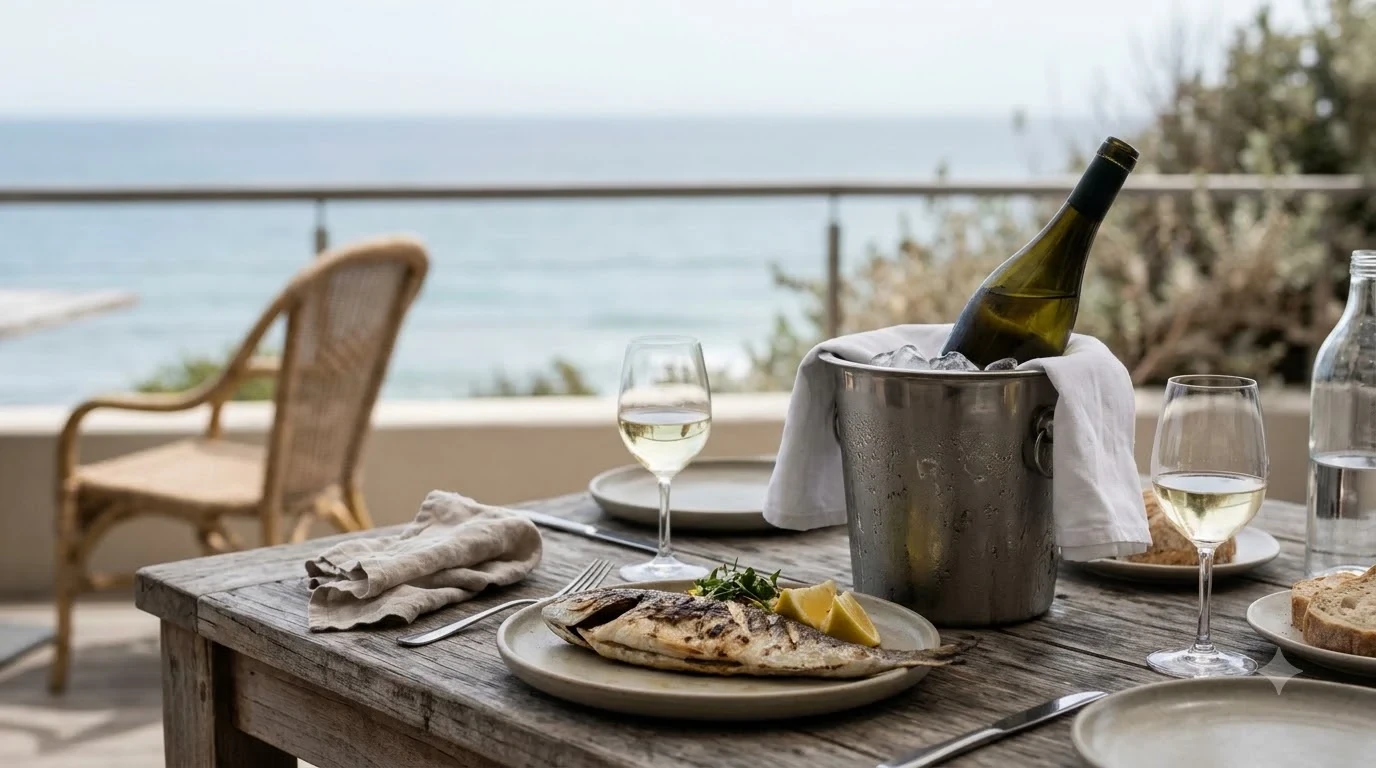
Sauvignon blanc is a natural match for goat cheese, green vegetables, asparagus, herbs, shellfish and simple grilled fish. Its grassy edge can echo the flavors in a salsa verde or a lemon-herb sauce. It also works as an easy choice for a patio meal with fresh, light food.
When in doubt, match intensity with intensity. Delicate dishes pair with a light, dry wine, while spicy, sweet or fatty dishes often need the sweetness or acidity that a Riesling can bring. Serving the wine chilled helps both styles show their freshness.
How to Choose and Store Each Wine
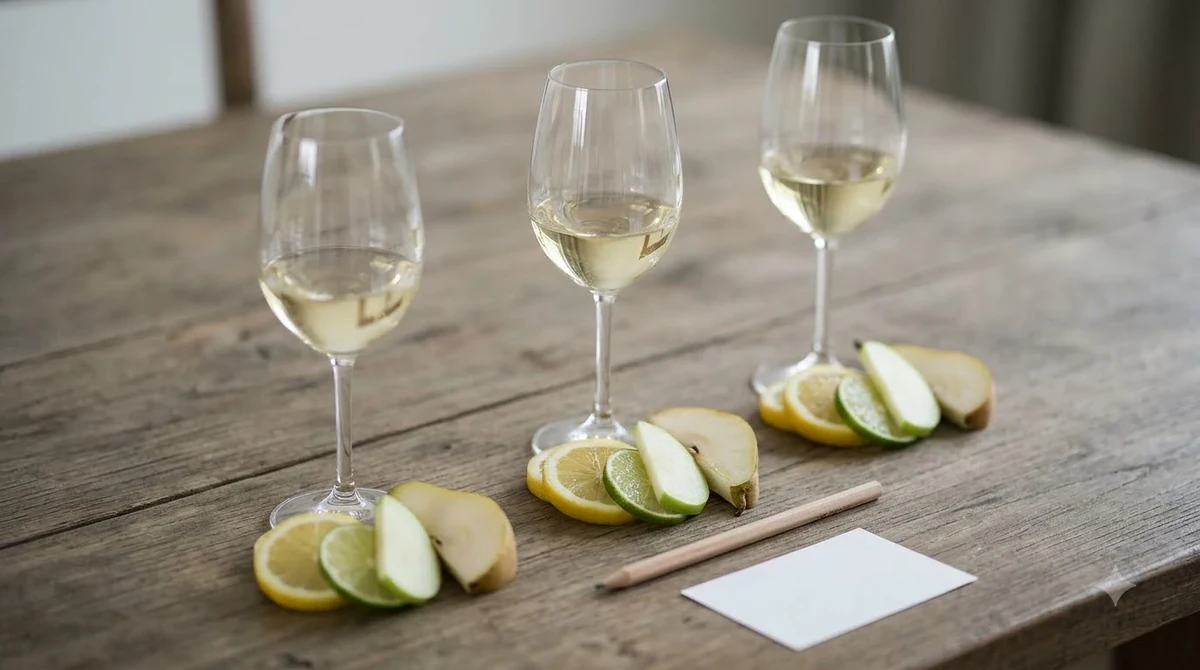
Start with the label. For Riesling, look for words that signal sweetness, such as dry, off-dry or sweet, or check the producer’s description. For sauvignon blanc, the place name often tells you more about style than the grape name alone. Ask a shop staff member to point you toward a bottle that fits what you like.
- Decide whether you want dry, off-dry or sweet before you pick a bottle.
- Choose a region if you know the style you prefer, such as a cooler area for crisper fruit.
- Check the vintage, and keep in mind that most sauvignon blanc is meant to be drunk young.
- Store unopened bottles in a cool, dark place away from heat and sunlight.
- Chill both wines before serving, then recork leftovers and refrigerate them.
Storage matters for both wines, but for different reasons. Riesling has a strong aging record, especially sweeter styles, so a well-stored bottle can keep developing for years. Sauvignon blanc is usually at its freshest within a year or two of the vintage. Once opened, both should go in the refrigerator, and drinking them within a few days keeps the flavors bright.
If you want to explore the bigger picture of how grape styles differ, the Wine vs Wine comparison guide offers more context on white and red styles. For a closer look at one of these wines, read about the sancerre vs sauvignon blanc differences to see how the Loire style compares with other bottles.
Frequently Asked Questions
Is riesling sweeter than sauvignon blanc?
Often, yes. Riesling can be dry, off-dry or sweet, while sauvignon blanc is usually made dry. Check the label or ask a shop staff member, because some riesling bottles are dry and taste crisp.
Which wine is better for a beginner?
Many beginners like an off-dry riesling because its fruit and acidity feel approachable. Sauvignon blanc is a good choice if you enjoy fresh, herbal flavors. Try both in small bottles or by the glass to see which style you prefer.
Can I substitute one wine for the other in cooking?
Yes, in many dishes. Dry sauvignon blanc often works in seafood or chicken recipes, while dry riesling can stand in for it with richer or spicier food. Avoid sweet riesling in savory sauces unless you want noticeable sweetness.
Does riesling age better than sauvignon blanc?
Generally, yes. Riesling’s acidity and flavor range allow many styles to age well, especially sweeter ones. Sauvignon blanc is usually best when young and fresh. Always check the producer’s advice for a specific bottle.
Riesling and sauvignon blanc both reward curious drinkers. Riesling offers range from dry to sweet, with bright acidity, while sauvignon blanc delivers crisp, herbal freshness. Try one of each with a simple meal, and you will quickly learn which style suits your palate.
More in Wine vs Wine
 Nero d’Avola vs Pinot Noir: Taste, Body, and Pairing DifferencesUpdated Nov 21, 2026
 Chenin Blanc vs Pinot Blanc: Key Differences in Taste, Acidity, and PairingsUpdated Nov 21, 2026
 Chardonnay vs Shiraz: Key Differences in Taste, Serving, and PairingUpdated Nov 21, 2026
 Chardonnay vs Verdejo: How Spain’s Crisp White Compares to the World’s ChameleonUpdated Nov 21, 2026
 Chardonnay vs Sancerre: Key Differences in Taste, Grapes, and PairingUpdated Nov 21, 2026
 Chardonnay vs Malbec: Key Differences in Taste, Body, and PairingUpdated Nov 21, 2026