

We may earn a commission when you buy through links on this page, at no extra cost to you. Learn more.
Chardonnay vs sauvignon blanc comes down to body and aroma. Chardonnay is a versatile white that can be lean and mineral or full and buttery, depending on climate and oak. Sauvignon blanc is usually lighter, more aromatic, and built on high, lively acidity, with grassy, citrus, or tropical notes.
Both are widely poured by the glass and sold in every price range, so they often sit side by side on restaurant lists and grocery shelves. The names are easy to mix up, but the wines behave quite differently in the glass and on the plate. This guide explains how each grape tastes, how winemaking changes the result, and how to pick the one that suits your meal.
What Each Grape Is
Chardonnay originated in Burgundy, France, and is now planted in nearly every wine-producing country. Wine Folly’s chardonnay guide explains how the grape changes from cool to warm sites. Its character is unusually flexible, which is why it appears in such different styles. Winemakers can push it toward crisp and austere or toward rich and creamy, and the grape handles both well.
Sauvignon blanc is a green-skinned grape with a more defined personality. It is most closely associated with the Loire Valley in France and with Marlborough in New Zealand, where it became famous for intensely aromatic wines. Because its flavors are so strong and consistent, it is one of the easiest white wines to recognize by smell alone.
Flavor and Aroma Side by Side
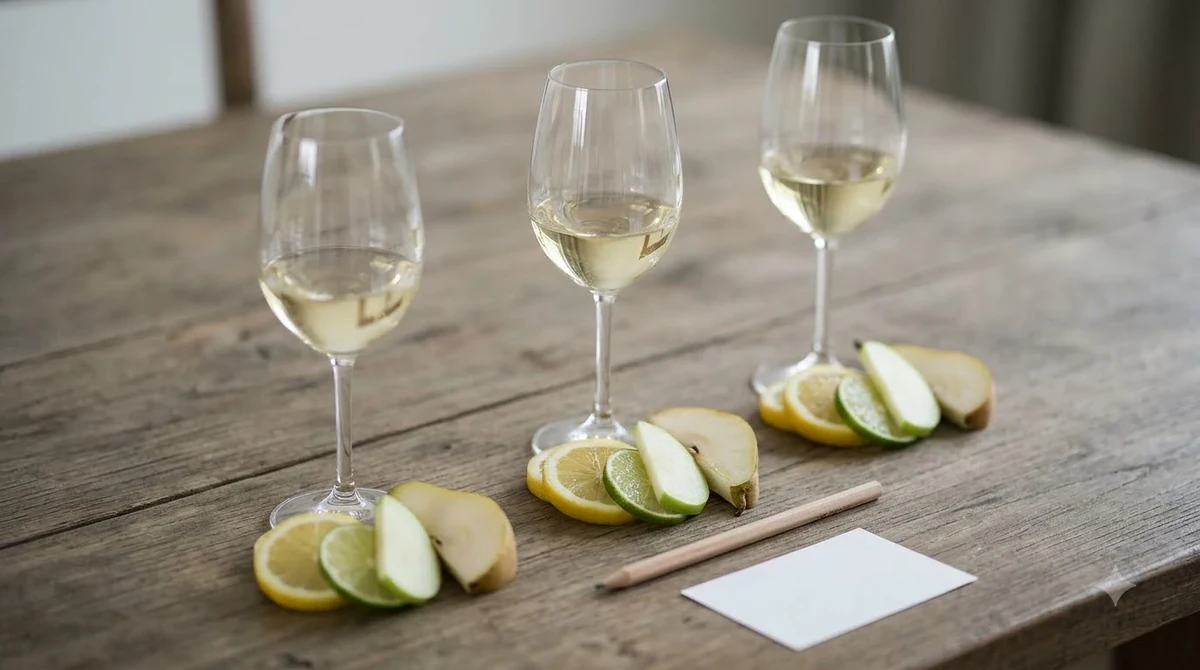
The biggest difference shows up in the aroma. Sauvignon blanc tends to smell of freshly cut grass, bell pepper, lime, and gooseberry, while chardonnay leans toward green apple, pear, and citrus in cool climates, and toward peach, mango, and pineapple in warm ones. Oak adds a further layer of vanilla, toast, and spice to chardonnay, which sauvignon blanc rarely receives.
| Feature | Chardonnay | Sauvignon blanc |
|---|---|---|
| Typical body | Light to full, depending on style | Usually light to medium |
| Acidity | Moderate in warm regions, high in cool ones | High and racy in most styles |
| Common aromas | Apple, pear, citrus, stone fruit, butter, toast | Cut grass, lime, grapefruit, gooseberry, passion fruit |
| Oak use | Common, adds vanilla and spice | Less common, usually unoaked or lightly oaked |
| Best known from | Burgundy, Napa Valley, Chablis | Loire Valley, Marlborough, Bordeaux whites |
How Winemaking Changes the Glass
Winemaking matters as much as the grape itself. With chardonnay, the decisions made in the cellar often determine whether the wine tastes crisp or creamy. Barrel fermentation and aging in oak add vanilla, baking spice, and toasted notes. The type of oak, the size of the barrel, and how heavily it is toasted all shape the result. American oak tends to contribute coconut-like sweetness, while French oak is usually more subtle.
Many chardonnays also go through malolactic fermentation, a process in which bacteria convert sharp malic acid into softer lactic acid. This softens the wine, adds a creamy texture, and creates buttery aromas. Stirring the lees, the spent yeast left after fermentation, can add brioche or biscuit flavors. Sauvignon blanc is often made without much oak so that its fresh aromas stay in front, though Bordeaux producers sometimes age it in barrels and on lees to add richness and texture.
Where Each Grape Grows
Chardonnay is grown in cool regions such as Chablis and the Sonoma Coast, where the wines stay lean and mineral, and in warmer areas such as Napa Valley, where they taste richer and riper. Sauvignon blanc grows best in cool to moderate climates. In the Loire Valley it produces mineral, slightly smoky wines with lime and flint notes. In Marlborough it gives vibrant, fruit-forward wines with passion fruit and bell pepper. Chile, South Africa, and parts of California also make strong examples.
According to the producers and regional bodies that describe these wines, climate is the main reason the same grape can taste so different from one place to another. A cool site keeps acidity high, while a warm site brings out fuller fruit.
How to Serve Each One
Serving temperature affects how these wines taste. Lean, unoaked chardonnay is usually best around 45 degrees Fahrenheit, while richer, oaked styles show better at about 55 degrees. Sauvignon blanc is typically served a little colder, around 45 to 55 degrees, because its aromas can feel sharp when the wine is too warm. In either case, a standard white wine glass works well, and a short chill in the refrigerator before serving is often enough.
Both wines benefit from a few minutes in the glass before you drink, since the aromas open as the wine warms slightly. A sauvignon blanc that is too cold can taste thin, and an oaked chardonnay that is too warm can feel heavy.
Food Pairing: Which Pairs With What
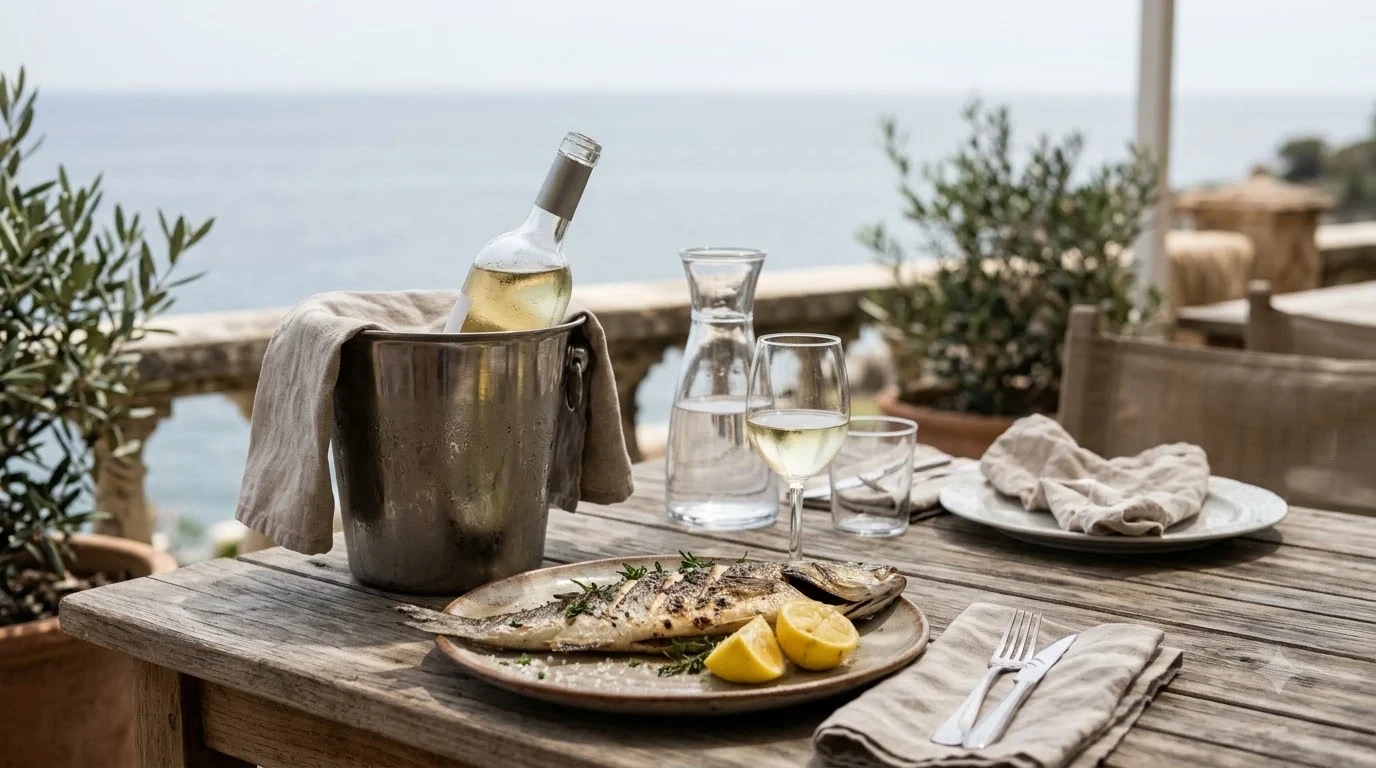
Sauvignon blanc is at its best with green, herb-driven dishes. It works well with goat cheese, feta, fish with herb sauces, chicken with fresh herbs, and Thai or Vietnamese food, where its acidity cuts through chili and lime. Lean, unoaked chardonnay suits oysters, sushi, sautéed fish, and chicken piccata, where its acidity and clean texture keep the dish feeling light.
Oaked chardonnay is more flexible with rich food. It pairs well with crab cakes, halibut, pork tenderloin with apples, and mushroom dishes, and it handles creamy sauces that would overwhelm a crisp white. Corn, squash, and pumpkin also match its buttery character.
Tip: If you are unsure, match the wine to the sauce. Creamy or buttery dishes call for chardonnay, while herbs, lemon, and vinaigrette call for sauvignon blanc.
Common Mistakes When Comparing the Two
One common mistake is judging chardonnay by its oakiest examples. A heavily oaked chardonnay can taste nothing like a lean bottle from a cool region, so tasting one bottle does not tell you what the grape can do. The same is true of sauvignon blanc: a Loire bottle with mineral notes and a Marlborough bottle with bold passion fruit can seem like different wines. Comparing a few bottles from different regions gives a clearer picture than comparing a single label.
Another mistake is serving either wine too cold. Very cold temperatures mute aromas, which hides the grassy or buttery notes that define each style. Taking the bottle out of the refrigerator for about ten minutes before pouring often helps both wines show their character.
Finally, many people assume sauvignon blanc is always dry and light. Most are, but a few producers make richer, slightly sweeter versions, so reading the label or asking a shop staff member about sweetness is worthwhile when you want a specific taste.
How to Choose a Bottle
Start with the style you want. If you like a crisp, clean white with bright fruit, look for a sauvignon blanc from the Loire or New Zealand, or a lean chardonnay from a cool region. If you prefer a fuller white with a soft texture, choose an oaked chardonnay from a warm region. Reading the label helps: terms such as “unoaked” or “Chablis” usually signal a lean style, while “barrel fermented” or “reserve” often means more oak.
Producers and regional bodies usually describe their wines clearly on their websites, which is a good place to check the style before you buy.
Frequently Asked Questions
Is chardonnay sweeter than sauvignon blanc?
Not necessarily. Most chardonnay and sauvignon blanc are dry. Sauvignon blanc often tastes more tart because of its high acidity, while oaked chardonnay can taste fuller and rounder.
Which is better for beginners, chardonnay or sauvignon blanc?
Sauvignon blanc is often a good starting point because its flavors are bright and easy to recognize. Chardonnay offers more variety, so beginners may enjoy it more once they learn whether they prefer oaked or unoaked styles.
Can I substitute one for the other when cooking?
Yes, in many dishes. Sauvignon blanc adds brightness to seafood and light sauces, while chardonnay adds more body to creamy or buttery recipes. Choose based on whether you want the dish to taste fresh or rich.
Does chardonnay always taste of oak?
No. Many chardonnays are fermented or aged in stainless steel and show little oak. Lean, unoaked styles from cool regions taste mostly of green apple and citrus.
Chardonnay and sauvignon blanc are both reliable white wines, and each has a clear place on the table. Sauvignon blanc suits bright, herb-forward food, while chardonnay can go lean or rich depending on the style. If you want to compare other pairs, see pinot grigio vs sauvignon blanc or the broader guide to wine vs wine.
More in Wine vs Wine
 Nero d’Avola vs Pinot Noir: Taste, Body, and Pairing DifferencesUpdated Nov 21, 2026
 Chenin Blanc vs Pinot Blanc: Key Differences in Taste, Acidity, and PairingsUpdated Nov 21, 2026
 Chardonnay vs Shiraz: Key Differences in Taste, Serving, and PairingUpdated Nov 21, 2026
 Chardonnay vs Verdejo: How Spain’s Crisp White Compares to the World’s ChameleonUpdated Nov 21, 2026
 Chardonnay vs Sancerre: Key Differences in Taste, Grapes, and PairingUpdated Nov 21, 2026
 Chardonnay vs Malbec: Key Differences in Taste, Body, and PairingUpdated Nov 21, 2026